Classic Car Values: Navigating the World with Kelley Blue Book
Introduction: Decoding the Value of Automotive History
Here's a comprehensive article on Classic Car Values and Kelley Blue Book, designed to be informative, helpful, and engaging for readers.
The allure of classic cars is undeniable. They're more than just transportation; they're rolling pieces of history, design icons, and tangible connections to a bygone era. But unlike modern vehicles, determining the value of a classic car can be a complex and often subjective process. Enter Kelley Blue Book (KBB), a trusted name in the automotive industry, offering guidance and resources for both buyers and sellers navigating the classic car market. While not the sole authority, KBB provides a crucial starting point and benchmark for understanding the potential worth of your vintage ride. This article will explore the role of Kelley Blue Book in the classic car world, dissecting its methodologies, benefits, limitations, and how to use it effectively to make informed decisions.
I. Kelley Blue Book: A Foundation of Automotive Valuation
Kelley Blue Book (KBB) has been a cornerstone of car valuation for nearly a century. Originally founded in 1926 to serve the needs of the automotive industry, it quickly became a go-to source for pricing information on new and used cars. Its reputation for impartiality and comprehensive data collection has made it a household name. However, it's crucial to understand that KBB's approach to classic cars differs significantly from its approach to modern vehicles.
II. How Kelley Blue Book Approaches Classic Car Valuation
Unlike its detailed pricing models for contemporary cars that consider mileage, condition, options, and regional variations, KBB's classic car valuations are more generalized. This is primarily because:
- Data Scarcity: The availability of sales data for classic cars is significantly less than for newer models. Transactions occur less frequently, and the details of each sale (e.g., restoration quality, provenance) are often unique and hard to quantify.
- Subjectivity of Condition: Determining the condition of a classic car is far more subjective than assessing a modern vehicle. Factors like originality, quality of restoration, and rarity play a much larger role.
- Regional Variations: Demand for specific classic car models can vary significantly by region, influenced by local car culture and historical significance.

Because of these factors, KBB's classic car valuations typically provide a range of values based on broad condition categories, such as:
- Excellent: A concours-quality car, meticulously restored to original condition.
- Good: A well-maintained car in original or restored condition with minor flaws.
- Fair: A drivable car with significant cosmetic or mechanical issues.

III. Benefits of Using Kelley Blue Book for Classic Car Valuation
Despite its limitations, KBB offers several benefits for anyone involved in the classic car market:
- Establishing a Baseline: KBB provides a starting point for understanding the potential value of a classic car. It offers a general sense of the market and helps establish a reasonable price range.
- Negotiation Tool: Both buyers and sellers can use KBB values as a basis for negotiation. It provides an objective reference point to support their respective positions.
- Insurance Purposes: Insurance companies often use KBB values as a factor in determining the insured value of a classic car.
- Market Research: KBB can be used to track trends in the classic car market and identify models that are appreciating in value.
- Accessibility: KBB is readily available online and through various publications, making it easy to access valuation information.
IV. Limitations of Kelley Blue Book for Classic Car Valuation
It's crucial to recognize the limitations of relying solely on KBB for classic car valuation:
- Generalized Condition Categories: The broad condition categories (Excellent, Good, Fair) are subjective and may not accurately reflect the true condition of a particular car.
- Lack of Specificity: KBB does not typically account for unique features, modifications, or provenance that can significantly impact a classic car's value.
- Regional Variations: KBB values may not accurately reflect regional variations in demand and pricing.
- Not a Substitute for Expert Appraisal: KBB should not be considered a substitute for a professional appraisal by a qualified classic car appraiser.
- Lag Time: The data KBB uses might not reflect the most recent market fluctuations, particularly in a rapidly changing market.
V. Complementing Kelley Blue Book with Other Valuation Methods
To arrive at a more accurate valuation, supplement KBB with the following:
- Professional Appraisal: A qualified classic car appraiser will conduct a thorough inspection of the car, taking into account its condition, originality, provenance, and market trends.
- Auction Results: Research recent auction results for similar cars to get a sense of what buyers are willing to pay in the current market. Websites like Hemmings, RM Sotheby's, and Bonhams provide extensive auction data.
- Online Marketplaces: Browse online marketplaces like ClassicCars.com, Hemmings Motor News, and eBay Motors to see what similar cars are currently listed for sale.
- Specialty Car Clubs: Connect with other enthusiasts and experts in specialty car clubs dedicated to your specific make and model. They can provide valuable insights into the car's value and market trends.
- Comparable Sales Data: Research private sales of similar cars in your area to get a sense of local market conditions.
VI. Tips for Using Kelley Blue Book Effectively
- Start with KBB as a Reference: Use KBB as a starting point to get a general sense of the car's value.
- Be Realistic About Condition: Accurately assess the condition of your car and be honest about its flaws.
- Factor in Rarity and Provenance: Consider any unique features, modifications, or historical significance that may impact the car's value.
- Research Regional Variations: Investigate market conditions in your region to see how they may affect pricing.
- Don't Rely Solely on KBB: Supplement KBB with other valuation methods to arrive at a more accurate assessment.
VII. Potential Challenges and Solutions
- Challenge: Finding comparable sales data for rare or unusual classic cars.
- Solution: Expand your search to national and international markets. Consult with specialty car clubs and experts for assistance.
- Challenge: Accurately assessing the condition of a classic car with significant restoration work.
- Solution: Obtain detailed documentation of the restoration process, including receipts and photographs. Consult with a qualified classic car appraiser for an independent assessment.
- Challenge: Dealing with emotional attachment to a classic car that may cloud judgment about its value.
- Solution: Seek objective advice from a professional appraiser or trusted friend who can provide an unbiased assessment.
VIII. Classic Car Values Kelley Blue Book Price Table
| Make | Model | Year | Excellent | Good | Fair |
|---|---|---|---|---|---|
| Ford | Mustang Fastback | 1967 | $85,000 | $60,000 | $40,000 |
| Chevrolet | Corvette Stingray (C2) | 1965 | $120,000 | $90,000 | $65,000 |
| Porsche | 911 (Early) | 1970 | $180,000 | $130,000 | $90,000 |
| Mercedes-Benz | 280SL | 1971 | $150,000 | $110,000 | $75,000 |
| Volkswagen | Beetle | 1967 | $35,000 | $25,000 | $15,000 |
| Jaguar | E-Type | 1965 | $160,000 | $120,000 | $80,000 |
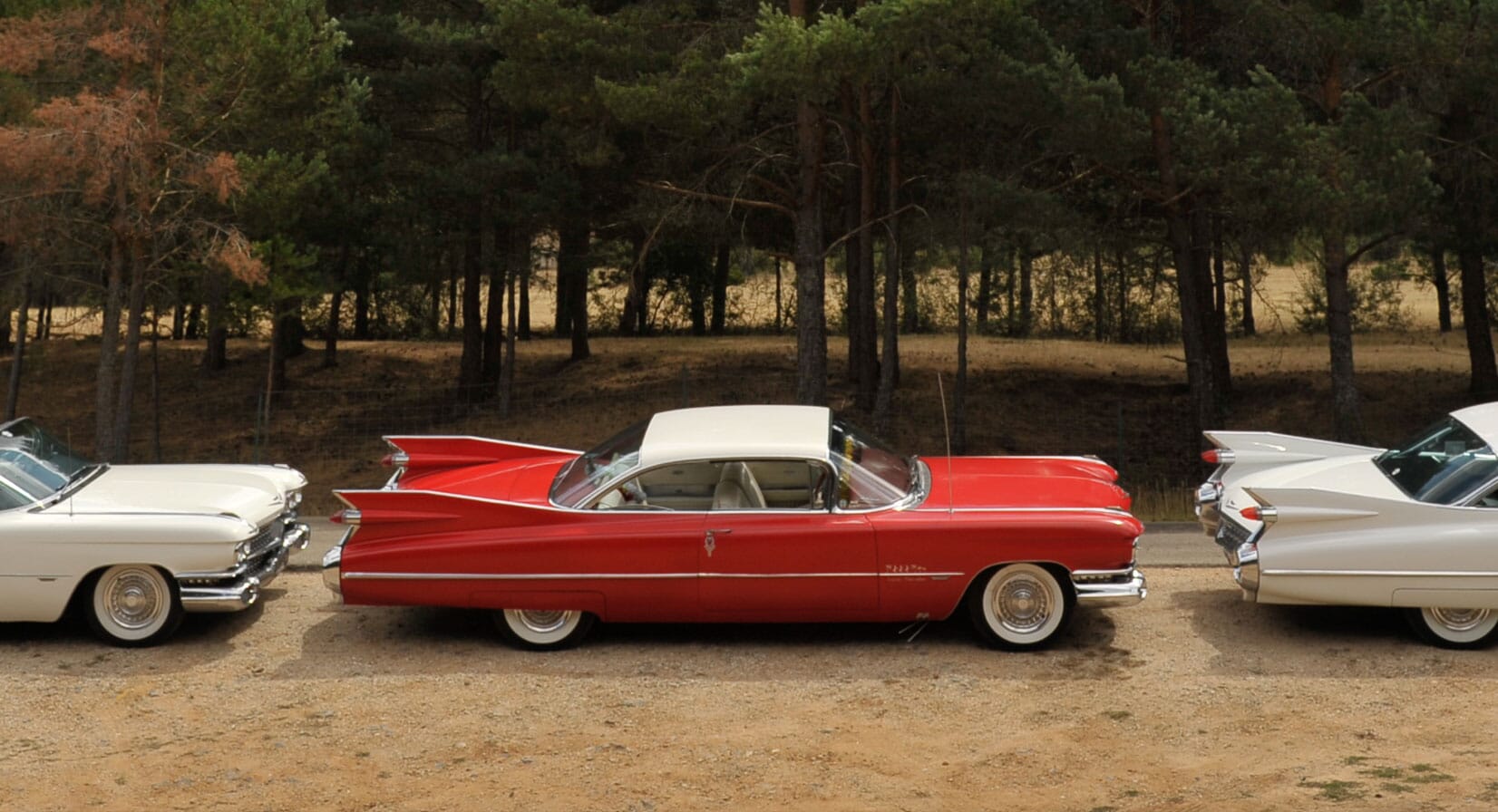
| Cadillac | Eldorado | 1959 | $90,000 | $65,000 | $45,000 |
| Chevrolet | Bel Air | 1957 | $75,000 | $55,000 | $35,000 |
| Ford | Thunderbird | 1955 | $60,000 | $45,000 | $30,000 |
| Pontiac | GTO | 1969 | $110,000 | $80,000 | $55,000 |
Disclaimer: These values are estimates and can vary significantly based on specific condition, options, and regional market conditions. Consult a professional appraiser for a more accurate valuation.
Conclusion: Informed Decisions in the Classic Car Market
Navigating the classic car market requires a blend of passion, research, and a healthy dose of skepticism. Kelley Blue Book offers a valuable starting point for understanding the potential value of a classic car, but it should not be the sole basis for making decisions. By supplementing KBB with other valuation methods, seeking expert advice, and conducting thorough research, you can make informed choices and confidently navigate the exciting world of classic car ownership. Remember that the true value of a classic car often extends beyond its monetary worth, encompassing its historical significance, design elegance, and the sheer joy of owning a piece of automotive history.
Frequently Asked Questions (FAQ)
Q: Is Kelley Blue Book the only resource I should use to value my classic car?
A: No. KBB is a good starting point, but it's essential to supplement it with other resources like professional appraisals, auction results, and online marketplaces.
Q: How often does Kelley Blue Book update its classic car values?
A: KBB updates its values periodically, but the frequency may vary. Check their website for the most current information.
Q: What if my classic car is heavily modified? How does that affect its value according to KBB?
A: KBB's values may not accurately reflect the value of heavily modified cars. In such cases, a professional appraisal is particularly important.
Q: Can I use Kelley Blue Book to determine the insured value of my classic car?
A: Insurance companies may use KBB as a factor, but they may also require a professional appraisal to determine the insured value.
Q: What does "provenance" mean, and how does it affect the value of a classic car?
A: Provenance refers to the history of ownership and documentation of a classic car. A well-documented history can significantly increase its value.
Q: Where can I find a qualified classic car appraiser?
A: You can find qualified appraisers through professional organizations like the American Society of Appraisers (ASA) or the International Vehicle Appraisers Network (IVAN).
Q: Are classic car values affected by economic conditions?
A: Yes. Like other collectibles, classic car values can be influenced by economic conditions, interest rates, and consumer confidence.
Q: How do I know if a classic car is a good investment?
A: Investing in classic cars requires careful research and understanding of market trends. Consult with experts and consider factors like rarity, condition, and historical significance. There is no guarantee of appreciation.
Q: What's the difference between a "classic" car and an "antique" car?
A: While definitions vary, a "classic" car is generally considered to be a vehicle that is 20 years or older and has historical significance. An "antique" car is typically 45 years or older.
Q: If I restore a classic car, will it automatically increase its value?
A: While a well-executed restoration can increase value, it's important to do it properly and maintain originality whenever possible. Poorly done restorations can actually decrease value.