Moving is a stressful experience. From packing boxes to coordinating logistics, the process can feel overwhelming. Choosing the right moving truck is crucial for a smooth and efficient move, and Penske offers a variety of options to suit different needs. Among these, the 16-foot Penske truck is a popular choice for its versatility and suitability for smaller moves. However, before you sign on the dotted line and load up your belongings, understanding the Penske 16-Foot Truck Clearance is paramount. This isn't just about avoiding overhead obstacles; it's about safety, planning, and preventing costly damage to the truck or your belongings.
This comprehensive guide will delve into everything you need to know about Penske 16-foot truck clearance, covering its importance, practical considerations, potential challenges, and actionable advice to ensure a successful and stress-free move.
Navigating the Road Ahead: A Comprehensive Guide to Penske 16-Foot Truck Clearance
Why is Penske 16-Foot Truck Clearance Important?
The "clearance" of a vehicle refers to the minimum vertical space required for it to pass safely under an overhead object, such as a bridge, tunnel, or low-hanging power line. Knowing the Penske 16-foot truck's clearance is essential for several reasons:
- Safety: Ignoring clearance limitations can lead to catastrophic accidents. Striking an overhead object can cause serious damage to the truck, the object itself, and potentially result in injuries or fatalities.
- Legal Compliance: Driving a truck that exceeds the posted clearance limits is a violation of traffic laws and can result in hefty fines, points on your driving record, and even suspension of your license.
- Damage Prevention: Even a minor impact with an overhead object can cause significant damage to the truck's roof, air conditioning unit, or other components. This damage can lead to expensive repair costs, which you may be liable for under the rental agreement.
- Route Planning: Knowing the truck's clearance allows you to plan your route strategically, avoiding low-clearance areas and ensuring a smooth and uninterrupted journey. This is especially important when navigating unfamiliar areas or cities.
- Peace of Mind: Understanding and respecting clearance limitations provides peace of mind, allowing you to focus on the other aspects of your move without constantly worrying about overhead obstacles.
Understanding the Specific Clearance of a Penske 16-Foot Truck
While Penske doesn't explicitly publish a single "clearance" number, it's generally understood that the 16-foot truck has a maximum height of approximately 11 feet. However, it is absolutely crucial to confirm the exact height of the specific truck you are renting with the Penske location. This can vary slightly based on the specific model and any modifications or additions to the vehicle.
How to Verify the Clearance:
- Ask Penske Directly: This is the most reliable method. When picking up the truck, ask a Penske representative to provide the exact height of the vehicle you're renting.
- Check the Truck's Specifications: Look for a sticker or placard inside the cab that displays the truck's height. This information is often located near the driver's seat or on the dashboard.
- Consult the Rental Agreement: The rental agreement may include the truck's specifications, including its height.
- Use a Measuring Tape (with Caution): If you are unable to obtain the height from Penske or the truck's documentation, you can carefully measure the truck's height yourself using a measuring tape. Be sure to measure from the ground to the highest point of the truck, including the air conditioning unit.
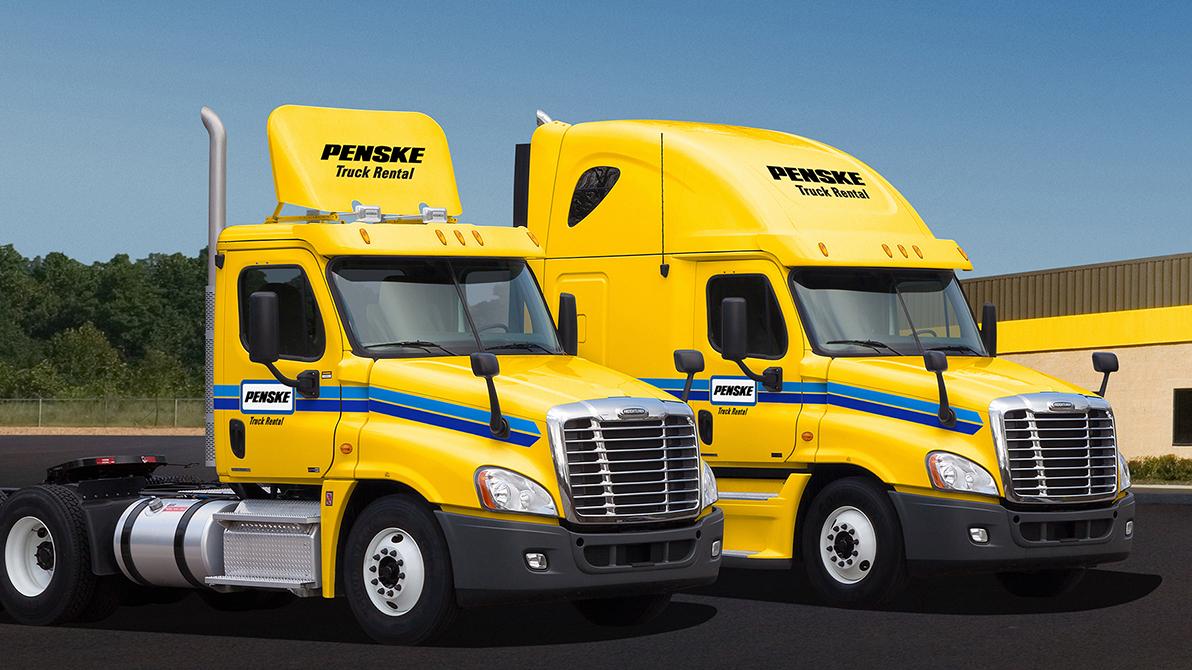
Important Note: Always err on the side of caution. If you are unsure of the exact clearance, assume the truck is at its maximum height (approximately 11 feet) and plan your route accordingly.
Route Planning: Avoiding Low-Clearance Obstacles
Once you know the exact clearance of your Penske 16-foot truck, the next step is to plan your route carefully to avoid low-clearance obstacles. Here are some tips for effective route planning:
- Use a GPS Navigation System Designed for Trucks: Standard GPS navigation systems are designed for cars and may not be accurate when it comes to low-clearance warnings. Truck-specific GPS systems take into account the height and weight of your vehicle and provide routes that avoid low bridges, tunnels, and other potential hazards.
- Consult Trucking Route Maps: Many states and municipalities publish trucking route maps that identify designated truck routes and areas with restricted access. These maps can be invaluable for planning a safe and efficient route.
- Pay Attention to Road Signs: Be vigilant for road signs that indicate low clearance. These signs typically display the maximum height allowed under the obstacle.
- Scout the Route in Advance: If possible, drive the route in your personal vehicle before picking up the truck to identify any potential hazards or low-clearance areas.
- Use Online Mapping Tools: Utilize online mapping tools like Google Maps or Waze, but remember that these tools are not always accurate when it comes to low-clearance information. Always double-check the route and pay attention to road signs.
- Communicate with Others: If you are moving to a new area, ask friends, family, or colleagues for information about potential low-clearance areas.
- When in Doubt, Go Around: If you are unsure about the clearance of an overhead object, it is always best to take a detour. It is better to add a few extra miles to your trip than to risk damaging the truck or causing an accident.
Driving Tips for Maintaining Clearance Awareness
Even with careful route planning, it is essential to remain vigilant while driving the Penske 16-foot truck. Here are some driving tips to help you maintain clearance awareness:
- Stay Focused: Avoid distractions while driving, such as cell phones, loud music, or engaging in conversations.
- Maintain a Safe Following Distance: A safe following distance allows you to react to unexpected situations and provides more time to assess potential hazards.
- Pay Attention to Your Surroundings: Be aware of overhead objects, such as bridges, tunnels, power lines, and tree branches.
- Check Your Mirrors Regularly: Check your mirrors frequently to monitor the truck's position and ensure that you are not drifting too close to overhead objects.
- Slow Down in Unfamiliar Areas: Reduce your speed when driving in unfamiliar areas or areas with potential low-clearance hazards.
- Be Aware of Inclines and Declines: Inclines and declines can affect the truck's overall height. Be especially cautious when driving uphill or downhill near overhead objects.
- If You Hear a Warning Sound, Stop Immediately: Some trucks are equipped with warning systems that alert the driver to potential low-clearance situations. If you hear a warning sound, stop the truck immediately and assess the situation.
Potential Challenges and Solutions
Despite your best efforts, you may encounter challenges related to Penske 16-foot truck clearance. Here are some potential challenges and solutions:
- Inaccurate GPS Information: GPS systems are not always accurate when it comes to low-clearance information. Solution: Always double-check the route and pay attention to road signs.
- Unexpected Road Closures or Detours: Road closures or detours can force you to deviate from your planned route and encounter unexpected low-clearance areas. Solution: Be prepared to adjust your route on the fly and pay close attention to road signs.
- Low-Hanging Tree Branches: Tree branches can often be lower than they appear. Solution: Drive slowly and cautiously in areas with trees and be prepared to stop if necessary.
- Overestimating Clearance: It's better to overestimate than underestimate. Solution: Always assume the maximum height and plan accordingly.
- Fatigue: Driving a large truck can be tiring, which can impair your judgment and reaction time. Solution: Take frequent breaks and ensure that you are well-rested before driving.
Penske 16-Foot Truck Clearance Information Table
| Feature | Description |
|---|---|
| Estimated Height | Approximately 11 feet (3.35 meters). Always verify the exact height with the Penske location before renting. |
| Purpose | Transporting belongings during a move. Suitable for apartments, condos, and smaller homes. |
| Important Considerations | Planning your route to avoid low bridges, tunnels, and overhanging obstacles. Checking posted clearance heights. |
| Route Planning Tools | Truck-specific GPS, trucking route maps, online mapping tools (with caution). |
| Driving Precautions | Maintaining awareness of overhead objects, paying attention to road signs, slowing down in unfamiliar areas. |
| Potential Hazards | Low bridges, tunnels, power lines, tree branches, inaccurate GPS information. |
| Mitigation Strategies | Confirm truck height with Penske, use truck-specific GPS, scout route in advance, pay attention to road signs, drive cautiously. |
| Rental Cost | Varies based on location, time of year, and rental duration. Contact Penske for specific pricing. Expect to pay a base rate plus mileage and any applicable fees. Consider insurance options. |
| Legal Ramifications | Ignoring posted clearance limits can result in fines, points on driving record, and potential license suspension. |
| Damage Consequences | Striking an overhead object can cause significant damage to the truck, resulting in costly repairs for which the renter may be liable. |
Frequently Asked Questions (FAQ)
Q: What happens if I hit a bridge with the Penske truck?
A: Hitting a bridge or any other overhead object can result in serious damage to the truck and the object itself. You will likely be responsible for the cost of repairs, and you may also face legal consequences.
Q: Can I rely solely on my GPS for route planning?
A: No. While GPS can be helpful, it is not always accurate when it comes to low-clearance information. Always double-check the route and pay attention to road signs. Use a truck-specific GPS if possible.
Q: How do I find truck-specific routes?
A: Use a truck-specific GPS, consult trucking route maps published by states and municipalities, and ask local residents for advice.
Q: What is the best way to avoid low-clearance areas?
A: Plan your route carefully, pay attention to road signs, scout the route in advance if possible, and when in doubt, take a detour.
Q: What if I am unsure about the clearance of an overhead object?
A: Always err on the side of caution and take a detour. It is better to add a few extra miles to your trip than to risk damaging the truck or causing an accident.
Q: Where can I find the exact height of the truck I'm renting?
A: The most reliable source is the Penske rental location. Ask a representative directly. You can also look for a sticker or placard inside the cab or consult the rental agreement.
Conclusion
Understanding and respecting the Penske 16-foot truck clearance is a crucial aspect of ensuring a safe and successful move. By taking the time to plan your route carefully, paying attention to road signs, and remaining vigilant while driving, you can avoid potential hazards and prevent costly damage. Remember to always confirm the exact height of the truck with the Penske location and prioritize safety above all else. With careful planning and attention to detail, you can navigate the road ahead with confidence and enjoy a stress-free moving experience. Your proactive approach to clearance will not only protect the truck and your belongings, but also ensure the safety of yourself and others on the road. Happy moving!