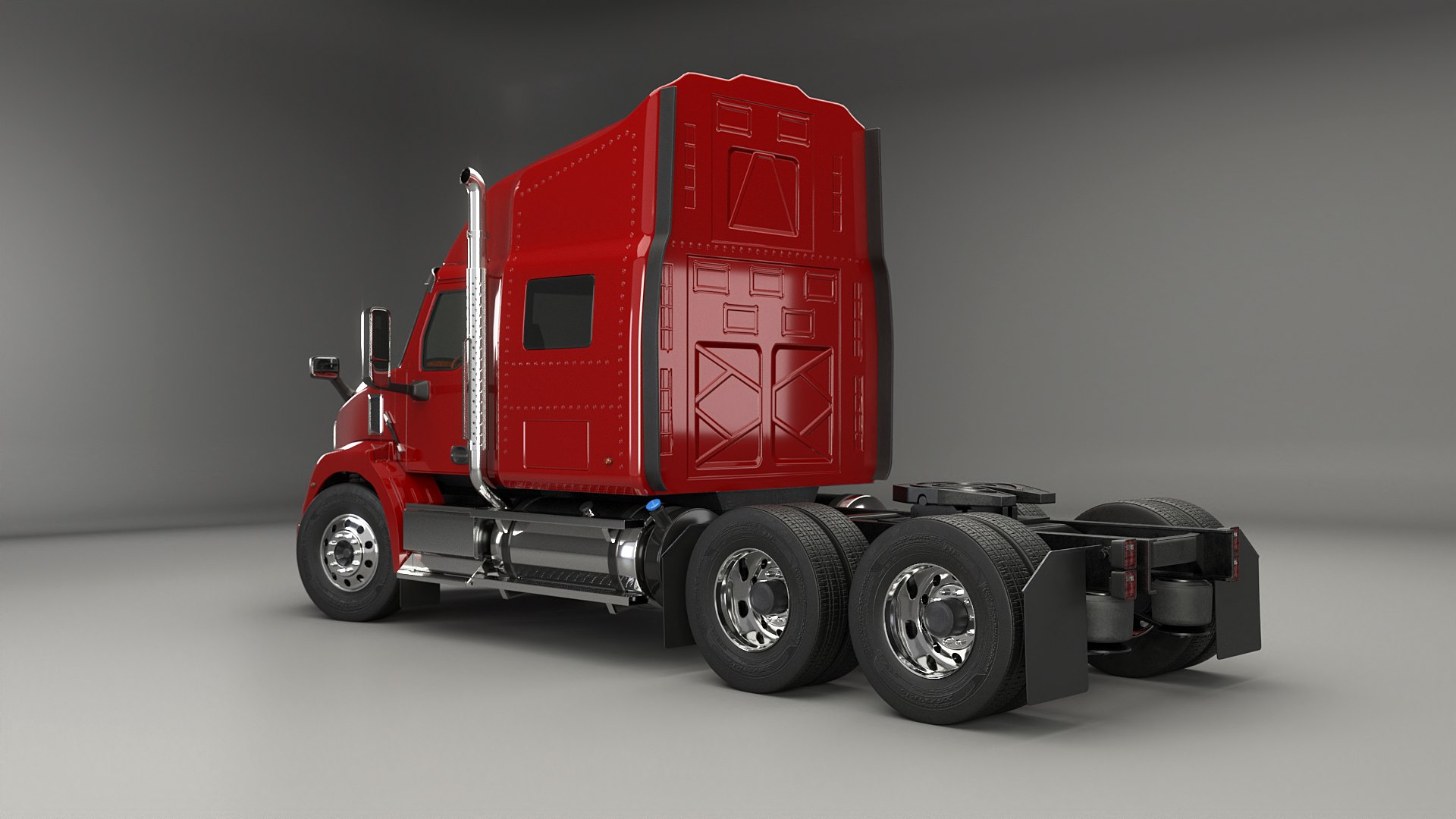
The life of a long-haul trucker is one of dedication, resilience, and countless hours spent on the open road. While the romance of the journey is often romanticized, the reality involves navigating demanding schedules, fluctuating weather conditions, and long periods away from home. To combat the challenges of this lifestyle, the trucking industry has continuously evolved, offering innovations that prioritize driver comfort and well-being. One of the most significant advancements in this area is the semi-truck sleeper cab equipped with a bathroom. This feature represents a significant leap in on-the-road convenience and hygiene, offering drivers a degree of autonomy and comfort previously unimaginable. This comprehensive guide will delve into every aspect of semi-truck sleeper cabs with bathrooms, exploring their benefits, considerations, different types, and everything else you need to know.
Why a Bathroom in Your Sleeper Cab Matters
The Ultimate Guide to Semi Truck Sleeper Cabs with Bathrooms: Comfort, Convenience, and Considerations
For many truckers, the thought of having a bathroom within their sleeper cab is more than just a luxury – it's a necessity. The advantages extend far beyond simple convenience:
- Improved Hygiene and Health: Public restrooms at truck stops can vary wildly in cleanliness. Having a private bathroom allows drivers to maintain personal hygiene standards, reducing the risk of illness and promoting overall health. This is especially crucial during flu season or outbreaks.
- Increased Time Efficiency: Eliminating the need to stop at truck stops solely for restroom breaks saves valuable time. This can contribute to meeting deadlines, maximizing driving hours within legal limits, and ultimately, increasing earning potential.
- Enhanced Privacy and Comfort: Let's face it, public restrooms are rarely relaxing. A private bathroom offers a comfortable and familiar space for personal needs, providing a sense of normalcy and control on the road.
- Greater Independence and Flexibility: Drivers are less reliant on the availability and condition of truck stop facilities. They can choose their stops based on other factors, such as fuel prices or preferred restaurants, rather than being dictated by restroom access.
- Improved Mental Well-being: The ability to maintain personal hygiene and have a private space can significantly reduce stress and improve mental well-being. This is particularly important for drivers who spend extended periods away from family and friends.
- Increased Security: Avoiding unnecessary stops, especially in unfamiliar or poorly lit areas, can enhance personal safety and security.

Navigating the Different Types of Sleeper Cab Bathrooms
While the concept of a bathroom in a sleeper cab is straightforward, the reality is that there are various configurations and levels of sophistication. Here's a breakdown of common types:
- Portable Toilet/Chemical Toilet: This is the most basic and affordable option. It typically consists of a self-contained unit with a holding tank and a chemical solution to neutralize odors and break down waste. It's easy to install and requires minimal plumbing but needs to be emptied regularly at designated disposal sites.
- Composting Toilet: A more environmentally friendly option, composting toilets use natural processes to break down waste. They require no water and produce a compost-like material that can be disposed of responsibly. They are more expensive than chemical toilets but offer a sustainable alternative.
- Cassette Toilet: This type features a removable cassette holding tank that can be easily emptied at designated dump stations. It often includes a flushing mechanism and a freshwater tank for improved hygiene. They offer a good balance between convenience and affordability.
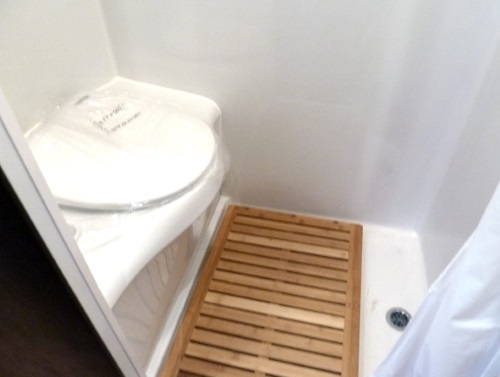
- Full Wet Bath: This is the most comprehensive and luxurious option. It includes a toilet, a sink, and a shower within a dedicated enclosed space. It requires significant plumbing and water storage capacity but provides the most complete bathroom experience on the road.
Important Considerations Before Installing a Sleeper Cab Bathroom
Before investing in a sleeper cab bathroom, there are several crucial factors to consider:
- Space Availability: Sleeper cabs vary in size, and the available space will significantly impact the type of bathroom you can install. Measure your sleeper cab carefully and consider the dimensions of different bathroom options.
- Weight Restrictions: Adding a bathroom will increase the overall weight of your truck. Ensure that you remain within legal weight limits and that your truck's suspension can handle the additional load.
- Plumbing and Electrical Requirements: Full wet baths require significant plumbing and electrical work. Ensure you have access to a qualified technician who can properly install the system and connect it to your truck's water and electrical systems.
- Water Storage Capacity: If you plan on using a shower, you'll need a sufficient water storage tank. Consider the size of the tank and its placement within the sleeper cab.
- Waste Disposal: Determine where you will dispose of waste from your toilet. Chemical toilets and cassette toilets require access to designated dump stations. Composting toilets require a suitable location for disposing of the compost material.
- Ventilation: Proper ventilation is essential to prevent odors and moisture buildup within the bathroom. Consider installing a vent fan to improve air circulation.
- Maintenance: All types of sleeper cab bathrooms require regular maintenance. Be prepared to clean the toilet, empty holding tanks, and maintain the plumbing and electrical systems.
- Cost: The cost of installing a sleeper cab bathroom can vary significantly depending on the type of bathroom, the complexity of the installation, and the cost of materials. Get multiple quotes from qualified installers before making a decision.
Installation Tips and Best Practices
- Professional Installation: Unless you have extensive plumbing and electrical experience, it's best to hire a professional to install your sleeper cab bathroom. This will ensure that the system is installed correctly and safely.
- Choose Quality Materials: Invest in high-quality materials that are durable and resistant to wear and tear. This will help to ensure that your bathroom lasts for years to come.
- Proper Ventilation: Ensure that your bathroom is properly ventilated to prevent odors and moisture buildup. Install a vent fan and consider adding a window for natural ventilation.
- Regular Cleaning: Clean your bathroom regularly to prevent the buildup of bacteria and odors. Use appropriate cleaning products that are designed for use in RVs and trucks.
- Winterization: If you live in a cold climate, be sure to winterize your bathroom properly to prevent freezing and damage to the plumbing system.
Potential Challenges and Solutions
- Limited Space: Carefully consider the layout and dimensions of your sleeper cab and choose a bathroom option that fits comfortably.
- Weight Restrictions: Choose lightweight materials and consider relocating heavy items to other parts of the truck to minimize the impact on weight.
- Waste Disposal: Plan your routes carefully to ensure access to designated dump stations.
- Odor Control: Use appropriate odor control products and ensure that your bathroom is properly ventilated.
- Maintenance: Schedule regular maintenance checks to prevent problems and ensure that your bathroom is functioning properly.
Table Price: Estimated Costs for Semi Truck Sleeper Cab Bathrooms
| Type of Bathroom | Estimated Cost (Materials Only) | Estimated Installation Cost | Total Estimated Cost | Pros | Cons |
|---|---|---|---|---|---|
| Portable/Chemical Toilet | $50 - $200 | Minimal (DIY Possible) | $50 - $200 | Affordable, Easy to Install, Requires Minimal Plumbing | Requires Frequent Emptying, Can Have Odor Issues, Basic Functionality |
| Composting Toilet | $500 - $1500 | Moderate (DIY Possible) | $500 - $1500 | Environmentally Friendly, Waterless, Reduces Odor | More Expensive, Requires Compost Disposal, Can Be Bulky |
| Cassette Toilet | $300 - $800 | Moderate | $500 - $1200 | Convenient Cassette System, Flushing Mechanism, Easier to Empty than Chemical | Requires Dump Stations, Moderate Cost, Requires Plumbing |
| Full Wet Bath | $2000 - $5000+ | Significant | $3000 - $8000+ | Complete Bathroom Experience, Includes Toilet, Sink, and Shower | Most Expensive, Requires Extensive Plumbing and Electrical, Space Intensive |
Frequently Asked Questions (FAQ)
-
Q: Is it legal to have a bathroom in a semi-truck sleeper cab?
- A: Yes, it is generally legal as long as the truck meets all weight and safety regulations.
-
Q: Do I need special permits to install a bathroom in my sleeper cab?
- A: It depends on your local regulations. Contact your local DOT office to inquire about any necessary permits.
-
Q: How often do I need to empty a chemical toilet?
- A: The frequency depends on usage but generally every few days or after a certain number of uses.
-
Q: Can I use a regular household toilet in my sleeper cab?
- A: No, household toilets are not designed for the vibrations and movement of a truck. Use toilets specifically designed for RVs or trucks.
-
Q: How can I prevent odors in my sleeper cab bathroom?
- A: Use odor control products, ensure proper ventilation, and clean the bathroom regularly.
-
Q: What is the best way to winterize my sleeper cab bathroom?
- A: Drain all water from the plumbing system, add antifreeze to the toilet bowl, and insulate any exposed pipes.
Conclusion: Investing in Your Well-being on the Road
A semi-truck sleeper cab with a bathroom is more than just a convenience; it's an investment in the driver's health, well-being, and overall quality of life on the road. While the initial cost and installation process may seem daunting, the long-term benefits of increased comfort, hygiene, and efficiency make it a worthwhile consideration for any long-haul trucker. By carefully weighing the different options, considering the specific needs of the driver, and following best practices for installation and maintenance, a sleeper cab bathroom can transform the trucking experience, making it safer, more comfortable, and ultimately, more sustainable. Ultimately, the decision hinges on individual needs, budget, and priorities, but the impact of a private, hygienic space on the open road cannot be overstated.