Georgia's bustling highways and growing cities mean one thing: a constant demand for towing services. Whether it's rescuing stranded motorists, removing illegally parked vehicles, or transporting disabled vehicles to repair shops, tow trucks are an essential part of the state's infrastructure. If you're looking to enter the towing business or expand your existing fleet in Georgia, understanding the tow truck market is crucial. This comprehensive guide will delve into the world of "Tow Trucks For Sale In Georgia," providing you with the knowledge and insights needed to make informed decisions.
Introduction: The Vital Role of Tow Trucks in Georgia
Tow Trucks For Sale In Georgia: A Comprehensive Guide
"Tow Trucks For Sale In Georgia" isn't just a search term; it represents an opportunity. The towing industry is a vital component of Georgia's economy, offering essential services to both individuals and businesses. From Atlanta's urban sprawl to Savannah's coastal roads and the rural areas in between, the need for reliable towing services is constant. Investing in a tow truck means investing in a business that provides a necessary service and offers the potential for significant financial returns. However, navigating the market requires understanding the different types of tow trucks, the legal requirements for operating a towing business in Georgia, and where to find the best deals. This guide will equip you with that knowledge, helping you make a smart and strategic investment.
Section 1: Understanding the Different Types of Tow Trucks
Before diving into the market, it's crucial to understand the different types of tow trucks available and their specific applications. Choosing the right truck for your business will significantly impact your efficiency and profitability.
-
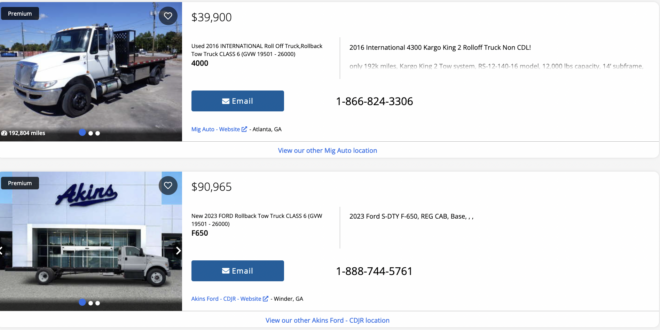
Flatbed Tow Trucks (Rollback Tow Trucks): These trucks feature a hydraulically operated flatbed that tilts down to ground level, allowing vehicles to be driven or winched onto the bed. They are ideal for transporting vehicles with damage to their wheels, luxury cars, motorcycles, and vehicles that cannot be towed by other methods. They are also preferred for long-distance transport.
Wheel Lift Tow Trucks (Spectacle Lift Tow Trucks): These trucks use a metal yoke that fits under the front or rear wheels of a vehicle, lifting it off the ground. They are commonly used for towing cars, trucks, and SUVs. They are generally faster for connecting to a vehicle than flatbeds, making them ideal for quick roadside assistance.
-
Hook and Chain Tow Trucks (Boom Trucks): These older-style tow trucks use chains and hooks to secure the vehicle to the tow truck. While still used in some situations, they are generally considered outdated due to the potential for damage to the towed vehicle. They are typically reserved for scrap cars or vehicles in severe condition.
-
Integrated Tow Trucks (Self-Loading Wrecker Tow Trucks): These heavy-duty trucks combine a boom, winch, and wheel lift system into a single unit. They are designed for towing large vehicles like buses, semi-trucks, and construction equipment. They are also used for complex recovery operations.
-
Recovery Tow Trucks (Rotator Tow Trucks): These are the most specialized and expensive type of tow truck. They feature a rotating boom with a winch, allowing them to lift and move vehicles from difficult angles or in challenging environments, such as ditches or embankments. They are often used for accident recovery and heavy-duty towing.

Section 2: Key Considerations Before Buying a Tow Truck in Georgia
Purchasing a tow truck is a significant investment. Here are some key factors to consider before making a decision:
-
Budget: Determine your budget and stick to it. Consider not only the purchase price of the truck but also ongoing costs such as insurance, maintenance, fuel, and registration.
-
Business Needs: What type of towing services will you be offering? Will you be focusing on roadside assistance, accident recovery, heavy-duty towing, or a combination of services? Your business needs will dictate the type of tow truck you require.
-
New vs. Used: New tow trucks offer the latest technology and warranties, but they come with a higher price tag. Used tow trucks can be more affordable, but it's crucial to thoroughly inspect them and have them inspected by a qualified mechanic. Look for well-maintained trucks with a good service history.
-
Mileage and Condition: For used trucks, pay close attention to mileage and overall condition. Check for signs of wear and tear, rust, and damage. Test drive the truck and listen for any unusual noises.
-
Engine and Transmission: The engine and transmission are the heart of the tow truck. Ensure they are in good working order and have been properly maintained.
-
Towing Capacity: Make sure the tow truck has the appropriate towing capacity for the types of vehicles you will be towing. Overloading a tow truck can damage the truck and create a safety hazard.
-
Features and Equipment: Consider the features and equipment that are important for your business, such as a winch, air conditioning, power steering, and a radio.
-
Financing Options: Explore different financing options, such as loans and leases. Compare interest rates and terms to find the best deal.
-
Insurance: Obtain adequate insurance coverage for your tow truck and your business.
Section 3: Where to Find Tow Trucks for Sale in Georgia
Finding the right tow truck requires diligent research. Here are some potential sources:
-
Online Marketplaces: Websites like Commercial Truck Trader, Truck Paper, and eBay Motors are good places to start your search. These platforms list both new and used tow trucks from dealers and private sellers across Georgia and the United States.
-
Tow Truck Dealers: Contact tow truck dealers in Georgia. They can provide you with information on new and used tow trucks, as well as financing options.
-
Auctions: Government auctions and equipment auctions can be a good source for finding used tow trucks at discounted prices. However, be aware that the condition of these trucks may vary.
-
Classified Ads: Check local classified ads in newspapers and online.
-
Networking: Talk to other towing companies and industry professionals. They may be able to provide you with leads on tow trucks for sale.
Section 4: Legal Requirements for Operating a Towing Business in Georgia
Operating a towing business in Georgia requires compliance with state and local regulations.
-
Business License: Obtain a business license from the city or county where you will be operating.
-
USDOT Number: If you will be operating your tow truck across state lines, you will need to obtain a USDOT number from the Federal Motor Carrier Safety Administration (FMCSA).
-
Motor Carrier Authority (Operating Authority): You may also need to obtain motor carrier authority from the FMCSA, depending on the type of towing services you will be providing.
-
Insurance: Maintain adequate insurance coverage, including liability insurance and cargo insurance.
-
Driver's License: Ensure that all drivers have a valid commercial driver's license (CDL) with the appropriate endorsements.
-
Vehicle Inspection: Have your tow truck inspected regularly to ensure it meets safety standards.
-
Towing Regulations: Familiarize yourself with Georgia's towing regulations, including regulations regarding rates, storage fees, and notification requirements.
Section 5: Negotiating the Best Price
Negotiating the price of a tow truck is a critical skill. Here are some tips:
-
Do Your Research: Before making an offer, research the market value of similar tow trucks.
-
Be Prepared to Walk Away: Don't be afraid to walk away from a deal if you're not comfortable with the price.
-
Point Out Flaws: If you find any flaws with the truck, point them out to the seller and use them as leverage to negotiate a lower price.
-
Offer Cash: Offering cash can sometimes get you a better deal.
-
Be Polite and Respectful: Maintain a polite and respectful attitude throughout the negotiation process.
Section 6: Maintenance and Repair: Keeping Your Tow Truck on the Road
Regular maintenance and prompt repairs are essential for keeping your tow truck running smoothly and avoiding costly breakdowns.
-
Follow the Manufacturer's Maintenance Schedule: Adhere to the manufacturer's recommended maintenance schedule for oil changes, filter replacements, and other routine maintenance tasks.
-
Regular Inspections: Conduct regular inspections of your tow truck to identify any potential problems early on.
-
Address Repairs Promptly: Don't delay repairs. Small problems can quickly escalate into larger, more expensive problems.
-
Use Quality Parts: Use high-quality parts when making repairs.
-
Find a Reliable Mechanic: Establish a relationship with a reliable mechanic who is experienced in working on tow trucks.
Section 7: Growing Your Towing Business in Georgia
Once you've purchased your tow truck, you'll need to focus on growing your business.
-
Marketing: Develop a comprehensive marketing strategy to reach potential customers. This could include online advertising, social media marketing, and traditional advertising methods.
-
Customer Service: Provide excellent customer service. Happy customers are more likely to recommend your business to others.
-
Competitive Pricing: Offer competitive pricing.
-
Reliability: Be reliable and responsive. Arrive on time and provide prompt service.
-
Networking: Network with other businesses and organizations in your community.
-
Specialization: Consider specializing in a particular niche, such as accident recovery or heavy-duty towing.
Table: Tow Trucks For Sale In Georgia Price
| Tow Truck Type | New Price Range | Used Price Range | Key Features | Common Uses |
|---|---|---|---|---|
| Flatbed/Rollback | $80,000 - $150,000 | $30,000 - $90,000 | Hydraulic bed, winch, tie-down points | Vehicle transport, accident recovery, transporting damaged or luxury vehicles |
| Wheel Lift | $60,000 - $120,000 | $20,000 - $70,000 | Wheel lift mechanism, winch, light bar | Roadside assistance, towing cars and light trucks, quick vehicle removal |
| Hook and Chain | $40,000 - $80,000 | $10,000 - $40,000 | Hook and chain system, winch | (Less common) Scrap car towing, vehicle repossession (use declining due to damage potential) |
| Integrated Wrecker | $150,000 - $350,000+ | $50,000 - $200,000+ | Boom, winch, wheel lift, heavy-duty construction | Towing buses, semi-trucks, construction equipment, heavy-duty recovery operations |
| Recovery/Rotator | $300,000 - $600,000+ | $100,000 - $400,000+ | Rotating boom, multiple winches, advanced lifting capabilities | Complex accident recovery, heavy vehicle lifting from difficult locations |
Note: These are estimated price ranges and can vary depending on the specific make, model, year, condition, and features of the tow truck. Prices may also fluctuate based on market demand and availability. Always conduct thorough research and inspection before purchasing a tow truck.
FAQ: Frequently Asked Questions About Tow Trucks For Sale In Georgia
-
Q: What kind of driver's license do I need to operate a tow truck in Georgia?
- A: You will likely need a Commercial Driver's License (CDL), depending on the weight of the truck and the vehicles you will be towing. Check with the Georgia Department of Driver Services for specific requirements.
-
Q: What insurance coverage do I need for my tow truck?
- A: You will need liability insurance to cover damages you may cause to others, as well as cargo insurance to cover damage to the vehicles you are towing.
-
Q: How much can I expect to earn as a tow truck operator in Georgia?
- A: Earnings vary depending on factors such as location, type of services offered, and marketing efforts. However, a successful tow truck operator can earn a good living.
-
Q: Where can I find financing for a tow truck?
- A: You can find financing from banks, credit unions, and specialized lenders who offer financing for commercial vehicles.
-
Q: What are some common problems with used tow trucks?
- A: Common problems include engine and transmission issues, brake problems, worn tires, and rust. It's crucial to have a used tow truck inspected by a qualified mechanic before purchasing it.
-
Q: How important is location when starting a towing business?
- A: Location is crucial. High-traffic areas, proximity to highways, and areas with a high accident rate are ideal locations.
Conclusion: Investing in Georgia's Towing Future
The market for "Tow Trucks For Sale In Georgia" presents a significant opportunity for entrepreneurs and established businesses alike. By understanding the different types of tow trucks, considering key factors before buying, navigating the legal requirements, and focusing on providing excellent service, you can build a successful towing business in Georgia. Remember to prioritize safety, maintain your equipment, and adapt to the evolving needs of the market. With careful planning and execution, your investment in a tow truck can pave the way for a rewarding and profitable venture in the Peach State.