Moving can be a stressful and expensive endeavor. Amidst packing, coordinating, and saying goodbyes, understanding the costs associated with transportation is crucial. For many, U-Haul trailer rentals offer a practical and affordable solution for moving belongings. But navigating the intricacies of U-Haul trailer rental costs can feel daunting. This comprehensive guide aims to demystify the pricing structure, providing you with the knowledge to budget effectively and choose the right trailer for your needs.
Introduction: Why Understanding U-Haul Trailer Rental Cost Matters
U-Haul Trailer Rental Cost: A Comprehensive Guide to Budgeting Your Move
U-Haul is a ubiquitous name in the moving industry, known for its extensive network and wide range of rental options. Their trailers, in particular, offer a cost-effective alternative to hiring professional movers or renting a larger truck. However, the final bill for a U-Haul trailer rental can vary significantly depending on several factors. Understanding these factors – distance traveled, rental duration, trailer size, insurance options, and more – is paramount to avoiding unexpected expenses and ensuring a smooth and budget-friendly move. This guide will equip you with the information you need to make informed decisions and optimize your U-Haul trailer rental experience.
Section 1: Deciphering the Base Rental Fee: Local vs. One-Way Moves
The foundation of your U-Haul trailer rental cost is the base rental fee. This fee differs significantly depending on whether you're making a local move (within the same city or area) or a one-way move (moving to a different city or state).
-
Local Moves: Local U-Haul trailer rentals are typically charged on an hourly or daily basis. The exact rate depends on the trailer size and the location of the rental. This option is ideal for short-distance moves where you can return the trailer to the same location. Expect to pay a relatively low base rate, but be mindful of exceeding the allotted time, as overage charges can quickly add up.
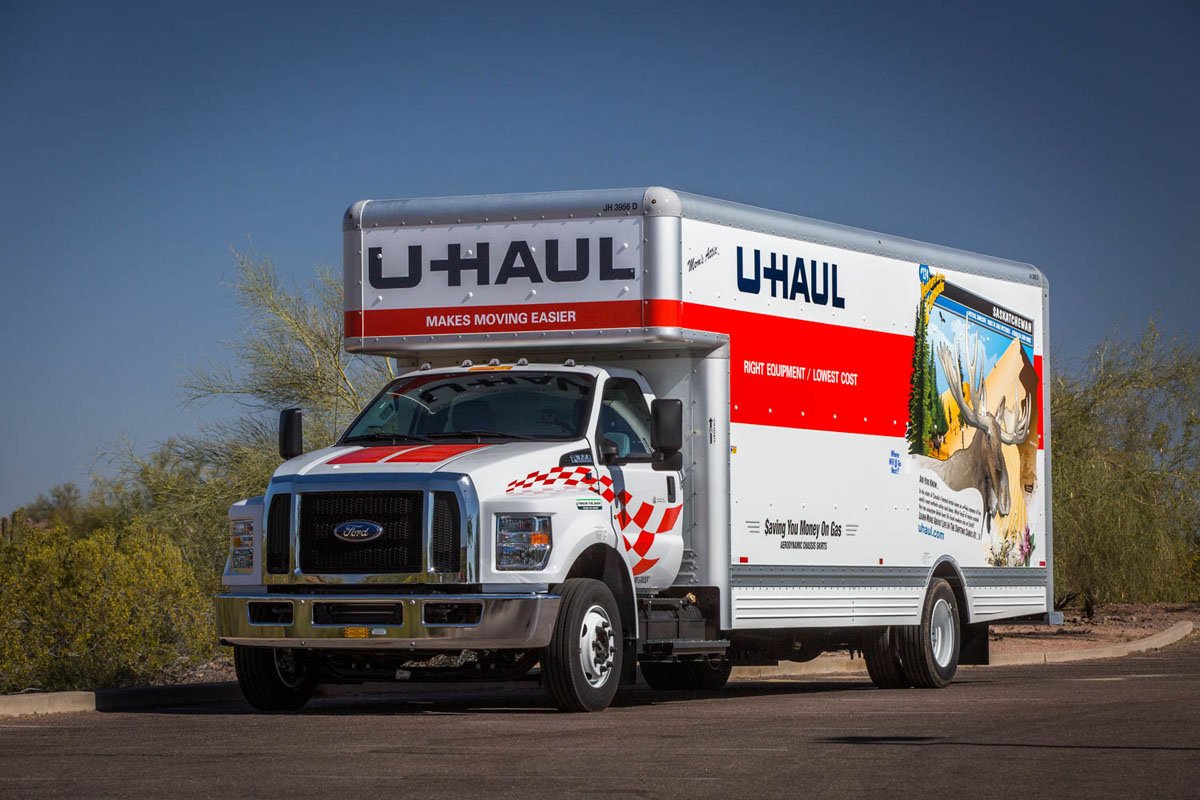
One-Way Moves: One-way rentals are designed for longer distances and allow you to drop off the trailer at a different U-Haul location. The pricing for one-way moves is more complex, factoring in the distance traveled, the trailer size, the origin and destination locations, and the time of year. U-Haul's website provides estimates for one-way moves, but the final price may vary. It's best to obtain a personalized quote from a U-Haul representative.
Section 2: Trailer Size and Type: Matching Your Needs to Your Budget
U-Haul offers a variety of trailer sizes, each designed to accommodate different amounts of cargo. The larger the trailer, the higher the rental cost. Understanding the different types and their capacities will help you choose the most efficient and cost-effective option.
-
Utility Trailers: These trailers are open and typically used for hauling landscaping materials, furniture, or appliances. They come in various sizes, ranging from small 4x8 trailers to larger 5x8 models. Utility trailers are generally the most affordable option.
-
Enclosed Trailers: Enclosed trailers provide protection from the elements and offer more security for your belongings. They are ideal for moving furniture, boxes, and other household goods. U-Haul's enclosed trailers range in size, with 4x8, 5x8, and 6x12 being common options. Enclosed trailers are more expensive than utility trailers.
-
Auto Transport Trailers: Designed specifically for transporting vehicles, auto transport trailers are the most specialized and expensive option. They require a vehicle with sufficient towing capacity and are subject to specific safety regulations.
Choosing the Right Size:
Before renting, accurately estimate the amount of cargo you need to move. Consider the following:
- Inventory: Create a detailed inventory of all items you plan to move.
- Volume: Estimate the total cubic footage of your belongings. U-Haul's website often provides guidelines on the capacity of each trailer size.
- Weight: Be mindful of the trailer's weight capacity. Overloading a trailer can be dangerous and illegal.
Section 3: Insurance and Protection Plans: Weighing the Risks and Costs
U-Haul offers several insurance and protection plans to cover potential damages to the trailer, your belongings, or other vehicles in the event of an accident. While these plans add to the overall rental cost, they can provide valuable peace of mind.
-
Safemove: This is U-Haul's standard damage waiver, which covers accidental damage to the trailer. It typically does not cover damage to your belongings or other vehicles.
-
Safemove Plus: This is a more comprehensive protection plan that includes coverage for accidental damage to the trailer, cargo protection (covering damage to your belongings), and medical and life coverage.
-
Supplemental Liability Insurance (SLI): This insurance provides additional liability coverage in case you are held responsible for damages or injuries to third parties.
Deciding Whether to Purchase Insurance:
Whether or not to purchase insurance is a personal decision. Consider the following:
- Your Existing Insurance: Check your existing auto insurance policy to see if it provides any coverage for rental trailers.
- Risk Tolerance: Assess your risk tolerance. If you are a cautious driver and confident in your ability to handle the trailer, you may be comfortable declining the insurance. However, if you are new to towing or concerned about potential accidents, purchasing insurance may be a wise investment.
- Value of Your Belongings: If you are moving valuable items, Safemove Plus's cargo protection may be worth the extra cost.
Section 4: Additional Fees and Charges: Avoiding Unexpected Expenses
Beyond the base rental fee and insurance, several other fees and charges can impact the final cost of your U-Haul trailer rental. Being aware of these potential expenses can help you avoid surprises.
-
Environmental Fees: U-Haul may charge a small environmental fee to cover the costs of maintaining their fleet and complying with environmental regulations.
-
Taxes: Sales tax will be added to the total rental cost.
-
Late Return Fees: Returning the trailer late can result in significant late fees. Be sure to confirm the return deadline and plan accordingly.
-
Cleaning Fees: If the trailer is returned excessively dirty, U-Haul may charge a cleaning fee.
-
Mileage Fees (For Trucks): While not directly applicable to trailer rentals, it's important to note that truck rentals often involve mileage fees. If you're considering renting a truck to tow the trailer, factor this cost into your budget.
-
Drop-off Fees (One-Way): These are included in the initial quote for one-way rentals but should be confirmed to avoid any confusion.
Section 5: Tips for Saving Money on U-Haul Trailer Rentals
Moving can be expensive, but there are several ways to save money on your U-Haul trailer rental:
-
Book in Advance: Booking your trailer rental well in advance, especially during peak moving seasons (summer and end of the month), can help you secure a better rate.
-
Compare Prices: Get quotes from multiple U-Haul locations to ensure you're getting the best possible price.
-
Choose the Right Size: Don't rent a trailer that is larger than you need.
-
Avoid Peak Times: Moving during weekdays or off-season can often result in lower rental rates.
-
Pack Efficiently: Properly packing your belongings can help you maximize space and potentially rent a smaller trailer.
-
Decline Unnecessary Insurance: Carefully evaluate your insurance needs and decline any coverage that you don't require.
-
Return on Time: Avoid late fees by returning the trailer on time.
-
Clean the Trailer: Avoid cleaning fees by returning the trailer in a clean condition.
Section 6: Potential Challenges and Solutions
Renting a U-Haul trailer can sometimes present challenges. Here are some common issues and potential solutions:
-
Trailer Availability: During peak seasons, trailer availability can be limited. Book in advance to ensure you get the trailer you need.
-
Towing Capacity: Ensure your vehicle has sufficient towing capacity to safely tow the trailer. Consult your vehicle's owner's manual or a U-Haul representative for guidance.
-
Hitch Compatibility: Make sure your vehicle's hitch is compatible with the trailer's coupler. U-Haul can provide adapters if needed.
-
Trailer Maintenance: Before leaving the rental location, inspect the trailer for any damage or maintenance issues. Report any problems to U-Haul immediately.
-
Unexpected Fees: Thoroughly review the rental agreement and ask about any potential fees before signing.
Section 7: U-Haul Trailer Rental Cost Table
| Trailer Type | Typical Local Rate (Per Day) | Typical One-Way Rate (Varies by Distance) | Key Features | Best For |
|---|---|---|---|---|
| 4x8 Utility Trailer | $14.95 - $19.95 | Contact U-Haul for Quote | Open trailer, ideal for small loads, landscaping materials. | Small moves, hauling furniture, appliances, or garden supplies. |
| 5x8 Utility Trailer | $19.95 - $24.95 | Contact U-Haul for Quote | Slightly larger than 4x8, suitable for small furniture sets. | Small to medium moves, hauling larger items. |
| 4x8 Enclosed Trailer | $29.95 - $34.95 | Contact U-Haul for Quote | Enclosed trailer, protects belongings from weather, provides security. | Moving furniture, boxes, and other household goods, especially in inclement weather. |
| 5x8 Enclosed Trailer | $34.95 - $39.95 | Contact U-Haul for Quote | Larger enclosed trailer, can accommodate more furniture and boxes. | Medium-sized moves, moving valuables, protecting belongings from damage. |
| 6x12 Enclosed Trailer | $39.95 - $49.95 | Contact U-Haul for Quote | Largest enclosed trailer, suitable for larger moves. | Larger moves, moving the contents of a small apartment or house. |
| Auto Transport Trailer | Varies Widely | Contact U-Haul for Quote | Designed specifically for transporting vehicles, requires a vehicle with sufficient towing capacity. | Transporting a vehicle. |
Disclaimer: Prices are estimates and may vary based on location, availability, and time of year. Contact U-Haul directly for accurate quotes.
Conclusion: Making Informed Choices for a Stress-Free Move
Understanding U-Haul trailer rental costs is essential for planning a successful and budget-friendly move. By carefully considering the factors outlined in this guide – trailer size, rental duration, insurance options, and potential fees – you can make informed decisions and avoid unexpected expenses. Remember to book in advance, compare prices, and choose the right trailer for your needs. With proper planning and attention to detail, you can navigate the complexities of U-Haul trailer rentals and enjoy a smooth and stress-free moving experience. The key is to research and get a quote tailored to your specific needs, ensuring you are prepared for the financial aspect of your move.
Frequently Asked Questions (FAQ)
Q: How much does it cost to rent a U-Haul trailer for a day?
A: The cost of a U-Haul trailer rental for a day depends on the trailer size and whether it's a local or one-way move. Local rentals typically range from $14.95 to $49.95 per day, depending on the trailer type. One-way rental costs vary widely based on distance and destination.
Q: What size U-Haul trailer do I need?
A: The best trailer size depends on the amount of cargo you need to move. Create an inventory of your belongings and estimate the total cubic footage. U-Haul's website provides guidelines on the capacity of each trailer size.
Q: Do I need insurance for a U-Haul trailer rental?
A: While not mandatory, insurance is highly recommended. Consider your existing insurance coverage and risk tolerance when deciding whether to purchase U-Haul's Safemove or Safemove Plus protection plans.
Q: Can I drop off a U-Haul trailer at a different location?
A: Yes, you can drop off a U-Haul trailer at a different location if you opt for a one-way rental.
Q: What happens if I return the U-Haul trailer late?
A: Returning the trailer late will result in late fees. Be sure to confirm the return deadline and plan accordingly.
Q: Are there any hidden fees associated with U-Haul trailer rentals?
A: Potential hidden fees include environmental fees, cleaning fees, and late return fees. Thoroughly review the rental agreement and ask about any potential fees before signing.
Q: What is the towing capacity of my vehicle?
A: Consult your vehicle's owner's manual or a U-Haul representative to determine your vehicle's towing capacity. Ensure your vehicle can safely tow the trailer you plan to rent.
Q: How far in advance should I book a U-Haul trailer?
A: Booking your trailer rental well in advance, especially during peak moving seasons, is recommended to ensure availability and potentially secure a better rate.