Jeeps are more than just vehicles; they're symbols of freedom, adventure, and the ability to tackle any challenge the road – or lack thereof – throws your way. But the stock rims and tires that come with your Jeep might not be the best fit for your specific needs and aspirations. That's where Jeep rims and tire packages come into play. These carefully curated combinations offer a convenient and effective way to enhance your Jeep's performance, appearance, and overall capability. This guide will walk you through everything you need to know about choosing the perfect rims and tire package to unlock your Jeep's full potential.
What are Jeep Rims and Tire Packages?
Conquer Any Terrain: A Comprehensive Guide to Jeep Rims and Tire Packages
A Jeep rims and tire package is essentially a pre-selected set of rims (wheels) and tires designed to work together seamlessly. Instead of individually researching and purchasing rims and tires separately, a package provides a convenient and often more cost-effective solution. These packages are typically offered by tire retailers, online vendors, and even some Jeep dealerships. They are designed to simplify the upgrade process, ensuring proper fitment, compatibility, and optimized performance for your specific Jeep model and desired driving style.
Why Upgrade to a Jeep Rims and Tire Package?
Upgrading your Jeep's rims and tires offers a multitude of benefits, impacting everything from aesthetics to off-road performance. Here's a breakdown of the key advantages:
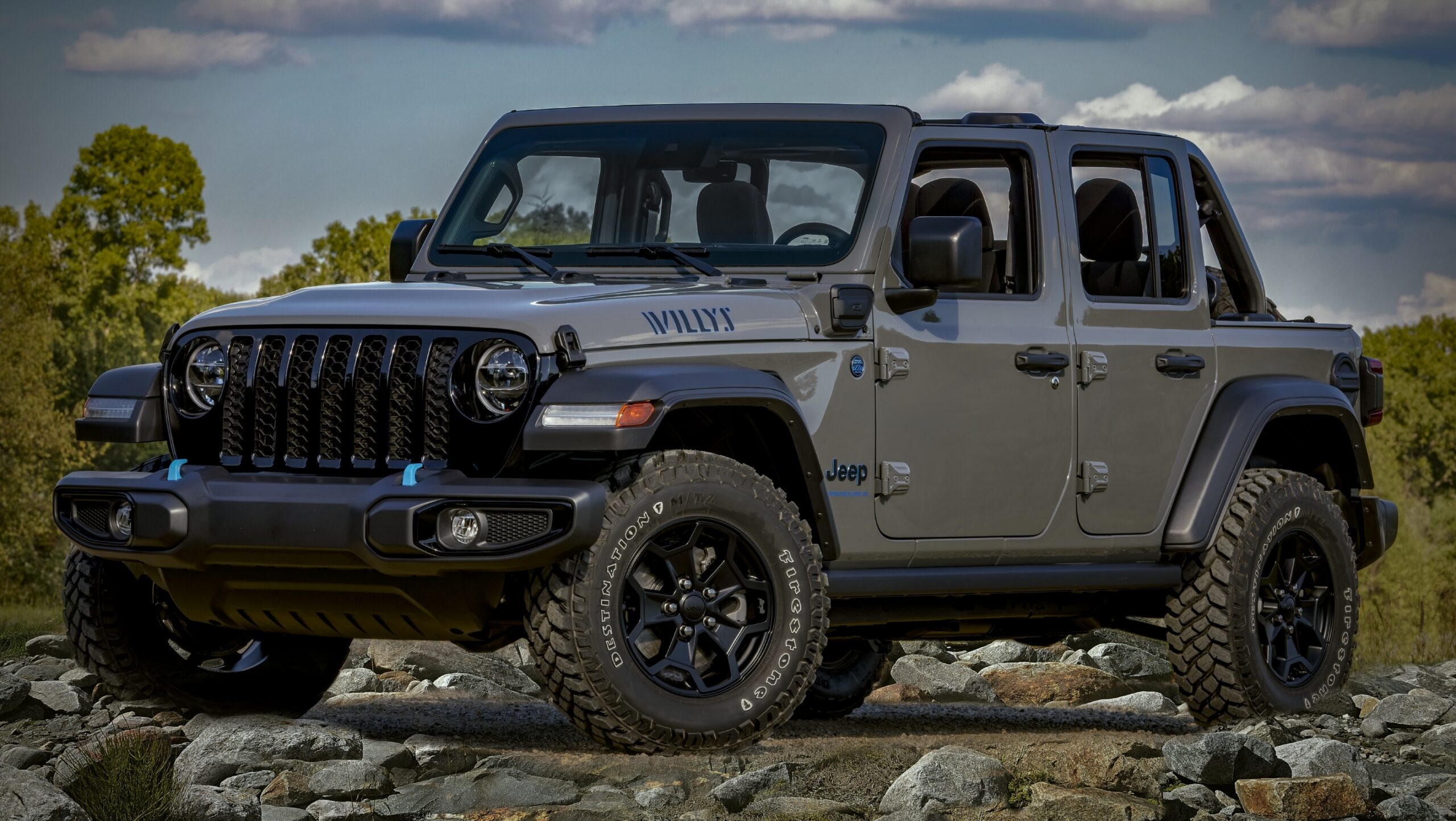
- Enhanced Off-Road Performance: Larger tires with aggressive tread patterns provide increased ground clearance, improved traction in mud, sand, and rocks, and better overall off-road capability. A well-chosen package can transform your Jeep into a true trail conqueror.
- Improved On-Road Handling: While primarily known for their off-road prowess, Jeeps can also benefit from upgraded tires on the pavement. Wider tires and performance-oriented rims can improve handling, stability, and braking performance on paved roads.
- Aggressive Aesthetics: Rims and tires are a significant part of your Jeep's overall look. Upgrading to a stylish set of rims and beefy tires can dramatically enhance its appearance, giving it a more rugged, aggressive, and personalized aesthetic.
- Increased Load Capacity: Upgraded tires often have a higher load rating than stock tires, allowing you to carry more gear, passengers, or even tow heavier loads with confidence.
- Simplified Installation: Packages are designed for direct fitment, eliminating the guesswork and potential headaches associated with mixing and matching different rims and tires.
- Potential Cost Savings: Purchasing a rims and tire package can sometimes be more cost-effective than buying the components separately, especially when considering discounts and bundled deals.
Choosing the Right Jeep Rims and Tire Package: Key Considerations
Selecting the ideal rims and tire package for your Jeep requires careful consideration of several factors. Here's a step-by-step guide to help you make the right choice:

-
Determine Your Jeep Model and Year: This is crucial for ensuring proper fitment. Different Jeep models and years have varying wheel bolt patterns, offset requirements, and tire size limitations.
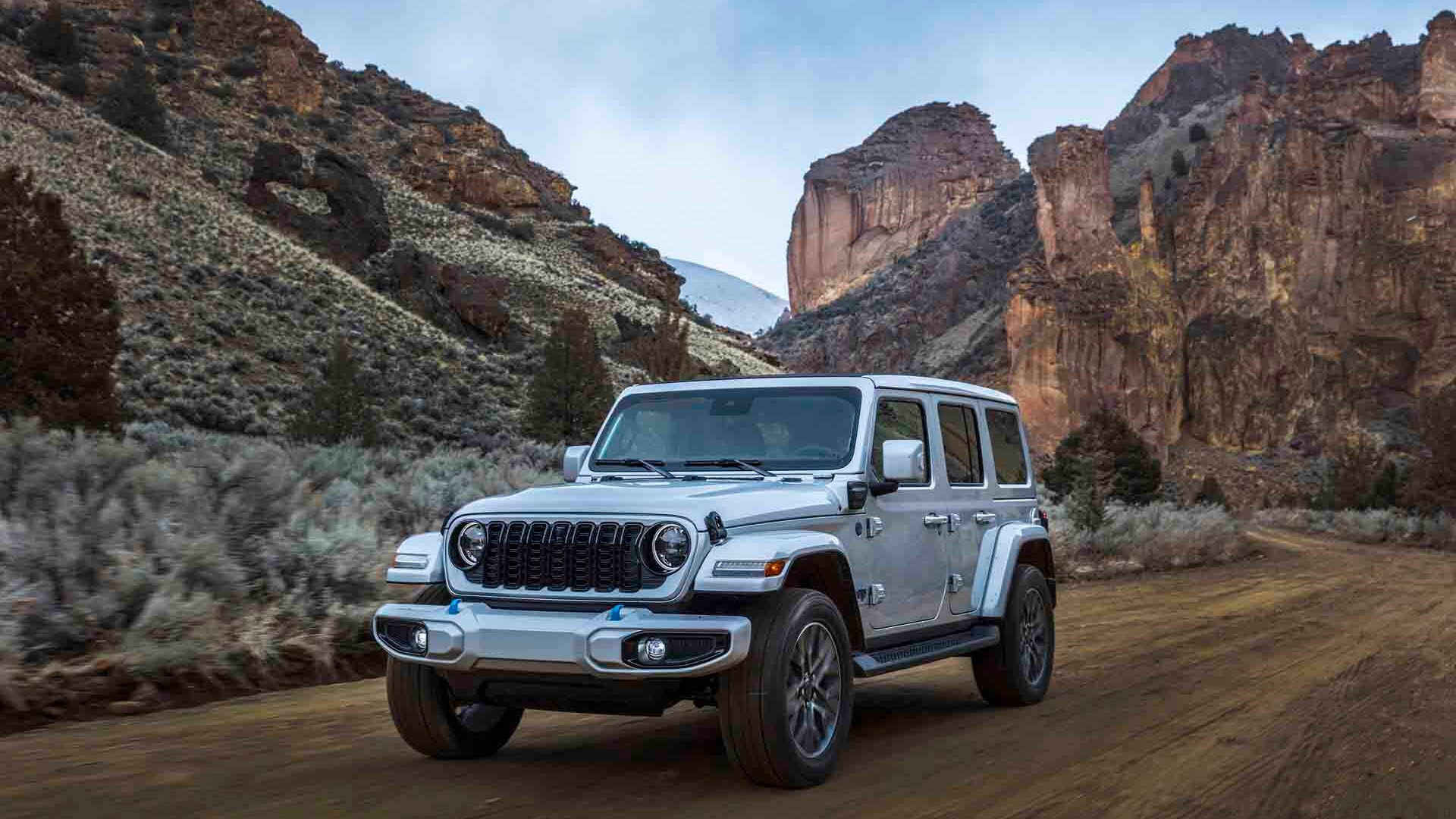
Define Your Driving Style and Needs: Are you primarily an on-road driver who occasionally ventures off the beaten path, or are you a hardcore off-roader who spends most of your time on trails? This will dictate the type of tires and rims you should choose.
-
Consider Tire Size and Lift: Upgrading to larger tires often requires a lift kit to provide adequate clearance and prevent rubbing. Determine whether you want to install a lift kit and, if so, how much lift you need to accommodate your desired tire size. Remember to check local regulations regarding maximum tire size and vehicle height.
-
Understand Tire Types: Different tire types are designed for specific purposes. Here's a brief overview:
- All-Season Tires: Versatile tires that provide a good balance of on-road comfort, wet traction, and light snow performance.
- All-Terrain Tires: A good compromise between on-road and off-road performance. They offer better traction in dirt, gravel, and mud than all-season tires while still providing decent on-road comfort.
- Mud-Terrain Tires: Designed for extreme off-road conditions, with aggressive tread patterns that excel in mud, rocks, and sand. However, they can be noisy and less comfortable on the road.
- Rock Crawling Tires: Specialized tires designed for rock crawling, with extremely durable sidewalls and aggressive tread patterns.
-
Choose Your Rim Size and Style: Rim size affects the overall appearance and performance of your Jeep. Larger rims can improve handling and aesthetics, but they may also reduce ride comfort and increase the risk of damage on rough terrain. Consider the following rim styles:
- Steel Rims: Durable and affordable, ideal for off-road use where scratches and dents are likely.
- Aluminum Alloy Rims: Lighter than steel rims, offering improved fuel economy and handling. They come in a variety of styles and finishes.
- Beadlock Rims: Designed for extreme off-road use, allowing you to run very low tire pressures without the risk of de-beading (the tire coming off the rim).
-
Consider Offset and Backspacing: Offset and backspacing are critical measurements that determine how the rim sits within the wheel well. Incorrect offset or backspacing can cause rubbing issues, affect handling, and even damage your Jeep's suspension components. Consult with a tire professional or use an online fitment guide to ensure proper offset and backspacing for your Jeep.
-
Read Reviews and Seek Recommendations: Before making a purchase, research different rims and tire packages and read reviews from other Jeep owners. Seek recommendations from experienced off-roaders or online forums.
Installation: DIY vs. Professional
Installing a rims and tire package can be done yourself if you have the necessary tools and experience. However, it's generally recommended to have it done by a professional, especially if you're unfamiliar with tire mounting, balancing, and torque specifications. A professional installation will ensure proper fitment, balancing, and alignment, maximizing the performance and safety of your new rims and tires.
Potential Challenges and Solutions
- Rubbing Issues: Larger tires can rub against the fender liners, suspension components, or frame. Solutions include installing a lift kit, trimming the fender liners, or using wheel spacers.
- TPMS Compatibility: Tire Pressure Monitoring System (TPMS) sensors may need to be reprogrammed or replaced when installing new rims and tires.
- Speedometer Calibration: Larger tires can affect the accuracy of your speedometer. You may need to recalibrate your speedometer using a programmer or tuner.
- Increased Noise: Mud-terrain tires can be significantly louder than all-season or all-terrain tires. Consider this factor if you prioritize on-road comfort.
- Fuel Economy: Larger, heavier tires can negatively impact fuel economy.
Tips for Maintaining Your New Rims and Tires
- Regularly Check Tire Pressure: Maintain proper tire pressure to ensure optimal performance, fuel economy, and tire wear.
- Rotate Your Tires: Rotate your tires every 5,000-8,000 miles to promote even wear and extend their lifespan.
- Inspect for Damage: Regularly inspect your tires for cuts, bulges, or other damage.
- Clean Your Rims: Clean your rims regularly with a mild soap and water solution to remove dirt, brake dust, and other contaminants.
- Consider Tire Protection Products: Use tire shine or protectant to help prevent cracking and fading.
Table Price: Example Jeep Rims and Tire Packages
| Package Type | Tire Size | Rim Size (inches) | Rim Material | Estimated Price (USD) | Jeep Model Compatibility (Example) | Key Features |
|---|---|---|---|---|---|---|
| Entry-Level All-Terrain | 31x10.5R15 | 15x8 | Steel | $800 - $1200 | Jeep Wrangler TJ, YJ | Durable, affordable, good for light off-roading. |
| Mid-Range All-Terrain | 33x12.5R17 | 17x9 | Alloy | $1500 - $2500 | Jeep Wrangler JK, JL | Improved off-road traction, stylish appearance. |
| High-End Mud-Terrain | 35x12.5R17 | 17x9 | Alloy | $2500 - $4000 | Jeep Wrangler JK, JL, Gladiator | Aggressive tread, excellent mud and rock performance, requires lift kit. |
| Rock Crawling Package | 37x12.5R17 | 17x9 | Beadlock Alloy | $4000 - $6000+ | Jeep Wrangler JK, JL, Gladiator | Extreme off-road performance, prevents de-beading at low pressures, requires lift kit and potentially other modifications. |
| Overland/Touring | 265/70R17 | 17x8.5 | Alloy | $1800 - $3000 | Jeep Grand Cherokee WK2, Wrangler JL | Balanced on/off-road performance, comfortable ride, suitable for long-distance travel. |
Note: Prices are estimates and may vary depending on brand, retailer, and specific features. It's always best to get a quote from a reputable tire shop or online vendor.
Frequently Asked Questions (FAQ)
- Q: Will larger tires affect my gas mileage?
- A: Yes, larger and heavier tires can negatively impact fuel economy.
- Q: Do I need a lift kit to install larger tires?
- A: In most cases, yes. Larger tires typically require a lift kit to provide adequate clearance and prevent rubbing.
- Q: What is the best tire pressure for off-roading?
- A: Tire pressure for off-roading depends on the terrain and tire type. Lowering tire pressure increases traction on soft surfaces like sand and mud. Consult with experienced off-roaders or your tire manufacturer for specific recommendations.
- Q: How do I know if a rims and tire package will fit my Jeep?
- A: Consult with a tire professional or use an online fitment guide to ensure proper fitment. Consider your Jeep model, year, and any modifications you've made, such as a lift kit.
- Q: What is the difference between offset and backspacing?
- A: Offset is the distance from the wheel's mounting surface to its centerline. Backspacing is the distance from the wheel's mounting surface to the inner edge of the rim. Both measurements affect how the rim sits within the wheel well.
- Q: Can I install a rims and tire package myself?
- A: Yes, but it's generally recommended to have it done by a professional to ensure proper fitment, balancing, and alignment.
Conclusion
Upgrading your Jeep's rims and tires is a transformative experience that can significantly enhance its performance, appearance, and overall capability. By carefully considering your driving style, needs, and budget, you can choose the perfect rims and tire package to unlock your Jeep's full potential and conquer any terrain with confidence. Remember to do your research, seek professional advice, and enjoy the journey! Investing in a quality rims and tire package is an investment in your Jeep's performance and your own off-road adventures. So, get out there and explore the world!