Flatbed trucks, with their open, versatile platforms, are the workhorses of countless industries and personal projects. Unlike enclosed vans or box trucks, they offer unparalleled flexibility for hauling oversized, irregularly shaped, or heavy materials. But who exactly utilizes these adaptable vehicles? This comprehensive guide explores the diverse range of individuals and businesses that regularly rent flatbed trucks, delving into their specific needs and how flatbeds help them get the job done.
Introduction: The Ubiquitous Flatbed and Its Versatility
Who Rents Flatbed Trucks: A Comprehensive Guide
A flatbed truck is characterized by its flat, level "bed" without sides or a roof. This design allows for loading and unloading from all directions, making it ideal for transporting items that wouldn't fit easily – or at all – in other types of trucks. From construction materials to vehicles to specialized equipment, the flatbed truck is a go-to solution for moving goods of all shapes and sizes. This article will explore the various sectors and individuals who rely on flatbed truck rentals and the reasons behind their choice.
I. Construction Companies: Building the Foundation
Perhaps the most frequent renters of flatbed trucks are construction companies, both large and small. Their reliance stems from the need to transport a wide array of materials that are either too bulky, too heavy, or too awkwardly shaped for standard vehicles.
- Materials Transport: Construction companies use flatbeds to haul lumber, steel beams, pipes, concrete blocks, roofing materials, and other essential building supplies to job sites. The open bed allows for easy loading and unloading with forklifts or cranes, significantly speeding up the construction process.
- Equipment Hauling: Smaller machinery like generators, compressors, and jackhammers are frequently transported on flatbeds. Larger equipment, such as mini-excavators, skid steers, and trenchers, can also be hauled if the flatbed has sufficient weight capacity and proper tie-down points.
- Demolition Debris Removal: After demolition, flatbeds are invaluable for transporting debris like broken concrete, wood scraps, and metal to recycling centers or landfills.
II. Landscaping Businesses: Cultivating the Outdoors
Landscaping businesses also frequently turn to flatbed truck rentals to manage the unique demands of their work.
- Plant Material Transport: Trees, shrubs, and large potted plants are easily transported on flatbeds. The open air prevents overheating and allows for proper ventilation, keeping the plants healthy during transport.
- Equipment Hauling: Like construction companies, landscapers need to move equipment such as lawnmowers, tillers, and small tractors between job sites. Flatbeds provide a secure and convenient way to transport these items.
- Bulk Material Delivery: Flatbeds can be used to deliver bulk materials like mulch, gravel, and topsoil directly to customers' homes or businesses.
III. Farmers and Agricultural Workers: From Field to Market
The agricultural sector relies heavily on flatbed trucks for various tasks related to planting, harvesting, and transporting goods.
- Produce Transport: Farmers often use flatbeds to transport harvested crops, such as hay bales, pumpkins, and watermelons, from the field to storage facilities or markets.
- Equipment Transport: Agricultural equipment like tractors, plows, and harvesters can be moved between fields or to repair shops using flatbeds.
- Livestock Transport (Limited): While specialized trailers are more common for livestock, flatbeds can be used for short-distance transport of smaller animals or materials related to livestock management, such as fencing.

IV. Manufacturing and Industrial Sectors: Moving the Wheels of Industry
Manufacturing and industrial businesses require flatbed trucks for transporting raw materials, finished products, and specialized equipment.
- Raw Material Transport: Steel, aluminum, and other raw materials are often transported on flatbeds from suppliers to manufacturing plants.
- Finished Product Delivery: Manufactured goods, such as machinery parts, large components, and prefabricated structures, can be delivered to customers using flatbeds.
- Equipment Relocation: When factories or plants relocate or upgrade their equipment, flatbeds are essential for moving heavy machinery and industrial components.
V. Individuals: Tackling Home Projects and Personal Needs
Beyond commercial applications, individuals also rent flatbed trucks for various personal projects and needs.
- Moving Large Items: Individuals moving homes or apartments may rent a flatbed to transport large furniture, appliances, or building materials.
- Hauling Vehicles: If a car breaks down or needs to be transported for repairs, individuals may rent a flatbed truck for the task.
- DIY Projects: Homeowners undertaking landscaping projects, renovations, or construction work may rent a flatbed to haul materials like lumber, gravel, or appliances.
VI. Types of Flatbed Truck Rentals and Their Applications
The specific type of flatbed truck rented depends on the weight and dimensions of the load being transported. Common types include:
- Light-Duty Flatbeds: Ideal for hauling lighter loads, such as lumber, appliances, or small equipment. These are often based on pickup truck chassis.
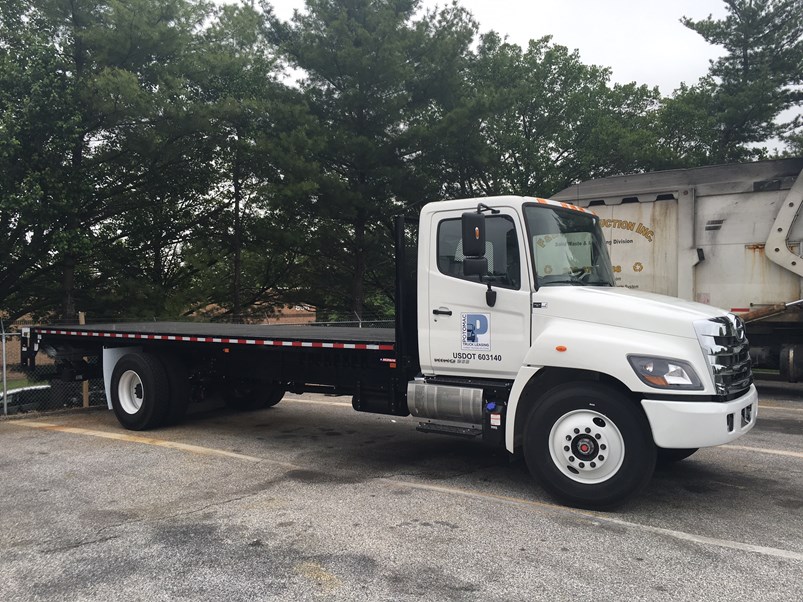
- Medium-Duty Flatbeds: Suitable for hauling heavier loads, such as construction materials, machinery, or vehicles.
- Heavy-Duty Flatbeds: Designed for transporting extremely heavy or oversized loads, such as steel beams, large machinery, or prefabricated structures. These often require special permits and escorts.
VII. Important Considerations When Renting a Flatbed Truck
Before renting a flatbed truck, consider the following factors:
- Weight Capacity: Ensure the truck's weight capacity is sufficient for the load you intend to transport. Overloading a truck can be dangerous and illegal.
- Bed Dimensions: Measure the dimensions of the items you need to haul to ensure they will fit on the flatbed.
- Tie-Down Points: Verify that the flatbed has adequate tie-down points for securing the load.
- Rental Company Policies: Understand the rental company's policies regarding insurance, mileage, and return procedures.
- Driver's License Requirements: Ensure you have the appropriate driver's license for the type of flatbed truck you are renting.
VIII. Tips for Safe and Efficient Flatbed Truck Operation
- Secure the Load Properly: Use straps, chains, or other appropriate tie-down devices to secure the load. Distribute the weight evenly and avoid overloading the truck.
- Check Tie-Downs Regularly: Before and during transport, check the tie-downs to ensure they are secure.
- Drive Carefully: Adjust your driving speed and style to account for the weight and size of the load.
- Follow Traffic Laws: Obey all traffic laws and regulations, including speed limits and weight restrictions.
IX. Potential Challenges and Solutions
- Securing the Load: Properly securing a load can be challenging, especially with irregularly shaped items. Solution: Use a variety of tie-down methods and consult with experienced professionals if needed.
- Overloading the Truck: Overloading can damage the truck and create a safety hazard. Solution: Carefully calculate the weight of the load and choose a truck with adequate weight capacity.
- Inclement Weather: Rain, snow, and wind can make transporting loads on a flatbed more difficult. Solution: Use tarps to protect the load from the elements and adjust your driving speed accordingly.
X. Frequently Asked Questions (FAQ)
- Q: What type of driver's license do I need to rent a flatbed truck?
- A: It depends on the gross vehicle weight rating (GVWR) of the truck. Generally, a standard driver's license is sufficient for lighter-duty flatbeds. However, heavier trucks may require a Commercial Driver's License (CDL). Check with the rental company and your local DMV for specific requirements.
- Q: How much does it cost to rent a flatbed truck?
- A: Rental costs vary depending on the size of the truck, the rental duration, and the rental company. Expect to pay anywhere from $75 to $300 per day, plus mileage fees.
- Q: What kind of insurance do I need?
- A: The rental company will typically offer insurance options. You should also check with your own insurance provider to see if your policy covers rental trucks.
- Q: Can I use a flatbed truck to transport hazardous materials?
- A: Transporting hazardous materials requires special permits and training. Check with the rental company and relevant regulatory agencies for specific requirements.
Conclusion: The Flatbed's Enduring Role in Commerce and Personal Projects
From construction sites to farms to individual homeowners, the flatbed truck remains an indispensable tool for moving goods and materials. Its versatility, open design, and ability to handle heavy loads make it a go-to solution for a wide range of applications. By understanding the different types of flatbed trucks, the considerations for safe operation, and the potential challenges involved, renters can maximize the benefits of these adaptable vehicles and ensure their projects are completed safely and efficiently. As industries continue to evolve and personal needs arise, the flatbed truck will undoubtedly maintain its crucial role in facilitating commerce and enabling individuals to tackle ambitious projects.
Table: Flatbed Truck Rental Price Comparison
| Feature/Factor | Light-Duty Flatbed (e.g., Pickup Truck Based) | Medium-Duty Flatbed (e.g., F-350 Based) | Heavy-Duty Flatbed (e.g., Semi-Tractor Based) |
|---|---|---|---|
| Typical Uses | Small material hauling, appliance moving, light equipment | Construction materials, larger equipment, vehicle transport | Heavy machinery, steel beams, prefabricated structures |
| Weight Capacity (Approx.) | 1,000 - 3,000 lbs | 3,000 - 10,000 lbs | 10,000+ lbs |
| Daily Rental Cost (Approx.) | $75 - $150 | $150 - $250 | $250 - $500+ |
| Mileage Fee (Approx.) | $0.25 - $0.50 per mile | $0.50 - $0.75 per mile | $0.75 - $1.25+ per mile |
| Driver's License | Standard License (Typically) | Standard License (May require CDL) | Commercial Driver's License (CDL) Required |
| Insurance | Typically included, options for upgrades | Typically included, options for upgrades | Typically included, options for upgrades |
| Ease of Use | Relatively easy to drive and maneuver | Requires more experience and caution | Requires significant experience and skill |
| Availability | Widely available | Moderately available | Less readily available |
| Common Renters | Individuals, small businesses | Construction companies, landscapers, farmers | Industrial companies, specialized transporters |
Note: Prices are approximate and can vary significantly based on location, rental company, demand, and additional features.