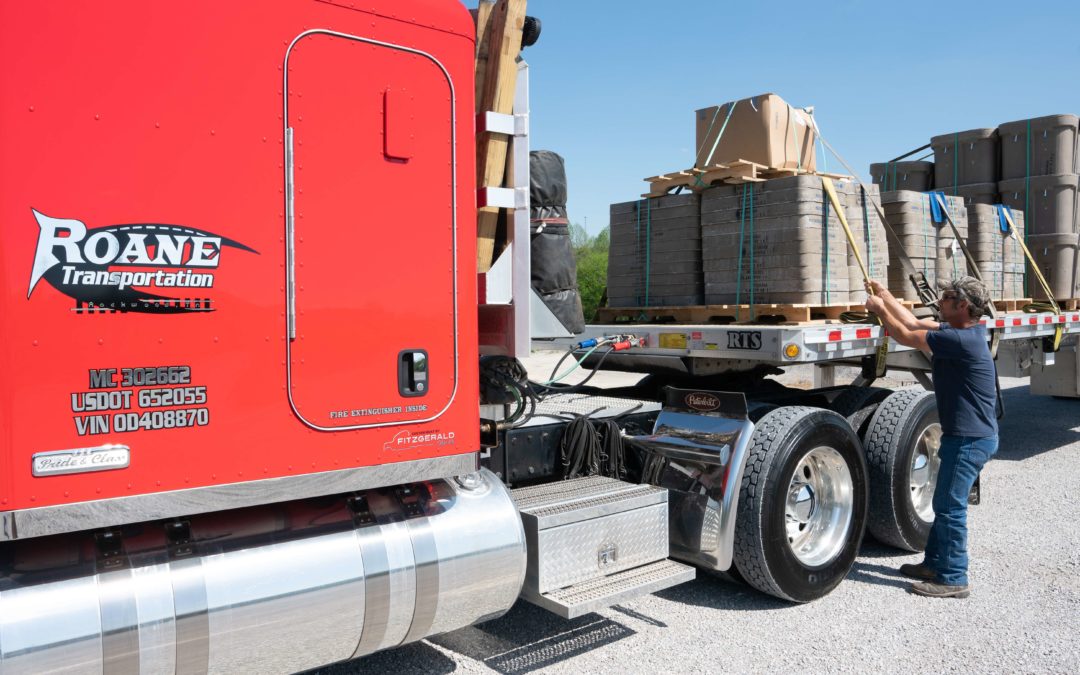
Flatbed trucking is a demanding profession. Unlike drivers hauling enclosed trailers, flatbedders are constantly exposed to the elements and required to perform physically strenuous tasks like securing loads with chains, straps, and tarps. Protecting your hands is crucial not only for comfort but also for safety and long-term health. The right gloves can significantly reduce the risk of cuts, abrasions, impacts, and weather-related discomfort, allowing you to perform your duties efficiently and safely. This comprehensive guide will explore the best gloves for flatbed truck drivers, covering key considerations, types, and providing practical advice to help you choose the perfect pair for your needs.
Why Gloves Matter: More Than Just Warmth
Best Gloves For Flatbed Truck Drivers: A Comprehensive Guide
Gloves for flatbed truck drivers aren't just about keeping your hands warm in the winter. They are essential personal protective equipment (PPE) that protects against a multitude of hazards inherent in the job. Think about the tasks involved:
- Securing Loads: Handling heavy chains, straps, and binders can cause cuts, abrasions, and even crush injuries.
- Tarping: Wrestling with large tarps in windy conditions can lead to friction burns and hand fatigue.
- Weather Exposure: Rain, snow, and extreme temperatures can cause discomfort, frostbite, and reduced dexterity.
- General Wear and Tear: Constant use of tools and equipment puts a strain on your hands, leading to calluses and potential injuries.
Investing in a good pair of gloves is an investment in your well-being and productivity. It allows you to work comfortably and safely, reducing the risk of injury and improving your overall performance.
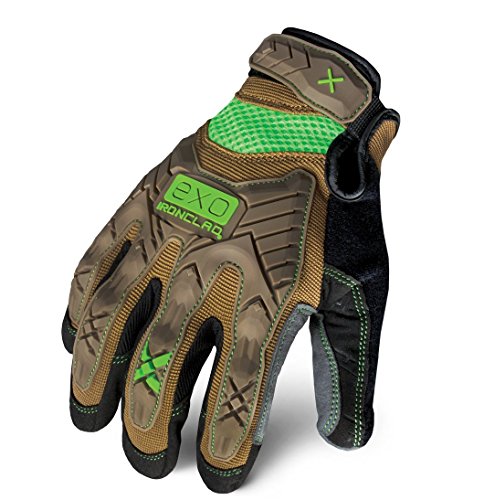
Key Considerations When Choosing Gloves
Before diving into specific glove types, it's important to consider these factors to narrow down your options:
- Protection Level: Evaluate the level of protection needed based on the tasks you frequently perform. Consider cut resistance, impact protection, and abrasion resistance.
- Material: Different materials offer varying levels of durability, flexibility, and weather resistance. Common materials include leather, synthetic leather, nitrile, and specialized blends.
- Fit and Dexterity: Gloves should fit snugly but not restrict movement. Poorly fitting gloves can reduce dexterity and increase the risk of accidents.
- Weather Conditions: Choose gloves appropriate for the climate you typically operate in. Consider insulated gloves for cold weather and breathable gloves for hot weather.
- Durability: Flatbed work is hard on gloves, so choose a pair that can withstand constant use and exposure to the elements. Look for reinforced stitching and durable materials.
- Grip: Good grip is essential for handling chains, straps, and tools safely. Look for gloves with textured palms or specialized grip coatings.
- Comfort: Comfort is key for long days on the road. Look for gloves with features like padded palms, adjustable cuffs, and breathable materials.
- Cost: While it's tempting to opt for the cheapest option, remember that quality and durability are worth the investment. A good pair of gloves will last longer and provide better protection.

Types of Gloves for Flatbed Truck Drivers
Here's a breakdown of common glove types and their suitability for flatbed work:
-
Leather Gloves: A classic choice for general-purpose work. Leather is durable, provides good abrasion resistance, and conforms to the shape of your hand over time. Look for gloves made from high-quality leather like goatskin or deerskin for optimal comfort and dexterity.
- Pros: Durable, good abrasion resistance, breathable, comfortable.
- Cons: Can be expensive, may not be waterproof, requires occasional conditioning.
-
Synthetic Leather Gloves: A more affordable and often vegan-friendly alternative to leather. Synthetic leather offers good abrasion resistance and is often more resistant to water and chemicals.
- Pros: Affordable, good abrasion resistance, often water-resistant, durable.
- Cons: May not be as breathable as leather, can feel less natural.
-
Cut-Resistant Gloves: Essential for handling chains and straps. These gloves are made with materials like Kevlar or Dyneema to protect against cuts and lacerations.
- Pros: Excellent cut protection, durable, often lightweight.
- Cons: Can be less flexible than other types, may not be suitable for all tasks.
-
Impact-Resistant Gloves: Designed to protect against impacts and vibrations. These gloves often feature padding or reinforced knuckles and palms.
- Pros: Excellent impact protection, reduces hand fatigue, durable.
- Cons: Can be bulky, may reduce dexterity.
-
Waterproof/Insulated Gloves: Essential for working in cold and wet conditions. These gloves feature waterproof membranes and insulation to keep your hands warm and dry.
- Pros: Protects against cold and wet weather, keeps hands warm and dry.
- Cons: Can be bulky, may reduce dexterity, can be expensive.
-
Mechanic's Gloves: Lightweight and flexible gloves designed for tasks requiring fine motor skills. They often feature reinforced fingertips and textured palms for enhanced grip.
- Pros: Excellent dexterity, lightweight, good grip.
- Cons: May not offer as much protection as other types.
Practical Advice and Actionable Insights
- Try Before You Buy: Whenever possible, try on gloves before purchasing to ensure a comfortable and secure fit.
- Consider Layering: In extremely cold weather, consider layering thin liner gloves under thicker work gloves for added warmth.
- Proper Maintenance: Clean and condition your gloves regularly to prolong their lifespan. Leather gloves should be conditioned with leather conditioner to prevent them from drying out and cracking.
- Carry Multiple Pairs: Keep a spare pair of gloves in your truck in case your primary pair gets wet or damaged.
- Replace Worn Gloves: Don't wait until your gloves are completely worn out before replacing them. Replace them as soon as you notice signs of wear and tear, such as holes, tears, or reduced grip.
- Match the Glove to the Task: Choose the appropriate glove for the specific task you are performing. Don't use mechanic's gloves when handling heavy chains, and don't use bulky insulated gloves when you need fine motor skills.
- Consider Touchscreen Compatibility: Many modern gloves feature touchscreen-compatible fingertips, allowing you to use your smartphone or tablet without removing your gloves.
Potential Challenges and Solutions
- Sweaty Hands: Working in hot weather can cause your hands to sweat, making gloves uncomfortable and slippery. Look for gloves with breathable materials or consider using absorbent glove liners.
- Reduced Dexterity: Bulky gloves can reduce dexterity, making it difficult to perform tasks requiring fine motor skills. Choose gloves that offer a good balance of protection and dexterity, or consider using mechanic's gloves for tasks that require precision.
- Premature Wear: Constant use and exposure to the elements can cause gloves to wear out quickly. Choose durable gloves made from high-quality materials and maintain them properly to prolong their lifespan.
- Finding the Right Fit: Finding gloves that fit properly can be challenging, especially if you have large or small hands. Look for gloves that are available in a wide range of sizes and consider trying them on before purchasing.
Glove Care Tips:
- Cleaning: Clean your gloves regularly with mild soap and water. Avoid using harsh chemicals or detergents, as they can damage the materials.
- Drying: Allow your gloves to air dry completely after cleaning or getting wet. Avoid using a dryer, as the heat can damage the materials.
- Conditioning: Leather gloves should be conditioned regularly with leather conditioner to prevent them from drying out and cracking.
- Storage: Store your gloves in a cool, dry place away from direct sunlight.
Price Table for Best Gloves For Flatbed Truck Drivers
| Glove Type | Brand Example | Material | Features | Approx. Price |
|---|---|---|---|---|
| Leather Work Gloves | Wells Lamont 1132L | Grain Cowhide | Reinforced palm, Keystone thumb, Adjustable wrist | $25 - $40 |
| Synthetic Leather Gloves | Mechanix Wear M-Pact | Synthetic Leather | Impact protection, Touchscreen compatible, Reinforced fingertips | $30 - $45 |
| Cut-Resistant Gloves | Ironclad Cut 5 | HPPE/Steel Blend | ANSI Cut Level A5, Durable, Breathable | $20 - $35 |
| Impact-Resistant Gloves | PIP G-Tek MaxiFlex Endurance | Nitrile coated palm | Vibration dampening, Excellent grip, Breathable back | $25 - $40 |
| Waterproof/Insulated Gloves | Carhartt Insulated Work Glove | Synthetic/Polyester | Waterproof membrane, Insulated lining, Adjustable cuff | $40 - $60 |
| Mechanic's Gloves | Gloveworks HD Orange Nitrile | Nitrile | Textured grip, Puncture resistant, Chemical resistant | $20 - $30 |
Frequently Asked Questions (FAQ)
-
Q: How often should I replace my work gloves?
- A: Replace your gloves as soon as you notice signs of wear and tear, such as holes, tears, or reduced grip. The frequency of replacement will depend on the type of gloves you use and the intensity of your work.
-
Q: Are leather gloves better than synthetic leather gloves?
- A: Both leather and synthetic leather gloves have their advantages and disadvantages. Leather gloves are generally more durable and breathable, but they can be more expensive and require more maintenance. Synthetic leather gloves are more affordable and often more water-resistant, but they may not be as breathable or comfortable as leather.
-
Q: What are the best gloves for working in cold weather?
- A: Waterproof and insulated gloves are the best choice for working in cold weather. Look for gloves with a waterproof membrane and an insulated lining to keep your hands warm and dry.
-
Q: How do I clean my work gloves?
- A: Clean your work gloves regularly with mild soap and water. Avoid using harsh chemicals or detergents, as they can damage the materials. Allow your gloves to air dry completely after cleaning.
-
Q: What does "cut-resistant" mean?
- A: Cut-resistant gloves are made with materials that resist cuts and lacerations. The level of cut resistance is measured using the ANSI cut level standard. A higher cut level indicates a greater level of protection.
Conclusion
Choosing the best gloves for flatbed truck driving requires careful consideration of your specific needs and the hazards you face on the road. By understanding the different types of gloves available, considering the key factors discussed in this guide, and following the practical advice provided, you can find the perfect pair to protect your hands, improve your productivity, and ensure your safety. Remember, investing in a good pair of gloves is an investment in your well-being and career. Prioritize safety and comfort, and your hands will thank you for it.