Introduction: Optimizing Your Landscape Truck for Success
In the competitive landscape (pun intended!) of the landscaping industry, efficiency is paramount. Time is money, and a well-organized, properly equipped truck can be the difference between a profitable day and a frustrating one. The "Best Landscape Truck Setup" isn't a one-size-fits-all solution; it's about tailoring your vehicle to your specific needs, the types of jobs you typically undertake, and your overall operational style. This guide provides a comprehensive overview of how to optimize your landscape truck, covering everything from essential equipment and organization strategies to safety considerations and cost-effective solutions. By investing time and effort into creating the ideal setup, you'll boost productivity, reduce downtime, and ultimately, increase your bottom line.
Best Landscape Truck Setup: A Comprehensive Guide to Efficiency and Productivity
Section 1: Choosing the Right Truck: The Foundation of Your Mobile Business
The foundation of any great landscape truck setup is, well, the truck itself! Selecting the right vehicle is a crucial first step. Here's what to consider:
- Truck Size and Capacity: Match the truck size to your typical job volume. A small pickup might suffice for basic lawn maintenance, but larger projects involving tree work, hardscaping, or extensive planting will require a heavier-duty truck, possibly with a dump bed or trailer.
- Payload Capacity: Understand the truck's payload capacity (the maximum weight it can safely carry). Overloading is dangerous and illegal. Factor in the weight of all equipment, materials, and even passengers.
- Towing Capacity: If you plan to tow equipment like skid steers, excavators, or chippers, ensure the truck has sufficient towing capacity. Check the Gross Combined Weight Rating (GCWR) to understand the total weight the truck can handle, including the trailer and its load.
- Fuel Efficiency: Fuel costs can significantly impact profitability. Consider diesel engines for heavier loads and improved fuel economy, especially if you're covering long distances. Hybrid and electric options are emerging but might have limitations in terms of towing capacity and range.
- Bed Configuration: Decide whether a standard bed, a flatbed, or a dump bed is best suited for your needs. Dump beds are invaluable for hauling and unloading bulk materials like mulch, soil, and gravel.
- New vs. Used: Weigh the pros and cons of buying a new truck versus a used one. New trucks come with warranties and the latest features, but used trucks can offer significant cost savings. Thoroughly inspect any used truck before purchasing it, paying attention to engine condition, transmission, suspension, and frame.
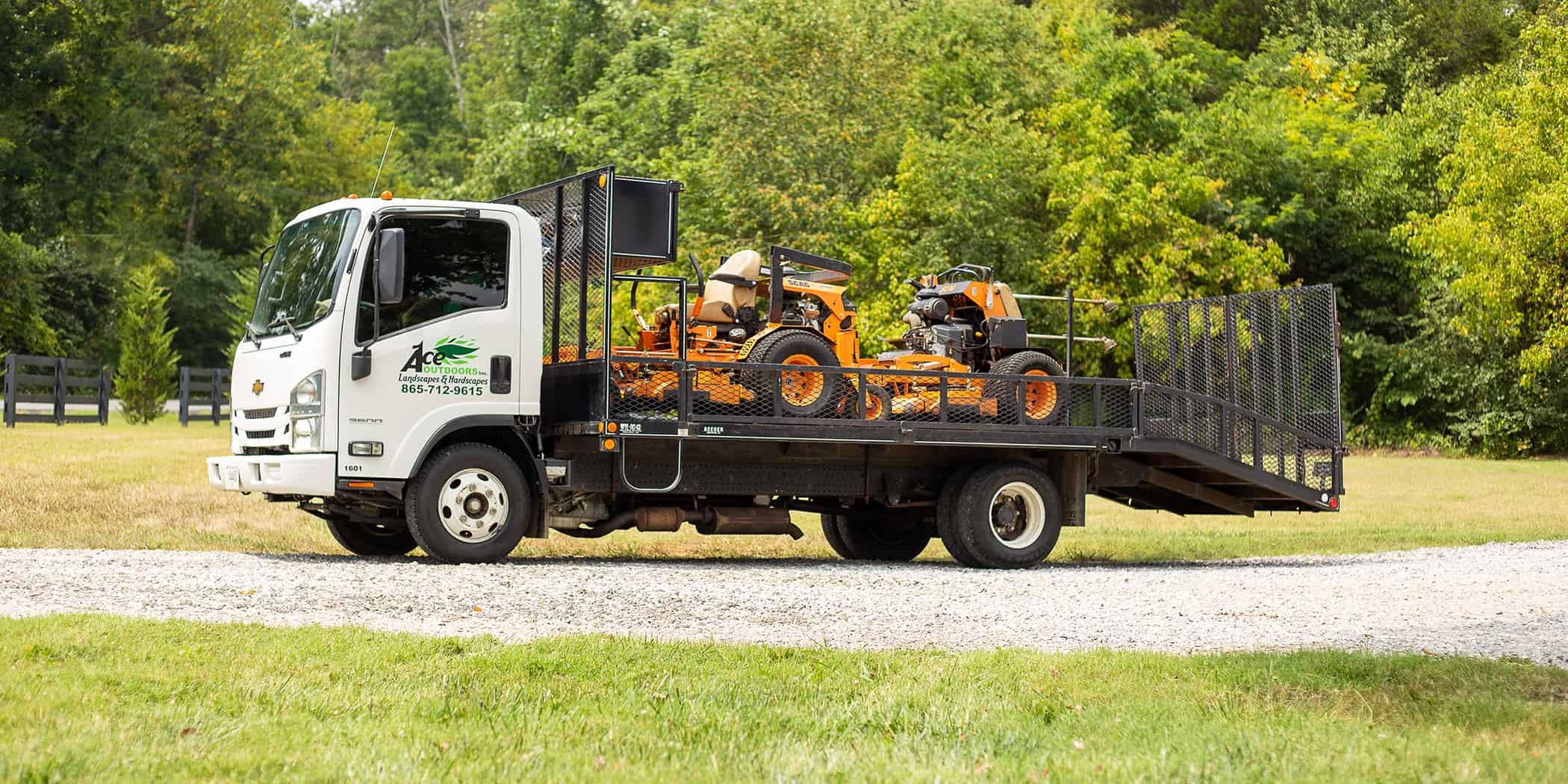
Section 2: Essential Equipment: Equipping Your Truck for Success
Once you have the right truck, it's time to equip it with the tools of the trade. Here's a list of essential equipment:
- Lawn Mowers: Choose the right type of mower based on your typical lawn sizes and terrain. Options include walk-behind mowers, riding mowers, zero-turn mowers, and robotic mowers.
- String Trimmers (Weed Eaters): Essential for edging and trimming around obstacles. Consider battery-powered models for quieter operation and reduced emissions.
- Leaf Blowers: Powerful blowers are crucial for clearing leaves and debris. Backpack blowers offer greater power and mobility.
- Edgers: Create clean, defined edges along sidewalks and driveways.
- Hedge Trimmers: Maintain hedges and shrubs with precision.
- Chain Saws: For tree pruning and removal. Prioritize safety features and proper training.
- Hand Tools: Shovels, rakes, spades, pruners, loppers, and hand saws are essential for planting, digging, and general landscaping tasks.
- Wheelbarrows: Transport materials like soil, mulch, and plants.
- Sprayers: Apply herbicides, pesticides, and fertilizers.
- Safety Equipment: Safety glasses, gloves, hearing protection, and sturdy work boots are non-negotiable. Consider high-visibility clothing for working near roads.
- First-Aid Kit: Be prepared for minor injuries with a well-stocked first-aid kit.
- Tie-Down Straps and Bungees: Secure equipment and materials during transport.
- Fuel Cans: Transport fuel safely and legally.


Section 3: Organization and Storage: Maximizing Space and Efficiency
A disorganized truck is a time-wasting truck. Implement these organization strategies:
- Tool Racks and Holders: Secure tools like shovels, rakes, and trimmers to prevent them from rolling around and getting damaged.
- Shelving Units: Install shelving to store smaller items like hand tools, spray bottles, and spare parts.
- Cargo Nets and Bungee Cords: Secure loose items and prevent them from shifting during transport.
- Weatherproof Toolboxes: Protect tools from the elements and theft.
- Parts Bins: Organize nuts, bolts, screws, and other small parts in labeled bins.
- Ladder Racks: Safely transport ladders on the roof of the truck.
- Trailer Organization: If you use a trailer, implement similar organization strategies within the trailer.
- Labeling: Label everything clearly to make it easy to find what you need.
- Regular Cleaning: Keep the truck clean and organized to prevent clutter and maintain a professional appearance.
Section 4: Safety Considerations: Prioritizing a Safe Work Environment
Safety should always be a top priority. Here are some key safety considerations for your landscape truck setup:
- Secure Loads: Properly secure all equipment and materials to prevent them from shifting or falling off the truck.
- Regular Maintenance: Keep the truck and all equipment in good working order. Perform regular maintenance checks and address any issues promptly.
- Proper Training: Ensure all employees are properly trained on the safe operation of all equipment.
- Personal Protective Equipment (PPE): Enforce the use of appropriate PPE, including safety glasses, gloves, hearing protection, and work boots.
- Load Limits: Never exceed the truck's payload or towing capacity.
- DOT Regulations: Comply with all Department of Transportation (DOT) regulations, including licensing, registration, and hours of service requirements.
- Emergency Procedures: Develop and practice emergency procedures, including what to do in case of an accident or injury.
Section 5: Cost-Effective Solutions: Maximizing Your Budget
Creating an efficient landscape truck setup doesn't have to break the bank. Here are some cost-effective solutions:
- Buy Used Equipment: Consider purchasing used equipment in good condition.
- DIY Storage Solutions: Build your own tool racks and shelving units.
- Shop Around for the Best Deals: Compare prices from different suppliers before making a purchase.
- Prioritize Essential Equipment: Focus on purchasing the most essential equipment first and gradually add more as your business grows.
- Regular Maintenance: Prevent costly repairs by performing regular maintenance on your truck and equipment.
Section 6: Dump Truck vs. Trailer: Which is Right for You?
A key decision is whether to use a dump truck or a trailer for hauling materials.
- Dump Truck: Offers the convenience of self-unloading, saving time and labor. Ideal for frequent deliveries of bulk materials. More expensive upfront. Can be less maneuverable in tight spaces.
- Trailer: More versatile, allowing you to haul a variety of equipment and materials. Can be detached from the truck when not needed. Less expensive than a dump truck. Requires more time and effort to load and unload materials. Requires a truck with adequate towing capacity.
Section 7: Technology Integration: Leveraging Technology for Efficiency
Technology can play a significant role in optimizing your landscape truck setup:
- GPS Tracking: Track your truck's location and monitor driver behavior.
- Mobile Apps: Use mobile apps for scheduling, invoicing, and communication.
- Equipment Management Software: Track equipment maintenance schedules and inventory.
- Telematics: Monitor vehicle performance and identify potential maintenance issues.
Section 8: Legal and Regulatory Compliance: Staying on the Right Side of the Law
Ensure you comply with all applicable laws and regulations, including:
- Commercial Driver's License (CDL): Determine if you need a CDL based on the truck's weight and the type of materials you're hauling.
- DOT Regulations: Comply with all DOT regulations, including licensing, registration, and hours of service requirements.
- Equipment Safety Standards: Ensure all equipment meets applicable safety standards.
- Environmental Regulations: Comply with all environmental regulations related to fuel storage, waste disposal, and pesticide application.
Table: Landscape Truck Setup Price Guide
| Item | Description | Estimated Price Range |
|---|---|---|
| Truck (Used Pickup) | Reliable used pickup truck with good payload and towing capacity | $15,000 - $30,000 |
| Truck (New Pickup) | Brand new pickup truck with warranty and modern features | $35,000 - $60,000+ |
| Dump Bed Conversion | Installation of a dump bed on an existing truck | $5,000 - $10,000 |
| Trailer (Utility) | Open utility trailer for hauling equipment and materials | $2,000 - $5,000 |
| Trailer (Dump) | Dump trailer for easy unloading of bulk materials | $6,000 - $12,000 |
| Lawn Mower (Walk-Behind) | Standard gas-powered walk-behind mower | $400 - $800 |
| Lawn Mower (Zero-Turn) | High-efficiency zero-turn mower for large properties | $3,000 - $8,000+ |
| String Trimmer | Gas or battery-powered string trimmer for edging | $100 - $300 |
| Leaf Blower | Backpack leaf blower for clearing debris | $200 - $500 |
| Hand Tools (Set) | Shovels, rakes, spades, pruners, etc. | $100 - $300 |
| Toolboxes | Weatherproof toolboxes for secure storage | $200 - $500 |
| Tie-Down Straps | Heavy-duty tie-down straps for securing loads | $50 - $100 |
| Safety Gear | Safety glasses, gloves, hearing protection, boots | $100 - $200 |
| Ladder Rack | Roof-mounted ladder rack for transporting ladders | $150 - $300 |
| GPS Tracking System | Real-time GPS tracking for vehicle monitoring | $20 - $50 per month |
Note: Prices are estimates and may vary depending on brand, features, and location.
FAQ: Frequently Asked Questions About Landscape Truck Setup
-
Q: What's the most important factor to consider when choosing a landscape truck?
- A: Payload capacity and towing capacity are crucial. Make sure the truck can handle the weight of your equipment and materials without being overloaded.
-
Q: Is it better to buy a dump truck or use a trailer?
- A: It depends on your needs and budget. Dump trucks are more convenient for unloading bulk materials, but trailers are more versatile and affordable.
-
Q: How can I maximize space in my landscape truck?
- A: Use tool racks, shelving units, and cargo nets to organize your equipment and materials.
-
Q: What safety equipment is essential for a landscape truck setup?
- A: Safety glasses, gloves, hearing protection, sturdy work boots, and high-visibility clothing are essential.
-
Q: How often should I perform maintenance on my landscape truck and equipment?
- A: Follow the manufacturer's recommended maintenance schedule for your truck and equipment. Perform regular inspections and address any issues promptly.
Conclusion: Investing in Efficiency for Long-Term Success
The "Best Landscape Truck Setup" is an ongoing process of refinement and optimization. By carefully considering your needs, investing in the right equipment, and implementing effective organization strategies, you can create a mobile workspace that boosts productivity, reduces downtime, and enhances your overall efficiency. Remember to prioritize safety, stay compliant with regulations, and leverage technology to gain a competitive edge. Ultimately, a well-organized and properly equipped landscape truck is an investment in the long-term success of your business. Embrace the journey of optimizing your truck, and watch your efficiency and profitability soar!