Construction is a demanding industry, reliant on robust and reliable machinery to move materials, transport personnel, and conquer challenging terrains. At the heart of this operation lies the construction truck, the unsung hero that keeps projects moving forward. But with a vast array of options available, choosing the "best" construction truck can feel like navigating a minefield. This article aims to be your compass, guiding you through the landscape of construction trucks and helping you identify the right workhorse for your specific needs. We'll explore different types, essential features, considerations for choosing the perfect vehicle, and even tackle some common questions.
What Makes a Construction Truck "Best"?
The Titans of Terrain: A Guide to the Best Construction Trucks for Any Job
The term "best" is subjective and depends entirely on the application. A small landscaping company will have vastly different needs than a large-scale civil engineering firm. However, certain qualities are universally desirable in a construction truck:
- Durability and Reliability: Construction sites are notoriously harsh environments. A truck needs to withstand rough terrain, heavy loads, and constant use.
- Payload Capacity: The truck's ability to carry significant weight is paramount for transporting materials like gravel, concrete, and equipment.
- Power and Performance: A powerful engine and capable drivetrain are essential for navigating challenging terrain and hauling heavy loads.
- Safety Features: Protecting drivers and other workers is crucial. Modern safety features like lane departure warning, automatic emergency braking, and blind-spot monitoring are increasingly important.
- Fuel Efficiency: While often secondary to power, fuel efficiency can significantly impact operating costs over the lifespan of the truck.
- Maintenance and Repair: Easy access to parts and reliable service networks are critical for minimizing downtime.
- Versatility: The ability to adapt to different tasks, through features like adjustable suspensions, interchangeable beds, or PTO (Power Take-Off) capabilities, adds significant value.
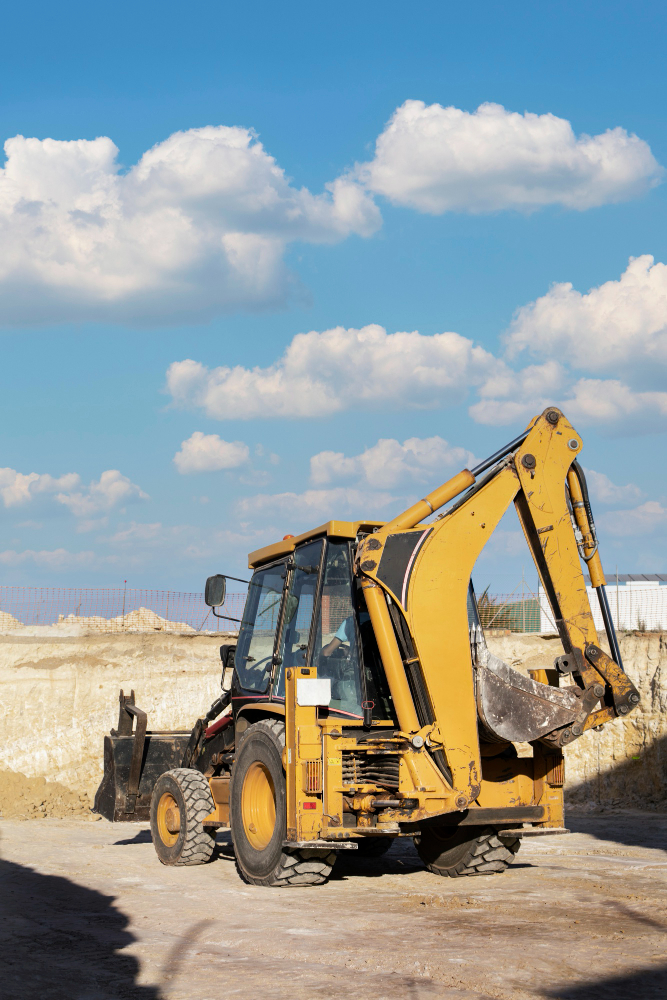
Types of Construction Trucks: Choosing the Right Tool for the Task
The construction industry utilizes a diverse range of trucks, each designed for specific applications:
- Pickup Trucks: Versatile and widely used, pickup trucks are ideal for transporting personnel, tools, and smaller loads. They are often used by foremen, supervisors, and smaller contractors.
- Dump Trucks: Designed for hauling loose materials like sand, gravel, and asphalt, dump trucks feature a hydraulic lift that allows for easy unloading. They are essential for road construction, site preparation, and demolition projects.
- Flatbed Trucks: Flatbed trucks provide a large, open platform for transporting oversized or irregularly shaped materials, such as lumber, steel beams, and machinery.
- Crane Trucks: Equipped with a hydraulic crane, these trucks are used for lifting and moving heavy objects on construction sites. They are crucial for steel erection, precast concrete installation, and other heavy lifting tasks.
- Concrete Mixer Trucks (Cement Trucks): These specialized trucks carry and mix concrete during transport, ensuring that it remains workable until it reaches the job site.
- Water Trucks: Used for dust control, compaction, and equipment washing, water trucks are essential for maintaining a safe and efficient construction environment.
- Service Trucks: Equipped with tool storage, welding equipment, and other specialized tools, service trucks provide on-site maintenance and repair services for construction equipment.

Key Features to Consider When Choosing a Construction Truck
Beyond the type of truck, several features play a critical role in its suitability for construction work:
- Engine Power and Torque: Higher horsepower and torque ratings translate to increased pulling power and the ability to handle heavier loads. Consider diesel engines for heavy-duty applications due to their superior torque and fuel efficiency.
- Transmission: Automatic transmissions are becoming increasingly popular due to their ease of use and improved fuel efficiency. However, manual transmissions can offer greater control in challenging terrain and may be preferred by experienced drivers.
- Drivetrain (4x4 vs. 4x2): Four-wheel drive (4x4) provides superior traction in mud, snow, and uneven terrain, making it essential for many construction sites. Two-wheel drive (4x2) trucks are typically less expensive and offer better fuel economy on paved roads.
- Suspension: A robust suspension system is crucial for handling heavy loads and navigating rough terrain. Consider heavy-duty suspensions or air suspensions for improved ride quality and load-carrying capacity.
- Brakes: Powerful and reliable brakes are essential for safely stopping heavy loads. Look for features like anti-lock brakes (ABS) and electronic stability control (ESC).
- Cab Comfort and Ergonomics: Drivers spend long hours in their trucks, so cab comfort is essential. Look for features like comfortable seats, adjustable steering wheels, and user-friendly controls.
- Technology and Connectivity: Modern trucks offer a range of technology features, including GPS navigation, Bluetooth connectivity, and telematics systems that can track vehicle performance and driver behavior.
Practical Advice and Actionable Insights
- Assess Your Needs: Before you start shopping, carefully assess your specific needs and requirements. Consider the type of materials you'll be hauling, the terrain you'll be navigating, and the number of personnel you'll be transporting.
- Set a Budget: Determine how much you can afford to spend on a construction truck. Remember to factor in not only the purchase price but also ongoing costs such as fuel, maintenance, and insurance.
- Research and Compare: Research different truck models and compare their features, specifications, and prices. Read online reviews and talk to other construction professionals to get their opinions.
- Test Drive: Before you make a final decision, take the truck for a test drive. Pay attention to its handling, acceleration, braking, and overall comfort.
- Consider Used Options: Used construction trucks can offer significant cost savings, but it's important to have them thoroughly inspected by a qualified mechanic before you buy them.
- Maintenance is Key: Regular maintenance is essential for keeping your construction truck running smoothly and reliably. Follow the manufacturer's recommended maintenance schedule and address any issues promptly.
Potential Challenges and Solutions
- High Initial Cost: Construction trucks can be expensive, especially for smaller companies. Consider leasing options or purchasing used vehicles to reduce upfront costs.
- Maintenance and Repair Costs: Construction trucks are subjected to heavy wear and tear, which can lead to high maintenance and repair costs. Establish a proactive maintenance program and budget for repairs.
- Fuel Costs: Fuel costs can be a significant expense, especially for trucks that are used extensively. Choose fuel-efficient models and implement driving habits that conserve fuel.
- Driver Shortage: Finding qualified drivers can be a challenge. Offer competitive wages and benefits, and invest in driver training programs.
Table: Example Pricing and Specifications of Popular Construction Trucks (Note: Prices are approximate and vary based on configuration and location)
| Truck Type | Model Example | Typical GVWR (lbs) | Payload Capacity (lbs) | Engine | Drivetrain | Approx. Price (USD) | Key Features |
|---|---|---|---|---|---|---|---|
| Pickup Truck | Ford F-150 (Heavy Duty) | 7,050 - 7,850 | 2,238 - 3,325 | 3.5L EcoBoost V6, 5.0L V8 | 4x4 | $45,000 - $75,000 | High strength steel frame, Pro Power Onboard generator, advanced towing technology |
| Dump Truck | International HV Series | 33,000 - 66,000 | 10,000 - 30,000+ | Cummins B6.7, L9 | 6x4 | $120,000 - $250,000+ | Rugged chassis, powerful engine, optimized for hauling and dumping, durable hydraulics |
| Flatbed Truck | Ram 5500 Chassis Cab | 19,500 | 8,000 - 12,000 | 6.7L Cummins Turbo Diesel | 4x4 | $60,000 - $90,000+ | Heavy-duty frame, high payload capacity, versatile platform for various cargo types |
| Crane Truck | Kenworth T880 | 66,000 - 80,000+ | Varies (Crane Dependent) | PACCAR MX-13, Cummins X15 | 6x4 | $200,000 - $400,000+ | Robust chassis, powerful crane, outriggers for stability, designed for heavy lifting and precise placement |
| Concrete Mixer Truck | Mack Granite | 66,000 - 80,000+ | Varies (Mixer Dependent) | Mack MP7, MP8 | 6x4 | $250,000 - $450,000+ | Durable mixer drum, precise discharge control, designed for consistent concrete mixing and delivery |
| Water Truck | Peterbilt 367 | 33,000 - 66,000+ | Varies (Tank Dependent) | Cummins X15, PACCAR MX-13 | 6x4 | $150,000 - $300,000+ | Large water tank, spray nozzles, designed for dust control and compaction |
Frequently Asked Questions (FAQ)
-
Q: What is GVWR?
-
A: GVWR stands for Gross Vehicle Weight Rating, which is the maximum permissible weight of the vehicle, including the vehicle itself, passengers, cargo, and fuel.
-
Q: Is it better to buy or lease a construction truck?
-
A: It depends on your individual circumstances. Buying offers long-term ownership and potential tax benefits, while leasing offers lower upfront costs and predictable monthly payments.
-
Q: What are some tips for improving fuel efficiency in construction trucks?
-
A: Maintain proper tire pressure, avoid excessive idling, drive smoothly, and use cruise control whenever possible.
-
Q: How often should I service my construction truck?
-
A: Follow the manufacturer's recommended maintenance schedule, which typically includes regular oil changes, filter replacements, and inspections.
-
Q: What safety features should I look for in a construction truck?
-
A: Look for features like anti-lock brakes (ABS), electronic stability control (ESC), lane departure warning, automatic emergency braking, and blind-spot monitoring.
Conclusion: Building a Foundation for Success
Choosing the best construction truck requires careful consideration of your specific needs, budget, and operating environment. By understanding the different types of trucks available, key features to consider, and potential challenges to overcome, you can make an informed decision that will contribute to the success of your construction projects. Remember that durability, reliability, and safety are paramount. Investing in the right workhorse will not only improve efficiency but also ensure the safety and well-being of your team. So, do your research, ask the right questions, and choose the truck that will help you build a solid foundation for your business.