The open road is the lifeblood of the trucking industry, but life on the road can be demanding. Long hours behind the wheel, navigating challenging conditions, and the constant separation from family take a toll. That's where aftermarket truck sleepers come in. These add-on living spaces transform your truck from a mere work vehicle into a comfortable, efficient, and personalized home away from home. This comprehensive guide will delve into everything you need to know about aftermarket truck sleepers, helping you make an informed decision that enhances your driving experience and boosts your productivity.
What Are Aftermarket Truck Sleepers?
Aftermarket Truck Sleepers: Your Comprehensive Guide to Comfort and Efficiency on the Road
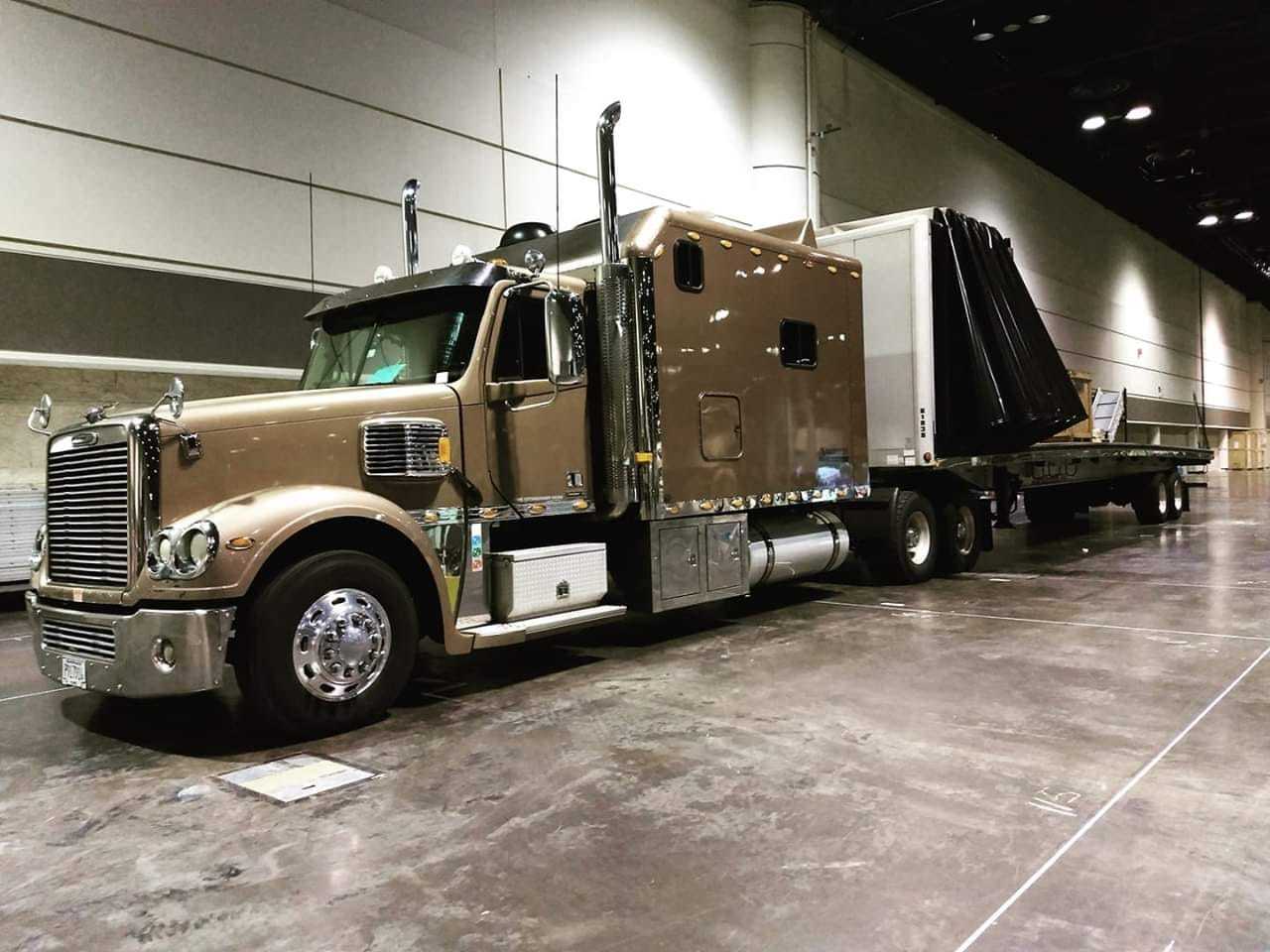
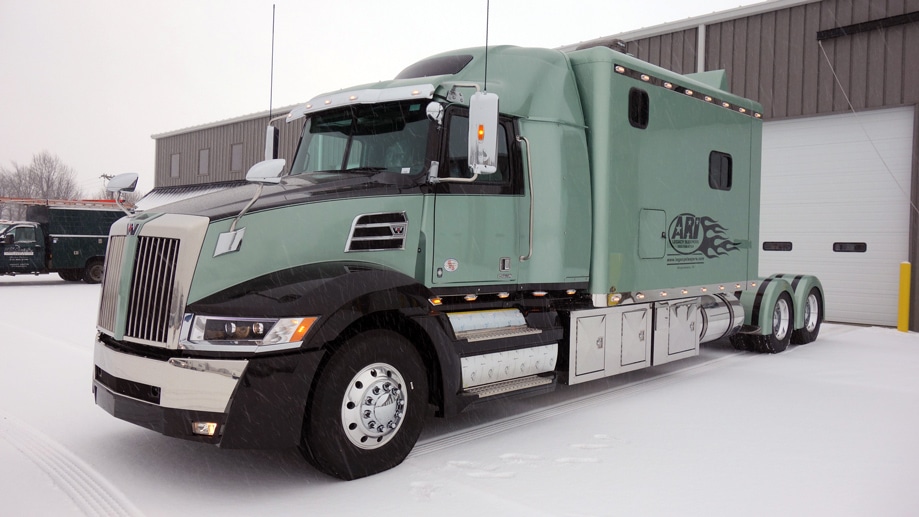
Aftermarket truck sleepers are self-contained living compartments installed behind the cab of a commercial truck. Unlike factory-installed sleepers, which are integrated into the truck's design during manufacturing, aftermarket sleepers are added after the truck leaves the factory. They offer a way to significantly upgrade an existing truck, providing drivers with a dedicated space for rest, relaxation, and even basic living. They range in size, features, and price, allowing drivers and fleet owners to tailor the sleeper to their specific needs and budget.
The importance of a well-equipped sleeper cannot be overstated. It directly impacts driver comfort, fatigue levels, and overall job satisfaction. A comfortable driver is a safer driver, and a rested driver is a more productive driver. Aftermarket sleepers are not just about luxury; they are about investing in the well-being and efficiency of the individuals who keep our economy moving.
Benefits of Installing an Aftermarket Truck Sleeper
The advantages of installing an aftermarket truck sleeper are numerous and far-reaching:
-
Enhanced Comfort and Rest: This is perhaps the most significant benefit. A dedicated sleeping space allows drivers to get proper rest, reducing fatigue and improving alertness. Comfortable mattresses, climate control, and soundproofing contribute to a more restful environment.
-
Improved Health and Well-being: Adequate rest, the ability to prepare healthy meals, and access to personal amenities all contribute to better physical and mental health. Sleepers often include features like refrigerators, microwaves, and even small cooking areas, promoting healthier eating habits on the road.
-
Increased Productivity: A well-rested and comfortable driver is a more productive driver. They can stay on the road longer, handle deliveries more efficiently, and minimize downtime due to fatigue.
-
Reduced Travel Costs: By providing a place to sleep and prepare meals, sleepers significantly reduce the need for expensive hotel stays and restaurant meals. This can lead to substantial cost savings over time.
Greater Independence and Flexibility: With a self-contained living space, drivers have greater independence and flexibility in their schedules. They can choose where and when to rest, without being tied to specific locations or schedules.
-
Personalization and Customization: Aftermarket sleepers offer a wide range of customization options, allowing drivers to personalize their living space to their individual needs and preferences. This includes features like entertainment systems, storage solutions, and even small workspaces.
-
Increased Resale Value: A well-maintained truck with a quality aftermarket sleeper can command a higher resale value compared to a truck without one.

Types and Categories of Aftermarket Truck Sleepers
Aftermarket truck sleepers come in various sizes and configurations, catering to different needs and truck models. Here's a breakdown of common categories:
-
Size:
- 36-Inch Sleepers: These are the smallest and most affordable option, offering basic sleeping space and minimal storage. They are suitable for drivers who primarily need a place to rest for short periods.
- 48-Inch Sleepers: A popular mid-range option, providing more sleeping space and storage than 36-inch models. They offer a good balance between comfort and affordability.
- 60-Inch Sleepers: These larger sleepers offer ample space for sleeping, storage, and even small living areas. They are suitable for drivers who spend extended periods on the road.
- 72-Inch+ Sleepers: These are the largest and most luxurious options, offering maximum comfort and amenities. They often include features like full-size beds, refrigerators, microwaves, and even small bathrooms.
-
Configuration:
- Flat-Top Sleepers: These sleepers have a flat roof that matches the height of the truck cab. They offer a sleek and aerodynamic look.
- Raised-Roof Sleepers: These sleepers have a raised roof that provides additional headroom and storage space. They are ideal for taller drivers or those who need extra storage.
- Custom Sleepers: These sleepers are custom-designed and built to meet specific needs and preferences. They offer the ultimate in personalization and customization.
-
Material:
- Aluminum: Lightweight and corrosion-resistant, aluminum is a popular choice for aftermarket sleepers.
- Fiberglass: Durable and relatively inexpensive, fiberglass is another common material option.
- Steel: Strong and durable, steel sleepers are often used for heavy-duty applications.
Important Considerations Before Buying
Choosing the right aftermarket truck sleeper requires careful consideration of several factors:
-
Budget: Sleepers range in price from a few thousand dollars to tens of thousands of dollars. Determine your budget before you start shopping.
-
Truck Model: Ensure the sleeper is compatible with your truck model and year.
-
Size and Configuration: Choose a sleeper that provides adequate space for your needs and preferences.
-
Features and Amenities: Consider the features and amenities that are important to you, such as a comfortable mattress, climate control, storage solutions, and entertainment systems.
-
Installation: Determine whether you will install the sleeper yourself or hire a professional installer.
-
Weight: Be mindful of the sleeper's weight and its impact on your truck's payload capacity.
-
DOT Regulations: Ensure the sleeper meets all applicable Department of Transportation (DOT) regulations.
Installation: DIY vs. Professional
Installing an aftermarket truck sleeper can be a complex and time-consuming process. While some drivers with mechanical experience may choose to tackle the installation themselves, it's generally recommended to hire a professional installer.
-
DIY Installation:
- Pros: Cost savings, personal satisfaction.
- Cons: Requires significant mechanical skills, time-consuming, potential for errors that could compromise safety or functionality.
-
Professional Installation:
- Pros: Ensures proper installation, reduces the risk of errors, provides warranty coverage.
- Cons: More expensive than DIY installation.
Tips for Maintaining Your Aftermarket Truck Sleeper
Proper maintenance is essential to keep your aftermarket truck sleeper in good condition and extend its lifespan:
- Regular Cleaning: Clean the interior and exterior of the sleeper regularly to prevent dirt and grime buildup.
- Inspect for Leaks: Check for leaks around windows, doors, and seams. Repair any leaks promptly to prevent water damage.
- Maintain Climate Control Systems: Regularly clean or replace air filters and ensure the air conditioning and heating systems are functioning properly.
- Secure Loose Items: Secure any loose items inside the sleeper to prevent them from shifting during transit.
- Address Minor Repairs Promptly: Address any minor repairs, such as loose screws or damaged trim, promptly to prevent them from escalating into larger problems.
Potential Challenges and Solutions
-
Finding a Compatible Sleeper: Solution: Research sleeper manufacturers and distributors that specialize in aftermarket sleepers for your specific truck model.
-
Installation Costs: Solution: Obtain multiple quotes from different installers and compare prices. Consider financing options if necessary.
-
Weight Restrictions: Solution: Choose a lightweight sleeper made from materials like aluminum or fiberglass.
-
DOT Compliance: Solution: Ensure the sleeper meets all applicable DOT regulations. Consult with a qualified installer or DOT inspector if you have any questions.
Price Table for Aftermarket Truck Sleepers (Estimates Only)
| Sleeper Size | Material | Features | Estimated Price Range (USD) |
|---|---|---|---|
| 36-Inch | Aluminum | Basic sleeping space, minimal storage | $5,000 - $10,000 |
| 48-Inch | Fiberglass | Comfortable mattress, basic storage, climate control | $8,000 - $15,000 |
| 60-Inch | Aluminum | Full-size bed, refrigerator, microwave, storage | $15,000 - $30,000 |
| 72-Inch+ | Custom | Full-size bed, bathroom, entertainment system, full kitchen | $30,000+ |
Note: Prices are estimates and can vary depending on the manufacturer, features, and installation costs.
Frequently Asked Questions (FAQ)
-
Q: Do aftermarket sleepers require any special permits?
- A: In most cases, no. However, it's essential to check with your local DOT regulations to ensure compliance.
-
Q: Can I finance an aftermarket truck sleeper?
- A: Yes, many lenders offer financing options for aftermarket truck sleepers.
-
Q: How long does it take to install an aftermarket truck sleeper?
- A: Installation time can vary depending on the complexity of the installation and the availability of parts. A professional installation typically takes 1-3 days.
-
Q: What is the warranty on an aftermarket truck sleeper?
- A: Warranty coverage varies depending on the manufacturer and the specific product. Be sure to review the warranty terms carefully before purchasing.
-
Q: Can I transfer an aftermarket sleeper to a different truck?
- A: In some cases, yes. However, it may require modifications to the sleeper or the truck to ensure proper fit and compatibility.
Conclusion
Investing in an aftermarket truck sleeper is an investment in your comfort, health, and productivity. By carefully considering your needs, budget, and the available options, you can choose a sleeper that transforms your truck into a comfortable and efficient home away from home. Whether you're a seasoned owner-operator or a fleet manager looking to improve driver retention, an aftermarket sleeper is a valuable addition that can significantly enhance the trucking experience. By prioritizing driver well-being, you not only improve their quality of life but also contribute to a safer and more efficient transportation industry.