The 2001 Jeep Grand Cherokee, often referred to as the WJ model, is a rugged and capable SUV known for its off-road prowess and comfortable on-road manners. However, for many Jeep enthusiasts, its factory ride height is just the starting point. Enter the lift kit – a modification that elevates the vehicle's body, unlocking enhanced off-road capabilities, a more aggressive stance, and the ability to run larger tires. This comprehensive guide dives deep into the world of lift kits for the 2001 Jeep Grand Cherokee, covering everything from benefits and types to installation considerations and potential challenges. Whether you're a seasoned off-roader or a weekend warrior looking to personalize your WJ, this article will provide the knowledge you need to make an informed decision and transform your Jeep into a true all-terrain machine.
Why Lift Your 2001 Jeep Grand Cherokee? The Benefits Unveiled
Conquer Any Terrain: A Comprehensive Guide to 2001 Jeep Grand Cherokee Lift Kits
Lifting your 2001 Jeep Grand Cherokee is more than just an aesthetic upgrade; it offers a multitude of practical benefits:
- Increased Ground Clearance: This is the most significant advantage. Lifting the body provides more clearance under the vehicle, allowing you to navigate over larger obstacles like rocks, logs, and uneven terrain without scraping the undercarriage.
- Larger Tire Fitment: Lifting provides the necessary space to accommodate larger tires. Larger tires not only look more aggressive but also increase ground clearance further and improve traction in off-road conditions.
- Improved Approach, Departure, and Breakover Angles: These angles determine the Jeep's ability to clear obstacles. Lifting increases these angles, allowing the vehicle to climb steeper inclines and navigate more challenging terrain.
- Enhanced Off-Road Performance: By combining increased ground clearance, larger tires, and improved angles, a lift kit significantly enhances the Jeep's overall off-road performance, making it more capable in a wider range of environments.
- Aggressive Aesthetics: A lifted Jeep simply looks more impressive. The increased ride height and larger tires give the vehicle a commanding presence and a more rugged, off-road-ready appearance.
- Customization: Lifting your Jeep is a gateway to further customization. It opens up possibilities for adding accessories like rock sliders, skid plates, and aftermarket bumpers, further enhancing its off-road capabilities and aesthetics.

Decoding the Options: Types of Lift Kits for Your WJ
Several types of lift kits are available for the 2001 Jeep Grand Cherokee, each offering different levels of lift, performance, and cost. Here's a breakdown of the most common options:
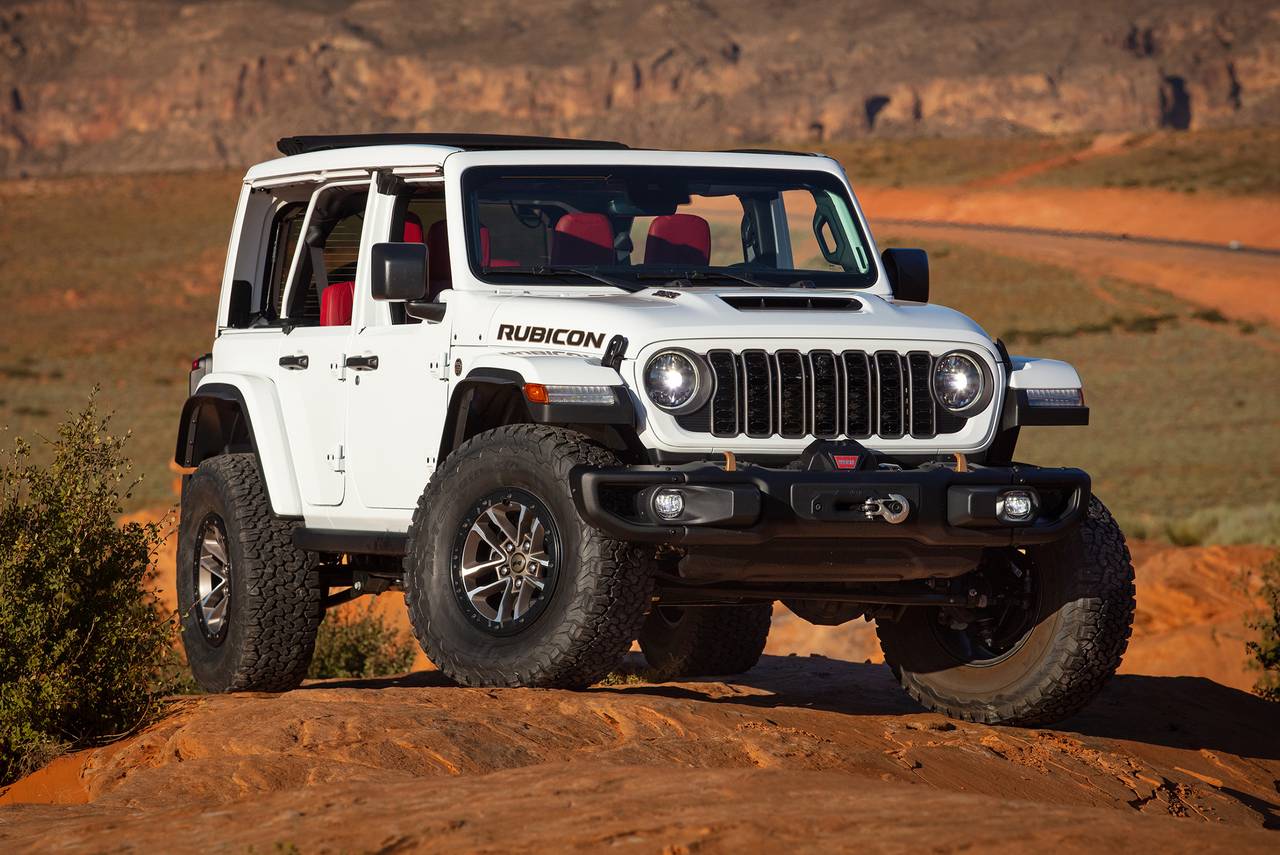
- Coil Spring Spacers (Budget Boost): This is the most affordable and simplest type of lift. Spacers are installed on top of the existing coil springs to lift the body. They provide a modest lift (typically 1-3 inches) and are best suited for light off-roading and aesthetic improvements.
- Pros: Inexpensive, easy to install, retains factory ride quality.
- Cons: Limited lift height, doesn't improve suspension performance, can cause coil spring bowing at higher lifts.
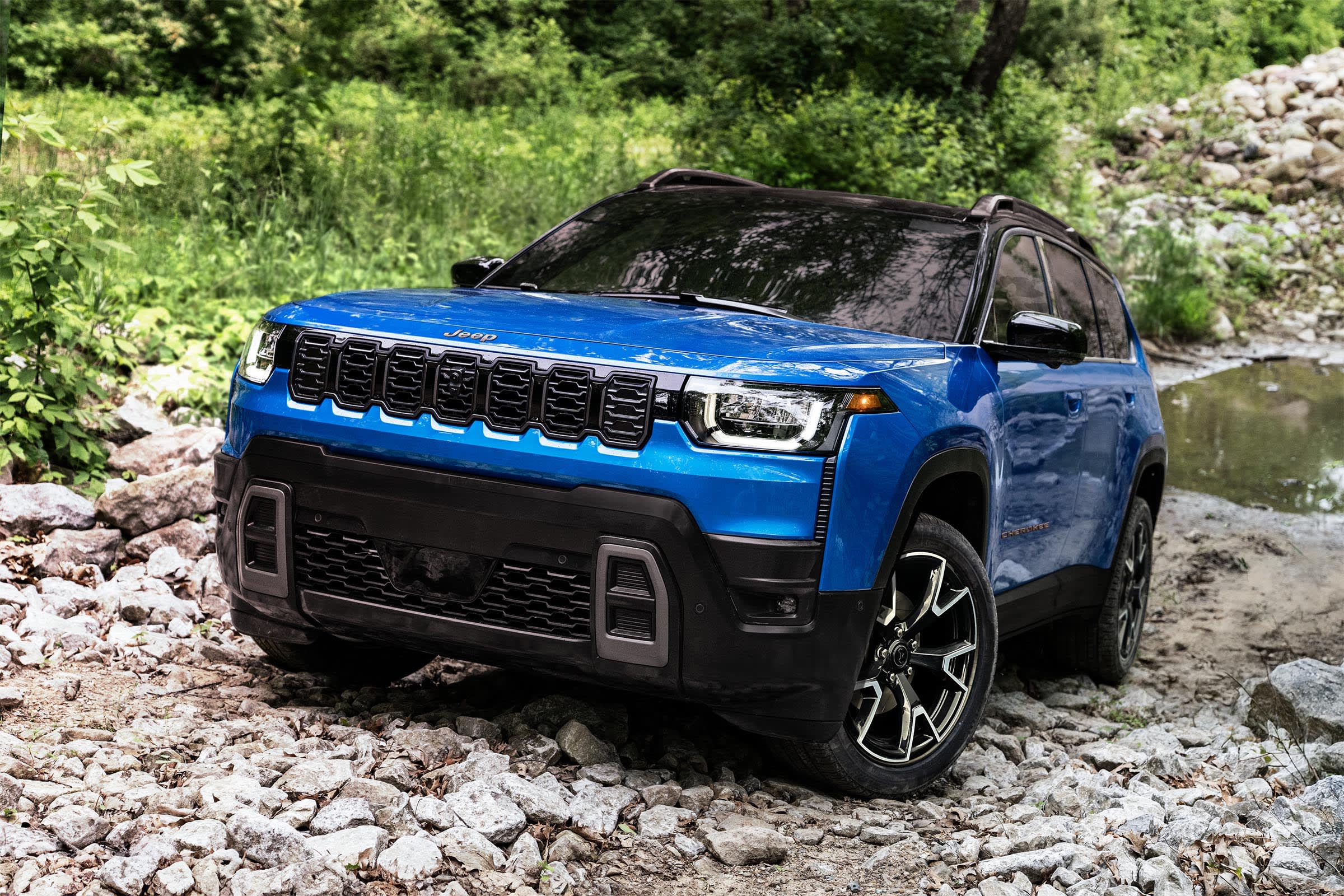
- Coil Spring Lift Kits: These kits replace the factory coil springs with longer, stiffer springs. They offer a more significant lift (typically 2-4 inches) and can improve ride quality and off-road performance compared to spacers.
- Pros: Improved ride quality, increased lift height, better off-road performance than spacers.
- Cons: More expensive than spacers, requires more extensive installation.
- Long Arm Lift Kits: These are the most comprehensive and capable lift kits. They replace the factory control arms with longer arms, which improve suspension geometry and articulation. Long arm kits are typically used for lifts of 4 inches or more and are designed for serious off-roading.
- Pros: Superior off-road performance, improved articulation, better ride quality at higher lifts.
- Cons: Most expensive option, requires extensive modification and welding, not suitable for daily driving in some cases.
- Add-a-Leaf (AAL): This involves adding an extra leaf spring to the rear leaf spring pack (for Jeeps with leaf spring rear suspensions, which is not the case for the 2001 Grand Cherokee WJ which uses coil springs). While technically a suspension modification, it can be used in conjunction with other lift methods to level the vehicle or provide additional load-carrying capacity. (Less relevant to WJ Grand Cherokee)
Choosing the Right Kit: Factors to Consider
Selecting the right lift kit for your 2001 Jeep Grand Cherokee depends on several factors:
- Budget: Lift kits range in price from a few hundred dollars for spacers to several thousand dollars for long arm kits.
- Intended Use: Consider how you plan to use your Jeep. If you primarily drive on the road and occasionally venture off-road, a spacer or coil spring lift kit may be sufficient. If you plan to tackle challenging trails, a long arm kit may be necessary.
- Tire Size: Determine the largest tire size you want to run. The lift kit you choose will need to provide enough clearance for the tires.
- Installation Skills: Some lift kits are easier to install than others. If you're not comfortable working on your vehicle, you may want to have a professional install the kit.
- Ride Quality: Consider the impact on ride quality. Spacers can sometimes make the ride harsher, while coil spring and long arm kits can improve ride quality.
Installation: A Step-by-Step Overview (General Guide - Always Refer to Kit Specific Instructions)
While professional installation is recommended, some enthusiasts prefer to install their own lift kits. Here's a general overview of the installation process for a coil spring lift kit:
- Preparation: Gather all the necessary tools, including a jack, jack stands, wrenches, sockets, and a coil spring compressor.
- Disassembly: Disconnect the sway bar links, brake lines, and ABS wires. Remove the wheels and tires. Support the vehicle on jack stands.
- Remove Old Suspension Components: Disconnect the shocks and carefully remove the factory coil springs using a coil spring compressor.
- Install New Components: Install the new coil springs, shocks, and any other included components, such as sway bar links or track bar brackets.
- Reassembly: Reconnect the sway bar links, brake lines, and ABS wires. Install the wheels and tires.
- Alignment: After installing the lift kit, it's essential to have the vehicle aligned to ensure proper handling and tire wear.
Important Considerations and Potential Challenges
- Driveline Vibrations: Lifting the Jeep can change the driveline angles, which can cause vibrations. You may need to install a transfer case drop kit or a double cardan driveshaft to correct these angles.
- Brake Line Extension: Lifting the vehicle can stretch the brake lines. You may need to install longer brake lines to ensure proper braking performance.
- Track Bar Adjustment: The track bar centers the axle under the vehicle. Lifting the Jeep can shift the axle to one side. You may need to install an adjustable track bar to recenter the axle.
- Alignment: As mentioned before, a proper alignment is crucial after installing a lift kit.
- Warranty: Installing a lift kit may void portions of your vehicle's warranty. Check with your dealer before installing a lift kit.
- Safety: Always prioritize safety when working on your vehicle. Use jack stands to support the vehicle, wear safety glasses, and follow all instructions carefully.
Tips for a Successful Lift Kit Installation
- Read the Instructions Carefully: Before you start, read the instructions thoroughly and familiarize yourself with the process.
- Gather All Necessary Tools: Make sure you have all the tools you need before you start.
- Take Your Time: Don't rush the installation process. Take your time and do it right.
- Ask for Help: If you're not comfortable working on your vehicle, ask a friend or a professional for help.
- Double-Check Everything: After you've finished the installation, double-check all the bolts and connections to make sure they're tight.
Price Table: 2001 Jeep Grand Cherokee Lift Kit (Approximate)
| Lift Kit Type | Lift Height (Inches) | Approximate Price Range | Notes |
|---|---|---|---|
| Coil Spring Spacers | 1-3 | $100 - $300 | Easiest to install, most affordable, limited off-road improvement. |
| Coil Spring Lift Kit | 2-4 | $400 - $1000 | Improved ride and off-road performance compared to spacers, requires more extensive installation. |
| Long Arm Lift Kit | 4+ | $1500 - $4000+ | Highest performance, requires significant modification and welding, best for serious off-roading. |
| Shocks (Upgrade) | N/A | $200 - $800 (set of 4) | Upgrading shocks can significantly improve ride quality and off-road performance regardless of lift type. |
Prices are estimates and can vary depending on brand, retailer, and included components.
Frequently Asked Questions (FAQ)
-
Q: Will a lift kit affect my gas mileage?
- A: Yes, lifting your Jeep and installing larger tires can negatively impact your gas mileage due to increased weight, rolling resistance, and aerodynamic drag.
-
Q: Do I need to re-gear after lifting my Jeep?
- A: It depends on the tire size you're running. If you're installing significantly larger tires (33 inches or larger), re-gearing may be necessary to restore optimal performance.
-
Q: Can I install a lift kit myself?
- A: Yes, but it depends on your mechanical skills and the type of lift kit you're installing. Spacers are relatively easy to install, while long arm kits require more advanced skills.
-
Q: What is the best lift kit for a 2001 Jeep Grand Cherokee?
- A: The best lift kit depends on your budget, intended use, and tire size. Consider your specific needs and research different options before making a decision.
-
Q: Where can I buy a lift kit for my 2001 Jeep Grand Cherokee?
- A: Lift kits are available from various online retailers, local auto parts stores, and specialized off-road shops.
Conclusion: Elevate Your Adventure
Lifting your 2001 Jeep Grand Cherokee is a transformative upgrade that unlocks its full potential. By carefully considering your needs, budget, and installation skills, you can choose the right lift kit and transform your WJ into a capable and stylish off-road machine. Remember to prioritize safety, follow the instructions carefully, and don't hesitate to seek professional help when needed. With the right lift kit, your 2001 Jeep Grand Cherokee will be ready to conquer any terrain and turn heads wherever you go.