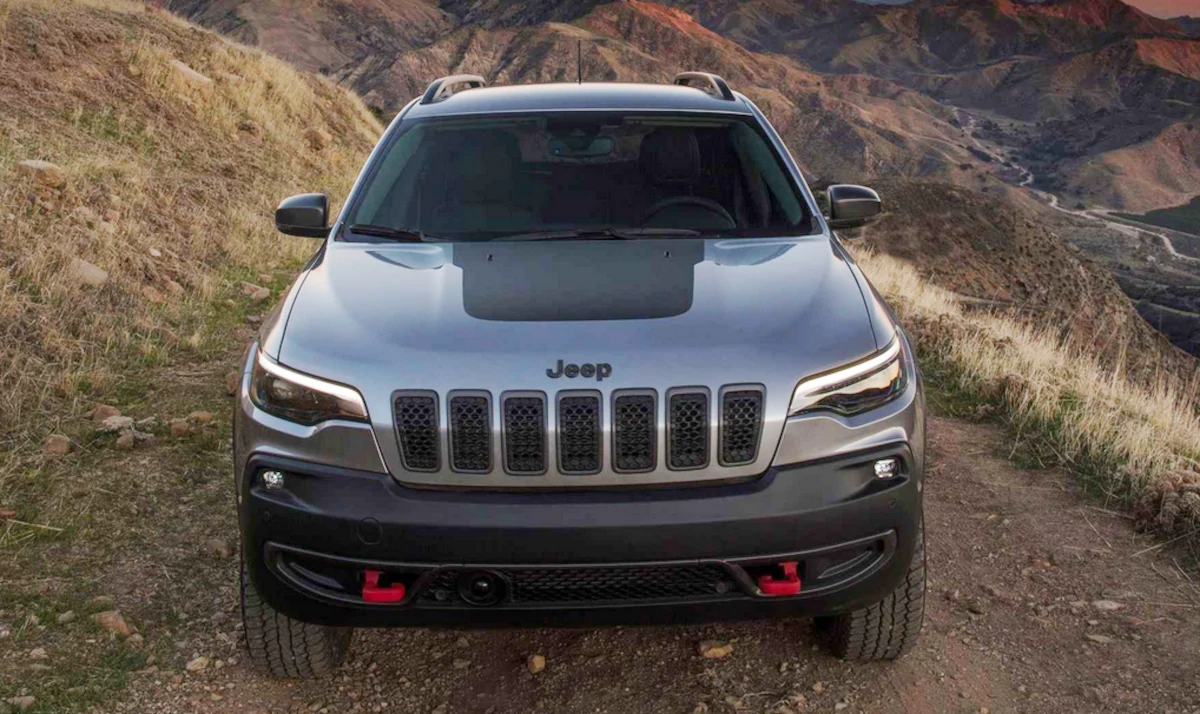
The Jeep Cherokee Trailhawk. Even in its stock form, it's a capable off-road machine, a testament to Jeep's legacy of conquering challenging terrains. But for many, "capable" isn't enough. They crave something more – a vehicle that reflects their individual style, enhances its off-road prowess, and truly stands out from the crowd. This is where the art of customization comes into play, transforming a standard Cherokee Trailhawk into a personalized adventure rig ready to tackle any challenge. This article serves as your comprehensive guide to customizing your Jeep Cherokee Trailhawk, covering everything from performance upgrades to aesthetic enhancements, ensuring you create a vehicle that's as unique as your adventures.
I. Why Customize Your Jeep Cherokee Trailhawk?
Customized Jeep Cherokee Trailhawk: Unleash Your Inner Adventurer
Customizing your Cherokee Trailhawk isn't just about aesthetics; it's about optimizing performance, enhancing safety, and reflecting your personal style. Here are some key reasons why you might consider customizing your Trailhawk:
- Enhanced Off-Road Performance: Upgrading suspension, tires, and drivetrain components can significantly improve your Trailhawk's ability to navigate challenging terrains.
- Improved Protection: Rock sliders, skid plates, and bumpers can safeguard vulnerable areas of your vehicle from damage during off-road excursions.
- Increased Functionality: Adding roof racks, cargo carriers, and auxiliary lighting can expand your Trailhawk's capabilities for camping, overlanding, and other outdoor activities.
- Personalized Style: Customizing the exterior and interior of your Trailhawk allows you to create a vehicle that reflects your individual taste and personality.
- Increased Resale Value (Potentially): While not guaranteed, well-executed and desirable modifications can sometimes increase the resale value of your vehicle, especially if they cater to a niche market like off-road enthusiasts.
II. Key Areas for Customization:
The possibilities for customizing your Jeep Cherokee Trailhawk are virtually endless. However, certain areas tend to be the focus for most enthusiasts.
A. Suspension & Lift Kits:
- Purpose: Lifting your Trailhawk provides increased ground clearance, allowing you to clear larger obstacles and run larger tires. It also improves approach, departure, and breakover angles.
- Types:
- Budget Boost (Spacer Lift): An affordable option that uses spacers to lift the body from the suspension. Provides a modest lift (usually 1-2 inches) and doesn't improve ride quality.
- Coil Spring Lift: Replaces the stock coil springs with longer, stiffer springs. Provides a more significant lift (2-4 inches) and can improve ride quality and articulation.
- Complete Suspension System: Replaces the shocks, springs, and sometimes control arms. Offers the most significant lift and performance improvements but is also the most expensive.
- Considerations:
- Lift Height: Consider the type of terrain you'll be tackling and the size of tires you want to run. A modest lift (1-2 inches) is often sufficient for light off-roading, while a more substantial lift (3+ inches) may be necessary for more challenging trails.
- Ride Quality: Choose a lift kit that maintains or improves the ride quality of your Trailhawk. Read reviews and consider the intended use of your vehicle.
- Installation: Suspension modifications can be complex. Consider professional installation if you lack the necessary experience and tools.
- Tips:
- Research different lift kit brands and read reviews before making a purchase.
- Consider the impact of a lift kit on your vehicle's warranty.
- Ensure proper alignment after installing a lift kit.
B. Wheels & Tires:
- Purpose: Upgrading your wheels and tires can significantly improve your Trailhawk's off-road performance, traction, and appearance.
- Types:
- All-Terrain Tires: A versatile option that provides good traction on both paved and unpaved surfaces.
- Mud-Terrain Tires: Designed for maximum traction in mud, sand, and other challenging terrains.
- Rock Crawling Tires: Optimized for grip and durability on rocks and uneven surfaces.
- Aftermarket Wheels: Available in a variety of sizes, styles, and finishes to enhance the appearance of your Trailhawk.
- Considerations:
- Tire Size: Choose a tire size that is compatible with your lift kit and doesn't rub against the wheel wells.
- Tire Type: Select a tire type that is appropriate for the type of terrain you'll be encountering.
- Wheel Offset: Choose a wheel offset that provides adequate clearance for the brake calipers and suspension components.
- Tips:
- Research different tire brands and read reviews before making a purchase.
- Consider the impact of larger tires on your fuel economy and speedometer accuracy.
- Ensure proper tire inflation for optimal performance and longevity.
C. Armor & Protection:
- Purpose: Protecting your Trailhawk's vulnerable components from damage during off-road excursions.
- Types:
- Rock Sliders: Protect the rocker panels from rocks and other obstacles.
- Skid Plates: Protect the undercarriage components, such as the oil pan, transmission, and transfer case.
- Bumpers: Provide enhanced protection for the front and rear of your vehicle and can also improve approach and departure angles.
- Considerations:
- Material: Choose armor made from durable materials, such as steel or aluminum.
- Coverage: Ensure that the armor provides adequate coverage for the vulnerable areas of your vehicle.
- Installation: Consider professional installation for complex armor components.
- Tips:
- Research different armor brands and read reviews before making a purchase.
- Consider the weight of the armor and its impact on your vehicle's performance.
- Regularly inspect your armor for damage and repair as needed.
D. Exterior Accessories:
- Purpose: Enhancing the appearance and functionality of your Trailhawk.
- Types:
- Roof Racks: Provide a platform for carrying cargo, such as camping gear, kayaks, and bikes.
- Light Bars & Auxiliary Lighting: Improve visibility in low-light conditions.
- Winches: Provide a means of self-recovery in challenging situations.
- Fender Flares: Protect the body from mud and debris and can also enhance the appearance of your vehicle.
- Considerations:
- Load Capacity: Ensure that the roof rack or cargo carrier can handle the weight of your cargo.
- Light Output: Choose auxiliary lighting with adequate light output for your needs.
- Winch Capacity: Select a winch with a capacity that is at least 1.5 times the weight of your vehicle.
- Tips:
- Research different accessory brands and read reviews before making a purchase.
- Consider the impact of accessories on your vehicle's aerodynamics and fuel economy.
- Ensure proper wiring and installation for electrical accessories.
E. Interior Upgrades:
- Purpose: Improving the comfort, convenience, and functionality of your Trailhawk's interior.
- Types:
- Seat Covers: Protect the seats from wear and tear and can also add a personalized touch.
- Floor Liners: Protect the carpet from dirt and spills.
- Navigation Systems & Entertainment Systems: Enhance the driving experience.
- Storage Solutions: Provide organized storage for gear and supplies.
- Considerations:
- Fit and Finish: Choose interior upgrades that fit properly and complement the overall design of your Trailhawk.
- Durability: Select durable materials that can withstand the rigors of off-road use.
- Functionality: Choose upgrades that enhance the functionality and convenience of your vehicle.
- Tips:
- Research different interior upgrade brands and read reviews before making a purchase.
- Consider the impact of interior upgrades on your vehicle's resale value.
- Ensure proper installation for electrical and electronic upgrades.
III. Important Considerations Before Customizing:
- Budget: Establish a budget and stick to it. Customization costs can quickly add up.
- Intended Use: Consider the type of terrain you'll be tackling and the activities you'll be engaging in.
- Warranty: Check the impact of modifications on your vehicle's warranty. Some modifications may void certain warranty coverage.
- Legality: Ensure that your modifications comply with local laws and regulations.
- Professional Installation: Consider professional installation for complex modifications.
IV. Potential Challenges and Solutions:
- Rubbing: Larger tires may rub against the wheel wells, requiring trimming or modifications. Solution: Choose appropriate tire sizes and lift kits, and consider trimming the wheel wells if necessary.
- Drivetrain Stress: Larger tires and lift kits can put additional stress on the drivetrain components. Solution: Consider upgrading the drivetrain components, such as the axles and gears, to handle the increased stress.
- Fuel Economy: Larger tires and increased weight can negatively impact fuel economy. Solution: Choose lightweight components and drive conservatively.
- Installation Difficulty: Some modifications can be challenging to install. Solution: Seek professional installation or consult with experienced individuals.
V. Price Table for Common Customizations:
| Customization | Description | Estimated Price Range |
|---|---|---|
| Budget Boost Lift (1-2 inches) | Spacer lift for mild ground clearance increase. | $200 - $500 (parts & labor) |
| Coil Spring Lift (2-4 inches) | Replaces coil springs for improved lift and articulation. | $800 - $2,000 (parts & labor) |
| All-Terrain Tires (Set of 4) | Versatile tires for on and off-road use. | $800 - $1,500 |
| Mud-Terrain Tires (Set of 4) | Aggressive tires for challenging terrains. | $1,000 - $2,000 |
| Rock Sliders | Protect rocker panels from damage. | $400 - $1,000 (parts & labor) |
| Skid Plates (Full Set) | Protect undercarriage components. | $500 - $1,500 (parts & labor) |
| Front Bumper (Aftermarket) | Improved protection and approach angle. | $800 - $2,000 (parts & labor) |
| Rear Bumper (Aftermarket) | Improved protection and departure angle. | $600 - $1,500 (parts & labor) |
| Roof Rack | Cargo carrying capacity. | $300 - $1,000 (parts & labor) |
| Light Bar (LED) | Improved visibility. | $200 - $500 (parts & labor) |
| Winch | Self-recovery capability. | $500 - $1,500 (parts & labor) |
VI. Frequently Asked Questions (FAQ):
-
Q: Will lifting my Trailhawk void my warranty?
- A: It depends on the specific modification and the manufacturer's warranty policy. Consult with your dealership before making any modifications. Generally, modifications that directly cause a failure are not covered, but unrelated issues still are.
-
Q: What size tires can I fit on my Trailhawk without a lift?
- A: Generally, you can fit slightly larger tires (around 30-31 inches) without a lift, but you may experience some rubbing. Consult with a tire specialist for specific recommendations.
-
Q: Is it better to install modifications myself or hire a professional?
- A: It depends on your experience and skill level. Complex modifications, such as suspension lifts and drivetrain upgrades, are best left to professionals.
-
Q: How can I protect my Trailhawk from rust?
- A: Regularly wash your vehicle, especially after off-road excursions. Apply a rust inhibitor to exposed metal surfaces.
-
Q: Where can I find reputable shops to customize my Trailhawk?
- A: Search online for local off-road shops and read reviews. Ask for recommendations from other Jeep enthusiasts.
VII. Conclusion:
Customizing your Jeep Cherokee Trailhawk is a rewarding experience that allows you to create a vehicle that is perfectly tailored to your needs and preferences. By carefully planning your modifications, considering the important factors discussed in this article, and seeking professional assistance when needed, you can transform your Trailhawk into a capable and stylish adventure rig that will take you anywhere you want to go. Remember to prioritize safety, reliability, and functionality, and most importantly, enjoy the process of creating your dream machine. The open road, and the trails less traveled, are waiting!