Introduction: Protecting Your Truck's Throne
Trucks are more than just vehicles; they're workhorses, adventure companions, and for many, a second home. Given the demanding tasks they often perform and the environments they traverse, the interior of a truck can quickly show signs of wear and tear. The front bench seat, being a primary point of contact, is particularly susceptible to spills, stains, rips, and general degradation. This is where front bench seat covers for trucks become invaluable. They act as a protective barrier, preserving the original upholstery and maintaining the truck's value and appearance. Beyond protection, seat covers offer an opportunity to personalize your truck's interior, enhancing comfort and style. This comprehensive guide will delve into the world of front bench seat covers, exploring their benefits, types, installation, maintenance, and everything you need to know to make an informed decision.
Front Bench Seat Covers For Trucks: A Comprehensive Guide
Section 1: Why Invest in Front Bench Seat Covers for Your Truck?
The benefits of installing front bench seat covers extend far beyond aesthetics. Here's a breakdown of the key advantages:
-
Protection from Wear and Tear: This is the primary function. Seat covers shield the original upholstery from dirt, mud, water, grease, pet hair, and the daily grind of entering and exiting the vehicle. They prevent fading from sun exposure and resist abrasion from clothing.
-
Preservation of Resale Value: A well-maintained interior significantly boosts a truck's resale value. By protecting the original seats, you're safeguarding a key component that potential buyers will scrutinize.

-
Enhanced Comfort: Many seat covers are designed with comfort in mind. Options include added padding, breathable fabrics, and temperature-regulating materials, making long drives more enjoyable.
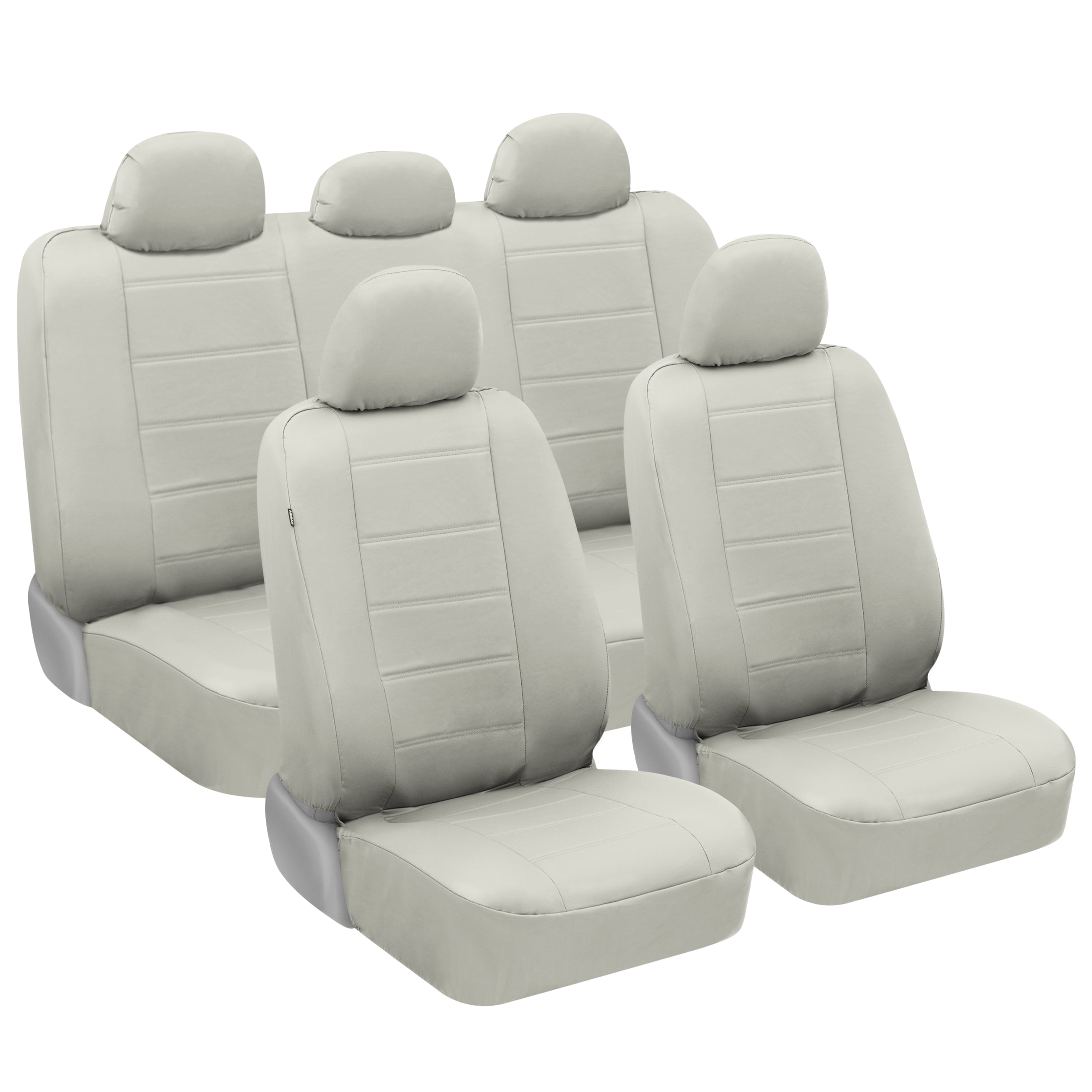
Personalization and Style: Seat covers offer a wide range of colors, patterns, and materials, allowing you to customize your truck's interior to reflect your personal style. They can instantly transform a worn-out interior into a fresh and inviting space.
-
Easy Cleaning and Maintenance: Unlike the original upholstery, seat covers are typically easy to remove and clean. Many are machine washable, making maintenance a breeze. This is especially beneficial for truck owners who regularly encounter messy situations.
-
Cost-Effective Alternative to Upholstery Repair: Replacing or repairing damaged upholstery can be expensive. Seat covers provide a cost-effective solution to cover up existing damage and prevent further deterioration.

Section 2: Types of Front Bench Seat Covers: Finding the Right Fit
The market offers a diverse selection of front bench seat covers, each with its own strengths and weaknesses. Understanding the different types will help you choose the best option for your needs and budget.
-
Custom-Fit Seat Covers: These are precisely designed to match the exact dimensions of your truck's front bench seat. They offer the best fit and appearance, mimicking the look of original upholstery. Custom-fit covers often include provisions for seatbelts, headrests, and other features.
-
Semi-Custom Seat Covers: These are designed to fit a range of trucks with similar seat dimensions. They offer a good balance between fit and affordability. While not as precise as custom-fit covers, they still provide a snug and secure fit.
-
Universal-Fit Seat Covers: These are the most affordable option, designed to fit a wide variety of vehicles. However, they often have a loose or ill-fitting appearance and may require adjustments to accommodate seatbelts and other features.
-
Material Types:
- Neoprene: Waterproof, durable, and resistant to wear and tear. Ideal for truck owners who frequently encounter wet or muddy conditions.
- Canvas: Heavy-duty and breathable, offering excellent protection against dirt, grime, and abrasion.
- Leatherette (Synthetic Leather): Provides a luxurious look and feel at a more affordable price than genuine leather. Easy to clean and maintain.
- Cloth: Comfortable and breathable, available in a variety of colors and patterns. Typically less expensive than other materials.
- Ballistic Nylon: Extremely durable and resistant to tears, abrasions, and punctures. A great option for heavy-duty use.
- Suede: Provides a soft and luxurious feel, offering excellent comfort. Requires careful cleaning and maintenance.
Section 3: Installation: Getting the Job Done Right
Installing front bench seat covers is a relatively straightforward process, but it's important to follow the instructions carefully to ensure a proper fit.
-
Preparation:
- Clean the seat thoroughly before installation. Vacuum up any dirt, debris, or pet hair.
- Gather the necessary tools: Typically, you'll need a screwdriver, pliers, and possibly a trim removal tool.
- Read the manufacturer's instructions carefully. Each set of seat covers may have specific installation requirements.
-
Installation Steps:
- Remove Headrests: Most seat covers require you to remove the headrests first.
- Position the Seat Cover: Carefully position the seat cover over the bench seat, aligning it with the contours of the seat.
- Secure the Cover: Use the straps, buckles, or hooks provided to secure the cover in place. Pay close attention to the manufacturer's instructions for proper placement and tightening.
- Tuck and Smooth: Tuck the edges of the cover into the crevices of the seat to create a snug fit. Smooth out any wrinkles or creases.
- Reinstall Headrests: Reinstall the headrests, making sure they are securely fastened.
- Adjust as Needed: Once the cover is installed, take a step back and inspect the fit. Make any necessary adjustments to ensure a secure and comfortable fit.
Section 4: Maintenance and Care: Keeping Your Seat Covers Looking Their Best
Proper maintenance will extend the life of your front bench seat covers and keep them looking their best.
- Regular Cleaning: Vacuum the seat covers regularly to remove dirt, dust, and debris.
- Spot Cleaning: Clean up spills and stains immediately using a mild soap and water solution. Avoid harsh chemicals or abrasive cleaners.
- Machine Washing: If the seat covers are machine washable, follow the manufacturer's instructions carefully. Use a gentle cycle and mild detergent.
- Drying: Air dry the seat covers whenever possible. Avoid using a dryer, as this can cause shrinkage or damage to the material.
- Protect from Sun Exposure: Park your truck in the shade whenever possible to protect the seat covers from fading and cracking due to sun exposure.
- Condition Leatherette: If you have leatherette seat covers, use a leather conditioner regularly to keep the material supple and prevent cracking.
Section 5: Key Considerations When Choosing Seat Covers
Before purchasing front bench seat covers, consider the following factors:
- Vehicle Compatibility: Ensure that the seat covers are compatible with your truck's make, model, and year.
- Material Durability: Choose a material that is durable and resistant to wear and tear, especially if you use your truck for work or off-road adventures.
- Comfort: Consider the comfort of the material, especially if you spend a lot of time driving.
- Ease of Installation: Choose seat covers that are easy to install, especially if you plan to install them yourself.
- Ease of Cleaning: Choose seat covers that are easy to clean and maintain.
- Budget: Set a budget and stick to it. There are seat covers available at a wide range of price points.
- Aesthetics: Choose seat covers that complement your truck's interior and reflect your personal style.
- Features: Consider any additional features that may be important to you, such as water resistance, breathability, or added padding.
Section 6: Troubleshooting Common Problems
Even with careful installation and maintenance, you may encounter some common problems with front bench seat covers. Here are some solutions:
- Seat Covers Won't Stay in Place: Ensure that the straps, buckles, or hooks are properly secured. You may need to tighten them periodically.
- Wrinkles and Creases: Smooth out any wrinkles or creases by tucking the edges of the cover into the crevices of the seat. You can also use a steamer to remove stubborn wrinkles.
- Stains: Clean up spills and stains immediately using a mild soap and water solution. For stubborn stains, you may need to use a specialized stain remover.
- Tears or Rips: Repair small tears or rips with a needle and thread. For larger tears, you may need to replace the seat cover.
Price Table
| Feature | Type | Material | Price Range |
|---|---|---|---|
| Custom Fit | Full | Neoprene | $200-$400 |
| Semi Custom Fit | Partial | Canvas | $150-$300 |
| Universal Fit | Basic | Polyester | $50-$150 |
| Waterproof | Durable | PVC | $100-$250 |
| Breathable | Comfortable | Cotton | $80-$200 |
| Heavy Duty | Extra Protection | Ballistic Nylon | $250-$500 |
| Easy Clean | Practical | Leatherette | $120-$280 |
| Stylish Designs | Aesthetic | Suede | $180-$350 |
Section 7: Frequently Asked Questions (FAQ)
-
Q: Are front bench seat covers difficult to install?
- A: No, most seat covers are relatively easy to install, especially if you follow the manufacturer's instructions carefully.
-
Q: Can I wash my seat covers in the washing machine?
- A: It depends on the material. Check the manufacturer's instructions to see if the seat covers are machine washable.
-
Q: Will seat covers damage my original upholstery?
- A: No, seat covers are designed to protect your original upholstery, not damage it.
-
Q: How often should I clean my seat covers?
- A: Clean your seat covers regularly, at least once a month, to remove dirt, dust, and debris.
-
Q: Can I use seat covers with heated seats?
- A: Yes, but make sure the seat covers are compatible with heated seats. Look for seat covers that are made from a breathable material that will not trap heat.
-
Q: How long do seat covers typically last?
- A: The lifespan of seat covers depends on the material and how well they are maintained. With proper care, seat covers can last for several years.
Conclusion: A Worthwhile Investment for Your Truck
Investing in front bench seat covers for your truck is a wise decision that offers numerous benefits. From protecting your original upholstery and preserving resale value to enhancing comfort and style, seat covers are a practical and cost-effective way to maintain and personalize your truck's interior. By carefully considering your needs and preferences and following the tips and advice outlined in this guide, you can choose the perfect seat covers to keep your truck's throne looking and feeling its best for years to come. So, take the plunge and give your truck the protection and style it deserves!