For off-road enthusiasts and those seeking enhanced vehicle protection, the front bumper is more than just a cosmetic feature. It's a critical component that guards against damage from collisions, obstacles, and the rigors of demanding terrain. Among the various options available, Gage Front Bumpers stand out for their robust construction, functional design, and ability to significantly improve a vehicle's off-road capabilities and overall safety. This comprehensive guide will delve into the world of Gage Front Bumpers, exploring their benefits, types, installation, considerations, and everything you need to know to make an informed decision.
What are Gage Front Bumpers?
Gage Front Bumpers: A Comprehensive Guide to Protection and Performance
Gage Front Bumpers are aftermarket front bumpers designed and manufactured by Gage, a company known for its high-quality off-road and automotive accessories. These bumpers are typically constructed from heavy-duty steel or aluminum, offering superior protection compared to factory-installed bumpers. They are engineered to withstand impacts from rocks, trees, and other obstacles encountered during off-road adventures. Beyond protection, Gage Front Bumpers often incorporate features like integrated winch mounts, light bar mounting points, and D-ring shackle mounts, enhancing the vehicle's functionality and versatility. Their design often prioritizes improved approach angles, allowing the vehicle to navigate steeper inclines and more challenging terrain without scraping the factory bumper.
Why Choose a Gage Front Bumper? Benefits and Advantages
Investing in a Gage Front Bumper offers a multitude of benefits for both on and off-road driving:
- Superior Protection: This is the primary advantage. Gage bumpers are built to absorb impacts and protect the vehicle's frame, radiator, and other vital components from damage. This protection can save you thousands of dollars in repair costs after an accident or off-road mishap.
- Enhanced Off-Road Capability: Many Gage bumpers are designed with a higher clearance and improved approach angles. This allows your vehicle to tackle more challenging terrain, navigate obstacles with ease, and avoid getting stuck.
- Winch Mounting Platform: A built-in winch mount provides a secure and stable platform for installing a winch. This is essential for self-recovery in off-road situations, allowing you to pull yourself out of mud, sand, or other difficult situations.
- Auxiliary Lighting: Integrated light bar and fog light mounting points allow you to easily install additional lighting, significantly improving visibility during nighttime or low-light conditions. This is crucial for safe off-road driving and navigating challenging trails.
- Recovery Points: D-ring shackle mounts provide secure and reliable attachment points for recovery straps and shackles, enabling you to assist other vehicles or be towed yourself in case of emergencies.
- Aggressive Aesthetics: Gage Front Bumpers offer a rugged and aggressive appearance that enhances the overall look of your vehicle. They often come in various finishes, allowing you to customize the bumper to match your vehicle's style.
- Increased Resale Value: A well-maintained vehicle with a quality aftermarket bumper like a Gage Front Bumper often commands a higher resale value compared to a stock vehicle.
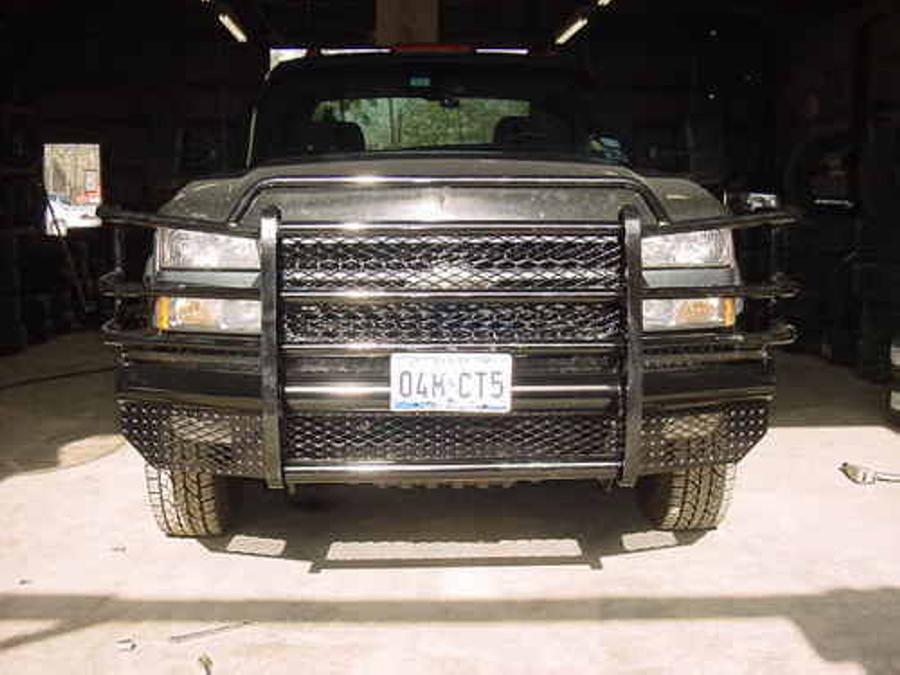
Types of Gage Front Bumpers
Gage offers a variety of front bumper options to suit different vehicle models and driving needs. Here's a breakdown of some common types:
- Full-Width Bumpers: These bumpers extend the full width of the vehicle, providing maximum protection for the fenders and headlights. They are typically the most robust option and offer the most mounting points for accessories.
- Mid-Width Bumpers: These bumpers are narrower than full-width bumpers, offering a balance between protection and weight savings. They still provide ample protection for the central portion of the vehicle and offer good accessory mounting options.
- Stubby Bumpers: These are the narrowest type of bumper, offering the best approach angle and maximum clearance. They are ideal for serious off-roaders who prioritize maneuverability and obstacle clearance. They offer less protection for the fenders.
- Prerunner Bumpers: Designed for high-speed off-road driving, these bumpers are typically lightweight and offer increased ground clearance. They often feature integrated skid plates and reinforced mounting points.
- Winch-Ready Bumpers: These bumpers are specifically designed with a built-in winch mount, making it easy to install and secure a winch. They often include fairlead mounting points and provide easy access to the winch controls.

Installation Guide: Mounting Your Gage Front Bumper
While professional installation is always recommended, installing a Gage Front Bumper can be a DIY project for those with mechanical experience and the right tools. Here's a general guide:
- Preparation: Gather all necessary tools, including wrenches, sockets, a torque wrench, a jack, jack stands, and safety glasses. Review the instructions that came with your Gage Front Bumper.
- Remove the Factory Bumper: Disconnect any electrical connections to the factory bumper, such as fog lights or parking sensors. Use a wrench or socket to remove the bolts securing the factory bumper to the frame. Carefully remove the factory bumper, potentially requiring assistance from another person due to its weight.
- Prepare the Frame: Inspect the vehicle's frame for any damage or rust. Clean the mounting surfaces with a wire brush and apply a rust inhibitor if necessary.
- Install the Gage Front Bumper: Align the Gage Front Bumper with the mounting points on the frame. Use the provided hardware to secure the bumper to the frame. Torque the bolts to the manufacturer's specifications using a torque wrench.
- Connect Electrical Components: Reconnect any electrical connections to the new bumper, such as fog lights, light bars, or parking sensors. Ensure all connections are secure and properly grounded.
- Install Accessories (Optional): Install any desired accessories, such as a winch, light bar, or D-ring shackles, according to the manufacturer's instructions.
- Final Check: Double-check all bolts and connections to ensure they are tight and secure. Test all electrical components to ensure they are functioning properly.
Important Considerations Before Purchasing a Gage Front Bumper
Before purchasing a Gage Front Bumper, consider the following factors:
- Vehicle Compatibility: Ensure the bumper is specifically designed for your vehicle's make, model, and year.
- Driving Style: Consider your primary driving style and the type of terrain you will be encountering. Choose a bumper that provides the necessary level of protection and functionality for your needs.
- Budget: Gage Front Bumpers vary in price depending on their features, materials, and construction. Set a budget and choose a bumper that fits your needs and financial constraints.
- Weight: Consider the weight of the bumper and its impact on your vehicle's handling and fuel economy. Heavier bumpers can negatively affect performance.
- Installation: Decide whether you will install the bumper yourself or have it professionally installed. Factor in the cost of professional installation if necessary.
- Legality: Check local laws and regulations regarding bumper modifications and ensure the bumper you choose complies with all applicable requirements.
- Material: Steel bumpers are typically stronger and more durable but also heavier. Aluminum bumpers are lighter but may not be as strong.
Tips for Maintaining Your Gage Front Bumper
Proper maintenance will ensure your Gage Front Bumper lasts for years to come:
- Regular Cleaning: Wash the bumper regularly with soap and water to remove dirt, mud, and debris.
- Rust Prevention: Apply a rust inhibitor or sealant to protect the bumper from rust and corrosion, especially in areas with harsh weather conditions.
- Inspect for Damage: Regularly inspect the bumper for any signs of damage, such as dents, cracks, or rust. Repair any damage promptly to prevent further deterioration.
- Tighten Bolts: Periodically check the mounting bolts and tighten them as needed to ensure the bumper remains securely attached to the frame.
Potential Challenges and Solutions
- Installation Difficulties: If you encounter difficulties during installation, consult the manufacturer's instructions or seek assistance from a qualified mechanic.
- Weight Issues: If the bumper adds too much weight to your vehicle, consider upgrading your suspension to compensate for the added weight.
- Rust and Corrosion: Regularly inspect the bumper for rust and corrosion and apply a rust inhibitor as needed.
- Compatibility Issues: Ensure the bumper is compatible with your vehicle's other accessories, such as winches, light bars, and skid plates.
Conclusion
A Gage Front Bumper is a valuable investment for anyone seeking to enhance their vehicle's protection, off-road capabilities, and overall aesthetics. By understanding the benefits, types, installation process, and important considerations outlined in this guide, you can make an informed decision and choose a Gage Front Bumper that perfectly suits your needs and driving style. With proper installation and maintenance, your Gage Front Bumper will provide years of reliable protection and performance, allowing you to confidently tackle any adventure that comes your way. Investing in a Gage Front Bumper is investing in the longevity and capability of your vehicle.
Price Table
| Bumper Type | Material | Features | Average Price Range |
|---|---|---|---|
| Full-Width | Steel | Winch mount, D-ring mounts, light bar mounts | $800 - $1500 |
| Mid-Width | Steel | Winch mount, D-ring mounts | $700 - $1200 |
| Stubby | Steel | D-ring mounts, minimal design | $600 - $1000 |
| Prerunner | Steel | Skid plate, reinforced mounting points | $900 - $1600 |
| Full-Width | Aluminum | Winch mount, D-ring mounts, light bar mounts, lightweight | $1200 - $2000 |
| Mid-Width | Aluminum | Winch mount, D-ring mounts, lightweight | $1000 - $1800 |
Note: Prices are approximate and may vary depending on the retailer, vehicle model, and specific features.
Frequently Asked Questions (FAQ)
-
Q: Will a Gage Front Bumper affect my vehicle's warranty?
- A: Installing an aftermarket bumper could potentially void certain parts of your vehicle's warranty, specifically those related to the bumper itself or components directly affected by the installation. It's best to consult with your vehicle manufacturer or dealership to understand the potential impact on your warranty.
-
Q: Can I install a Gage Front Bumper myself?
- A: Yes, if you have mechanical experience and the right tools, you can install a Gage Front Bumper yourself. However, professional installation is always recommended to ensure proper fitment and safety.
-
Q: How much does a Gage Front Bumper weigh?
- A: The weight of a Gage Front Bumper varies depending on the type and material. Steel bumpers are typically heavier, ranging from 80 to 150 pounds or more, while aluminum bumpers are lighter, ranging from 50 to 100 pounds.
-
Q: Do I need to upgrade my suspension after installing a Gage Front Bumper?
- A: It depends on the weight of the bumper and your vehicle's suspension. If the bumper adds a significant amount of weight, upgrading your suspension may be necessary to maintain proper handling and ride quality.
-
Q: What is the difference between a steel and aluminum Gage Front Bumper?
- A: Steel bumpers are typically stronger and more durable but also heavier. Aluminum bumpers are lighter but may not be as strong. Aluminum is also more corrosion resistant.
-
Q: How do I choose the right Gage Front Bumper for my vehicle?
- A: Consider your vehicle's make, model, and year, your primary driving style, the type of terrain you will be encountering, your budget, and your desired features.
-
Q: Where can I purchase a Gage Front Bumper?
- A: Gage Front Bumpers are available from authorized Gage dealers, online retailers, and off-road specialty shops.
-
Q: Are Gage Front Bumpers powder coated?
- A: Yes, most Gage Front Bumpers are powder coated for durability and corrosion resistance.
-
Q: Can I add a winch to any Gage Front Bumper?
- A: No, only bumpers specifically designed with a winch mount can accommodate a winch.
-
Q: How do I maintain my Gage Front Bumper?
- A: Regularly clean the bumper with soap and water, apply a rust inhibitor or sealant, inspect for damage, and tighten bolts as needed.