Jeeps are more than just vehicles; they're symbols of freedom, adventure, and the ability to conquer any terrain. A crucial element in unlocking that potential lies in the right set of rims and tires. Investing in a Jeep rim and tire package is a surefire way to not only enhance your Jeep's appearance but also significantly improve its performance, safety, and overall off-road capabilities. This comprehensive guide will delve into everything you need to know about Jeep rim and tire packages, from understanding the benefits and considerations to choosing the perfect setup for your specific needs and driving style. Whether you're a seasoned off-roader or a weekend warrior, this guide will provide the knowledge to make informed decisions and maximize your Jeep's potential.
Why Upgrade to a Jeep Rim and Tire Package?
Jeep Rim and Tire Packages: A Comprehensive Guide to Elevating Your Off-Road Experience
Upgrading your Jeep's rims and tires is more than just a cosmetic enhancement; it's a performance upgrade that can transform your driving experience. Here's a breakdown of the key benefits:
-
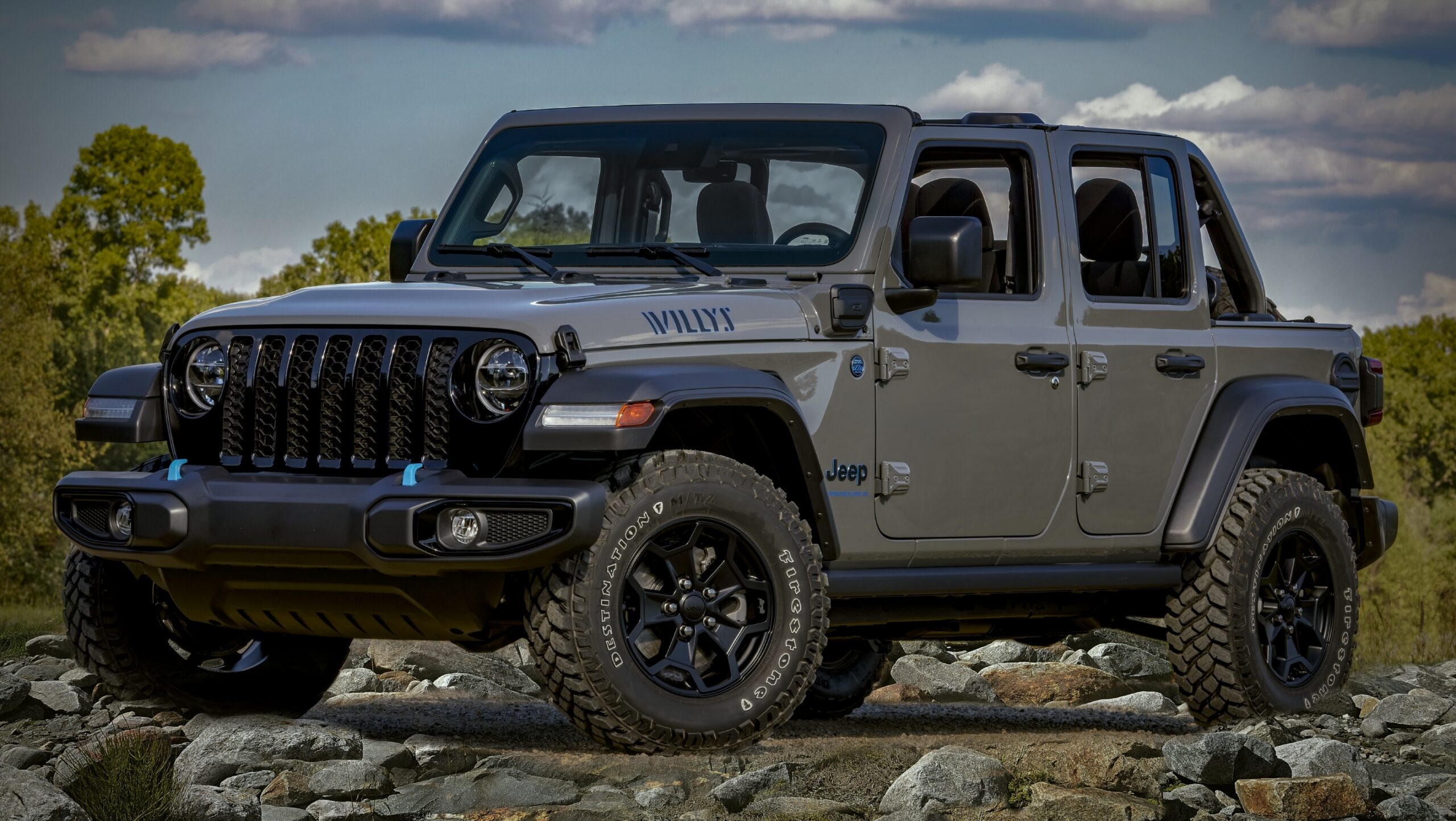
Enhanced Off-Road Performance: Aggressive tire treads provide superior traction on various terrains like mud, rocks, sand, and snow. Larger diameter tires increase ground clearance, allowing you to navigate obstacles with ease. Rims designed for off-roading are typically stronger and more durable to withstand the rigors of challenging trails.
-
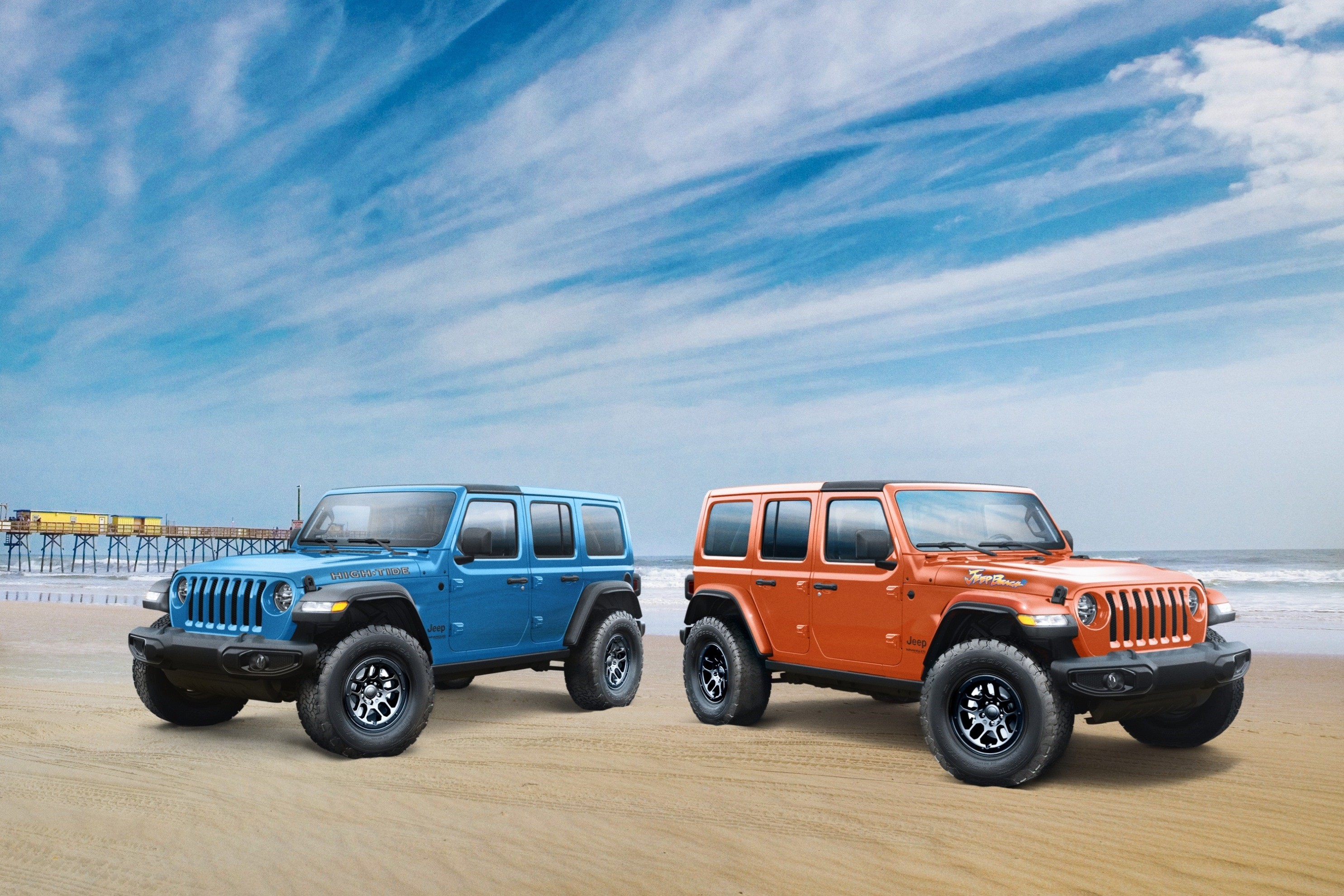
Improved Aesthetics: A new set of rims and tires can dramatically change the look of your Jeep. You can choose from a wide variety of styles, finishes, and sizes to create a unique and personalized appearance that reflects your individual taste.
-
Increased Stability and Handling: Wider tires offer a larger contact patch with the road, improving stability, especially during cornering and braking. The right tire and rim combination can also enhance steering response and overall handling, both on and off the road.
-
Enhanced Safety: Quality tires with proper tread patterns and construction provide better grip in wet and icy conditions, reducing the risk of skidding and improving braking performance. Stronger rims can withstand greater impacts, enhancing the vehicle's safety in the event of an accident.
-
Customization and Personalization: Upgrading rims and tires is a fundamental way to customize your Jeep and make it stand out from the crowd. You can tailor the look and performance of your vehicle to match your specific needs and preferences.
Understanding the Components: Rims and Tires
Before diving into selecting a package, it's essential to understand the key components: rims and tires.
-
Rims (Wheels):
- Material: Common materials include steel, aluminum alloy, and forged aluminum. Steel rims are durable and affordable but heavier. Alloy rims are lighter and offer better heat dissipation but can be more expensive. Forged aluminum rims are the strongest and lightest but also the most expensive.
- Diameter: Measured in inches, the rim diameter must match the tire's inner diameter. Popular sizes for Jeeps range from 15 to 20 inches.
- Width: Measured in inches, the rim width determines the tire's sidewall profile. Wider rims typically require wider tires.
- Bolt Pattern: The bolt pattern is the number and spacing of the lug nuts. It must match your Jeep's specifications. Common Jeep bolt patterns include 5x4.5, 5x5, and 5x5.5.
- Offset: The offset is the distance between the rim's mounting surface and its centerline. Positive offset positions the wheel further inward, while negative offset positions it further outward. Offset affects wheel clearance and stance.
- Backspacing: Backspacing is the distance from the rim's mounting surface to its inner edge. It determines how much the wheel sits inside the wheel well.
-
Tires:
- Type: The most common types are All-Terrain (AT), Mud-Terrain (MT), and Highway Terrain (HT).
- All-Terrain (AT): Versatile tires suitable for both on-road and moderate off-road use. They offer a good balance of traction, comfort, and durability.
- Mud-Terrain (MT): Designed for extreme off-road conditions, with aggressive tread patterns that provide excellent traction in mud, rocks, and sand. They tend to be noisier and less comfortable on the road.
- Highway Terrain (HT): Primarily designed for on-road use, with a smooth and quiet ride. They offer good fuel efficiency but limited off-road capabilities.
- Size: Tire size is typically expressed in a format like "35x12.50R17," where:
- 35 is the overall tire diameter in inches.
- 12.50 is the tire width in inches.
- R indicates radial construction.
- 17 is the rim diameter in inches.
- Load Rating: The load rating indicates the maximum weight the tire can safely carry. It's crucial to choose tires with a load rating that meets or exceeds your Jeep's requirements.
- Speed Rating: The speed rating indicates the maximum speed the tire can safely sustain.
- Tread Pattern: The tread pattern determines the tire's grip and performance on different surfaces.
- Type: The most common types are All-Terrain (AT), Mud-Terrain (MT), and Highway Terrain (HT).
Choosing the Right Jeep Rim and Tire Package: A Step-by-Step Guide
Selecting the perfect rim and tire package for your Jeep involves careful consideration of several factors:
-
Determine Your Needs and Driving Style: Are you primarily driving on the road, or do you spend most of your time off-roading? What types of terrain do you typically encounter? Understanding your needs will help you narrow down your options.
-
Consider Your Jeep's Model and Year: Different Jeep models and years have different wheel well sizes and bolt patterns. Ensure that the rims and tires you choose are compatible with your specific vehicle.
-
Research Tire Sizes and Rim Specifications: Consult your Jeep's owner's manual or online resources to determine the recommended tire sizes and rim specifications. You can also use online tire size calculators to explore alternative sizes.
-
Choose the Right Tire Type: Select the tire type that best suits your driving style and terrain. If you're primarily driving on the road, an All-Terrain or Highway Terrain tire may be the best choice. If you're a serious off-roader, a Mud-Terrain tire is likely the way to go.
-
Select Rims that Match Your Style and Needs: Consider the material, diameter, width, bolt pattern, offset, and backspacing of the rims. Choose a style that complements your Jeep's appearance and meets your performance requirements.
-
Check for Clearance Issues: Ensure that the tires and rims you choose have adequate clearance and won't rub against the fenders, suspension components, or brake lines. You may need to install a lift kit to create more clearance for larger tires.
-
Consider a Professional Installation: While it's possible to install rims and tires yourself, it's generally recommended to have them professionally installed. This will ensure that the wheels are properly balanced and aligned, and that the lug nuts are tightened to the correct torque specifications.
Important Considerations and Potential Challenges
-
Lift Kits: Installing larger tires may require a lift kit to provide adequate clearance. Lift kits come in various sizes and types, from budget-friendly leveling kits to more elaborate suspension lift kits.
-
Gearing: Increasing tire size can affect your Jeep's gearing, potentially reducing acceleration and fuel efficiency. Re-gearing may be necessary to restore optimal performance.
-
Tire Pressure Monitoring System (TPMS): If your Jeep is equipped with a TPMS, you'll need to ensure that the new rims are compatible with the sensors.
-
Wheel Spacers: Wheel spacers can be used to increase wheel offset and create more clearance for larger tires. However, they should be used with caution, as they can put additional stress on the wheel bearings and suspension components.
-
Legal Regulations: Be aware of any local regulations regarding tire size and wheel modifications. Some jurisdictions have restrictions on tire size and fender coverage.
Price Table for Jeep Rim and Tire Packages (Estimates)
| Package Type | Rim Material | Tire Type | Tire Size | Estimated Price Range | Notes |
|---|---|---|---|---|---|
| Basic All-Terrain Package | Steel | All-Terrain | 31x10.50R15 | $800 - $1200 | Entry-level package for improved on/off-road performance. |
| Mid-Range All-Terrain Package | Alloy | All-Terrain | 33x12.50R17 | $1500 - $2500 | Popular choice for balanced performance and aesthetics. |
| Aggressive Mud-Terrain Package | Alloy | Mud-Terrain | 35x12.50R17 | $2000 - $3500 | Ideal for serious off-roaders, requires lift kit on some models. |
| Premium Forged Package | Forged Alloy | Mud-Terrain | 37x12.50R17 | $3500 - $5000+ | High-end package for maximum performance and durability, typically requires a significant lift and re-gearing. |
| Budget Highway Package | Steel | Highway | Stock Size | $600 - $1000 | Primarily for on-road use, focuses on comfort and fuel efficiency. |
Note: Prices are estimates and can vary depending on brand, retailer, and specific components.
Frequently Asked Questions (FAQ)
-
Q: What is the best tire size for my Jeep?
- A: The best tire size depends on your Jeep's model, year, and your intended use. Consult your owner's manual or online resources for recommended sizes.
-
Q: Do I need a lift kit to install larger tires?
- A: It depends on the tire size and your Jeep's model. Larger tires often require a lift kit to provide adequate clearance.
-
Q: What is the difference between All-Terrain and Mud-Terrain tires?
- A: All-Terrain tires are versatile and suitable for both on-road and moderate off-road use. Mud-Terrain tires are designed for extreme off-road conditions.
-
Q: How do I know if the rims will fit my Jeep?
- A: Check the rim's diameter, width, bolt pattern, offset, and backspacing to ensure they are compatible with your Jeep's specifications.
-
Q: Can I install rims and tires myself?
- A: While it's possible, it's generally recommended to have them professionally installed to ensure proper balancing and alignment.
Conclusion: Unleash Your Jeep's Potential
Upgrading to a Jeep rim and tire package is an investment in your vehicle's performance, aesthetics, and overall driving experience. By understanding the key components, considering your needs and driving style, and carefully selecting the right package, you can unlock your Jeep's full potential and conquer any terrain with confidence. Remember to consult with professionals and do your research to ensure that you're making the best choice for your specific vehicle and needs. So, gear up, get out there, and experience the freedom and adventure that only a Jeep with the right rims and tires can provide!