Introduction: Unleash the Ultimate Off-Road Potential of Your Jeep
For Jeep enthusiasts, the call of the wild is irresistible. The promise of exploring rugged landscapes, tackling challenging trails, and experiencing unparalleled freedom is what draws them to these iconic vehicles. But sometimes, even the legendary off-road capabilities of a Jeep need a boost to truly conquer the most extreme terrains. That's where Jeep tracks come in.
Jeep Tracks For Sale: Conquer Any Terrain with Confidence
"Jeep Tracks For Sale" represents more than just a purchase; it's an investment in enhanced mobility, expanded exploration possibilities, and an undeniable upgrade to your Jeep's performance. These specialized traction systems replace your standard tires, providing significantly improved grip and flotation in snow, mud, sand, and even rocky conditions. Whether you're a seasoned off-roader or a weekend adventurer, understanding the world of Jeep tracks can unlock a whole new level of capability for your beloved vehicle. This comprehensive guide will delve into everything you need to know about Jeep tracks for sale, from their benefits and types to installation tips and crucial considerations before making a purchase.
Section 1: Why Choose Jeep Tracks? The Unmatched Advantages
Jeep tracks offer a multitude of benefits compared to traditional tires, particularly in challenging environments. Here's a breakdown of the key advantages:
-
Superior Traction: The primary advantage of tracks is their vastly increased contact area with the ground. This larger surface area distributes the vehicle's weight more evenly, preventing it from sinking into soft terrain like snow or mud. The result is significantly improved traction and grip, allowing you to navigate obstacles that would be impossible with tires alone.
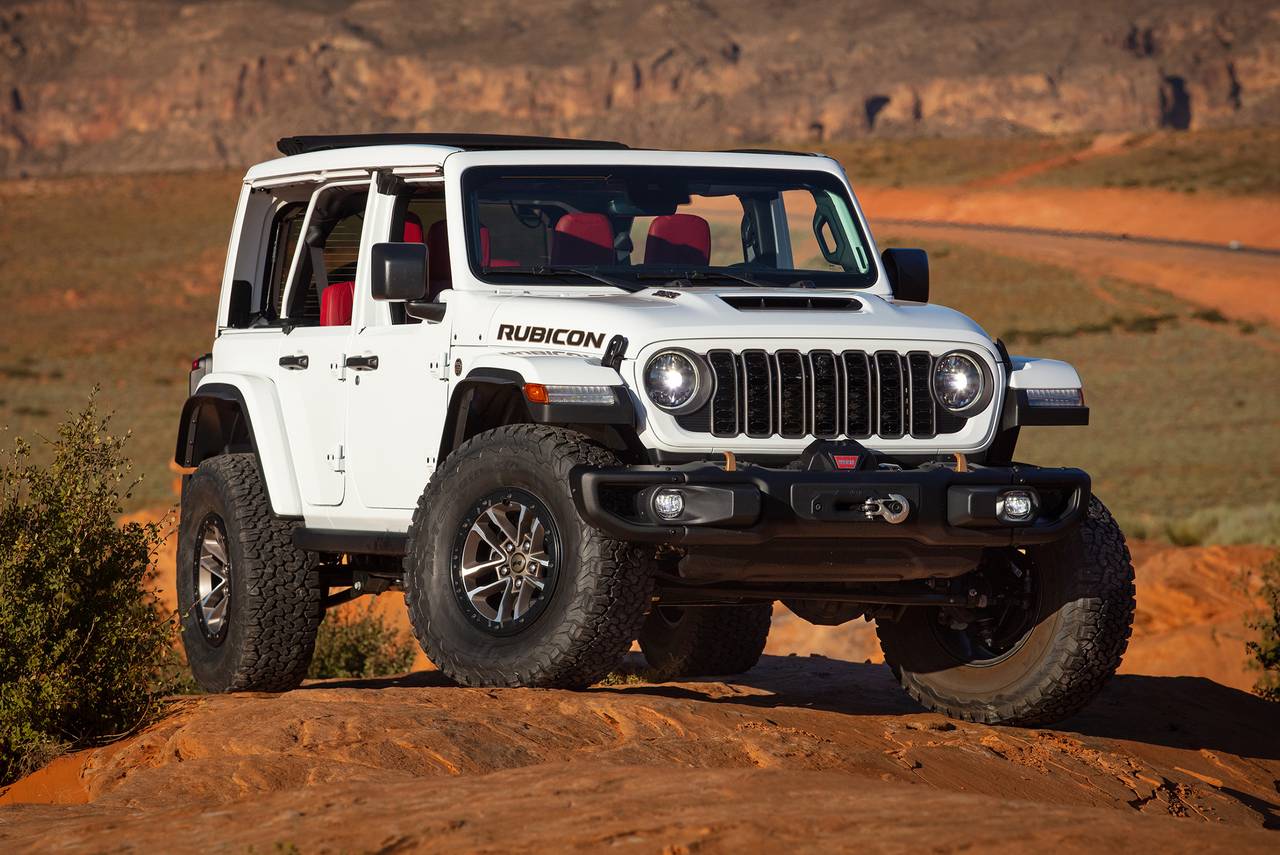
Enhanced Flotation: Tracks "float" over soft surfaces, preventing the vehicle from getting bogged down. This is particularly crucial in deep snow, mud bogs, and sandy dunes. The wider footprint of the tracks distributes the weight, minimizing ground pressure and maximizing buoyancy.
-
Increased Stability: The wider stance provided by tracks increases the vehicle's stability, especially on uneven or sloped terrain. This added stability translates to a safer and more confident driving experience.
-
Expanded Exploration Possibilities: With tracks, you can access remote locations and explore areas that were previously inaccessible. This opens up a whole new world of adventure and allows you to push the boundaries of your off-road capabilities.
-
Impressive Aesthetics: Let's be honest, Jeep tracks look undeniably cool. They transform your Jeep into a formidable off-road machine, turning heads and inspiring awe wherever you go.


Section 2: Understanding the Different Types of Jeep Tracks
Not all tracks are created equal. Different types of tracks are designed for specific applications and terrain conditions. Understanding the different types is crucial for selecting the right tracks for your needs:
-
Rubber Tracks: These are the most common type of track and are suitable for a wide range of terrains, including snow, mud, sand, and even pavement. They offer a good balance of traction, durability, and ride comfort. Rubber tracks are generally quieter than steel tracks and less likely to damage paved surfaces.
-
Steel Tracks: Steel tracks are designed for the most extreme conditions. They offer unparalleled traction and durability, making them ideal for navigating rocky terrain, ice, and deep snow. However, steel tracks are heavier, louder, and can damage paved surfaces. They are also typically more expensive than rubber tracks.
-
Hybrid Tracks: These tracks combine elements of both rubber and steel tracks, offering a compromise between performance, durability, and versatility. They often feature rubber pads on steel links, providing a good balance of traction and comfort.
Section 3: Key Considerations Before Buying Jeep Tracks
Investing in Jeep tracks is a significant decision that requires careful consideration. Before making a purchase, consider the following factors:
-
Jeep Model and Compatibility: Ensure that the tracks you are considering are compatible with your specific Jeep model and year. Track manufacturers typically provide compatibility charts to help you determine the right fit.
-
Terrain and Usage: Consider the type of terrain you will be primarily using the tracks on. If you plan to navigate primarily snow and mud, rubber tracks may be sufficient. However, if you anticipate encountering rocky terrain and ice, steel tracks may be necessary.
-
Installation and Maintenance: Understand the installation process and the required maintenance for the tracks. Some tracks are easier to install and maintain than others. Consider whether you have the necessary tools and skills to install the tracks yourself or if you will need to hire a professional.
-
Legality: Check local laws and regulations regarding the use of tracks on public roads. In some areas, tracks may be restricted or require special permits.
-
Storage: Tracks can be bulky and require significant storage space when not in use. Consider where you will store the tracks when they are not installed on your Jeep.
-
Budget: Jeep tracks can be a significant investment. Set a budget and research different options to find the best value for your money.
Section 4: Installation Tips and Best Practices
Installing Jeep tracks can be a challenging but rewarding process. Here are some tips and best practices to ensure a successful installation:
-
Read the Instructions Carefully: Before starting the installation process, thoroughly read the manufacturer's instructions. Familiarize yourself with the steps and any specific requirements for your Jeep model.
-
Gather the Necessary Tools: Ensure that you have all the necessary tools and equipment before starting the installation. This may include wrenches, sockets, jacks, jack stands, and a torque wrench.
-
Follow Safety Precautions: Always follow safety precautions when working on your vehicle. Wear safety glasses and gloves, and use jack stands to support the vehicle securely.
-
Seek Professional Assistance: If you are not comfortable installing the tracks yourself, seek professional assistance from a qualified mechanic.
-
Torque Specifications: Pay close attention to torque specifications when tightening bolts and fasteners. Over-tightening can damage the components, while under-tightening can lead to loosening and failure.
-
Test Drive and Adjust: After installing the tracks, take your Jeep for a test drive to ensure that everything is functioning properly. Make any necessary adjustments to the track tension or alignment.
Section 5: Maintaining Your Jeep Tracks for Longevity
Proper maintenance is crucial for extending the lifespan of your Jeep tracks and ensuring optimal performance. Here are some essential maintenance tips:
-
Regular Inspections: Regularly inspect the tracks for signs of wear and tear, such as cracks, cuts, or missing components.
-
Track Tension Adjustment: Maintain the correct track tension according to the manufacturer's recommendations. Over-tightened tracks can cause premature wear, while loose tracks can slip and damage the drive system.
-
Cleaning: Clean the tracks regularly to remove dirt, mud, and debris. This will help prevent corrosion and ensure smooth operation.
-
Lubrication: Lubricate moving parts according to the manufacturer's recommendations. This will help reduce friction and wear.
-
Storage: Store the tracks in a dry, protected location when not in use. This will help prevent corrosion and damage.
Section 6: Potential Challenges and Solutions
While Jeep tracks offer numerous benefits, they can also present some challenges. Here are some potential issues and solutions:
-
Reduced Speed: Tracks typically reduce the vehicle's top speed compared to tires. Be prepared for slower acceleration and lower cruising speeds.
- Solution: Adjust your driving style to accommodate the reduced speed and plan your routes accordingly.
-
Increased Fuel Consumption: Tracks can increase fuel consumption due to the increased rolling resistance and weight.
- Solution: Monitor your fuel consumption and adjust your driving habits to maximize fuel efficiency.
-
Noise and Vibration: Tracks can generate more noise and vibration than tires, especially on paved surfaces.
- Solution: Consider using rubber tracks, which are generally quieter than steel tracks.
-
Turning Radius: Tracks can increase the vehicle's turning radius, making it more difficult to maneuver in tight spaces.
- Solution: Practice maneuvering in tight spaces to get a feel for the increased turning radius.
-
Cost: Jeep tracks can be a significant investment.
- Solution: Research different options and compare prices to find the best value for your money. Consider buying used tracks or financing the purchase.
Section 7: Jeep Tracks For Sale: A Table Price Guide
| Track Brand and Model | Track Type | Jeep Model Compatibility | Price (Approximate) | Key Features |
|---|---|---|---|---|
| Camso ATV R4S | Rubber | Most Jeep Wrangler, Gladiator, and some Cherokee models | $5,000 - $8,000 | All-season performance, good traction on snow, mud, and pavement, relatively quiet |
| Kimpex Commander WTRACK | Rubber | Jeep Wrangler JK, JL | $6,000 - $9,000 | Aggressive tread pattern, excellent flotation, durable construction |
| AD Boivin Track N Go | Rubber | Wide Range of Jeep Models | $15,000 - $25,000 | Can be installed without lifting or jacking the vehicle, ideal for those who require quick transitions between tires and tracks. |
| McLaren Industries Nu-Air | Rubber | Wide Range of Jeep Models | $6,500 - $9,500 | Solid, airless rubber tires for maximum puncture resistance. Ideal for environments with sharp rocks or debris. |
| Mattracks M3 | Rubber | Most Jeep Wrangler, Gladiator, and some Cherokee models | $28,000 - $40,000 | High-performance, heavy-duty construction, designed for extreme conditions, offers superior traction and flotation, available in multiple sizes. |
Note: Prices are approximate and can vary depending on the retailer, location, and any additional options or accessories. It is always best to contact the manufacturer or a reputable dealer for the most accurate pricing. Installation costs are not included in these prices.
Conclusion: Unlock Your Jeep's Full Potential
Jeep tracks represent a significant upgrade for off-road enthusiasts, offering unparalleled traction, flotation, and exploration possibilities. By carefully considering your needs, understanding the different types of tracks, and following proper installation and maintenance procedures, you can unlock your Jeep's full potential and conquer any terrain with confidence. While there are challenges associated with owning and operating tracks, the benefits far outweigh the drawbacks for those seeking the ultimate off-road experience. Investing in Jeep tracks is an investment in adventure, freedom, and the ability to explore the world like never before.
Frequently Asked Questions (FAQ) About Jeep Tracks
-
Q: Are Jeep tracks street legal?
- A: It depends on your local laws and regulations. Some areas restrict or prohibit the use of tracks on public roads. Check your local regulations before using tracks on the street.
-
Q: How much do Jeep tracks cost?
- A: The cost of Jeep tracks varies depending on the type, brand, and model. Rubber tracks typically range from $5,000 to $10,000, while steel tracks can cost $10,000 or more.
-
Q: Can I install Jeep tracks myself?
- A: Installing Jeep tracks can be challenging and requires mechanical knowledge and experience. If you are not comfortable installing the tracks yourself, it is best to seek professional assistance.
-
Q: How long do Jeep tracks last?
- A: The lifespan of Jeep tracks depends on the type, usage, and maintenance. With proper care, tracks can last for several years.
-
Q: Do Jeep tracks damage paved surfaces?
- A: Steel tracks can damage paved surfaces. Rubber tracks are less likely to cause damage, but it is still important to exercise caution when driving on pavement.
-
Q: Will tracks affect my Jeep's warranty?
- A: Modifying your Jeep with tracks may void certain parts of your warranty. Check with your Jeep dealer or manufacturer to understand the potential impact on your warranty.
-
Q: Can I use tracks in the summer?
- A: Yes, some tracks are designed for all-season use and can be used in the summer on sand, mud, and other off-road terrain.
-
Q: What is the best type of track for snow?
- A: Both rubber and steel tracks can perform well in snow, depending on the conditions. Rubber tracks are generally preferred for softer snow, while steel tracks are better for icy conditions.
-
Q: Where can I buy Jeep tracks?
- A: Jeep tracks can be purchased from specialty off-road retailers, track manufacturers, and online marketplaces. Be sure to research different options and compare prices before making a purchase.