The Jeep Wrangler is renowned for its off-road prowess, a legacy built on rugged durability and go-anywhere capability. While its standard tires are impressive, there are environments where even the most aggressive treads struggle. That's where Jeep Wrangler Tracks come into play. These aren't just accessories; they're game-changers, transforming your Wrangler into an unstoppable force, capable of traversing deep snow, thick mud, and even soft sand with unparalleled ease. This article will delve into the world of Jeep Wrangler Tracks, exploring their benefits, different types, installation considerations, and everything else you need to know to decide if they're the right upgrade for your off-road adventures.
What are Jeep Wrangler Tracks?
Jeep Wrangler Tracks: Conquering Any Terrain
Jeep Wrangler Tracks are essentially a replacement for your vehicle's wheels and tires. Instead of rotating tires, they utilize a continuous belt or track, distributing the vehicle's weight over a much larger surface area. This drastically reduces ground pressure, preventing the Wrangler from sinking into soft or unstable terrain. Imagine a snowshoe compared to a regular shoe – the principle is the same. Tracks provide superior floatation and traction, enabling you to navigate conditions that would leave a tire-equipped vehicle hopelessly stuck.
Why Choose Tracks for Your Jeep Wrangler?
The advantages of using tracks on your Jeep Wrangler are numerous and significant:
- Unmatched Floatation: This is the primary benefit. Tracks spread the weight of the vehicle, preventing it from sinking into soft surfaces like snow, mud, and sand.
- Superior Traction: The increased surface area and aggressive tread patterns on tracks provide exceptional grip, allowing you to climb steep inclines and navigate slippery conditions with confidence.
- Enhanced Safety: By providing better control and stability in challenging terrain, tracks can significantly improve safety, reducing the risk of getting stuck or losing control.
- Increased Versatility: Tracks open up a whole new world of off-road possibilities. You can explore areas that were previously inaccessible, expanding your adventuring horizons.
- Head-Turning Style: Let's be honest, tracks make your Jeep Wrangler look incredibly cool and capable. They're a surefire way to turn heads and make a statement.
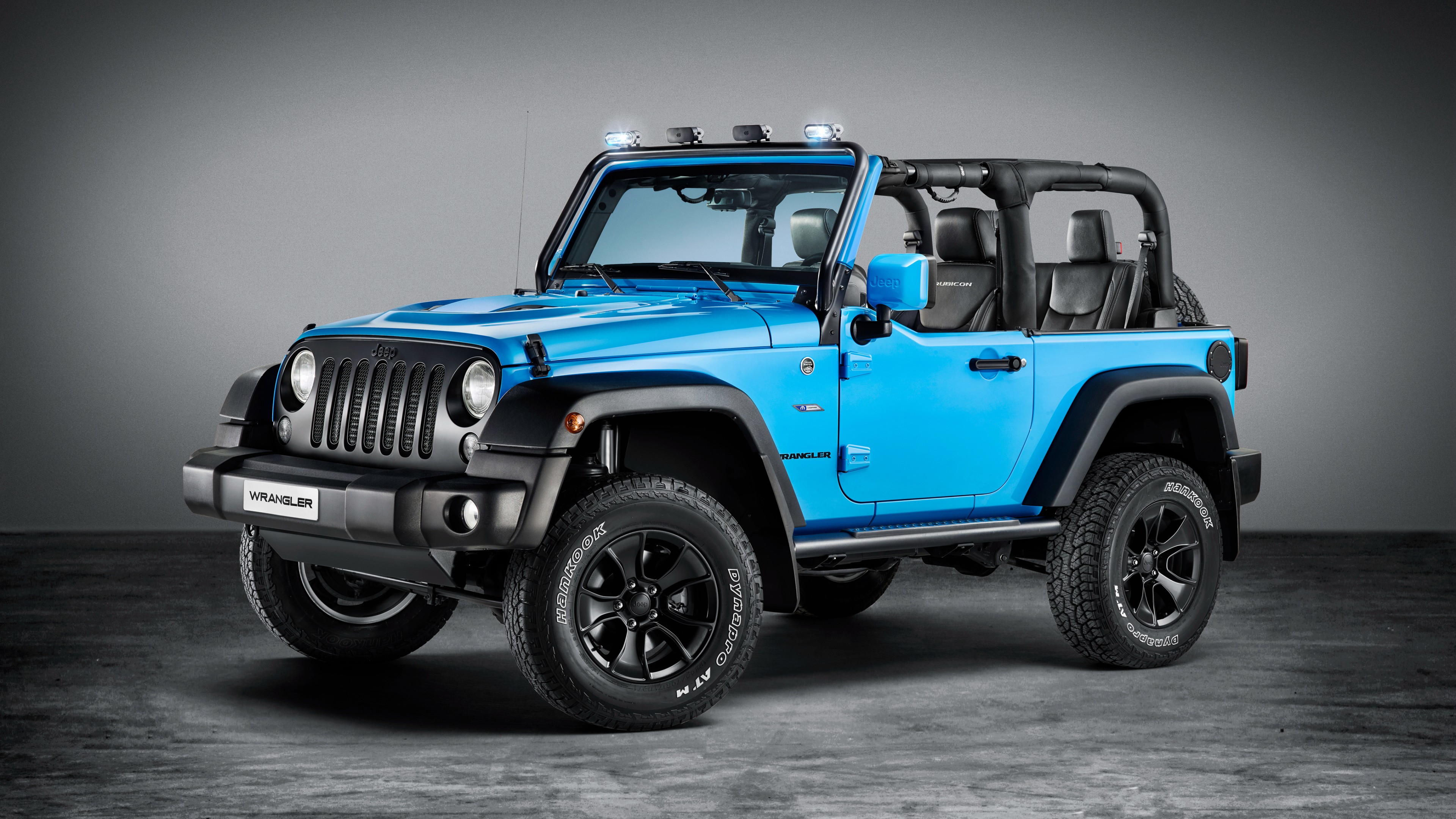
Types of Jeep Wrangler Tracks:
While the core principle remains the same, different types of tracks cater to specific needs and terrain. Here are some common categories:
- All-Terrain Tracks: These are designed for a versatile mix of conditions, including snow, mud, and sand. They offer a good balance of floatation, traction, and durability.
- Snow Tracks: Optimized for deep snow conditions, these tracks typically feature wider treads and aggressive lug patterns for maximum grip.
- Mud Tracks: Designed for extreme mud terrain, these tracks have aggressive tread patterns and self-cleaning capabilities to prevent clogging.
- Hybrid Tracks: Some manufacturers offer hybrid tracks that attempt to blend the benefits of different types, offering a compromise between snow and mud performance.
- Rubber Tracks: Offer a smoother ride and are quieter on paved surfaces compared to steel tracks. Ideal for those who frequently transition between on and off-road environments.
- Steel Tracks: Known for their extreme durability and ability to withstand harsh conditions. Best suited for heavy-duty applications and environments where longevity is paramount.
Installing Jeep Wrangler Tracks: A Step-by-Step Guide
Installing tracks on your Jeep Wrangler is a significant undertaking and typically requires specialized tools and knowledge. It is highly recommended to have them professionally installed. However, here's a general overview of the process:
- Preparation: Ensure you have the correct track kit for your specific Jeep Wrangler model and year. Gather all necessary tools, including a heavy-duty jack, jack stands, lug wrench, torque wrench, and any specialized tools recommended by the track manufacturer.
- Vehicle Lifting and Securing: Safely lift the Jeep Wrangler using a jack and secure it with jack stands. Ensure the vehicle is stable and level before proceeding.
- Wheel Removal: Remove the wheels and tires from the vehicle.
- Track Installation: Follow the manufacturer's instructions carefully for assembling and installing the tracks. This typically involves attaching the tracks to the vehicle's hubs using adapters.
- Alignment and Adjustment: Once the tracks are installed, carefully align and adjust them according to the manufacturer's specifications. This is crucial for proper performance and longevity.
- Torqueing and Inspection: Torque all bolts and fasteners to the specified values. Thoroughly inspect the installation to ensure everything is secure and properly aligned.
- Test Drive: Conduct a slow and cautious test drive in a safe area to verify the tracks are functioning correctly.
Important Considerations Before Purchasing Tracks:
Before investing in a set of tracks for your Jeep Wrangler, consider the following factors:
- Budget: Tracks are a significant investment, ranging from several thousand to tens of thousands of dollars.
- Intended Use: Determine the primary terrain you'll be using the tracks on (snow, mud, sand, etc.) to choose the appropriate type.
- Vehicle Modifications: Tracks may require modifications to your Jeep Wrangler, such as suspension upgrades or fender trimming, to ensure proper clearance.
- Storage: Tracks are bulky and require significant storage space when not in use.
- Legal Restrictions: Check local laws and regulations regarding the use of tracks on public roads. Some jurisdictions may have restrictions or require permits.
- Professional Installation: As mentioned earlier, professional installation is highly recommended to ensure proper fitment and safety.
- Maintenance: Tracks require regular maintenance, including cleaning, lubrication, and inspection for wear and tear.
Tips for Maximizing Track Performance:
- Adjust Tire Pressure: Consult the track manufacturer's recommendations for optimal tire pressure within the tracks.
- Avoid Pavement: Excessive use on pavement can damage the tracks and reduce their lifespan.
- Use Proper Driving Techniques: Learn how to drive with tracks in different terrains. This may involve adjusting your speed, steering, and throttle input.
- Carry Recovery Gear: Always carry essential recovery gear, such as a winch, tow straps, and shovels, in case you get stuck.
Potential Challenges and Solutions:
- Increased Turning Radius: Tracks significantly increase the turning radius of your Jeep Wrangler. Be aware of this when navigating tight spaces.
- Reduced Fuel Economy: The added weight and resistance of tracks will negatively impact fuel economy.
- Increased Wear and Tear: Tracks can put extra stress on your vehicle's drivetrain and suspension components. Regular maintenance is crucial.
- Track Slippage: In certain conditions, tracks can slip or lose traction. Using proper driving techniques and adjusting tire pressure can help mitigate this.
- Track Damage: Tracks can be damaged by rocks, debris, or improper use. Regular inspection and maintenance are essential to prevent costly repairs.
Price Table for Jeep Wrangler Tracks
| Track Brand/Model | Typical Price Range | Key Features | Terrain Focus | Installation Complexity |
|---|---|---|---|---|
| Camso (Various Models) | $5,000 - $15,000 | Durable construction, various lug patterns, good floatation | All-terrain, Snow, Mud | Moderate to High |
| Mattracks | $10,000 - $25,000 | High-performance, advanced suspension, aggressive tread patterns | Extreme Snow, Mud, Sand | High |
| Polaris Prospector Pro | $8,000 - $18,000 | Versatile design, good balance of floatation and traction, suitable for various applications | All-terrain, Snow, Moderate Mud | Moderate |
| Kimpex Commander Widetrack | $6,000 - $14,000 | Wide track design for maximum floatation, durable construction, suitable for snow and soft terrain | Deep Snow, Soft Terrain | Moderate |
| Soucy Track | $9,000 - $20,000 | Known for reliability and performance, designed for demanding conditions, often used in industrial settings | Heavy Snow, Mud, Industrial Applications | High |
| Aftermarket Options | $4,000 - $12,000 | Varies widely in quality and performance, research thoroughly before purchasing | Depends on the specific model, ranges from snow to mud | Low to Moderate |
Note: Prices are approximate and can vary based on the retailer, track size, and specific features. Installation costs are not included.
Frequently Asked Questions (FAQ):
- Are tracks street legal? This varies by location. Check local laws and regulations.
- How fast can I drive with tracks? Track manufacturers typically recommend a maximum speed of 25-40 mph.
- Do tracks require any special maintenance? Yes, regular cleaning, lubrication, and inspection are essential.
- Can I install tracks myself? While possible, professional installation is highly recommended.
- Will tracks damage my Jeep Wrangler? If properly installed and maintained, tracks should not cause significant damage. However, they can put extra stress on certain components.
- How do tracks affect fuel economy? Tracks will significantly reduce fuel economy.
- What size tracks do I need for my Jeep Wrangler? Consult the track manufacturer's recommendations for your specific model and year.
- Can I use tracks in the summer? Tracks can be used in summer conditions, but avoid excessive use on pavement.
Conclusion:
Jeep Wrangler Tracks are a powerful upgrade that can transform your vehicle into an unstoppable off-road machine. By providing unmatched floatation and traction, they allow you to conquer terrain that would be impossible with standard tires. However, tracks are a significant investment and require careful consideration. By understanding the different types of tracks, installation requirements, and potential challenges, you can make an informed decision and unlock a whole new world of off-road adventures with your Jeep Wrangler. While the cost and complexities involved are considerable, the freedom and capability that tracks provide are unmatched, making them a worthwhile investment for serious off-road enthusiasts.