Penske Truck Leasing is a behemoth in the transportation industry, offering a wide range of commercial vehicles for rent and lease. But simply renting a truck isn't enough. Understanding the "Penske Truck Inside" – the resources, technologies, and processes that Penske provides to enhance the customer experience – is crucial to a successful and efficient rental. This article serves as your comprehensive guide to navigating the Penske ecosystem, maximizing your rental experience, and avoiding potential pitfalls.
Introduction: Unlocking the Power Within Penske Truck Rental
Penske Truck Inside: A Comprehensive Guide to Maximizing Your Rental Experience
Renting a truck, whether for a personal move or a business operation, can be a stressful undertaking. Penske aims to alleviate that stress by offering more than just a vehicle. "Penske Truck Inside" refers to the wealth of resources, technological integrations, support systems, and value-added services that Penske provides to its customers. From online tools for booking and managing rentals to comprehensive maintenance programs and roadside assistance, understanding and utilizing these resources is paramount to a smooth and successful transportation experience. This guide will delve into the key aspects of "Penske Truck Inside," providing practical advice and actionable insights to help you make the most of your Penske rental.
Section 1: Booking and Planning Your Penske Rental: Laying the Foundation for Success
The rental process begins long before you pick up the keys. Effective planning is essential.
- Online Reservation System: Penske's website is your first port of call. It allows you to check availability, compare truck sizes, estimate costs (including mileage), and reserve your vehicle. Utilize the online tools to:
- Accurately Estimate Truck Size: Don't underestimate your needs. Penske offers various truck sizes. Use their online size guide, considering the volume and weight of your belongings or cargo. Overestimating is better than underestimating.
- Calculate Mileage: Accurately estimate your mileage. Consider detours, traffic, and potential route changes. Extra mileage charges can quickly add up.
- Consider Add-ons: Dollies, furniture pads, and other moving supplies are available for rent. Factor these into your initial reservation to save time and hassle later.
- Understand Insurance Options: Penske offers various insurance packages. Carefully review the coverage options and choose the one that best suits your needs and risk tolerance.

- Contacting a Penske Representative: For complex moves or business needs, speaking with a Penske representative is highly recommended. They can provide personalized advice, answer specific questions, and help you navigate the rental process.
- Understanding the Rental Agreement: This is crucial. Read the fine print carefully. Pay attention to:

- Mileage Allowance: Know your allotted mileage and the cost per mile for exceeding it.
- Return Location: Verify the designated return location and any associated fees for returning to a different location.
- Fuel Policy: Understand the fuel requirements and any associated penalties for returning the truck with insufficient fuel.
- Damage Responsibility: Clearly understand your responsibility for any damage to the truck during the rental period.
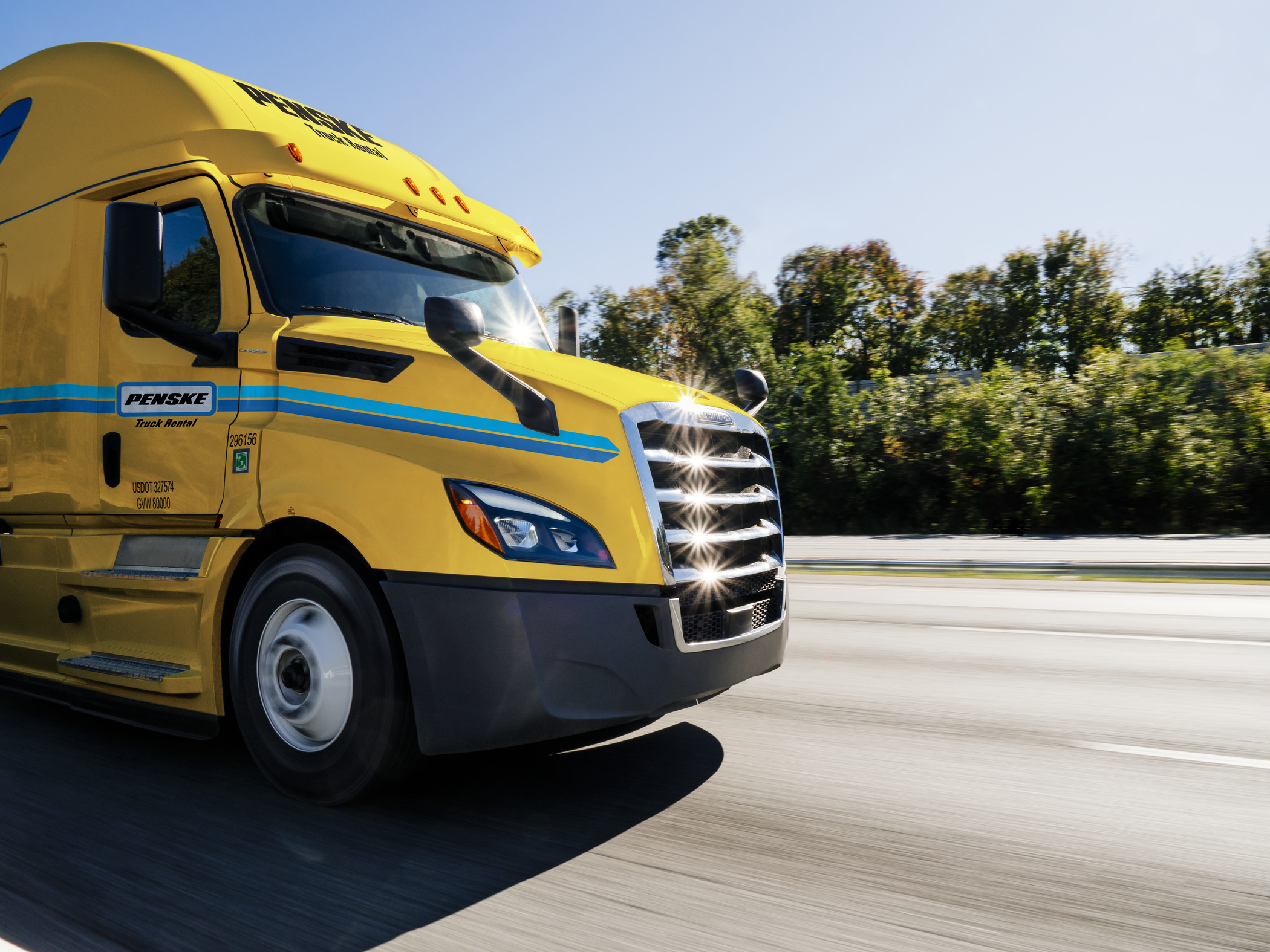
- Pick-Up Checklist: Before driving off the lot, meticulously inspect the truck. Note any existing damage (scratches, dents, etc.) on the rental agreement to avoid being held liable for pre-existing issues. Test the lights, brakes, and turn signals to ensure they are functioning properly.
Section 2: Leveraging Penske Technology: Optimizing Efficiency and Control
Penske integrates technology to streamline the rental experience. Here's how to leverage it:
- Penske Fleet Insight: For businesses, Penske Fleet Insight is a powerful tool. It provides real-time data on vehicle location, driver behavior, fuel consumption, and maintenance needs. This data can be used to optimize routes, improve driver safety, and reduce operating costs.
- Penske Driver App: This app (availability may vary depending on rental type) can provide drivers with access to essential information, including:
- Digital Vehicle Inspection Reports (DVIRs): Streamline the inspection process and ensure compliance.
- Maintenance Schedules: Stay on top of preventative maintenance and minimize downtime.
- Roadside Assistance Contact: Quickly access assistance in case of breakdowns or emergencies.
- GPS Navigation: Most Penske trucks are equipped with GPS navigation systems. Utilize these systems to optimize routes, avoid traffic congestion, and ensure timely delivery.
- Online Account Management: Manage your rental agreement, track mileage, and access billing information online.
Section 3: The Penske Maintenance Program: Keeping You on the Road
Penske's comprehensive maintenance program is a key differentiator. It's designed to minimize downtime and ensure the reliability of its vehicles.
- Preventative Maintenance: Penske performs regular preventative maintenance on its vehicles to identify and address potential issues before they become major problems.
- 24/7 Roadside Assistance: Penske offers 24/7 roadside assistance in case of breakdowns, flat tires, or other emergencies. Keep the roadside assistance number readily available.
- Reporting Maintenance Issues: If you experience any mechanical issues with the truck, report them to Penske immediately. Do not attempt to repair the vehicle yourself unless authorized by Penske.
- Understanding Your Responsibilities: While Penske handles most maintenance, drivers are responsible for basic checks, such as tire pressure, fluid levels, and ensuring the vehicle is safe to operate.
Section 4: Insurance and Liability: Protecting Yourself and the Vehicle
Understanding insurance options is crucial for protecting yourself and the rented truck.
- Liability Insurance: Covers damage or injury to third parties caused by the operation of the vehicle.
- Collision Damage Waiver (CDW): Covers damage to the rented truck, subject to certain exclusions and deductibles. Carefully review the terms and conditions of the CDW.
- Cargo Insurance: Protects your cargo from loss or damage during transit.
- Supplemental Liability Insurance (SLI): Provides additional liability coverage beyond the standard limits.
- Personal Accident Insurance (PAI): Covers medical expenses and other costs in case of injury to the driver or passengers.
- Consult with an Insurance Professional: If you have complex insurance needs or are unsure which coverage options are best for you, consult with an insurance professional.
Section 5: Safe Driving Practices and Considerations: Ensuring a Smooth Journey
Operating a large truck requires different skills and considerations than driving a passenger vehicle.
- Defensive Driving: Practice defensive driving techniques, maintaining a safe following distance, anticipating potential hazards, and avoiding distractions.
- Truck Size and Weight: Be aware of the truck's size and weight, especially when navigating tight spaces, bridges, and low-clearance areas.
- Load Securement: Properly secure your cargo to prevent it from shifting or falling during transit. Use straps, tie-downs, and other appropriate securement devices.
- Hours of Service Regulations: If you are operating the truck for commercial purposes, be aware of hours of service regulations and ensure you comply with all applicable rules.
- Weather Conditions: Adjust your driving accordingly in adverse weather conditions, such as rain, snow, or ice. Reduce your speed and increase your following distance.
Section 6: Returning the Truck: Closing the Loop
Returning the truck properly is just as important as picking it up.
- Fuel Level: Return the truck with the fuel level specified in the rental agreement. Failure to do so will result in additional charges.
- Cleanliness: Clean the truck before returning it. Remove all trash and debris from the cargo area and cab.
- Damage Inspection: Allow a Penske representative to inspect the truck for any new damage. Be present during the inspection and review the damage report carefully.
- Mileage Verification: Verify the mileage on the odometer with the rental agreement.
- Return Paperwork: Obtain a signed return receipt from Penske. This document serves as proof that you have returned the truck and fulfilled your obligations under the rental agreement.
Section 7: Potential Challenges and Solutions: Navigating Common Hurdles
Even with careful planning, unexpected challenges can arise.
- Truck Availability: Demand for rental trucks can be high, especially during peak moving seasons. Book your truck well in advance to ensure availability. Solution: Book early and be flexible with your pick-up and drop-off dates.
- Unexpected Mechanical Issues: Despite Penske's maintenance program, mechanical issues can still occur. Solution: Report any issues immediately to Penske's roadside assistance. Have your rental agreement details readily available.
- Unexpected Traffic Delays: Traffic delays can disrupt your schedule and increase your mileage. Solution: Plan your route carefully, allowing for potential delays. Use GPS navigation to find alternative routes if necessary.
- Damage Disputes: Disputes over damage can be stressful and time-consuming. Solution: Thoroughly document the condition of the truck at pick-up and return. Take photos and videos to support your claims.
Table Price: Penske Truck Inside
| Feature/Service | Description | Price (Approximate) | Notes |
|---|---|---|---|
| Truck Rental (e.g., 12ft Box Truck) | Base rental fee for the truck itself, based on size and duration. | $19.99 - $39.99 per day + mileage | Prices vary widely based on location, demand, and truck size. Mileage charges typically range from $0.79 to $1.29 per mile. |
| Mileage Fee | Cost per mile driven beyond the included mileage allowance. | $0.79 - $1.29 per mile | Significantly impacts total cost; plan your route carefully. |
| Insurance (CDW) | Collision Damage Waiver - covers damage to the rental truck. | $15 - $30 per day | Consider your own insurance coverage and deductible before purchasing. |
| Insurance (SLI) | Supplemental Liability Insurance - provides additional liability coverage. | $10 - $20 per day | Recommended for extra protection against lawsuits. |
| Cargo Insurance | Protects your goods during transport. | Varies based on coverage amount; typically $5 - $15 per day per $10,000 coverage. | Essential for valuable or irreplaceable items. |
| Dollies/Moving Supplies | Rental of hand trucks, furniture pads, moving boxes, etc. | Dollies: $10 - $15 per day; Furniture Pads: $5 - $10 per day (per pad) | Convenient for easier loading and unloading. |
| Fuel | Cost to refuel the truck to the required level upon return. | Market Rate (considerably higher than gas station prices if Penske refuels) | Fill up the tank yourself before returning the truck to avoid inflated fuel charges. |
| Late Return Fee | Fee charged for returning the truck after the agreed-upon return time. | Varies; can be significant (e.g., one-day rental fee) | Return the truck on time to avoid penalties. |
| Cleaning Fee | Charged if the truck is returned excessively dirty. | $50 - $100+ | Remove all trash and debris before returning the truck. |
| One-Way Fee (if applicable) | Fee for returning the truck to a different location than the pick-up location. | Varies greatly based on distance and truck size. | Can be a significant cost; factor this into your budget. |
Disclaimer: Prices are approximate and subject to change. Contact Penske directly for accurate quotes.
Frequently Asked Questions (FAQ)
- Q: What size truck do I need?
- A: Use Penske's online size guide or consult with a Penske representative. Consider the volume and weight of your belongings or cargo.
- Q: What are the insurance options?
- A: Penske offers various insurance packages, including liability, CDW, cargo insurance, and SLI. Review the coverage options carefully and choose the one that best suits your needs.
- Q: What happens if the truck breaks down?
- A: Penske offers 24/7 roadside assistance. Contact them immediately and provide your location and the nature of the problem.
- Q: Can I return the truck to a different location?
- A: Yes, but there may be a one-way fee. Contact Penske to confirm the drop-off location and associated fees.
- Q: What are the fuel requirements?
- A: Return the truck with the fuel level specified in the rental agreement. Typically, this is a full tank.
Conclusion: Mastering the "Penske Truck Inside" for a Seamless Experience
"Penske Truck Inside" is more than just a rental service; it's an ecosystem designed to support your transportation needs. By understanding and utilizing the resources, technologies, and support systems that Penske provides, you can significantly enhance your rental experience, minimize stress, and ensure a smooth and successful journey. From careful planning and leveraging technology to understanding insurance and practicing safe driving habits, mastering the "Penske Truck Inside" is the key to unlocking the full potential of your Penske rental. So, take the time to explore the resources available to you and embark on your transportation journey with confidence.