Moving within Florida, embarking on a cross-country adventure from the Sunshine State, or simply needing to haul large items? Rental trucks are an indispensable resource. "Rental Truck Florida" encompasses everything you need to know about renting a truck in Florida, from navigating the diverse options available to understanding the specific regulations and considerations unique to the state. This guide will provide you with practical advice, actionable insights, and essential information to make your rental truck experience in Florida smooth and successful.
Why Rental Trucks are Essential in Florida
Rental Truck Florida: Your Comprehensive Guide to Moving and Hauling
Florida's vibrant economy and transient population make rental trucks a constant fixture. Whether it's students moving to Gainesville for college, families relocating to the Orlando suburbs, or businesses transporting goods across the state, rental trucks provide a flexible and affordable solution. The sheer size of Florida, coupled with the diverse landscape from bustling cities to rural communities, necessitates reliable transportation for a variety of needs. Unlike other states, Florida doesn't have particularly stringent moving restrictions, but knowing the local nuances can save you time and money.
Section 1: Choosing the Right Rental Truck in Florida: Size and Types
The first step is determining the appropriate truck size for your needs. Underestimating can lead to multiple trips and increased costs, while overestimating means paying for unused space. Here's a breakdown of common rental truck sizes and their typical applications:
-
Cargo Vans (Pickup Trucks): Ideal for small moves, transporting furniture pieces, or hauling equipment. They offer the best fuel economy and are easy to maneuver in urban areas.

10-Foot Trucks: Suitable for studio apartments or small one-bedroom apartments. They can typically accommodate a few pieces of furniture and several boxes.
-
15-Foot Trucks: A popular choice for one to two-bedroom apartments or smaller houses. They offer a good balance of space and maneuverability.
-
20-Foot Trucks: Perfect for two to three-bedroom houses or larger apartments. They can handle a significant amount of furniture and belongings.
-
26-Foot Trucks: The largest available option, designed for three to five-bedroom houses or large commercial moves. These trucks require careful handling and are best suited for experienced drivers.

Beyond size, consider the type of truck. Most rental companies offer standard cargo trucks. Some might offer specialty trucks like refrigerated trucks for specific commercial needs, though these are less common in standard rental fleets.
Practical Advice:
- Inventory your belongings: Create a detailed list of what you need to move. This will help you estimate the required space more accurately.
- Consider furniture dimensions: Pay attention to the size of your furniture, especially large items like sofas and mattresses.
- Err on the side of caution: If you're unsure, it's better to rent a slightly larger truck than to risk running out of space.
- Check interior dimensions: Confirm the actual interior dimensions of the truck you are renting. These may vary slightly between different models.
Section 2: Navigating Rental Companies in Florida: U-Haul, Penske, and Budget
Florida boasts a competitive rental truck market, with major players like U-Haul, Penske, and Budget dominating the landscape. Each company offers varying pricing structures, fleet sizes, and service levels.
-
U-Haul: Known for its extensive network of locations, U-Haul offers a wide range of truck sizes and trailers. They are generally considered the most affordable option, especially for local moves, but their pricing can fluctuate significantly based on demand and location. They also offer a lot of "add on" options.
-
Penske: Penske is known for its newer, well-maintained fleet of trucks. They typically offer competitive pricing for long-distance moves and focus on business rentals as well. Their customer service is generally highly rated.
-
Budget Truck Rental: Budget offers a balance between affordability and service. They have a decent network of locations and offer discounts for AAA members and other affiliations.
Important Considerations:
- Availability: Book your truck well in advance, especially during peak moving seasons (summer and holidays).
- Pricing: Compare quotes from multiple companies. Pay attention to the base rate, mileage fees, insurance costs, and any additional charges.
- Insurance: Rental truck insurance is crucial. Check if your existing auto insurance policy covers rental trucks. If not, consider purchasing supplemental coverage from the rental company.
- Mileage: Most rental companies charge per mile. Accurately estimate your mileage to avoid unexpected costs.
- Fuel Policy: Understand the fuel policy. Typically, you'll need to return the truck with the same amount of fuel as when you picked it up.
Practical Advice:
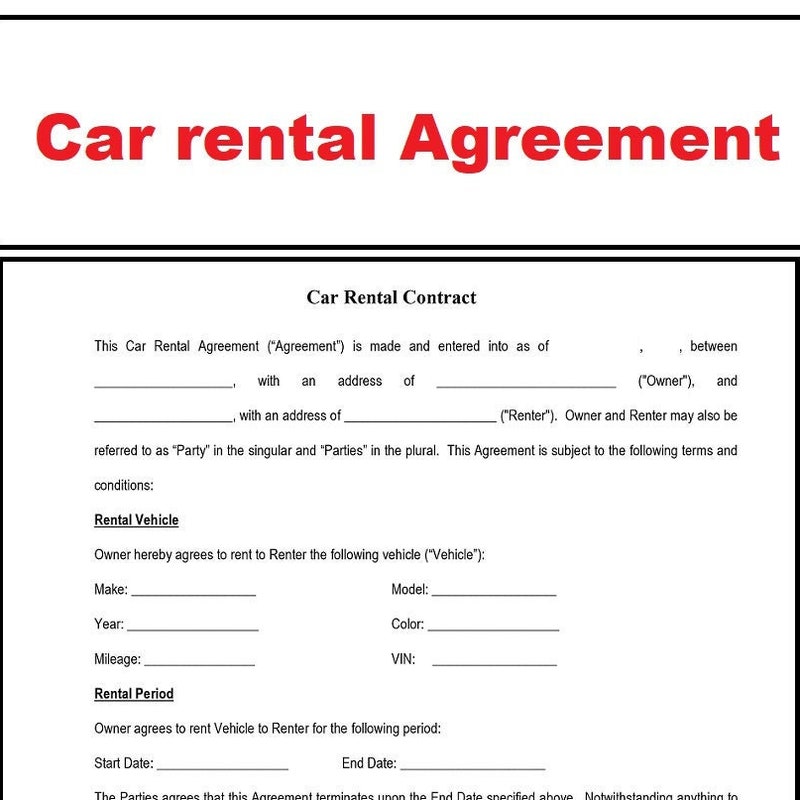
- Read the fine print: Carefully review the rental agreement before signing.
- Take photos of the truck: Document any existing damage before you drive off the lot. This will protect you from being held liable for pre-existing issues.
- Inspect the truck: Check the tires, lights, and fluid levels before leaving.
- Confirm drop-off location and time: Double-check the drop-off details to avoid late fees.
Section 3: Florida-Specific Regulations and Considerations
While Florida doesn't have unique licensing requirements for driving rental trucks (a standard driver's license is sufficient), there are some Florida-specific aspects to consider:
- Tolls: Florida has numerous toll roads. Plan your route to account for tolls and consider using a SunPass transponder to avoid delays.
- Traffic: Traffic congestion can be significant in major metropolitan areas like Miami, Orlando, and Tampa. Factor in extra travel time, especially during rush hour.
- Weather: Florida's weather can be unpredictable. Be prepared for heavy rain, especially during the hurricane season (June 1st to November 30th).
- Parking Restrictions: Be aware of parking restrictions in residential areas and commercial zones. Larger trucks can be difficult to park in some areas.
- Weight Limits: Be aware of weight limits on bridges and highways, especially if you are hauling heavy items.
Practical Advice:
- Plan your route carefully: Use a GPS navigation system that accounts for tolls and traffic.
- Check the weather forecast: Be prepared for inclement weather and adjust your driving accordingly.
- Familiarize yourself with local traffic laws: Pay attention to speed limits and other traffic regulations.
- Obtain a SunPass: If you plan to use toll roads frequently, a SunPass transponder can save you time and money.
Section 4: Packing and Loading Tips for a Smooth Move
Proper packing and loading are essential for protecting your belongings and ensuring a safe move.
- Use sturdy boxes: Invest in quality moving boxes to prevent items from shifting or breaking during transport.
- Pack strategically: Place heavier items at the bottom of boxes and lighter items on top.
- Protect fragile items: Wrap fragile items in bubble wrap or packing peanuts.
- Label boxes clearly: Label each box with its contents and the room it belongs to.
- Disassemble furniture: Disassemble furniture to make it easier to move and protect it from damage.
- Load strategically: Load heavier items at the front of the truck and lighter items towards the back.
- Secure your load: Use tie-down straps to secure your belongings and prevent them from shifting during transport.
Practical Advice:
- Start packing early: Don't wait until the last minute to start packing.
- Declutter: Get rid of items you no longer need or use.
- Pack an essentials box: Include items you'll need immediately upon arrival, such as toiletries, medications, and a change of clothes.
- Recruit help: Enlist the help of friends or family members to make the packing and loading process easier.
Section 5: Potential Challenges and Solutions
Renting a truck in Florida can present some challenges. Here are some common issues and potential solutions:
- Truck Availability: Challenge: Limited truck availability during peak seasons. Solution: Book well in advance and consider renting during off-peak times.
- Unexpected Fees: Challenge: Hidden fees and unexpected charges. Solution: Read the rental agreement carefully and ask about all potential fees upfront.
- Truck Breakdown: Challenge: Mechanical issues or breakdowns. Solution: Ensure the rental company provides roadside assistance and have their contact information readily available.
- Damage to the Truck: Challenge: Accidental damage to the rental truck. Solution: Purchase adequate insurance coverage and document any existing damage before you drive off the lot.
- Traffic Delays: Challenge: Unexpected traffic delays. Solution: Plan your route carefully, check traffic conditions before you leave, and allow for extra travel time.
Table Price: Rental Truck Florida (Estimated)
| Truck Size | Local Move (Day Rate + Mileage) | Long Distance (Flat Rate + Mileage) | Average Insurance Cost (Per Day) | Average Fuel Cost (Based on Distance) |
|---|---|---|---|---|
| Cargo Van/Pickup | $19.95 + $0.79/mile | $29.95 + $0.79/mile | $15 - $30 | Varies widely based on distance |
| 10-Foot Truck | $29.95 + $0.89/mile | $39.95 + $0.89/mile | $20 - $35 | Varies widely based on distance |
| 15-Foot Truck | $39.95 + $0.99/mile | $49.95 + $0.99/mile | $25 - $40 | Varies widely based on distance |
| 20-Foot Truck | $49.95 + $1.09/mile | $59.95 + $1.09/mile | $30 - $45 | Varies widely based on distance |
| 26-Foot Truck | $59.95 + $1.19/mile | $69.95 + $1.19/mile | $35 - $50 | Varies widely based on distance |
Note: Prices are estimates and can vary based on location, time of year, and rental company. It's always best to get a direct quote.
Frequently Asked Questions (FAQ)
-
Q: Do I need a special license to drive a rental truck in Florida?
- A: No, a standard driver's license is sufficient for most rental trucks.
-
Q: What type of insurance do I need when renting a truck?
- A: You'll need liability insurance to cover damages to other vehicles or property and collision insurance to cover damage to the rental truck. Check your existing auto insurance policy and consider purchasing supplemental coverage from the rental company.
-
Q: How far in advance should I book a rental truck in Florida?
- A: It's best to book at least a few weeks in advance, especially during peak moving seasons.
-
Q: What happens if I damage the rental truck?
- A: You'll be responsible for paying for the damages. The amount you'll owe will depend on the extent of the damage and the insurance coverage you have.
-
Q: What is the best way to save money on a rental truck in Florida?
- A: Compare quotes from multiple companies, book in advance, avoid peak moving seasons, and pack and load your belongings yourself.
Conclusion
Renting a truck in Florida can be a convenient and cost-effective solution for moving and hauling. By carefully considering your needs, researching your options, and following the practical advice outlined in this guide, you can ensure a smooth and successful rental experience. Remember to plan ahead, prioritize safety, and always read the fine print. With a little preparation, you can navigate the world of "Rental Truck Florida" with confidence and ease.