Introduction: Navigating the Georgia Tow Truck Market
The Peach State, with its bustling cities, sprawling suburbs, and extensive highway network, creates a constant demand for towing services. For entrepreneurs and established businesses looking to enter or expand in this industry, purchasing a used tow truck can be a cost-effective way to get started. However, the market for used tow trucks in Georgia is diverse and requires careful navigation. This comprehensive guide provides essential information, practical advice, and actionable insights to help you make an informed decision when buying a used tow truck in Georgia. We'll cover everything from assessing your needs and budget to finding reliable sellers and inspecting potential vehicles.
Used Tow Trucks For Sale In Georgia: A Comprehensive Guide for Buyers
Section 1: Understanding Your Needs and Budget
Before diving into listings and dealerships, take time to define your specific towing needs. This will significantly narrow your search and prevent costly mistakes. Consider the following:
- Type of Towing: What kind of vehicles will you primarily be towing? Light-duty passenger cars, medium-duty trucks, heavy-duty commercial vehicles, motorcycles, or a combination? This will determine the type of tow truck you need:
- Flatbed (Rollback) Tow Trucks: Ideal for transporting vehicles without causing damage, especially for accidents or luxury cars.
- Wheel Lift (Self-Loader) Tow Trucks: Efficient for quick tows of standard passenger vehicles.
- Integrated (Repo) Tow Trucks: Designed for repossession, often with specialized equipment.
- Heavy-Duty Tow Trucks: For large commercial vehicles, buses, and equipment.
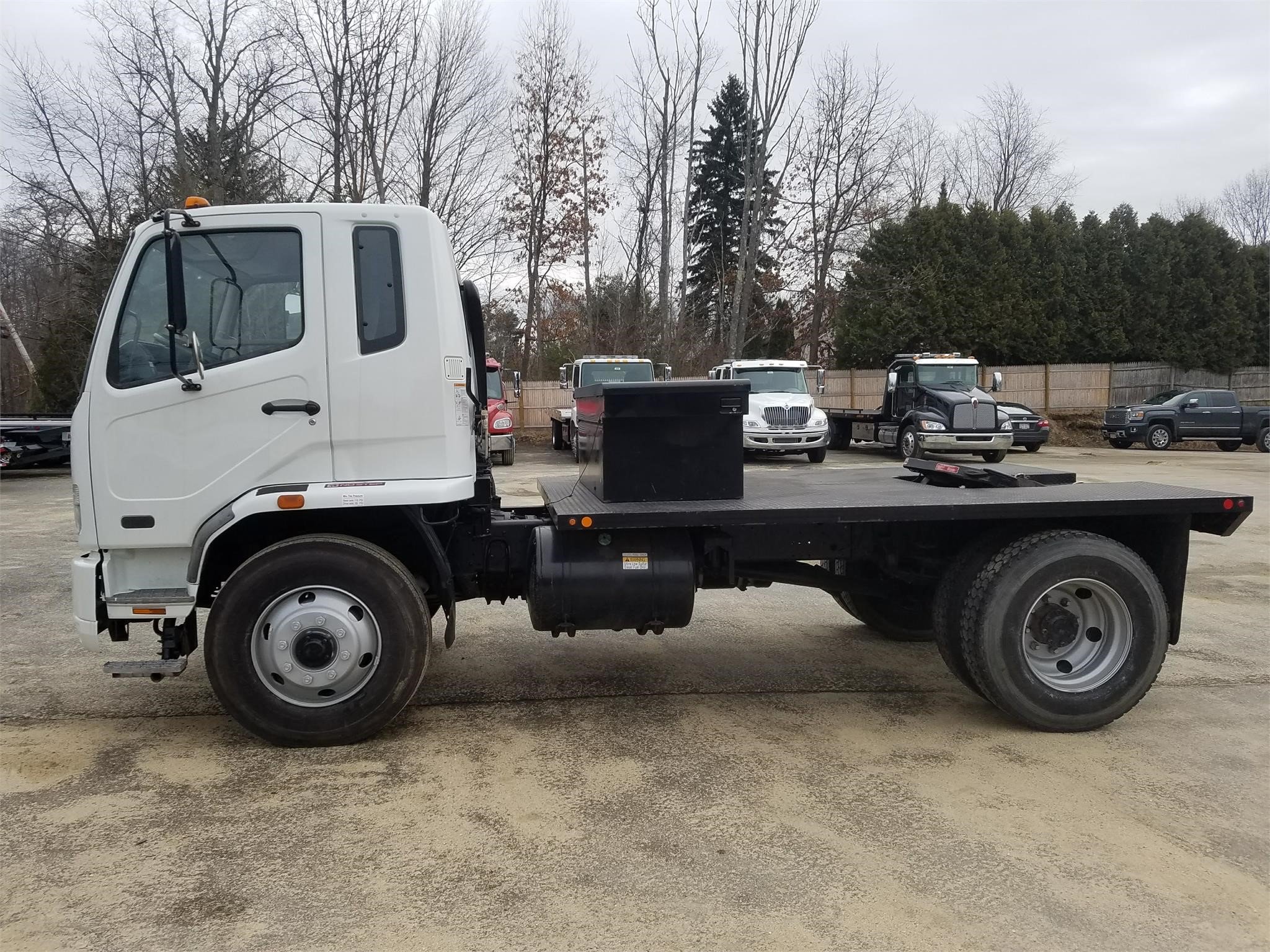
- Service Area: Will you be operating primarily in urban areas, rural roads, or highways? This impacts the need for maneuverability, power, and storage space.
- Budget: Determine a realistic budget that includes not just the purchase price, but also potential repairs, maintenance, insurance, registration, and other associated costs. Don't forget about sales tax.
- Financing Options: Explore financing options early, especially if you're on a tight budget. Banks, credit unions, and specialized commercial vehicle lenders offer financing for used tow trucks. Get pre-approved to understand your borrowing power.
- Insurance Costs: Tow truck insurance is typically more expensive than regular vehicle insurance. Get quotes from multiple providers to understand the ongoing costs.

Section 2: Finding Used Tow Trucks in Georgia: Where to Look
Once you have a clear understanding of your needs and budget, start your search. Here are several channels to explore:
- Online Marketplaces:
- CommercialTruckTrader.com: A leading online marketplace for commercial vehicles, including tow trucks.
- TruckPaper.com: Another popular platform with a wide selection of used tow trucks.
- eBay Motors: Offers auctions and fixed-price listings for tow trucks.
- Facebook Marketplace: A local option that can uncover deals from individual sellers.
- Craigslist: Similar to Facebook Marketplace, but exercise caution and verify the seller's credibility.
- Dealerships:
- Specialized Tow Truck Dealers: Focus exclusively on tow trucks and related equipment. They offer expertise and often have service departments.
- Commercial Truck Dealerships: Carry a variety of commercial vehicles, including tow trucks.
- Auctions:
- Government Auctions: State and local governments sometimes auction off surplus vehicles, including tow trucks.
- Equipment Auctions: Companies like Ritchie Bros. Auctioneers and IronPlanet hold regular auctions for commercial equipment.
- Direct from Towing Companies: Contact local towing companies directly. They may be selling older trucks to upgrade their fleet.

Section 3: Inspection: The Key to Avoiding Lemons
Thorough inspection is crucial when buying a used tow truck. Here's a checklist of what to examine:
- Exterior:
- Rust: Check for rust on the frame, body panels, and undercarriage. Georgia's humidity can accelerate rust.
- Damage: Look for dents, scratches, and signs of previous accidents.
- Tires: Inspect tire tread depth, sidewall condition, and any signs of uneven wear.
- Lights: Ensure all lights (headlights, taillights, brake lights, turn signals, warning lights) are functioning properly.
- Winch and Towing Equipment: Inspect the winch cable, hook, and other towing components for damage, wear, and proper operation.
- Interior:
- Upholstery: Check for tears, stains, and excessive wear.
- Dashboard: Inspect the dashboard for cracks, missing buttons, and functioning gauges.
- Electronics: Test the radio, air conditioning, heating, and other electronic features.
- Engine and Mechanical:
- Engine Start-Up: Listen for unusual noises during start-up. Check for smoke from the exhaust.
- Fluid Levels: Check the oil, coolant, transmission fluid, and brake fluid levels. Look for leaks.
- Brakes: Test the brakes for proper stopping power. Listen for squealing or grinding noises.
- Transmission: Test the transmission by shifting through all gears. Look for slipping or jerky movements.
- Suspension: Inspect the suspension for worn shocks, struts, and bushings.
- Frame: Inspect the frame for cracks, bends, or signs of welding repair. A damaged frame can compromise the safety and stability of the truck.
- Test Drive: Take the truck for a test drive on various road conditions. Pay attention to how it handles, accelerates, and brakes.
- Professional Inspection: Consider hiring a qualified mechanic to perform a pre-purchase inspection. This can uncover hidden problems that you might miss.
Section 4: Title, Paperwork, and Legal Considerations
- Vehicle History Report: Obtain a vehicle history report (e.g., Carfax or AutoCheck) to check for accidents, title issues, and odometer discrepancies.
- Ensure the seller has a clear title to the vehicle. Verify that the VIN on the title matches the VIN on the truck.
- Bill of Sale: Obtain a detailed bill of sale that includes the purchase price, date of sale, VIN, seller's information, and buyer's information.
- Sales Tax: Be prepared to pay sales tax on the purchase price of the tow truck.
- Registration: Register the tow truck with the Georgia Department of Revenue.
- DOT Compliance: Ensure the tow truck meets all applicable Department of Transportation (DOT) regulations.
- Insurance: Obtain adequate insurance coverage for the tow truck before putting it into service.
Section 5: Negotiation and Closing the Deal
- Research Market Value: Before making an offer, research the market value of similar tow trucks. Use online resources and consult with industry experts.
- Negotiate: Don't be afraid to negotiate the price. Point out any issues you found during the inspection.
- Payment: Use a secure method of payment, such as a certified check or wire transfer. Avoid paying with cash.
- Documentation: Keep all paperwork related to the purchase, including the bill of sale, title, and inspection reports.
Section 6: Maintenance and Upkeep
- Regular Maintenance: Schedule regular maintenance services, including oil changes, filter replacements, and fluid checks.
- Preventive Maintenance: Address minor issues promptly to prevent them from escalating into major problems.
- Keep Records: Maintain detailed records of all maintenance and repairs.
- Proper Storage: Protect the tow truck from the elements when it's not in use.
- Operator Training: Ensure all operators are properly trained and licensed to operate the tow truck.
Table: Sample Pricing for Used Tow Trucks in Georgia (Estimates)
| Tow Truck Type | Age (Years) | Mileage | Condition | Price Range (USD) | Notes |
|---|---|---|---|---|---|
| Flatbed (Rollback) | 5-10 | 100,000-200,000 | Good | $30,000 - $50,000 | Popular choice, versatility in transporting vehicles |
| Wheel Lift (Self-Loader) | 5-10 | 100,000-200,000 | Good | $25,000 - $45,000 | Efficient for standard passenger vehicles, commonly used in cities |
| Integrated (Repo) | 5-10 | 100,000-200,000 | Good | $35,000 - $55,000 | Special features for repossession, requires proper licensing and training |
| Heavy-Duty | 10-15 | 200,000+ | Fair to Good | $50,000 - $100,000+ | High-capacity for commercial vehicles, may need specialized maintenance |
Note: Prices are estimates and can vary depending on specific features, brand, model, and market conditions.
Frequently Asked Questions (FAQ)
- Q: What is the best time to buy a used tow truck?
- A: The end of the year is often a good time, as dealerships may be trying to clear out inventory.
- Q: Can I get a warranty on a used tow truck?
- A: Some dealerships offer warranties on used vehicles. Be sure to read the terms and conditions carefully.
- Q: What are the licensing requirements for operating a tow truck in Georgia?
- A: You will need a valid commercial driver's license (CDL) if the GVWR of the tow truck exceeds 26,000 pounds. Check with the Georgia Department of Driver Services for specific requirements.
- Q: How important is a vehicle history report?
- A: It's extremely important. A vehicle history report can reveal hidden problems, such as accidents, title issues, and odometer discrepancies.
- Q: Should I hire a mechanic to inspect a used tow truck before buying it?
- A: Yes, a pre-purchase inspection by a qualified mechanic is highly recommended. It can uncover hidden problems that you might miss.
- Q: What are common maintenance issues with used tow trucks?
- A: Common issues include brake problems, transmission issues, engine problems, and winch malfunctions.
Conclusion: Investing in Your Towing Future
Buying a used tow truck in Georgia can be a smart investment for starting or expanding a towing business. By carefully considering your needs, conducting thorough inspections, and negotiating wisely, you can find a reliable tow truck that will serve you well for years to come. Remember to prioritize safety, compliance, and regular maintenance to ensure the longevity and profitability of your investment. Good luck with your search!