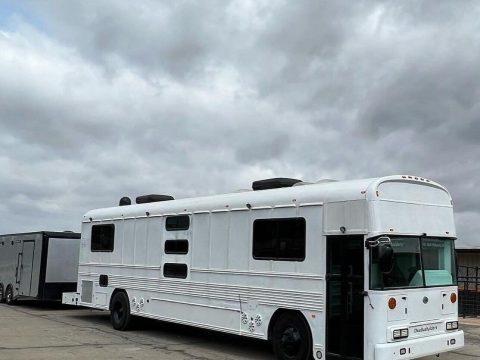
The allure of the open road, the freedom to travel wherever your heart desires, and the satisfaction of building your own unique living space – these are just a few of the reasons why "Schoolie Bus For Sale" is a phrase that resonates with so many. A school bus conversion, affectionately known as a "Schoolie," offers an affordable and exciting path to alternative living. But diving into this project requires careful planning, research, and a healthy dose of DIY spirit. This comprehensive guide will walk you through everything you need to know about finding, buying, and converting a school bus into your dream mobile home.
1. The Schoolie Dream: What is a School Bus Conversion?
Schoolie Bus For Sale: Your Comprehensive Guide to Owning a Home on Wheels
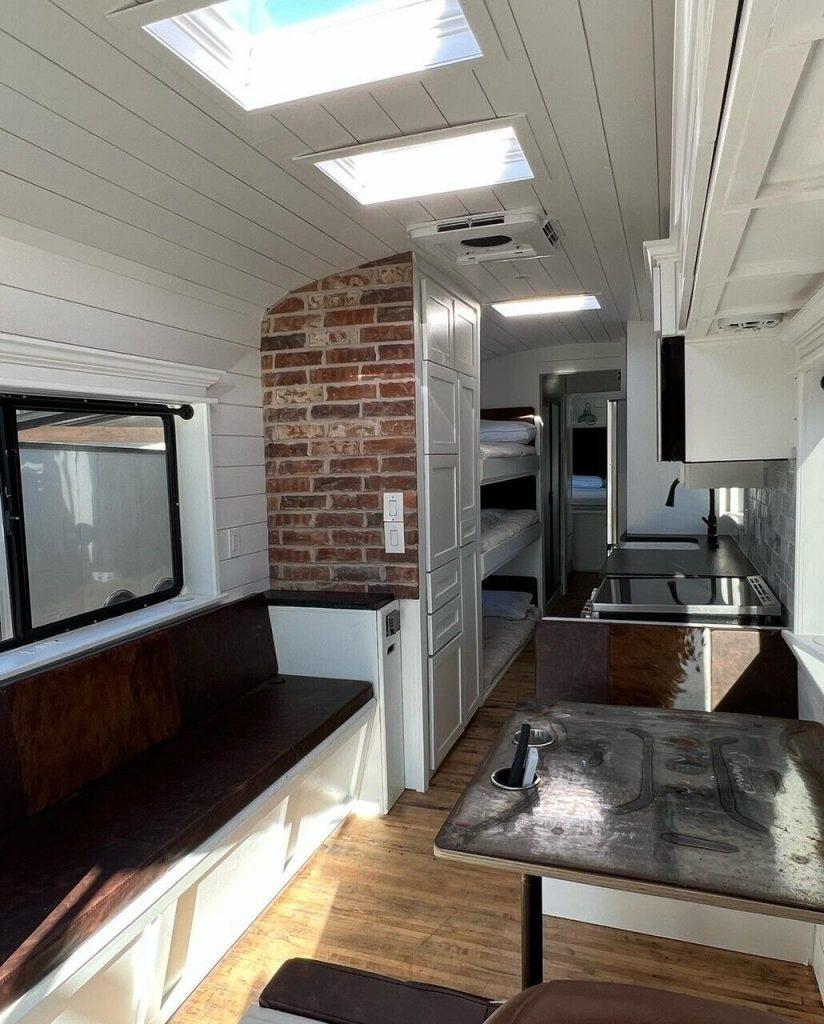
A school bus conversion involves transforming a retired school bus into a fully functional living space. This typically includes installing insulation, flooring, walls, a kitchen, bathroom, sleeping quarters, and electrical and plumbing systems. The beauty of a Schoolie lies in its customization. You have the freedom to design the interior to perfectly suit your needs and lifestyle, creating a truly unique and personalized home on wheels.
The appeal of a Schoolie stems from several factors:
- Affordability: Compared to purchasing a new or used RV, school buses are often significantly cheaper to acquire.
- Durability: School buses are built to withstand rigorous use and are designed for safety, making them a robust foundation for a mobile home.
- Customization: The blank canvas of a bus interior allows for complete creative control over the design and layout.
- Community: A vibrant online community of Schoolie owners provides support, inspiration, and valuable resources.
2. Finding the Right Schoolie: Where to Look and What to Consider
The first step is finding a suitable bus. Here's where to start your search:
- Online Marketplaces: Websites like Craigslist, Facebook Marketplace, eBay, and specialized Schoolie marketplaces are great places to find buses for sale.
- School Districts: Contact local school districts directly. They often sell their retired buses at auction or through private sales.
- Bus Dealers: Some dealers specialize in selling used school buses. They may offer a more curated selection and potentially provide some level of warranty.
- Auction Houses: Government surplus auctions and other auction houses often feature school buses.
Key Considerations When Choosing a Bus:
- Size: School buses come in various lengths, from short buses to full-size models. Consider your space requirements and travel plans when deciding on the appropriate size.
- Engine Type: Diesel engines are generally preferred for their longevity and fuel efficiency, but they can be more expensive to maintain. Gasoline engines are cheaper upfront but may have a shorter lifespan.
- Mileage: Lower mileage is generally better, but a well-maintained bus with higher mileage can still be a good option.
- Mechanical Condition: A pre-purchase inspection by a qualified mechanic is crucial. This will help identify any potential issues that could cost you money down the road. Check for rust, leaks, and engine problems.
- Title and History: Ensure the bus has a clean title and a clear history. Check for any accidents or major repairs.
- Roof Height: Opt for a bus with adequate roof height, ideally over 6 feet, to avoid constantly bumping your head. Raised roof conversions are possible but add significant cost and complexity.
- Budget: Factor in the cost of the bus itself, as well as the cost of materials and labor for the conversion.
3. Schoolie Bus Price Table:
| Feature | Description | Estimated Cost | Notes |
|---|---|---|---|
| Bus Acquisition | Price of the used school bus (depending on size, condition, mileage, and location) | $3,000 - $10,000+ | Prices can vary widely. Thorough inspection is crucial. Auctions can offer deals, but require quick decisions. |
| Insulation | Materials for insulating the walls, floor, and ceiling (e.g., spray foam, rigid foam board, fiberglass) | $500 - $2,000+ | Crucial for temperature regulation and soundproofing. Spray foam is effective but more expensive and requires professional application or specialized equipment. |
| Flooring | Materials for the floor (e.g., vinyl planks, laminate, wood) | $300 - $1,500+ | Choose durable and water-resistant flooring. Consider the weight of the materials. |
| Walls and Ceiling | Materials for the interior walls and ceiling (e.g., plywood, shiplap, fabric) | $500 - $2,000+ | Think about weight and ease of installation. |
| Electrical System | Batteries, solar panels, inverter, wiring, outlets, lights, fuse box | $1,500 - $5,000+ | Requires careful planning and potentially professional installation. Consider your power needs and consumption. |
| Plumbing System | Water tank, water pump, pipes, sink, shower, toilet (composting or RV toilet), grey water tank | $800 - $3,000+ | Plan your water usage carefully. Composting toilets are water-saving options. Ensure proper ventilation to prevent mold and mildew. |
| Kitchen | Cabinets, countertop, sink, stove, refrigerator (consider propane or electric) | $1,000 - $5,000+ | Consider space-saving appliances. Propane requires proper ventilation and safety precautions. |
| Sleeping Quarters | Bed frame, mattress (consider custom sizing), bedding | $300 - $1,500+ | Maximize space with a Murphy bed or a platform bed with storage underneath. |
| Furniture & Décor | Seating, tables, storage solutions, curtains, decorations | $500 - $2,000+ | Choose lightweight and multi-functional furniture. |
| Tools & Equipment | Power tools, hand tools, safety gear | $200 - $1,000+ | Invest in quality tools that will last. Consider renting specialized tools if you don't need them frequently. |
| Permits & Registration | Costs associated with obtaining permits for modifications and registering the bus as an RV | $100 - $500+ | Varies by state and municipality. Research local regulations carefully. |
| Professional Labor | If you hire contractors for electrical, plumbing, or other specialized work | Varies Widely | Get multiple quotes and check references. |
| Contingency Fund | Unexpected expenses and overruns are common in bus conversions. | 10-20% of total budget | Be prepared for the unexpected. |
| TOTAL Estimated Cost | $8,000 - $30,000+ | This is a broad estimate. Your actual costs will depend on the size of the bus, the complexity of the conversion, and your DIY skills. You can spend less by using reclaimed materials and doing most of the work yourself. You can spend more by hiring professionals and using high-end materials. |
4. The Conversion Process: A Step-by-Step Guide
Converting a school bus is a significant undertaking, but breaking it down into manageable steps can make the process less daunting:
- Planning and Design: This is arguably the most important step. Create detailed floor plans, electrical diagrams, and plumbing layouts. Consider your needs, lifestyle, and budget.
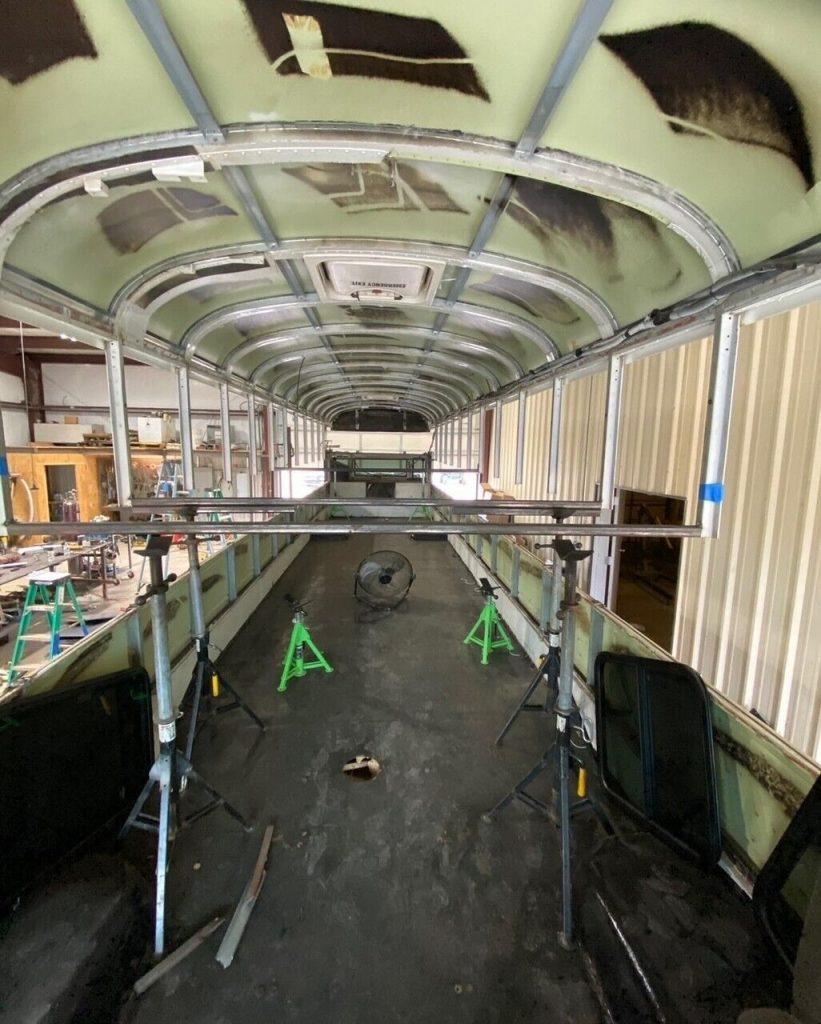
- Demolition and Cleaning: Remove the seats, flooring, and any other unwanted components. Thoroughly clean the interior to prepare for the next steps.
- Rust Repair: Address any rust issues before proceeding. This may involve grinding, welding, and applying rust-inhibiting coatings.
- Insulation: Properly insulate the walls, floor, and ceiling to create a comfortable living environment.
- Framing and Walls: Build the interior walls and frame out any necessary structures, such as cabinets or bed frames.
- Electrical Wiring: Install the electrical wiring, outlets, and lighting fixtures. Consider using a professional electrician for this step, especially if you are unfamiliar with electrical work.
- Plumbing: Install the plumbing system, including the water tank, water pump, pipes, sink, shower, and toilet.
- Flooring: Install the flooring material of your choice.
- Kitchen and Bathroom Installation: Install the kitchen cabinets, countertops, sink, stove, refrigerator, and bathroom fixtures.
- Finishing Touches: Add the finishing touches, such as painting, trim, curtains, and decorations.
5. Important Considerations Before You Buy:
- Legal and Regulatory Compliance: Research local regulations regarding RV registration and titling. Some states have specific requirements for school bus conversions.
- Insurance: Obtain appropriate insurance coverage for your Schoolie. This may require registering the bus as an RV.
- Weight Distribution: Pay attention to weight distribution during the conversion process. Uneven weight distribution can affect the bus's handling and fuel efficiency.
- Ventilation: Ensure adequate ventilation to prevent moisture buildup and mold growth.
- Safety: Install smoke detectors, carbon monoxide detectors, and fire extinguishers.
6. Types of Schoolie Bus Conversions:
- Minimalist Conversions: Focus on functionality and affordability, using basic materials and DIY solutions.
- Luxury Conversions: Incorporate high-end appliances, custom cabinetry, and luxurious finishes.
- Off-Grid Conversions: Designed for self-sufficiency, with solar panels, large water tanks, and composting toilets.
- Family Conversions: Prioritize space and functionality for families with children, with multiple sleeping areas and storage solutions.
7. Tips for a Successful Schoolie Bus Conversion:
- Plan Thoroughly: Invest time in planning and designing your conversion before starting any work.
- Start Small: Break the project down into smaller, manageable tasks.
- Stay Organized: Keep track of your materials, tools, and progress.
- Seek Advice: Don't be afraid to ask for help from experienced Schoolie owners or professionals.
- Be Patient: School bus conversions take time and effort. Don't get discouraged if things don't go as planned.
- Embrace the Challenge: The conversion process can be challenging, but it's also incredibly rewarding.
8. Potential Challenges and Solutions:
- Rust: Thoroughly inspect the bus for rust before purchasing it. Address any rust issues before starting the conversion.
- Limited Space: Maximize space by using multi-functional furniture and clever storage solutions.
- Moisture: Ensure proper ventilation to prevent moisture buildup and mold growth.
- Electrical Issues: Consult with a qualified electrician for any electrical work.
- Plumbing Leaks: Use high-quality plumbing materials and ensure proper installation to prevent leaks.
9. Conclusion: Embrace the Schoolie Adventure
Embarking on a Schoolie bus conversion is a journey filled with challenges and rewards. By carefully planning, researching, and dedicating yourself to the process, you can transform a retired school bus into a unique and personalized home on wheels. The freedom to travel, the satisfaction of building your own living space, and the sense of community you'll find along the way make it all worthwhile. So, start your search for that "Schoolie Bus For Sale" and begin your adventure today!
10. Frequently Asked Questions (FAQ):
-
Q: How much does it cost to convert a school bus?
- A: The cost can range from $8,000 to $30,000 or more, depending on the size of the bus, the complexity of the conversion, and whether you hire professionals.
-
Q: Can I live in a Schoolie full-time?
- A: Yes, many people live in Schoolies full-time. However, it's important to research local regulations regarding RV parking and living.
-
Q: Do I need a special license to drive a Schoolie?
- A: In most cases, a standard driver's license is sufficient. However, some states may require a commercial driver's license (CDL) for larger buses. Check your local regulations.
-
Q: How long does it take to convert a school bus?
- A: The time it takes to convert a school bus can vary from a few months to a year or more, depending on the complexity of the project and the amount of time you can dedicate to it.
-
Q: Where can I find inspiration for my Schoolie conversion?
- A: Online communities, social media groups, and blogs dedicated to Schoolie conversions are great sources of inspiration.
By following this guide, you'll be well-equipped to navigate the world of "Schoolie Bus For Sale" and turn your dream of mobile living into a reality. Good luck, and happy travels!