Introduction
In the realm of trucks, particularly those used for work, recreation, or long-distance travel, fuel capacity can be a significant limiting factor. Constantly searching for gas stations, especially in remote areas or during time-sensitive operations, can be a major inconvenience and productivity drain. This is where the truck bed fuel tank with pump enters the picture, offering a practical and efficient solution for extending your truck's range and providing a convenient on-site refueling capability. A truck bed fuel tank with pump, as the name suggests, is an auxiliary fuel storage and dispensing system designed to be mounted in the bed of a pickup truck. It comprises a fuel tank, usually made of aluminum or polyethylene, and an integrated pump, typically electric, for transferring fuel from the tank to your truck's main fuel tank or other equipment. This comprehensive guide will explore the various aspects of truck bed fuel tanks with pumps, including their benefits, types, installation, safety considerations, and more.
Truck Bed Fuel Tank With Pump: A Comprehensive Guide
I. Benefits of Using a Truck Bed Fuel Tank With Pump
Investing in a truck bed fuel tank with pump offers a multitude of advantages, making it a valuable addition for various applications:
- Extended Range and Reduced Downtime: The primary benefit is the increased fuel capacity. By carrying extra fuel, you can significantly extend your truck's range, reducing the frequency of refueling stops. This is particularly crucial for long-haul drivers, farmers working in remote fields, construction crews on job sites, and off-road enthusiasts venturing into areas with limited fuel access. Reduced refueling stops translate directly to less downtime and increased productivity.
- On-Site Refueling Convenience: A truck bed fuel tank with pump eliminates the need to drive to a gas station, especially valuable when refueling equipment like generators, ATVs, or other machinery on-site. The integrated pump allows for quick and easy fuel transfer, saving time and effort.
- Cost Savings: While the initial investment might seem significant, a fuel tank can lead to long-term cost savings. You can take advantage of lower fuel prices in different areas or buy fuel in bulk when prices are favorable. Moreover, reducing downtime translates to increased efficiency and potentially higher earnings.
- Emergency Fuel Supply: A fuel tank provides a valuable backup in emergency situations. Whether you run out of fuel unexpectedly or need to supply fuel to stranded vehicles or equipment, having a readily available reserve can be a lifesaver.
- Increased Independence and Flexibility: A truck bed fuel tank empowers you to be more self-sufficient and less reliant on external fuel sources. This is particularly appealing for individuals who value independence and flexibility in their work or recreational activities.
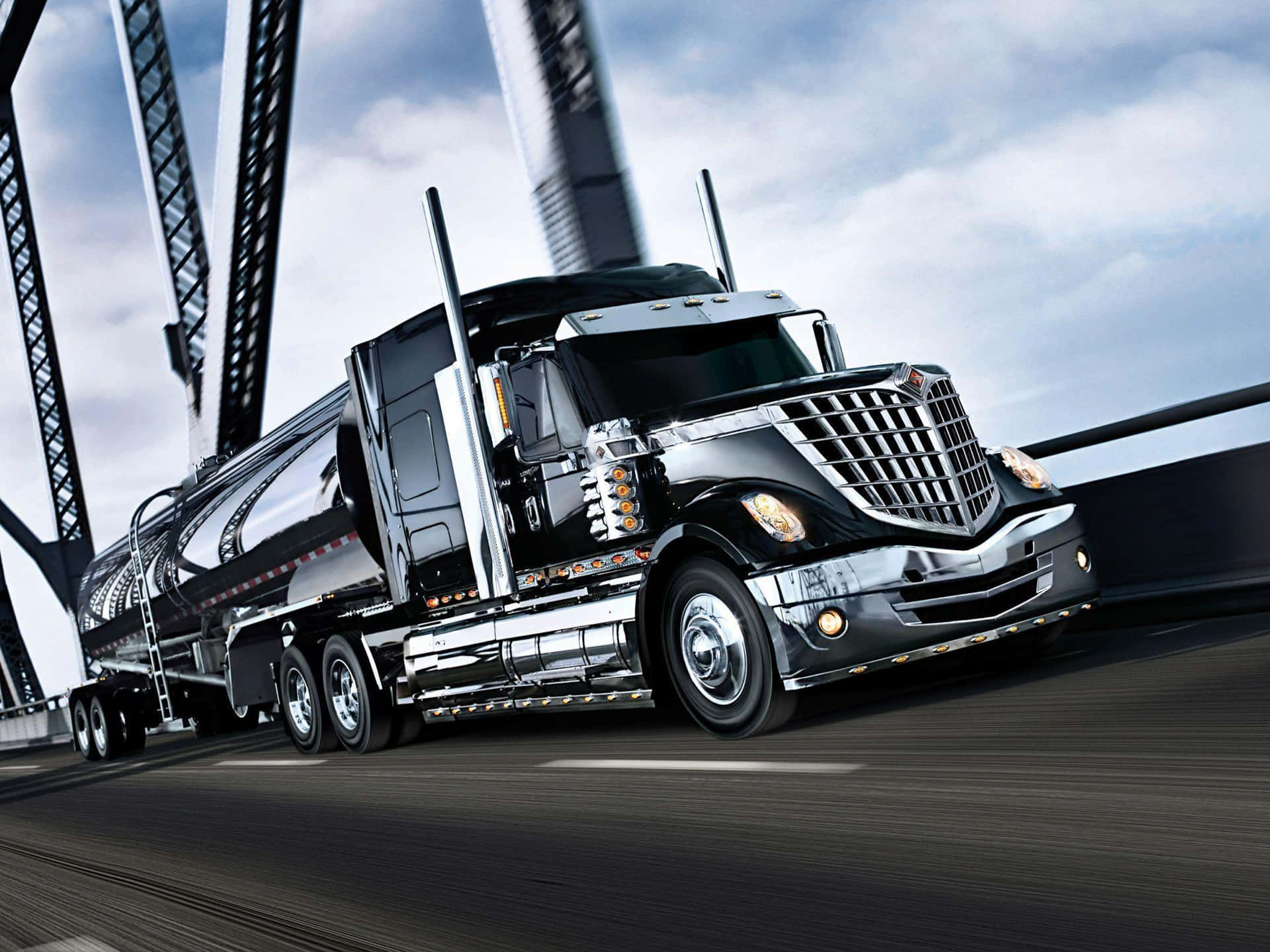
II. Types of Truck Bed Fuel Tanks With Pumps
Truck bed fuel tanks with pumps come in various shapes, sizes, and materials to suit different needs and preferences:
- Material:
- Aluminum: Aluminum tanks are lightweight, durable, and resistant to corrosion. They are generally more expensive than polyethylene tanks but offer superior longevity and aesthetics.
- Polyethylene (Poly): Poly tanks are more affordable, lightweight, and resistant to dents and impacts. They are a popular choice for general-purpose applications.
- Shape and Size: Tanks are available in various shapes, including rectangular, L-shaped, and wedge-shaped, to fit different truck bed configurations. Sizes range from compact 30-gallon tanks to larger 100+ gallon tanks, depending on your fuel capacity requirements.
- Pump Type:
- Electric Pumps: Electric pumps are the most common type, powered by the truck's 12V electrical system. They offer a reliable and consistent flow rate.
- Manual Pumps: Manual pumps, typically rotary or lever-action, are a simpler and more affordable option. However, they require manual operation and may have a lower flow rate.
- Features: Some tanks come with additional features such as:
- Lockable Caps: To prevent theft and tampering.
- Fuel Level Gauges: To monitor the fuel level in the tank.
- Baffles: To minimize fuel sloshing during transportation.
- Automatic Shut-Off Nozzles: To prevent overfilling.
- Filters: To remove contaminants from the fuel.
III. Choosing the Right Truck Bed Fuel Tank With Pump
Selecting the right fuel tank requires careful consideration of your specific needs and priorities:
- Fuel Capacity: Determine the amount of extra fuel you need based on your typical usage patterns and the range you want to achieve.
- Tank Material: Choose between aluminum and polyethylene based on your budget, durability requirements, and aesthetic preferences.
- Pump Type: Decide whether an electric or manual pump is more suitable for your application, considering convenience, flow rate, and budget.
- Truck Bed Space: Measure your truck bed to ensure the tank fits properly and doesn't interfere with other equipment or cargo.
- Regulations: Check local and federal regulations regarding the transportation of fuel in truck bed tanks.
- Budget: Set a realistic budget and compare prices from different manufacturers and retailers.
- Reviews and Ratings: Read online reviews and ratings from other users to get insights into the quality and performance of different tank models.
IV. Installation Guide
Installing a truck bed fuel tank with pump typically involves the following steps:
- Safety Precautions: Disconnect the truck's battery. Work in a well-ventilated area and avoid sparks or open flames. Wear appropriate safety gear, including gloves and eye protection.
- Mounting: Securely mount the tank in the truck bed using appropriate mounting hardware. Ensure the tank is level and properly supported.
- Electrical Connections: Connect the pump's wiring to the truck's 12V electrical system, following the manufacturer's instructions. Use proper wiring techniques and secure all connections.
- Fuel Lines: Connect the fuel lines from the tank to the pump and from the pump to the fuel nozzle. Ensure all connections are tight and leak-proof.
- Grounding: Ground the tank to the truck's frame to prevent static electricity buildup.
- Testing: Fill the tank with a small amount of fuel and test the pump to ensure it is working properly. Check for leaks and make any necessary adjustments.
Note: If you are not comfortable performing the installation yourself, it is recommended to have it done by a qualified mechanic.
V. Safety Considerations
Safety is paramount when handling fuel. Always adhere to the following safety guidelines:
- Follow Manufacturer's Instructions: Always follow the manufacturer's instructions for installation, operation, and maintenance.
- Proper Ventilation: Ensure adequate ventilation when filling or dispensing fuel.
- No Smoking: Never smoke or use open flames near the fuel tank.
- Static Electricity: Ground the tank to prevent static electricity buildup.
- Fuel Spills: Clean up any fuel spills immediately.
- Regular Inspections: Regularly inspect the tank, pump, and fuel lines for leaks or damage.
- Regulations: Comply with all applicable local and federal regulations regarding the transportation of fuel.
- Secure Load: Ensure the tank is securely mounted and the load is properly secured to prevent shifting during transit.
VI. Maintenance and Care
Proper maintenance will ensure the longevity and reliable performance of your truck bed fuel tank with pump:
- Regular Inspections: Regularly inspect the tank, pump, and fuel lines for leaks, damage, or corrosion.
- Filter Replacement: Replace the fuel filter regularly to prevent contaminants from entering the fuel system.
- Cleaning: Clean the tank periodically to remove sediment and debris.
- Lubrication: Lubricate the pump and other moving parts as needed.
- Storage: When not in use, store the tank in a dry, well-ventilated area.
VII. Potential Challenges and Solutions
While truck bed fuel tanks with pumps offer numerous benefits, there are also some potential challenges to consider:
- Fuel Theft: Invest in a tank with a lockable cap and consider installing an alarm system to deter theft.
- Leaks: Regularly inspect the tank, pump, and fuel lines for leaks and repair them promptly.
- Regulations: Ensure you comply with all applicable local and federal regulations regarding the transportation of fuel.
- Weight: Be mindful of the added weight of the tank and fuel, and adjust your driving accordingly.
- Space Constraints: Choose a tank size and shape that fits your truck bed and doesn't interfere with other equipment.
VIII. Price Table
| Feature | Aluminum Tank (50 Gallon) | Polyethylene Tank (50 Gallon) | Aluminum Tank (100 Gallon) | Polyethylene Tank (100 Gallon) |
|---|---|---|---|---|
| Tank Price | \$800 - \$1500 | \$500 - \$1000 | \$1500 - \$2500 | \$800 - \$1800 |
| Pump Price | \$150 - \$400 | \$150 - \$400 | \$150 - \$400 | \$150 - \$400 |
| Installation | \$200 - \$500 | \$200 - \$500 | \$200 - \$500 | \$200 - \$500 |
| Total Cost | \$1150 - \$2400 | \$850 - \$1900 | \$1850 - \$3400 | \$1150 - \$2700 |
| Lockable Cap | Included | Included | Included | Included |
| Fuel Level Gauge | Included | Optional | Included | Optional |
Prices are approximate and can vary based on brand, features, and location.
IX. Frequently Asked Questions (FAQ)
- Q: Is it legal to have a fuel tank in my truck bed?
- A: Yes, in most jurisdictions, it is legal to have a fuel tank in your truck bed, but you must comply with all applicable local and federal regulations.
- Q: What size fuel tank should I get?
- A: The appropriate size depends on your fuel needs and truck bed space. Consider your typical usage patterns and the range you want to achieve.
- Q: Can I use a truck bed fuel tank to refuel other vehicles?
- A: Yes, you can use a truck bed fuel tank to refuel other vehicles or equipment, as long as you follow all safety precautions.
- Q: How do I prevent fuel theft from my truck bed fuel tank?
- A: Invest in a tank with a lockable cap and consider installing an alarm system.
- Q: How often should I inspect my truck bed fuel tank?
- A: You should inspect your truck bed fuel tank regularly, at least once a month, and more frequently if you use it often.
Conclusion
A truck bed fuel tank with pump is a valuable investment for anyone who needs to extend their truck's range, refuel equipment on-site, or have a readily available emergency fuel supply. By carefully considering your needs, choosing the right tank, following proper installation procedures, and adhering to safety guidelines, you can enjoy the numerous benefits of this versatile and practical accessory. While challenges may arise, understanding them and implementing preventative solutions will ensure a safe and efficient experience. With the right fuel tank system in place, you can enjoy increased independence, reduced downtime, and greater peace of mind on the road and on the job.