Introduction: Stance and Substance - Why Jeep Offset Matters
For Jeep enthusiasts, modifying their vehicles is practically a rite of passage. From conquering challenging trails to achieving a distinctive aesthetic, personalization is key. One of the most impactful modifications you can make to your Jeep is changing the wheel offset. But what exactly is Jeep offset, and why is it so important?
Understanding Jeep Offset: A Comprehensive Guide to Stance and Performance
Jeep offset refers to the distance between the wheel's mounting surface (where it bolts to the hub) and its centerline. This measurement, typically expressed in millimeters (mm), dictates how far your wheels will sit inwards or outwards relative to the Jeep's fenders. Altering the offset dramatically affects the vehicle's stance, handling, and even its overall capability. A well-chosen offset can improve stability, allow for larger tires, and enhance the aggressive look that many Jeep owners desire. However, choosing the wrong offset can lead to rubbing, suspension problems, and even compromised safety. This guide will delve into everything you need to know about Jeep offset, from understanding the basics to making informed decisions about your Jeep's wheel and tire setup.
Section 1: Deciphering the Offset: Positive, Negative, and Zero
Understanding the three types of offset is crucial before making any modifications:
-
Positive Offset: In positive offset, the wheel's mounting surface is closer to the outside of the wheel. This pushes the wheel inwards towards the vehicle. Most factory Jeep wheels have a positive offset. A higher positive offset means the wheel sits further inside the wheel well.
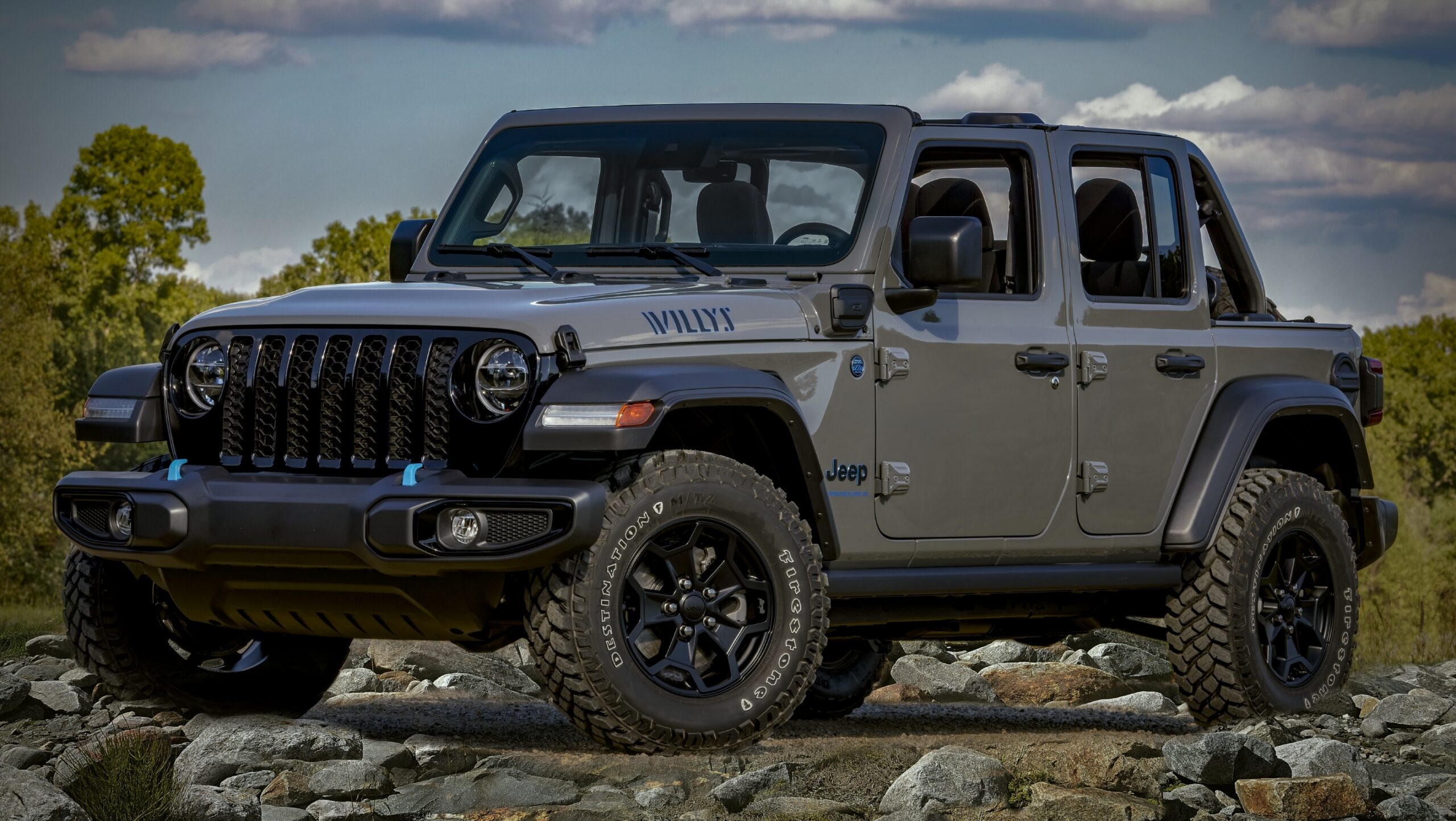
Negative Offset: In negative offset, the wheel's mounting surface is closer to the inside of the wheel. This pushes the wheel outwards away from the vehicle. A lower negative offset (e.g., -12mm versus -6mm) results in the wheel sticking out further. This is often used to achieve a wider stance and accommodate larger tires.
-
Zero Offset: In zero offset, the wheel's mounting surface is exactly in line with the centerline of the wheel. The wheel neither sits further in nor out.
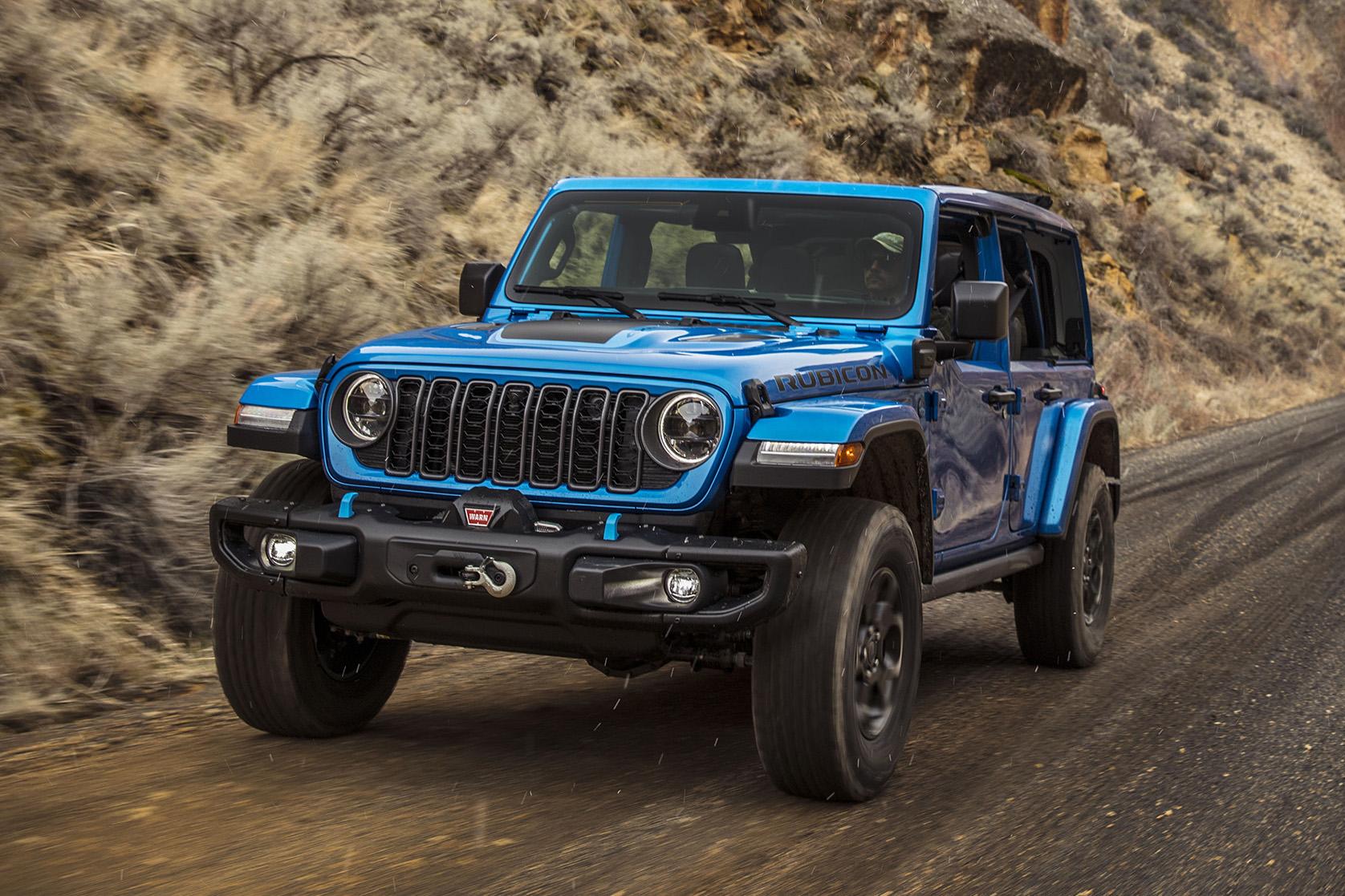
Section 2: The Benefits of Changing Your Jeep's Offset
Why would you want to change your Jeep's offset? The reasons are varied and often depend on your specific needs and desired outcome:
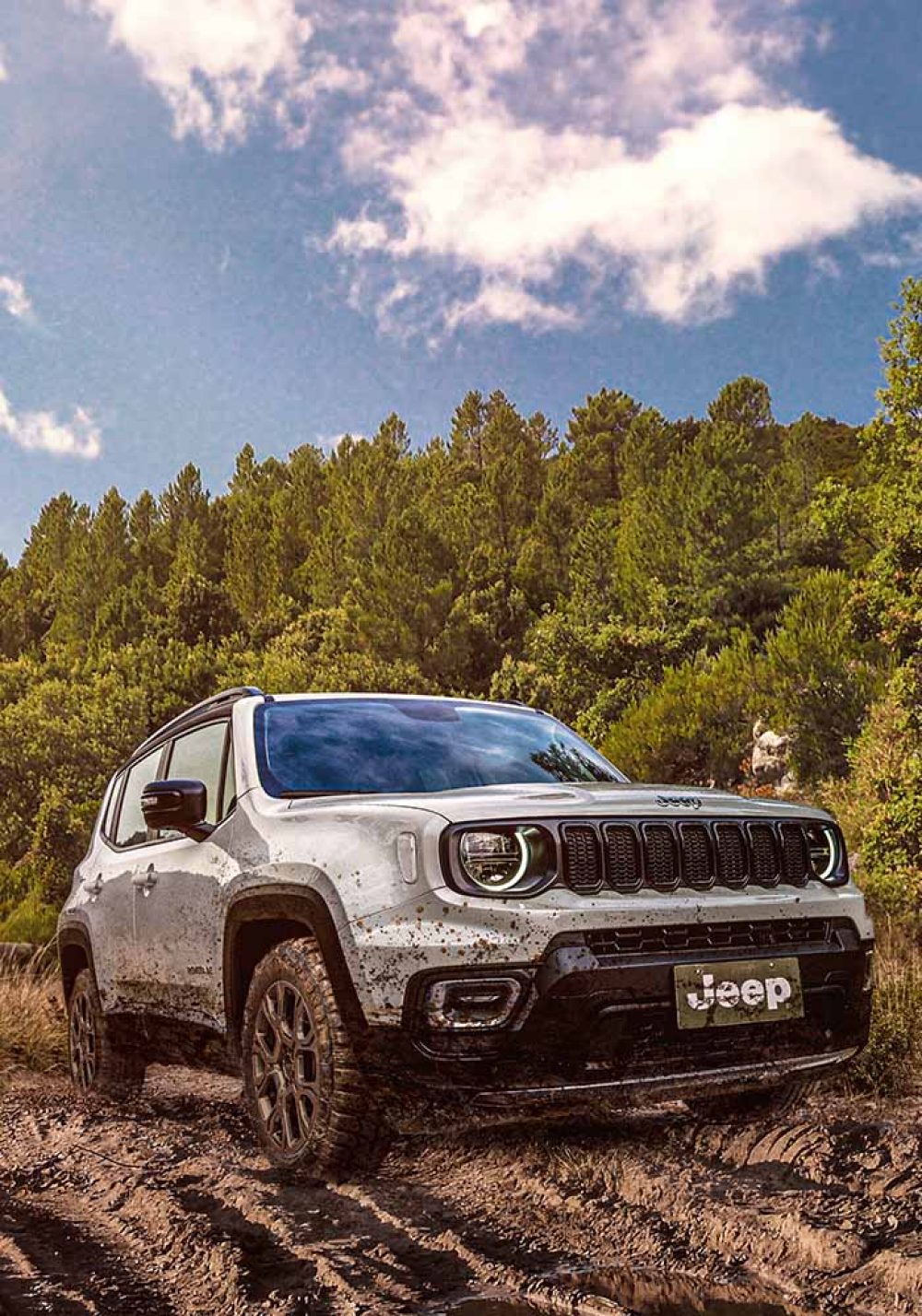
Improved Stance and Aesthetics: This is perhaps the most common reason. Negative offset wheels give the Jeep a wider, more aggressive stance. This can dramatically enhance the vehicle's appearance.
-
Accommodating Larger Tires: Larger tires often require a different offset to clear the suspension components, brake calipers, and fenders. A negative offset can push the wheel outwards, providing the necessary clearance.
-
Enhanced Stability: A wider track width (achieved through negative offset) can improve the Jeep's stability, especially when off-roading or cornering.
-
Increased Clearance for Suspension Components: In some cases, changing the offset can provide more clearance for aftermarket suspension components, such as long-arm kits.
Section 3: How to Determine the Right Offset for Your Jeep
Choosing the correct offset is paramount to avoid problems. Here's a step-by-step guide:
-
Determine Your Goals: What are you trying to achieve? Are you primarily concerned with aesthetics, or do you need the offset change to accommodate larger tires?
-
Research: Start by researching what offsets other Jeep owners with similar models and modifications are using. Online forums and Jeep communities are excellent resources.
-
Consider Tire Size: Your tire size will significantly impact the required offset. Larger tires generally require a more negative offset.
-
Measure: Take precise measurements of your existing wheel and tire setup. Measure the distance between the tire and the fender, suspension components, and brake calipers.
-
Use Online Calculators: Numerous online offset calculators can help you visualize how different offsets will affect your wheel position. Enter your current wheel and tire specifications and the desired offset to see the predicted changes.
-
Consult with Experts: Speak to professionals at tire shops or off-road specialty shops. They can provide expert advice based on your specific Jeep model and desired modifications.
-
Consider Wheel Spacers (Use with Caution): Wheel spacers can effectively change the offset by pushing the wheels outwards. However, use high-quality, hub-centric spacers and ensure they are properly installed. Avoid cheap spacers as they can compromise safety.
Section 4: Potential Challenges and Solutions When Changing Offset
Changing your Jeep's offset isn't without its potential drawbacks. Here's what to watch out for:
-
Rubbing: This is the most common problem. Tires can rub against the fenders, suspension components, or frame. Solutions include:
- Trimming Fenders: Carefully trim the fenders to provide more clearance.
- Installing Fender Flares: Fender flares can provide additional coverage and protect the body from debris.
- Adjusting Bump Stops: Bump stops limit suspension travel and can help prevent rubbing.
- Lifting the Jeep: A lift kit provides more clearance between the tires and the body.
-
Suspension Issues: Excessive negative offset can put extra stress on the wheel bearings and suspension components.
- Regular Maintenance: Inspect and maintain your wheel bearings and suspension components regularly.
- Consider Upgraded Components: If you're running a very aggressive offset, consider upgrading to stronger wheel bearings and suspension components.
-
Steering Issues: A significant change in offset can affect the Jeep's steering geometry, leading to bump steer or other handling problems.
- Steering Stabilizer: A steering stabilizer can help dampen steering vibrations and improve control.
- Adjustable Control Arms: Adjustable control arms can help correct steering geometry after lifting the Jeep.
-
Legal Considerations: Some states have regulations regarding how far wheels can protrude beyond the fenders. Be sure to check your local laws before making any modifications.
Section 5: Offset and Wheel Spacers: Understanding the Difference and Proper Usage
While both offset wheels and wheel spacers alter the wheel's position, they achieve this in different ways. Offset wheels are manufactured with the desired offset, offering a more robust and reliable solution. Wheel spacers, on the other hand, are aftermarket components that are installed between the wheel and the hub.
-
Pros of Offset Wheels:
- Stronger and more durable.
- Designed and engineered for the specific offset.
- Less prone to vibration or loosening.
-
Cons of Offset Wheels:
- Can be more expensive than wheel spacers.
- May require replacing existing wheels.
-
Pros of Wheel Spacers:
- More affordable than replacing wheels.
- Allow you to retain your existing wheels.
- Easier to install.
-
Cons of Wheel Spacers:
- Can put extra stress on wheel bearings and suspension components.
- Potential for vibration or loosening if not properly installed.
- Require careful selection of high-quality, hub-centric spacers.
Important Considerations When Using Wheel Spacers:
- Hub-Centric vs. Lug-Centric: Always use hub-centric spacers. These spacers center on the hub, providing a more secure and vibration-free connection. Lug-centric spacers rely solely on the lug nuts for centering, which can lead to vibration and loosening.
- Proper Installation: Follow the manufacturer's instructions carefully when installing wheel spacers. Use a torque wrench to tighten the lug nuts to the specified torque.
- Regular Inspection: Check the lug nuts regularly to ensure they are properly tightened.
Section 6: Tips for a Successful Offset Change
- Take Your Time: Don't rush the process. Research, measure, and consult with experts before making any decisions.
- Start Small: If you're unsure about the ideal offset, start with a smaller change and gradually increase it until you achieve the desired look and functionality.
- Consider Your Driving Style: If you primarily drive on the street, you may not need as aggressive an offset as someone who frequently off-roads.
- Document Everything: Keep track of the offsets you've tried, the tire sizes you've used, and any modifications you've made. This will help you in the future if you need to make further adjustments.
Section 7: The Future of Jeep Offset: Trends and Innovations
The world of Jeep modifications is constantly evolving. Expect to see further innovations in wheel design, materials, and manufacturing techniques that allow for even greater customization of offset. Advances in suspension technology will also play a role, allowing for more aggressive offsets without compromising ride quality or handling. 3D printing may also become a viable option for creating custom wheel spacers or even entire wheels with unique offsets.
Conclusion: Achieving the Perfect Stance for Your Jeep
Changing your Jeep's offset is a powerful way to personalize your vehicle and enhance its performance. By understanding the basics of offset, carefully considering your goals, and addressing potential challenges, you can achieve the perfect stance for your Jeep and enjoy the benefits of a wider track width and improved aesthetics. Remember to prioritize safety and consult with professionals to ensure that your modifications are done correctly. With the right offset, your Jeep will not only look great but also perform at its best, both on and off the road.
Table: Jeep Offset - Price Guide (Estimates)
| Item | Description | Estimated Price Range | Notes |
|---|---|---|---|
| Offset Wheels (Set of 4) | Aftermarket wheels with a specific offset (e.g., -12mm, 0mm) | $600 - $2500+ | Price varies widely based on brand, material (steel vs. aluminum), size, and style. |
| Wheel Spacers (Pair) | High-quality, hub-centric spacers to change offset. | $80 - $300+ | Price depends on thickness, material (aluminum), and brand. Avoid cheap spacers. |
| Installation (Wheels) | Professional installation of new wheels (including balancing) | $80 - $200 | Per wheel, includes mounting and balancing. |
| Installation (Spacers) | Professional installation of wheel spacers | $50 - $150 | Per pair, may vary depending on the complexity of the installation. |
| Fender Trimming | Professional fender trimming to prevent rubbing. | $100 - $500+ | Per fender, depending on the amount of trimming required and the labor rate. |
| Fender Flares | Aftermarket fender flares to provide additional tire coverage. | $200 - $800+ | Per set, price varies based on material (plastic, steel), style (flat, pocket style), and brand. |
| Lift Kit | Suspension lift kit to increase tire clearance. | $400 - $5000+ | Price varies greatly based on lift height, complexity, and brand. Installation costs also vary significantly. |
| Alignment | Wheel alignment after installing new wheels, spacers, or lift kit. | $75 - $150 | Essential to ensure proper tire wear and handling. |
| Lug Nuts (Set) | Aftermarket lug nuts (e.g., spline drive, locking). | $30 - $100+ | Recommended to use new lug nuts with aftermarket wheels or spacers. Ensure they are compatible with the wheel stud size and wheel seat type. |
| Labor for Rubbing Issues | Addressing tire rubbing issues (e.g., trimming, adjusting bump stops) | $50 - $500+ | Can be difficult to estimate without seeing the vehicle. |
Note: Prices are estimates and can vary depending on location, shop rates, and specific products chosen. It is always recommended to get quotes from multiple shops.
Frequently Asked Questions (FAQ) about Jeep Offset
Q: What is backspacing, and how does it relate to offset?
A: Backspacing is the distance from the wheel's mounting surface to the inner edge of the wheel. Offset and backspacing are related. Knowing one measurement, along with the wheel's width, allows you to calculate the other.
Q: Can I use wheel spacers on my Jeep?
A: Yes, you can use wheel spacers, but it's crucial to use high-quality, hub-centric spacers and install them correctly. Avoid cheap spacers, as they can be unsafe. Regularly inspect the lug nuts to ensure they are properly tightened.
Q: Will changing my Jeep's offset affect my gas mileage?
A: Yes, a significant change in offset can potentially affect gas mileage. A wider track width can increase rolling resistance and aerodynamic drag, which can slightly reduce fuel efficiency.
Q: Is it legal to have my tires sticking out past my fenders?
A: This depends on your local laws and regulations. Some states have restrictions on how far tires can protrude beyond the fenders. Check your local laws before making any modifications.
Q: What is "hub-centric" and "lug-centric" when referring to wheel spacers?
A: Hub-centric spacers have a lip that fits snugly against the hub of the vehicle, providing a secure and vibration-free connection. Lug-centric spacers rely solely on the lug nuts for centering, which can lead to vibration and loosening. Always use hub-centric spacers.
Q: How do I know if my wheels are rubbing?
A: Common signs of rubbing include a scraping or grinding noise when turning, visible marks on the tires or fenders, and decreased steering response.
Q: Do I need to get an alignment after changing my offset?
A: It's always a good idea to get an alignment after making significant changes to your Jeep's suspension or wheel and tire setup, including changing the offset. This ensures proper tire wear and handling.
Q: Can I use different offsets on the front and rear axles of my Jeep?
A: While possible, it's generally not recommended unless you have a specific reason and a thorough understanding of how it will affect your Jeep's handling. Different offsets can lead to uneven weight distribution and unpredictable handling characteristics.