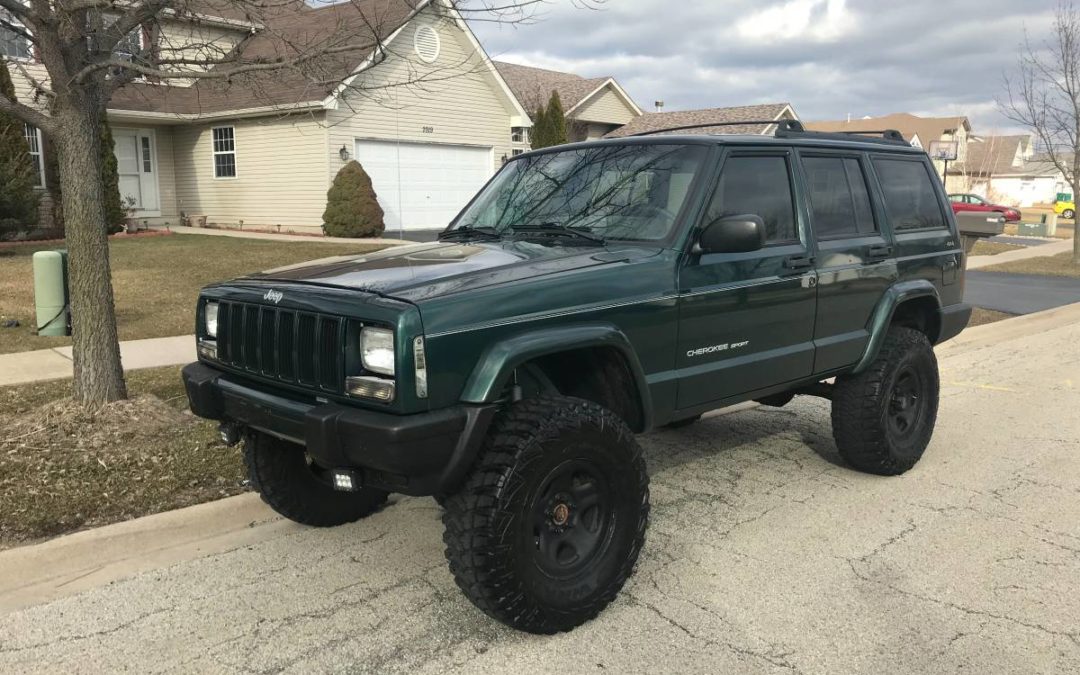
The Jeep Cherokee XJ. A legend. A boxy, reliable workhorse that has conquered trails and highways for decades. But let's face it, the stock 4.0L inline-six, while dependable, can sometimes feel a bit…anemic, especially when loaded down with gear or tackling steep inclines. Enter the XJ Turbo Kit – a performance upgrade that can dramatically transform your XJ's driving experience, injecting a surge of power and turning it into a true off-road and on-road performer. This guide will delve into the world of XJ turbo kits, exploring their benefits, installation considerations, different types, and everything you need to know to decide if turbocharging your XJ is the right move.
I. What is an XJ Turbo Kit?
Unleash the Beast: A Comprehensive Guide to XJ Turbo Kits
An XJ turbo kit is a collection of components designed to force more air into the engine of your Jeep Cherokee (XJ), thereby increasing horsepower and torque. This forced induction is achieved by utilizing a turbine, powered by exhaust gases, to compress the incoming air before it enters the engine's cylinders. The increased air allows for more fuel to be burned, resulting in a significantly more powerful combustion and a noticeable boost in performance.
The core components of a typical XJ turbo kit include:
- Turbocharger: The heart of the system, responsible for compressing the air.
- Exhaust Manifold: Replaces the stock manifold and directs exhaust gases to the turbocharger.
- Downpipe: Connects the turbocharger outlet to the exhaust system.
- Intercooler: Cools the compressed air before it enters the engine, increasing its density and preventing pre-ignition.
- Piping: Connects the turbocharger, intercooler, and intake manifold.
- Fuel Injectors: Larger injectors may be required to supply the increased fuel demand.
- Engine Management System (EMS) or Piggyback Controller: Crucial for tuning the engine to accommodate the turbocharger and prevent engine damage.
- Boost Controller: Allows you to regulate the amount of boost pressure the turbocharger produces.
- Oil Lines: Supply oil to lubricate and cool the turbocharger.
- Water Lines (if applicable): Some turbochargers are water-cooled, requiring coolant lines.
- Hardware: Clamps, hoses, gaskets, and other necessary installation components.

II. Why Turbocharge Your XJ? The Benefits
Turbocharging your XJ offers a range of benefits that can significantly enhance its performance and driving experience:
- Increased Horsepower and Torque: The most obvious benefit. Turbocharging can dramatically increase the horsepower and torque output of the 4.0L engine, making it more responsive and powerful. Expect gains ranging from 50-100+ horsepower depending on the kit, boost level, and tuning.
- Improved Towing Capacity: The increased torque makes towing heavier loads much easier and more manageable.
- Enhanced Off-Road Performance: More power translates to better crawling ability, easier hill climbs, and improved performance in challenging terrain.
- Better Throttle Response: Turbocharging can reduce turbo lag (the delay between pressing the throttle and the turbocharger spooling up) with proper tuning, resulting in quicker and more responsive acceleration.
- Modernized Driving Experience: Adding a turbocharger brings a modern performance feel to a classic vehicle.
- Potentially Improved Fuel Economy (Under Light Load): While not the primary goal, turbocharging can, under certain conditions, improve fuel economy. Since the engine doesn't have to work as hard to produce the same power, it can be more efficient at cruising speeds.
III. Choosing the Right XJ Turbo Kit: A Buyer's Guide
Selecting the right turbo kit for your XJ is crucial for achieving the desired performance and reliability. Here are some key factors to consider:
- Power Goals: How much horsepower are you aiming for? This will influence the size and type of turbocharger you need.
- Budget: Turbo kits can range in price from relatively affordable to quite expensive. Set a budget and stick to it.
- Intended Use: Will you be primarily using your XJ for off-roading, daily driving, or a combination of both? This will influence the kit features and tuning requirements.
- Kit Completeness: Is the kit a complete bolt-on solution, or will you need to source additional parts?
- Turbocharger Type: Different turbochargers have different characteristics. Ball-bearing turbos generally spool faster than journal-bearing turbos, but are more expensive.
- Intercooler Type: Air-to-air intercoolers are common, but water-to-air intercoolers can offer better cooling performance in certain situations.
- Engine Management: This is perhaps the most critical aspect. You need a reliable engine management solution to properly tune the engine for the turbocharger. Options include piggyback controllers, standalone ECUs, and reflashing the factory ECU.
- Manufacturer Reputation: Choose a reputable manufacturer with a proven track record of producing quality turbo kits. Read reviews and research the company before making a purchase.
IV. Installation Considerations: A Step-by-Step Overview
Installing an XJ turbo kit is a complex undertaking that requires mechanical skills, patience, and the right tools. While professional installation is recommended, experienced DIYers can tackle the project themselves. Here's a general overview of the installation process:
- Preparation: Gather all the necessary tools, parts, and instructions. Disconnect the battery and drain the cooling system.
- Exhaust Manifold Removal: Remove the stock exhaust manifold and any related components.
- Turbocharger Installation: Install the new exhaust manifold and turbocharger assembly.
- Downpipe Installation: Connect the downpipe to the turbocharger outlet and route it to the exhaust system.
- Intercooler Installation: Mount the intercooler and connect the piping between the turbocharger outlet and the intake manifold.
- Fuel Injector Installation (if required): Replace the stock fuel injectors with larger injectors.
- Oil and Water Line Installation: Connect the oil and water lines to the turbocharger.
- Engine Management Installation: Install the engine management system or piggyback controller and connect the necessary wiring.
- Boost Controller Installation: Install the boost controller and connect the vacuum lines.
- Final Checks: Double-check all connections, hoses, and wiring. Refill the cooling system and reconnect the battery.
- Initial Startup: Start the engine and check for leaks or any unusual noises.
- Tuning: Have the engine professionally tuned to optimize performance and prevent engine damage.
V. Potential Challenges and Solutions
Turbocharging an XJ can present several challenges. Here are some common issues and potential solutions:
- Engine Management: Getting the engine management right is crucial. A poorly tuned engine can lead to detonation, pre-ignition, and ultimately, engine failure. Solution: Invest in a quality engine management system and have it professionally tuned.
- Overheating: Turbocharging can increase engine temperatures. Solution: Ensure the cooling system is in good condition. Consider upgrading to a larger radiator, electric fan, or adding an oil cooler.
- Turbo Lag: Turbo lag can make the vehicle feel sluggish at low RPMs. Solution: Choose a smaller turbocharger, optimize the exhaust system, or use a ball-bearing turbo.
- Fitment Issues: Some turbo kits may require modifications to the vehicle. Solution: Research the kit thoroughly and choose one that is known for its good fitment.
- Reliability: Turbocharging puts additional stress on the engine. Solution: Use high-quality components, maintain the engine properly, and avoid excessive boost levels.
- Cost: Turbocharging can be an expensive upgrade. Solution: Set a budget and stick to it. Consider buying a used kit or sourcing parts separately to save money.
VI. Different Types of XJ Turbo Kits
While the basic principle remains the same, XJ turbo kits can vary based on several factors:
- Complete vs. Universal: Complete kits are designed specifically for the XJ and include all necessary components. Universal kits require more fabrication and modification.
- Top-Mount vs. Low-Mount: This refers to the placement of the turbocharger in relation to the engine. Top-mount kits are typically easier to install but may require hood modifications.
- Single Turbo vs. Twin Turbo: Twin turbo setups are rare on XJs due to complexity and cost. Single turbo systems are much more common.
- Wastegate Type: Internal wastegate turbos have the wastegate integrated into the turbocharger housing, while external wastegate turbos require a separate wastegate.
VII. Tips for a Successful Turbo Build
- Do your research: Thoroughly research different turbo kits and engine management systems before making a purchase.
- Start with a healthy engine: Make sure your engine is in good condition before adding a turbocharger.
- Use high-quality components: Don't skimp on quality when it comes to turbochargers, fuel injectors, and engine management systems.
- Have it professionally tuned: A professional tuner can optimize the engine for the turbocharger and prevent engine damage.
- Monitor your engine: Use gauges to monitor boost pressure, air/fuel ratio, and other vital engine parameters.
- Maintain your engine: Regular oil changes and other maintenance are even more important with a turbocharged engine.
VIII. XJ Turbo Kit Price Table
| Kit Name/Description | Key Features | Estimated Price | Notes |
|---|---|---|---|
| CXRacing XJ Cherokee Turbo Kit | Budget-friendly, basic kit, includes turbo, manifold, intercooler, piping | $1,500 - $2,000 | Requires some modification, may need additional parts (fuel injectors, engine management). |
| Boostwerks Engineering XJ Turbo Kit | High-quality components, designed for reliability and performance, includes turbo, manifold, downpipe | $3,500 - $5,000 | Engine management system sold separately. |
| Hesco Stroker Turbo Kit | Designed for stroked 4.0L engines, high-performance turbocharger, includes manifold, downpipe, intercooler | $5,000 - $7,000+ | Requires a stroked engine, designed for maximum power. |
| Custom Fabricated Turbo Kit | Tailored to specific needs and preferences, requires professional fabrication | Varies widely | Most expensive option, allows for complete customization. |
| Used XJ Turbo Kits (various brands) | Can find good deals on used kits online. | $800 - $2,500 | Inspect carefully, ensure all parts are included, and be prepared to replace worn components. |
| Engine Management Systems | (Examples - Prices Vary) | ||
| MegaSquirt DIYPNP ECU | User-programmable, DIY engine management system | $400 - $600 | Requires tuning knowledge, good for experienced users. |
| AEM FIC (Fuel/Ignition Controller) | Piggyback controller, relatively easy to install and tune | $400 - $500 | Less precise control than a standalone ECU. |
| Holley EFI Systems | Standalone ECU, advanced features, requires professional tuning | $1,500 - $3,000+ | Best for high-performance applications. |
| Fuel Injectors (Set of 6) | (Examples - Prices Vary) | ||
| Bosch EV14 (Various Sizes) | High-performance fuel injectors, reliable and efficient | $200 - $400 | Choose the correct size based on horsepower goals. |
IX. Frequently Asked Questions (FAQ)
- Q: How much horsepower can I expect from an XJ turbo kit?
- A: Horsepower gains can range from 50-100+ horsepower, depending on the kit, boost level, and tuning.
- Q: Is it difficult to install an XJ turbo kit?
- A: Installing a turbo kit is a complex undertaking that requires mechanical skills and patience. Professional installation is recommended.
- Q: What engine management system should I use?
- A: The best engine management system depends on your budget and technical expertise. Options include piggyback controllers, standalone ECUs, and reflashing the factory ECU.
- Q: Will turbocharging my XJ affect its reliability?
- A: Turbocharging can put additional stress on the engine, but with proper installation, tuning, and maintenance, it can be reliable.
- Q: Do I need to upgrade my fuel injectors?
- A: Yes, larger fuel injectors are typically required to supply the increased fuel demand.
- Q: Will turbocharging my XJ pass emissions testing?
- A: This depends on your local emissions regulations. Some turbo kits are CARB-legal, while others are not.
X. Conclusion: The Turbocharged XJ - A Thrilling Transformation
Turbocharging your XJ is a significant investment that can yield impressive results. From increased horsepower and torque to improved off-road capability and a modernized driving experience, the benefits are undeniable. However, it's crucial to approach the project with careful planning, research, and a realistic understanding of the challenges involved. By choosing the right components, ensuring proper installation and tuning, and maintaining the engine diligently, you can transform your XJ into a true performance machine that's ready to conquer any terrain. So, if you're looking to unleash the beast within your XJ, a turbo kit might just be the key to unlocking its full potential.