Life on the road as a semi-truck driver can be demanding. Long hours, constant travel, and limited access to home comforts can take a toll. This is where a reliable power inverter becomes an invaluable asset. A power inverter allows you to convert your truck's DC (Direct Current) power into AC (Alternating Current) power, enabling you to run various electronic devices that would otherwise be inaccessible. This means powering everything from your laptop and microwave to a small refrigerator and coffee maker, making your time on the road more comfortable and productive.
But with a plethora of options available, choosing the best power inverter for your semi-truck can be a daunting task. This comprehensive guide will break down the key aspects to consider, helping you find the perfect inverter to suit your needs and budget.
Best Power Inverter For Semi Truck: A Comprehensive Guide for Truckers
I. Understanding Power Inverters: The Basics
Before diving into specific models, it's crucial to understand the fundamentals of power inverters. They essentially act as translators, converting the 12V or 24V DC power from your truck's batteries into the 120V AC power that most household electronics require.
-
Wattage: This is the most critical factor. Wattage determines the maximum power your inverter can deliver. Calculate the total wattage of all the devices you plan to run simultaneously. It's always wise to choose an inverter with a higher wattage capacity than your immediate needs to account for startup surges and future expansion.
-
Types of Inverters:
- Modified Sine Wave Inverters: These are generally more affordable but may not be compatible with all electronics, especially sensitive devices like some medical equipment or audio amplifiers. They produce a stepped waveform that approximates a sine wave.
- Pure Sine Wave Inverters: These provide a clean, smooth sine wave output, identical to the power from your home's wall outlet. They are compatible with virtually all electronic devices and are recommended for powering sensitive equipment.
-
Efficiency: Inverter efficiency refers to how well the inverter converts DC power to AC power. A higher efficiency rating means less power is wasted as heat, saving your truck's battery life.
-
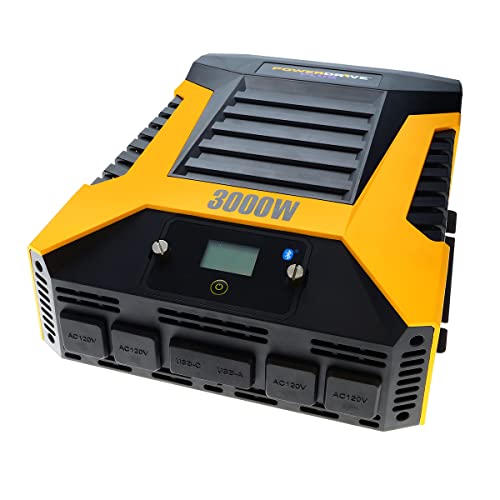
Safety Features: Look for inverters with built-in safety features such as:
- Overload Protection: Shuts down the inverter if it's overloaded.
- Short Circuit Protection: Prevents damage from short circuits.
- Over-Voltage Protection: Protects against excessive voltage.
- Low-Voltage Protection: Shuts down the inverter if the battery voltage drops too low.
- Thermal Protection: Prevents overheating.

II. Key Considerations When Choosing a Power Inverter for Your Semi Truck
Choosing the right power inverter requires careful consideration of your specific needs and circumstances. Here are some crucial factors to keep in mind:
-
Power Requirements: As mentioned earlier, calculating your total wattage needs is paramount. Make a list of all the devices you intend to power and note their wattage requirements (usually found on the device's label or in its manual). Add these wattages together to determine the minimum wattage your inverter should provide. Remember to account for surge wattage, which is the temporary power spike some devices require during startup (especially appliances with motors like refrigerators and microwaves). Surge wattage can be significantly higher than the device's continuous running wattage.
-
Inverter Type (Modified vs. Pure Sine Wave): Determine if you need a pure sine wave inverter based on the types of devices you plan to power. If you're only running basic appliances like a phone charger or a resistive heating device, a modified sine wave inverter might suffice. However, for sensitive electronics or appliances with motors, a pure sine wave inverter is strongly recommended.
-
Truck's Electrical System: Most semi-trucks operate on a 12V or 24V DC electrical system. Ensure the inverter you choose is compatible with your truck's voltage. Using an inverter with the wrong voltage can damage both the inverter and your truck's electrical system.
-
Ease of Installation: Consider the ease of installation. Some inverters come with plug-and-play connectors that simply plug into your truck's cigarette lighter or accessory port. Others require a more involved hardwiring installation directly to the battery. Hardwiring provides a more secure and reliable connection, especially for high-wattage inverters.
-
Portability: If you plan to move the inverter between different trucks or vehicles, a more portable model might be preferable.
-
Budget: Power inverters range in price from relatively inexpensive to quite expensive. Determine your budget and look for inverters that offer the best value for your money. Don't sacrifice safety and reliability for a lower price.
-
Brand Reputation and Warranty: Choose an inverter from a reputable brand known for quality and reliability. Look for inverters with a good warranty to protect against defects.
III. Top Power Inverter Recommendations for Semi Trucks (with Considerations)
While a definitive "best" inverter depends on your specific needs, here are some highly regarded options in different categories:
-
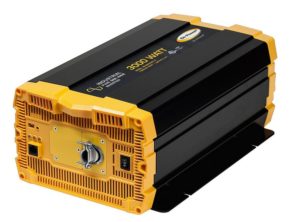
Best Overall (High Wattage, Pure Sine Wave): Go Power! GP-3000HD
- Pros: High power output (3000W continuous, 6000W surge), pure sine wave, robust build quality, comprehensive safety features, remote control included.
- Cons: More expensive than other options, requires professional installation.
- Suitable for: Truckers who need to power multiple high-wattage appliances simultaneously, including refrigerators, microwaves, and power tools.
-
Best Value (Mid-Range, Pure Sine Wave): Renogy 2000W Pure Sine Wave Inverter
- Pros: Affordable price point, pure sine wave output, decent power output (2000W continuous, 4000W surge), multiple outlets, remote control included.
- Cons: May not be suitable for the most demanding power needs.
- Suitable for: Truckers who need a reliable pure sine wave inverter for powering laptops, small appliances, and other sensitive electronics without breaking the bank.
-
Best Budget (Modified Sine Wave): BESTEK 300W Power Inverter
- Pros: Very affordable, compact and portable, plugs into cigarette lighter port, USB charging ports.
- Cons: Modified sine wave output, limited power output, not suitable for sensitive electronics or high-wattage appliances.
- Suitable for: Truckers who only need to power basic devices like phone chargers, tablets, and small electronics occasionally.
-
Best for 24V Systems: Samlex PST-3000-24
- Pros: Designed specifically for 24V systems, Pure Sine Wave, 3000W continuous power.
- Cons: More expensive than 12V options.
- Suitable for: Trucks with 24V electrical systems needing a reliable pure sine wave output.
IV. Installation and Usage Tips
- Read the Manual: Always read the inverter's manual carefully before installation and use.
- Proper Wiring: Use appropriately sized wiring for the inverter's power output. Undersized wiring can overheat and cause a fire.
- Secure Mounting: Mount the inverter in a secure location where it won't be damaged or interfere with driving.
- Ventilation: Ensure the inverter has adequate ventilation to prevent overheating.
- Battery Maintenance: Regularly check your truck's battery voltage and condition. A weak or dying battery can negatively impact the inverter's performance.
- Avoid Overloading: Never exceed the inverter's maximum power output. Overloading can damage the inverter and your appliances.
- Turn Off When Not in Use: Turn off the inverter when not in use to conserve battery power.
V. Potential Challenges and Solutions
- Battery Drain: High-wattage inverters can quickly drain your truck's battery. Consider upgrading to a higher-capacity battery or installing an auxiliary battery specifically for the inverter.
- Interference: Some inverters can cause interference with radio signals or other electronic devices. Try repositioning the inverter or using shielded cables to minimize interference.
- Overheating: If the inverter overheats frequently, check for proper ventilation and ensure it's not overloaded.
- Incorrect Installation: Improper installation can damage the inverter or your truck's electrical system. If you're not comfortable with electrical work, have the inverter professionally installed.
VI. Power Inverter Price Table
| Model | Type | Continuous Power (Watts) | Surge Power (Watts) | Voltage (Input) | Voltage (Output) | Price (Approx.) | Key Features |
|---|---|---|---|---|---|---|---|
| Go Power! GP-3000HD | Pure Sine Wave | 3000 | 6000 | 12V | 120V AC | $500 - $700 | High power, robust build, remote control, comprehensive safety features |
| Renogy 2000W Pure Sine Wave Inverter | Pure Sine Wave | 2000 | 4000 | 12V | 120V AC | $250 - $400 | Affordable, multiple outlets, remote control |
| BESTEK 300W Power Inverter | Modified Sine Wave | 300 | N/A | 12V | 120V AC | $30 - $50 | Compact, portable, plugs into cigarette lighter, USB ports |
| Samlex PST-3000-24 | Pure Sine Wave | 3000 | N/A | 24V | 120V AC | $600 - $800 | Designed for 24V systems |
| AIMS Power 2000 Watt Pure Sine Inverter | Pure Sine Wave | 2000 | 4000 | 12V | 120V AC | $350 - $500 | Multiple GFCI outlets, built-in LCD display |
VII. Frequently Asked Questions (FAQ)
-
Q: Can I run my refrigerator on a power inverter in my semi-truck?
- A: Yes, but you'll need a pure sine wave inverter with sufficient wattage to handle the refrigerator's startup surge.
-
Q: Is it safe to leave my power inverter on all the time?
- A: It's generally not recommended, as it can drain your battery. Turn it off when not in use.
-
Q: How do I calculate the wattage of my appliances?
- A: The wattage is usually listed on the appliance's label or in its manual. If only the amperage (amps) and voltage are listed, you can calculate the wattage by multiplying them together (Watts = Amps x Volts).
-
Q: What happens if I overload my power inverter?
- A: Most inverters have overload protection that will shut them down to prevent damage.
-
Q: Can I use a power inverter to charge my truck's battery?
- A: No, power inverters convert DC power to AC power, not the other way around. You need a battery charger to charge your truck's battery.
VIII. Conclusion
Choosing the best power inverter for your semi-truck is a crucial decision that can significantly enhance your comfort and productivity on the road. By understanding the fundamentals of power inverters, carefully considering your specific needs, and selecting a reputable model with the appropriate features, you can find the perfect inverter to power your life on the go. Remember to prioritize safety and reliability, and always follow the manufacturer's instructions for installation and use. A well-chosen and properly installed power inverter can be a valuable investment that makes your time on the road more enjoyable and efficient.