Trucks are built tough, but even the toughest vehicles need protection. A truck's bumper isn't just a cosmetic feature; it's a crucial safety component and a platform for enhancing functionality. Choosing the right bumper can significantly improve your truck's resilience, off-road capabilities, and overall style. This guide will explore the world of truck bumpers, helping you understand the different types, benefits, considerations, and how to select the best one for your needs.
Why are Truck Bumpers Important?
Best Truck Bumpers: Protecting Your Ride and Enhancing Its Capabilities
Your truck's bumper is the first line of defense in a collision. A sturdy bumper can absorb impact, protecting the frame, engine, and occupants. Beyond safety, bumpers offer several other advantages:
- Protection from Obstacles: Off-roading exposes your truck to rocks, trees, and other hazards. A robust bumper can shield vulnerable areas and prevent costly damage.
- Mounting Points: Many aftermarket bumpers include mounting points for winches, lights, tow hooks, and other accessories, expanding your truck's capabilities.
- Improved Approach Angle: Off-road bumpers often have a higher clearance and a more aggressive design, improving the approach angle and allowing you to navigate steeper terrain.
- Enhanced Aesthetics: A well-chosen bumper can dramatically improve your truck's appearance, giving it a more rugged and personalized look.
- Increased Resale Value: Upgrading to a high-quality bumper can increase the resale value of your truck by adding functionality and improved looks.
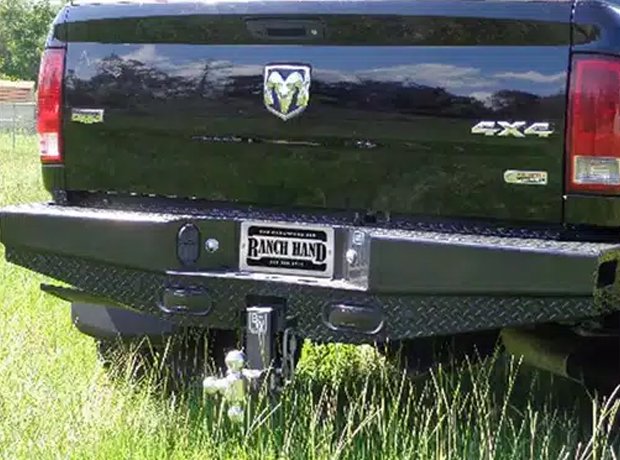
Types of Truck Bumpers
The market offers a wide range of truck bumpers, each designed for specific purposes and aesthetics. Here's a breakdown of the most common types:
-
OEM (Original Equipment Manufacturer) Bumpers: These are the bumpers that come standard on your truck from the factory. They are typically made of steel or plastic and are designed for basic protection and aesthetics. They're usually the lightest and least expensive option, but offer limited protection compared to aftermarket alternatives.

-
Steel Bumpers: Known for their strength and durability, steel bumpers are a popular choice for off-road enthusiasts and those who prioritize protection. They can withstand significant impacts and are ideal for demanding environments. Steel bumpers are heavier than OEM bumpers, which can slightly affect fuel economy.

Aluminum Bumpers: Offering a good balance of strength and weight, aluminum bumpers are lighter than steel options, reducing the impact on fuel economy. They are also corrosion-resistant, making them a good choice for trucks in wet or salty environments. However, they are typically more expensive than steel bumpers.
-
Tube Bumpers: Constructed from steel tubing, these bumpers offer a minimalist and aggressive look. They are lightweight and provide decent protection, but they are not as strong as solid steel bumpers. They are often used for off-road applications where weight is a concern.
-
Pre-Runner Bumpers: Designed for high-speed off-road driving, pre-runner bumpers are lightweight and feature a tubular design. They offer good protection for the front end and often include mounting points for lights.
-
Winch Bumpers: These bumpers are specifically designed to accommodate a winch, providing a secure mounting platform for recovery operations. They are typically made of heavy-duty steel and are essential for off-roaders who frequently encounter challenging terrain.
-
Full Replacement Bumpers: As the name suggests, these bumpers replace the entire front or rear bumper assembly. They often offer enhanced protection, integrated lighting, and mounting points for accessories.
Choosing the Right Bumper: Key Considerations
Selecting the best truck bumper for your needs requires careful consideration of several factors:
- Intended Use: How will you primarily use your truck? If you're an avid off-roader, you'll need a more robust bumper than someone who primarily drives on paved roads.
- Desired Level of Protection: Consider the types of hazards you're likely to encounter. If you frequently drive in areas with deer or other wildlife, you'll need a bumper that can withstand a significant impact.
- Material: Choose between steel, aluminum, or a combination of materials based on your priorities regarding strength, weight, and corrosion resistance.
- Budget: Truck bumpers range in price from a few hundred dollars to several thousand. Set a budget before you start shopping to narrow down your options.
- Aesthetics: Consider the overall look you're trying to achieve. Choose a bumper that complements your truck's style and reflects your personal preferences.
- Weight: Heavier bumpers can affect fuel economy and handling. Consider the weight of the bumper and its impact on your truck's performance.
- Mounting Points: If you plan to add accessories like winches, lights, or tow hooks, make sure the bumper has the necessary mounting points.
- Ease of Installation: Some bumpers are easier to install than others. Consider your mechanical skills and whether you'll need professional installation.
- Brand Reputation: Research different bumper brands and read reviews to ensure you're buying a high-quality product from a reputable manufacturer.
- Legality: Check local laws regarding bumper modifications to ensure your chosen bumper is legal in your area. Some states have regulations regarding bumper height and protrusion.
Installation: DIY vs. Professional
Installing a truck bumper can be a straightforward process for some, while others may prefer professional installation. Factors to consider include:
- Mechanical Skills: Do you have experience working on vehicles? Are you comfortable using tools and following instructions?
- Tools: Do you have the necessary tools, such as wrenches, sockets, and a torque wrench?
- Time: Do you have the time and patience to complete the installation yourself?
- Complexity of the Bumper: Some bumpers are more complex to install than others.
If you're not comfortable with any of these factors, it's best to seek professional installation. A qualified mechanic can ensure the bumper is properly installed and that all safety features are functioning correctly.
Tips for Maintaining Your Truck Bumper
Proper maintenance can extend the life of your truck bumper and keep it looking its best:
- Regular Cleaning: Wash your bumper regularly with soap and water to remove dirt, debris, and road salt.
- Waxing: Apply a coat of wax to protect the finish and prevent corrosion.
- Touch-Up Paint: Repair any scratches or chips with touch-up paint to prevent rust.
- Rust Prevention: If you live in an area with harsh winters, consider applying a rust inhibitor to the inside of the bumper.
- Inspect Regularly: Check your bumper regularly for signs of damage, such as cracks, dents, or rust. Address any issues promptly to prevent further damage.
Potential Challenges and Solutions
- Weight: Heavier bumpers can affect fuel economy and handling. Solution: Choose a lighter material like aluminum or consider upgrading your suspension to compensate for the added weight.
- Installation Difficulties: Some bumpers can be challenging to install. Solution: Read the instructions carefully, watch online tutorials, or seek professional installation.
- Cost: High-quality bumpers can be expensive. Solution: Set a budget and research different brands to find the best value for your money.
- Compatibility Issues: Not all bumpers are compatible with all trucks. Solution: Verify compatibility before purchasing a bumper.
- Rust: Steel bumpers are susceptible to rust. Solution: Choose a powder-coated bumper or apply a rust inhibitor.
Price Table
| Bumper Type | Material | Features | Price Range (USD) |
|---|---|---|---|
| OEM Replacement | Steel/Plastic | Basic protection, factory appearance | $150 - $500 |
| Aftermarket Steel | Steel | Enhanced protection, winch mount options, light mounts | $500 - $2000 |
| Aftermarket Aluminum | Aluminum | Lightweight, corrosion-resistant, winch mount options, light mounts | $800 - $2500 |
| Tube Bumper | Steel | Lightweight, minimalist design, basic protection | $300 - $800 |
| Pre-Runner Bumper | Steel | High-speed off-road, light mounts, improved approach angle | $600 - $1500 |
| Winch Bumper | Steel | Heavy-duty, integrated winch mount, maximum protection | $800 - $2500 |
| Full Replacement Bumper | Steel/Aluminum | Comprehensive protection, integrated lighting, accessory mounts | $1000 - $3500 |
Frequently Asked Questions (FAQ)
-
Q: Will a new bumper affect my truck's warranty?
- A: It depends. Installing an aftermarket bumper may void certain parts of your warranty, particularly if the installation causes damage or interferes with the vehicle's electrical system. Consult your warranty documentation and a qualified mechanic before making any modifications.
-
Q: How do I choose the right size bumper for my truck?
- A: Use the year, make, and model of your truck when searching for bumpers online. Bumper manufacturers will usually identify the models that a specific bumper is compatible with.
-
Q: Can I install a truck bumper myself?
- A: Yes, if you have the necessary skills, tools, and time. However, professional installation is recommended for those who are not comfortable working on vehicles.
-
Q: Are aluminum bumpers as strong as steel bumpers?
- A: While aluminum is lighter than steel, high-quality aluminum bumpers can be very strong and durable. They are often a good choice for those who prioritize weight savings without sacrificing too much protection.
-
Q: How much does it cost to install a truck bumper?
- A: Installation costs vary depending on the complexity of the bumper and the labor rates in your area. Expect to pay between $200 and $500 for professional installation.
Conclusion
Choosing the best truck bumper is a significant decision that can impact your truck's safety, functionality, and appearance. By understanding the different types of bumpers, considering your specific needs, and carefully researching your options, you can select a bumper that provides the protection and performance you need while enhancing your truck's overall style. Remember to prioritize safety, consider your budget, and choose a reputable brand to ensure a long-lasting and reliable upgrade. So, gear up and equip your truck with the best bumper to tackle any challenge that comes your way!