Introduction: The Significance of CSA Scores in Trucking
In the complex and highly regulated world of trucking, safety is paramount. The Federal Motor Carrier Safety Administration (FMCSA) plays a critical role in ensuring the safety of our nation's roadways by monitoring and regulating commercial motor vehicles (CMVs). A key component of this oversight is the Compliance, Safety, Accountability (CSA) program, which assigns scores to trucking companies based on their safety performance. These CSA scores are not just numbers; they reflect a company's commitment to safety, its adherence to regulations, and ultimately, its ability to operate reliably and successfully. For shippers, drivers, and the general public, understanding CSA scores is crucial for making informed decisions and ensuring safer roads for everyone. This article delves into the intricacies of CSA scores, highlighting trucking companies that consistently demonstrate excellence in safety, and providing insights into how these scores are achieved and maintained.
Trucking Companies With Best CSA Scores: A Comprehensive Guide to Safety and Compliance
Understanding CSA Scores: A Deeper Dive
The CSA program evaluates trucking companies across seven Behavior Analysis and Safety Improvement Categories (BASICs):
- Unsafe Driving: This category focuses on unsafe driving behaviors, such as speeding, reckless driving, improper lane changes, and inattention.
- Hours of Service (HOS) Compliance: This BASIC assesses violations related to drivers' hours of service regulations, ensuring drivers are not fatigued and are operating within legal limits.
- Driver Fitness: This category examines issues related to driver qualifications, licensing, medical certifications, and general fitness for duty.
- Controlled Substances/Alcohol: This BASIC monitors violations related to drug and alcohol use by drivers, including positive drug tests, alcohol violations, and refusal to submit to testing.
- Vehicle Maintenance: This category focuses on vehicle maintenance issues, such as defective brakes, lights, tires, and other mechanical defects that can compromise safety.
- Hazardous Materials (Hazmat) Compliance: This BASIC assesses violations related to the safe transportation of hazardous materials, including proper packaging, labeling, and handling.
- Crash Indicator: This category considers the company's involvement in crashes, including the frequency, severity, and preventability of crashes.
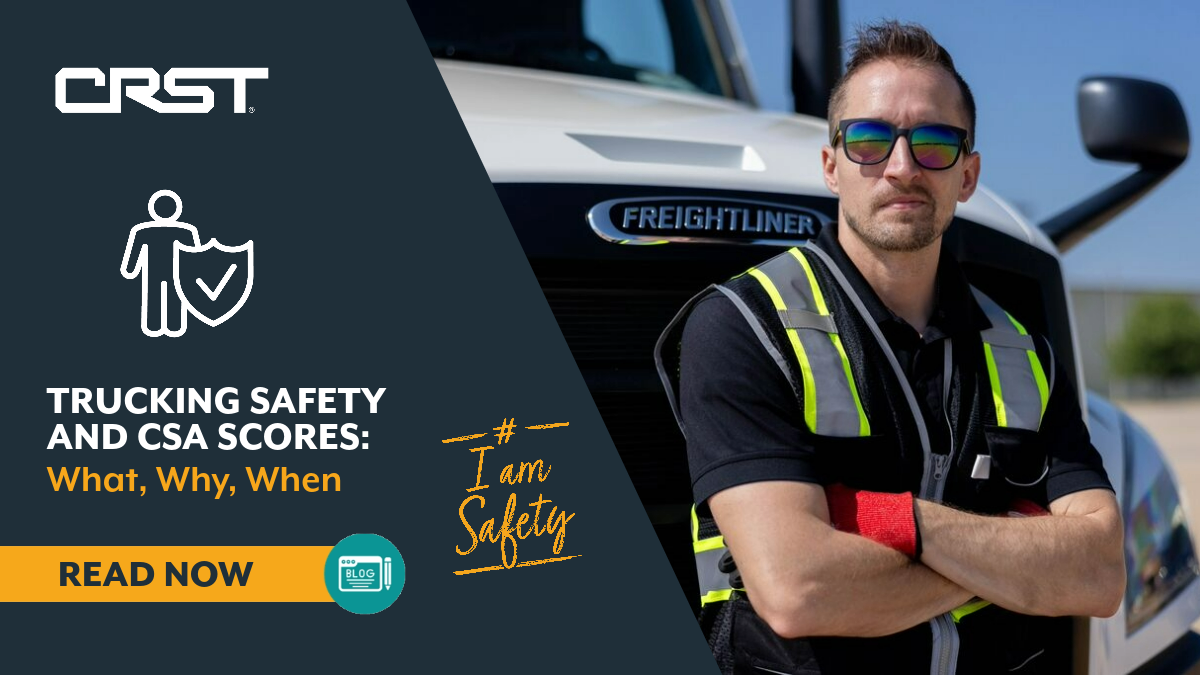
Each BASIC is assigned a score based on roadside inspections, crash reports, and other data. A lower score generally indicates better safety performance, while higher scores raise concerns and may trigger interventions from the FMCSA. These interventions can range from warning letters to more intensive actions, such as compliance reviews, audits, and even suspension of operating authority.
Identifying Trucking Companies With Top CSA Scores

While specific CSA scores are not publicly released for individual companies (beyond those involved in litigation), it is possible to identify companies known for their strong safety records and commitment to CSA compliance. These companies often share certain characteristics:
- Robust Safety Programs: They invest heavily in comprehensive safety programs that include driver training, regular vehicle maintenance, safety technology, and proactive monitoring of driver behavior.
- Experienced and Well-Trained Drivers: They prioritize hiring experienced drivers and provide ongoing training to ensure drivers are up-to-date on safety regulations and best practices.
- Advanced Technology: They utilize technology such as Electronic Logging Devices (ELDs), telematics systems, and collision avoidance systems to monitor driver behavior, track vehicle performance, and prevent accidents.
- Strong Safety Culture: They foster a safety culture that permeates the entire organization, from top management to individual drivers, emphasizing safety as a core value.
- Proactive Compliance: They proactively monitor CSA scores and take corrective action to address any identified deficiencies.
Benefits of Choosing a Trucking Company With Excellent CSA Scores
Selecting a trucking company with a strong CSA score offers numerous benefits:
- Reduced Risk of Accidents: Companies with good CSA scores are less likely to be involved in accidents, protecting your cargo, the public, and the environment.
- Reliable Service: These companies are more likely to deliver your goods on time and in good condition, as they are less likely to experience delays due to safety violations or enforcement actions.
- Regulatory Compliance: Partnering with a compliant carrier reduces your risk of liability in the event of a safety-related incident.
- Reputation Management: Associating with a reputable carrier enhances your brand image and demonstrates your commitment to safety and responsible business practices.
- Lower Insurance Costs: Shippers who use carriers with good safety records may be able to negotiate lower insurance rates.
How Trucking Companies Achieve and Maintain Top CSA Scores: Best Practices
Achieving and maintaining top CSA scores requires a multifaceted approach:
- Driver Recruitment and Training: Implement rigorous screening processes to hire qualified drivers with clean driving records. Provide comprehensive initial and ongoing training on safety regulations, defensive driving techniques, and company safety policies.
- Vehicle Maintenance Programs: Establish a proactive vehicle maintenance program that includes regular inspections, preventative maintenance, and prompt repairs. Utilize technology to track vehicle maintenance schedules and identify potential issues before they become safety hazards.
- Hours of Service Compliance: Implement robust systems to monitor driver hours of service and ensure compliance with regulations. Utilize ELDs and telematics systems to track driver hours and prevent fatigue.
- Safety Technology Adoption: Invest in safety technology such as collision avoidance systems, lane departure warning systems, and driver monitoring systems to enhance driver safety and prevent accidents.
- Data Analysis and Continuous Improvement: Regularly analyze CSA scores and other safety data to identify trends and areas for improvement. Implement corrective actions to address any identified deficiencies.
- Safety Culture Promotion: Foster a safety culture that emphasizes safety as a core value. Encourage drivers to report safety concerns and recognize and reward safe driving behavior.
Potential Challenges and Solutions
While striving for top CSA scores is essential, trucking companies may face several challenges:
- Driver Shortage: The ongoing driver shortage can make it difficult to recruit and retain qualified drivers. Solutions include offering competitive pay and benefits, providing comprehensive training, and creating a positive work environment.
- Regulatory Complexity: The ever-changing landscape of safety regulations can be challenging to navigate. Solutions include staying up-to-date on regulatory changes, utilizing compliance software, and seeking expert advice.
- Economic Pressures: Economic pressures can sometimes lead to compromises on safety. Solutions include prioritizing safety over short-term profits, investing in safety technology, and streamlining operations to reduce costs without sacrificing safety.
Table of Information
| Feature | Description | Importance | Benefits | Challenges |
|---|---|---|---|---|
| CSA Scores | A system used by the FMCSA to assess the safety performance of trucking companies across seven BASICs (Unsafe Driving, HOS Compliance, Driver Fitness, Controlled Substances/Alcohol, Vehicle Maintenance, Hazmat Compliance, Crash Indicator). Lower scores indicate better safety performance. | Essential for identifying safe and compliant carriers, reducing accident risks, and ensuring regulatory compliance. | Reduced accident rates, reliable service, regulatory compliance, enhanced reputation, lower insurance costs. | Data accuracy, inconsistent enforcement, potential for manipulation. |
| Safety Programs | Comprehensive programs that include driver training, regular vehicle maintenance, safety technology, and proactive monitoring of driver behavior. | Fundamental for preventing accidents, reducing safety violations, and fostering a safety culture. | Improved safety performance, reduced insurance costs, enhanced driver retention, improved brand image. | Cost of implementation, ongoing maintenance, resistance to change. |
| Driver Training | Initial and ongoing training on safety regulations, defensive driving techniques, and company safety policies. | Crucial for ensuring drivers are knowledgeable, skilled, and aware of safety hazards. | Reduced accident rates, improved fuel efficiency, enhanced driver satisfaction, lower insurance costs. | Cost of training, time commitment, ensuring knowledge retention. |
| Vehicle Maintenance | Proactive programs that include regular inspections, preventative maintenance, and prompt repairs. | Vital for preventing mechanical failures, reducing downtime, and ensuring vehicle safety. | Reduced accident rates, improved fuel efficiency, extended vehicle lifespan, lower maintenance costs. | Cost of maintenance, scheduling repairs, finding qualified technicians. |
| Safety Technology | Technologies such as ELDs, telematics systems, collision avoidance systems, and driver monitoring systems. | Instrumental for monitoring driver behavior, tracking vehicle performance, and preventing accidents. | Reduced accident rates, improved fuel efficiency, enhanced driver safety, improved compliance. | Cost of implementation, data privacy concerns, driver resistance. |
| Safety Culture | A company-wide commitment to safety that permeates all aspects of the organization. | Essential for creating a safe and responsible work environment, reducing accidents, and improving overall performance. | Reduced accident rates, improved employee morale, enhanced customer satisfaction, improved brand image. | Difficulty in changing ingrained behaviors, lack of leadership support, conflicting priorities. |
Frequently Asked Questions (FAQ)
-
Q: How can I find out a trucking company's CSA score?
- A: While specific CSA scores are not publicly released beyond certain legal situations, you can research a company's safety record through the FMCSA's Safety Measurement System (SMS) website. This website provides information on a company's BASIC scores relative to other carriers.
-
Q: What is a "good" CSA score?
- A: A lower score is generally better. Scores are ranked relative to other carriers in the same peer group. A score in the lower percentile indicates better safety performance compared to peers.
-
Q: How often are CSA scores updated?
- A: CSA scores are updated monthly based on the most recent 24 months of data.
-
Q: What happens if a trucking company has a poor CSA score?
- A: The FMCSA may take various enforcement actions, including warning letters, compliance reviews, audits, and even suspension of operating authority.
-
Q: Can a trucking company improve its CSA score?
- A: Yes, by implementing effective safety programs, investing in driver training, maintaining vehicles properly, and proactively addressing safety concerns.
Conclusion: Prioritizing Safety for a Sustainable Future
CSA scores are a vital tool for assessing the safety performance of trucking companies. By understanding how these scores are calculated and the factors that contribute to them, shippers, drivers, and the general public can make informed decisions that promote safety on our nation's roadways. Trucking companies that prioritize safety and invest in best practices are not only protecting their employees and the public but also building a sustainable future for their businesses. Choosing a trucking company with excellent CSA scores is a responsible and strategic decision that benefits everyone involved. The ongoing commitment to safety and compliance is paramount in the trucking industry.