The allure of a Jeep is undeniable. Rugged, capable, and iconic, it's a symbol of freedom and adventure. But what if you could take that allure a step further, building your own Jeep from the ground up? That's the promise of a "Jeep In A Box For Sale," a concept that opens a world of customization, mechanical mastery, and unparalleled connection with your vehicle. This comprehensive guide will delve into everything you need to know about Jeep In A Box kits, from understanding what they are to navigating the purchasing process and ultimately building your dream off-roader.
Introduction: What is a Jeep In A Box?
Jeep In A Box For Sale: Building Your Dream Off-Roader From Scratch
A "Jeep In A Box," more accurately known as a Jeep kit car or complete Jeep build kit, isn't literally a Jeep neatly packaged in a single cardboard box. Instead, it's a collection of parts, components, and assemblies needed to construct a complete and functional Jeep-like vehicle. These kits typically include everything from the frame and body panels to the engine, transmission, axles, and suspension.
The key appeal lies in the control and customization offered. Unlike purchasing a pre-built Jeep, a kit allows you to choose specific components, tailor the build to your exact needs and preferences, and learn the intricacies of the vehicle's mechanics firsthand. While the term "Jeep In A Box" might evoke images of simplicity, it's important to understand that building a Jeep from a kit is a significant undertaking requiring time, skill, and a substantial investment. However, for the right individual, the reward of owning a custom-built, trail-ready machine is well worth the effort.
I. Why Choose a Jeep In A Box? Exploring the Benefits
Building a Jeep from a kit offers several compelling advantages:
- Unparalleled Customization: This is the biggest draw. You get to select the engine, transmission, suspension, wheels, tires, and interior components, tailoring the Jeep to your specific driving style and intended use. Want a rock crawler with a powerful V8? Or a comfortable overlander with a fuel-efficient diesel? The choice is yours.
- Cost Savings (Potentially): While the initial investment might seem high, building a Jeep from a kit can potentially save you money in the long run, especially if you're doing most of the labor yourself. You avoid paying for assembly and can source parts strategically. However, be realistic about your skills and the potential for unexpected expenses.
- Mechanical Knowledge: Building a vehicle from scratch is an incredible learning experience. You'll gain an in-depth understanding of how each component works and how they interact. This knowledge will be invaluable for maintenance, repairs, and future modifications.
- Unique Ownership Experience: There's a profound sense of accomplishment that comes with driving a vehicle you built yourself. It's a testament to your skills and dedication, and it creates a deeper connection to your machine.
- Avoiding Rust and Previous Damage: Starting with new parts eliminates the risk of hidden rust, previous accidents, or worn-out components that are common with used Jeeps.
- Building to a Specific Era: Some kits are designed to replicate specific classic Jeep models, allowing you to own a "brand new" version of a vintage vehicle.
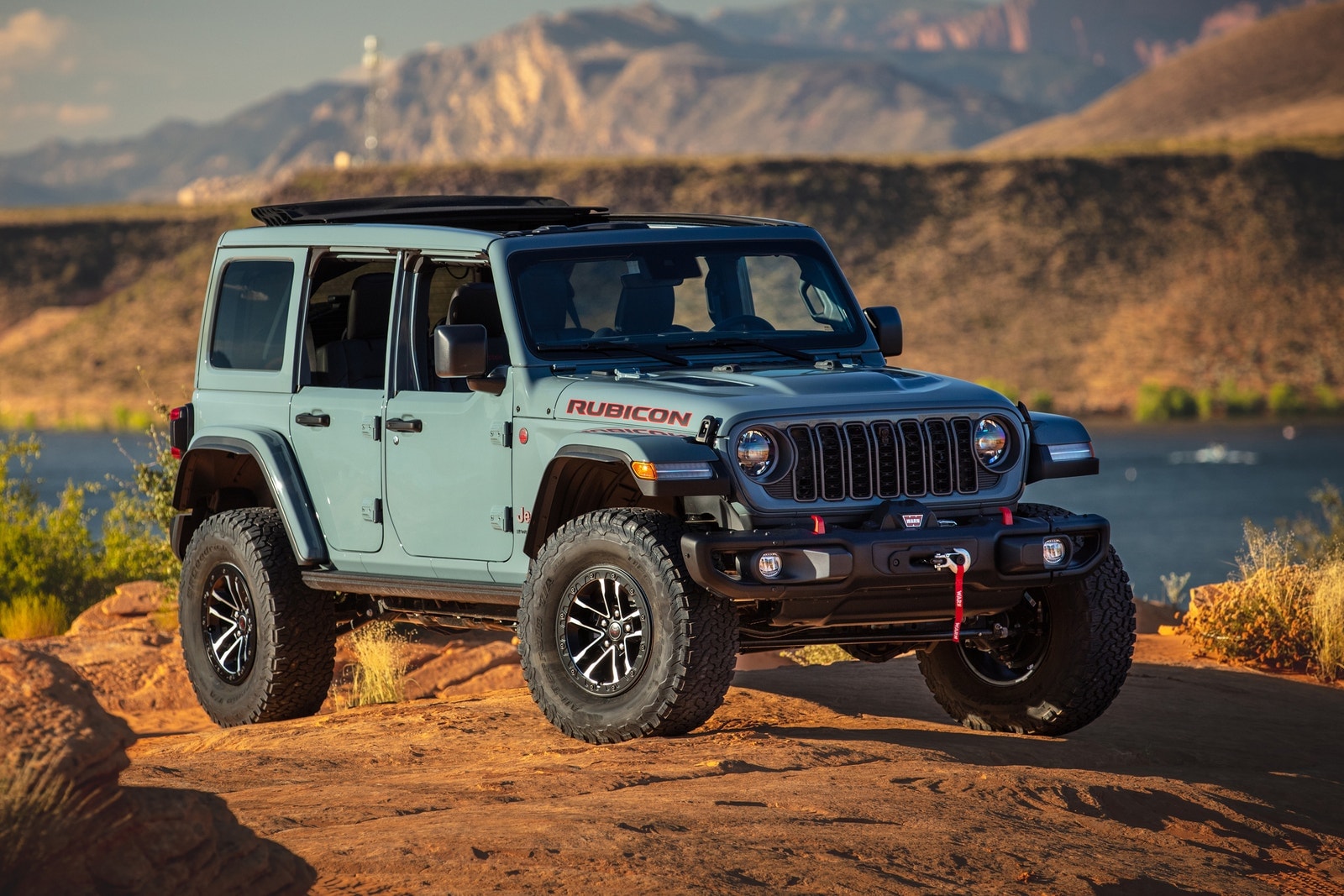
II. Types of Jeep In A Box Kits: Understanding Your Options
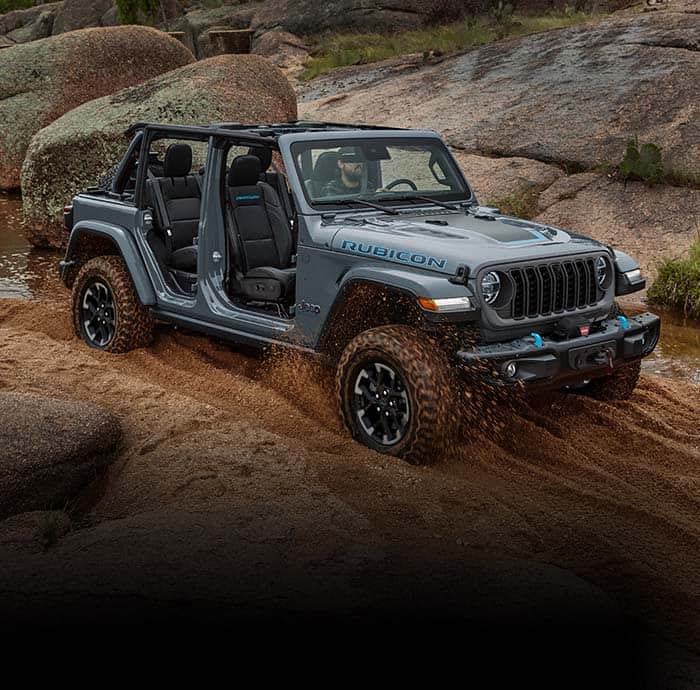
Jeep kit cars come in various forms, catering to different skill levels, budgets, and desired outcomes. Here's a breakdown of the most common types:
- Complete Kits: These kits aim to provide nearly everything you need to build a running and driving Jeep. They typically include the frame, body panels, engine, transmission, axles, suspension, wiring harness, and interior components. Some even include paint.
- Rolling Chassis Kits: These kits include the frame, suspension, axles, wheels, and tires. They are essentially a complete rolling chassis onto which you can install your own engine, transmission, and body.
- Body Kits: These kits include only the body panels, such as the tub, hood, fenders, and grille. They are often used to restore or customize existing Jeeps or to build a Jeep on a custom frame.
- Partial Kits: These kits offer a selection of components, often focusing on specific areas like suspension or engine upgrades.
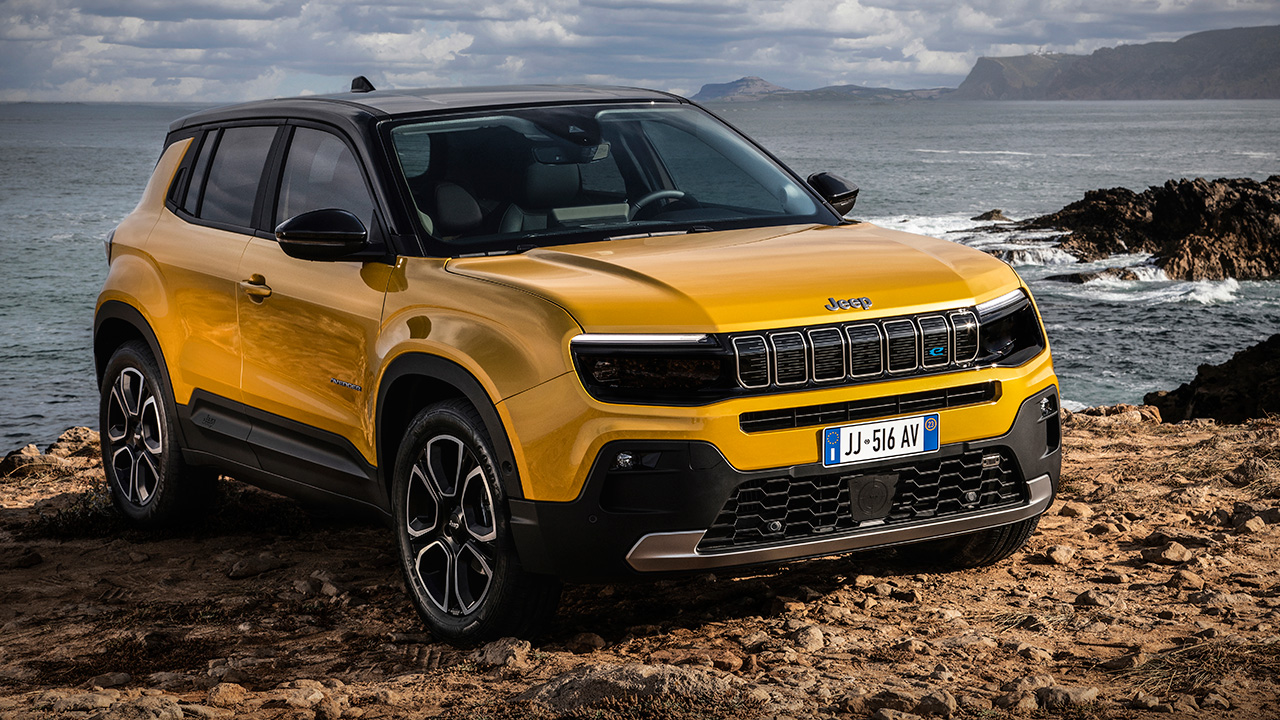
III. The Building Process: A Step-by-Step Guide
Building a Jeep from a kit is a complex project, but it can be broken down into manageable steps:
- Research and Planning: This is the most crucial step. Research different kit manufacturers, read reviews, and determine which kit best suits your needs, budget, and skill level. Create a detailed build plan, including a parts list, budget, and timeline.
- Gather Tools and Workspace: Ensure you have a well-equipped workshop with the necessary tools, including wrenches, sockets, screwdrivers, a torque wrench, a welder (if needed), and safety equipment. A lift is highly recommended for easier access.
- Frame Assembly: Start by assembling the frame according to the manufacturer's instructions. Ensure all welds are strong and all fasteners are properly tightened.
- Suspension Installation: Install the suspension components, including springs, shocks, control arms, and sway bars. Pay close attention to torque specifications and alignment procedures.
- Axle Installation: Install the axles, including the differential, gears, and brakes. Proper setup and lubrication are critical for reliable performance.
- Engine and Transmission Installation: Install the engine and transmission, connecting them to the axles with driveshafts. Ensure all wiring and plumbing are properly connected.
- Body Installation: Install the body panels, aligning them properly and securing them to the frame.
- Wiring and Plumbing: Install the wiring harness and connect all electrical components, including lights, gauges, and accessories. Connect all fuel lines, brake lines, and cooling system components.
- Interior Installation: Install the seats, dashboard, and other interior components.
- Final Checks and Adjustments: Thoroughly inspect all components, check fluid levels, and make any necessary adjustments.
- First Start and Testing: Start the engine and check for leaks or malfunctions. Test drive the Jeep in a controlled environment to ensure everything is working properly.
IV. Important Considerations Before You Buy
- Budget: Building a Jeep from a kit can be expensive. Factor in the cost of the kit, tools, parts, paint, and any professional assistance you might need.
- Skill Level: Be honest about your mechanical abilities. Building a Jeep from a kit requires a significant amount of skill and experience. If you're not comfortable with welding, wiring, or engine mechanics, consider seeking professional help.
- Time Commitment: Building a Jeep from a kit is a time-consuming project. It can take weeks or even months to complete, depending on your skill level and the complexity of the kit.
- Legal Requirements: Check your local laws and regulations regarding kit cars. You may need to register the vehicle as a specially constructed vehicle and meet certain safety requirements.
- Manufacturer Reputation: Research the kit manufacturer thoroughly. Read reviews, check their warranty policy, and ensure they have a good reputation for quality and customer support.
- Completeness of the Kit: Carefully review the kit's contents list to ensure it includes everything you need. Some kits may require you to source certain components separately.
- Availability of Support: Choose a kit manufacturer that offers good technical support. You'll likely have questions during the build process, and having access to knowledgeable support staff can be invaluable.
V. Tips for a Successful Build
- Read the Instructions Carefully: Follow the manufacturer's instructions meticulously. Don't skip steps or assume you know what you're doing.
- Take Your Time: Don't rush the build process. Take your time to do things right, and double-check your work.
- Organize Your Parts: Keep your parts organized and labeled. This will make it easier to find what you need and prevent confusion.
- Ask for Help: Don't be afraid to ask for help if you're stuck. There are plenty of online forums and communities where you can find experienced builders who are willing to share their knowledge.
- Document Your Progress: Take photos of your progress. This will be helpful if you need to refer back to something later.
- Invest in Quality Tools: Using quality tools will make the build process easier and more enjoyable.
- Prioritize Safety: Always wear safety glasses and gloves when working on your Jeep. Use a jack stand when working under the vehicle.
VI. Potential Challenges and Solutions
- Missing Parts: Contact the kit manufacturer immediately and request the missing parts.
- Incorrect Instructions: Contact the kit manufacturer for clarification. You can also find helpful information online.
- Difficulty Assembling Components: Refer to the manufacturer's instructions and online resources. If you're still struggling, consider seeking professional help.
- Wiring Issues: Use a multimeter to troubleshoot wiring problems. If you're not comfortable with wiring, consider hiring a professional electrician.
- Mechanical Problems: Consult with a qualified mechanic.
VII. Example Price Table of Jeep In A Box For Sale
| Kit Type | Manufacturer (Example) | Model (Example) | Estimated Price Range | Includes | Excludes | Skill Level Required |
|---|---|---|---|---|---|---|
| Complete Kit | S&S Off Road | JK-8 | $25,000 - $45,000 | Frame, body, engine, transmission, axles, suspension, wiring, interior (basic). | Paint, fluids, some specialized tools. | Advanced |
| Rolling Chassis | Throttle Down Kustoms | CJ-5 Chassis | $10,000 - $20,000 | Frame, axles, suspension, wheels, tires. | Engine, transmission, body, wiring, interior. | Intermediate |
| Body Kit | Aqualu Industries | Aluminum CJ-7 Body | $5,000 - $10,000 | Aluminum tub, hood, fenders, windshield frame. | Frame, drivetrain, suspension, interior. | Basic (for restoration) / Advanced (for custom builds) |
| Partial Kit (Suspension) | Rock Krawler Suspension | JK 3.5" Lift Kit | $2,000 - $4,000 | Springs, shocks, control arms, sway bar links. | Axles, wheels, tires, other suspension components. | Intermediate |
Note: These prices are estimates and can vary significantly depending on the manufacturer, quality of components, and any customizations.
VIII. Frequently Asked Questions (FAQ)
-
Q: How long does it take to build a Jeep from a kit?
- A: It depends on your skill level and the complexity of the kit, but typically it takes several weeks to several months.
-
Q: What tools do I need to build a Jeep from a kit?
- A: You'll need a well-equipped workshop with wrenches, sockets, screwdrivers, a torque wrench, a welder (if needed), and safety equipment. A lift is highly recommended.
-
Q: Can I finance a Jeep In A Box kit?
- A: Some manufacturers offer financing options, or you can explore personal loans.
-
Q: Do I need any special permits or licenses to build a Jeep from a kit?
- A: Check your local laws and regulations. You may need to register the vehicle as a specially constructed vehicle and meet certain safety requirements.
-
Q: Where can I find Jeep In A Box kits for sale?
- A: Search online for Jeep kit car manufacturers. Look at websites like Summit Racing, Jegs, and specialized Jeep parts retailers.
-
Q: What if I get stuck during the build process?
- A: Contact the kit manufacturer for technical support, consult online forums, or seek professional help.
Conclusion: The Ultimate DIY Adventure
Building a Jeep from a kit is not for the faint of heart. It's a challenging and time-consuming project that requires a significant investment of time, money, and effort. However, for the right individual, the reward is well worth the effort. You'll gain unparalleled customization, invaluable mechanical knowledge, and a unique ownership experience that you simply can't get from buying a pre-built Jeep. If you're ready to embark on the ultimate DIY adventure, a Jeep In A Box might just be the perfect project for you. Just remember to do your research, plan carefully, and be prepared to learn along the way. The open road, or the rugged trail, awaits!