The Chevrolet truck. An American icon. From the classic curves of the 1950s pickups to the modern, powerful workhorses of today, Chevy trucks have earned a reputation for durability, reliability, and rugged good looks. But even the toughest trucks endure wear and tear. Whether it's a minor fender bender, rust creeping in, or a desire to customize your ride, understanding Chevy truck body parts is crucial for maintenance, restoration, and personalization. This comprehensive guide will delve into the world of Chevy truck body parts, providing you with the knowledge you need to keep your Chevy looking its best for years to come.
Why Body Parts Matter: More Than Just Aesthetics
Chevy Truck Body Parts: A Comprehensive Guide to Restoration, Repair, and Customization
While the visual appeal of your Chevy truck is undoubtedly important, body parts play a much more significant role than simply looking good. They provide crucial protection for the vehicle's internal components, contribute to structural integrity, and even affect aerodynamics, influencing fuel efficiency. Damaged or deteriorated body parts can lead to further problems, including rust, corrosion, and compromised safety. Replacing or repairing these parts is an investment in your truck's longevity, performance, and overall value.
Navigating the World of Chevy Truck Body Parts: A Detailed Overview
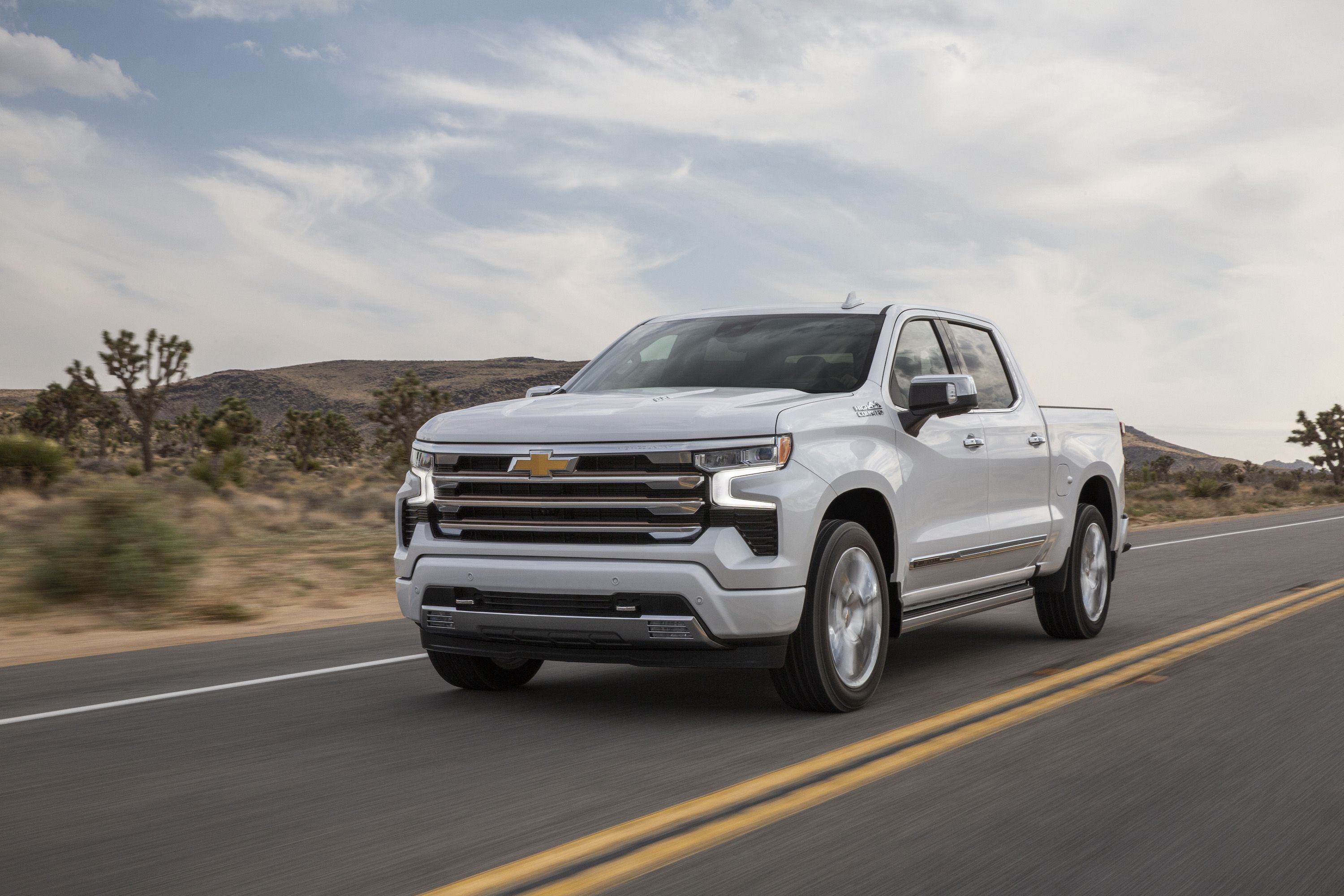
Chevy truck body parts encompass a vast range of components, each serving a specific purpose. Let's break down some of the most common and important parts:
- Fenders: These curved panels cover the wheels, protecting the engine compartment and other vital components from road debris and the elements. They also contribute significantly to the truck's overall appearance.
- Hoods: Covering the engine bay, the hood provides access for maintenance and repairs while protecting the engine from the elements. They are available in various styles, including cowl induction hoods for improved airflow.
- Doors: Providing access to the cab, doors are essential for safety and comfort. They include outer shells, inner panels, hinges, latches, and window mechanisms.
- Grilles: The grille is the front face of your truck, defining its character and allowing airflow to the radiator. They come in numerous styles, from classic chrome to modern blacked-out designs.
- Bumpers: Designed to absorb impact in collisions, bumpers protect the frame and body from damage. They are typically made of steel, aluminum, or plastic and are available in various styles, including chrome, painted, and off-road options.
- Beds: The truck bed is the workhorse of the vehicle, used for hauling cargo. Bed components include the bed floor, side panels, tailgate, and wheel wells.
- Tailgates: Providing access to the bed, the tailgate is a critical component. They are available in various styles, including standard, step-side, and multi-flex options.
- Cab Corners & Rocker Panels: These areas are particularly susceptible to rust and damage. Cab corners form the lower rear corners of the cab, while rocker panels run along the bottom of the cab, between the front and rear wheels.
- Floor Pans: The floor pan forms the base of the cab and is prone to rust due to moisture accumulation. Replacing rusted floor pans is crucial for structural integrity and safety.
- Inner Fenders/Wheel Wells: These components protect the engine compartment and cab from debris thrown up by the tires.

Sourcing Your Chevy Truck Body Parts: New, Used, or Reproduction?
When it comes to sourcing body parts for your Chevy truck, you have several options:
- New OEM (Original Equipment Manufacturer) Parts: These parts are manufactured by GM or their suppliers and are identical to the original parts that came with your truck. They offer the best fit and quality but are generally the most expensive option.
- New Aftermarket Parts: These parts are manufactured by companies other than GM. Quality can vary significantly, so it's crucial to research reputable brands. Aftermarket parts can be a more affordable alternative to OEM parts.
- Used Parts: Sourced from salvage yards or online marketplaces, used parts can be a cost-effective option for certain repairs. However, it's essential to carefully inspect the parts for damage or rust before purchasing.
- Reproduction Parts: These parts are designed to replicate the original parts of classic Chevy trucks. They are often used in restoration projects and can be a good option for hard-to-find parts.

Choosing the Right Body Parts: Considerations and Tips
Selecting the right body parts for your Chevy truck requires careful consideration:
- Year, Make, and Model: Ensure that the parts you choose are specifically designed for your truck's year, make, and model. Compatibility is crucial for proper fit and function.
- Quality and Materials: Consider the quality of the materials and construction. Look for parts made from durable materials that can withstand the elements and everyday wear and tear.
- Fit and Finish: Pay attention to the fit and finish of the parts. They should align properly with the existing body panels and have a smooth, consistent surface.
- Rust Prevention: If you live in an area with harsh winters or salty roads, consider parts with rust-resistant coatings or treatments.
- Installation: Assess your skills and tools before attempting to install body parts yourself. Some repairs may require specialized tools or professional assistance.
Replacing a Fender: A Step-by-Step Guide (Simplified)
While a complete fender replacement is a complex process, here's a simplified overview:
- Preparation: Gather the necessary tools (sockets, wrenches, screwdrivers, pliers, etc.), safety glasses, gloves, and the new fender. Disconnect the battery.
- Removal: Remove the headlights, turn signals, and any other components attached to the fender. Disconnect any wiring harnesses. Carefully unbolt the old fender from the truck.
- Installation: Align the new fender with the mounting points. Bolt the fender into place, ensuring proper alignment.
- Reassembly: Reconnect the wiring harnesses and reinstall the headlights, turn signals, and other components.
- Testing: Test the headlights, turn signals, and any other electrical components to ensure they are working properly.
Important Considerations and Potential Challenges:
- Rust Repair: Rust is a common problem in Chevy trucks, especially in older models. Before replacing body parts, address any existing rust to prevent it from spreading to the new parts.
- Welding: Some body repairs, such as replacing floor pans or cab corners, may require welding. If you're not comfortable welding, it's best to hire a professional.
- Painting: Matching the paint color of your truck can be challenging. Consider having the new body parts professionally painted to ensure a seamless match.
- Body Work: Aligning body panels and achieving a smooth, even surface may require body work skills. If you're not experienced in body work, it's best to seek professional assistance.
Tips for Maintaining Your Chevy Truck's Body:
- Regular Washing: Wash your truck regularly to remove dirt, salt, and other contaminants that can damage the paint and cause rust.
- Waxing: Wax your truck periodically to protect the paint from the elements and maintain its shine.
- Touch-Up Paint: Use touch-up paint to repair minor scratches and chips in the paint.
- Rust Prevention: Apply rust-inhibiting products to areas prone to rust, such as the undercarriage and wheel wells.
- Prompt Repairs: Address any damage or rust promptly to prevent it from worsening.
Chevy Truck Body Parts - Price Table (Estimates Only):
| Part Name | New OEM Price (USD) | New Aftermarket Price (USD) | Used Price (USD) | Notes |
|---|---|---|---|---|
| Front Fender | $300 - $700 | $150 - $400 | $75 - $250 | Price varies by year, model, and finish (primed/painted). |
| Hood | $400 - $1000 | $200 - $600 | $100 - $400 | Cowl induction hoods are generally more expensive. |
| Door Shell | $500 - $1200 | $250 - $700 | $150 - $500 | Price varies based on whether it includes hardware. |
| Grille | $200 - $800 | $100 - $400 | $50 - $200 | Price depends on style, material, and trim. |
| Front Bumper | $300 - $900 | $150 - $500 | $75 - $300 | Chrome bumpers are often more expensive. |
| Truck Bed | $1500 - $4000 | $800 - $2500 | $500 - $1500 | Depends on bed length and material. |
| Tailgate | $400 - $1000 | $200 - $600 | $100 - $400 | Includes standard and step-side variations. |
| Cab Corner (Pair) | N/A | $50 - $150 | N/A | Usually only available aftermarket. |
| Rocker Panel (Pair) | N/A | $60 - $200 | N/A | Usually only available aftermarket. |
| Floor Pan (Section) | N/A | $40 - $100 | N/A | Price per section. |
Disclaimer: Prices are estimates and can vary significantly depending on the vendor, location, condition (for used parts), and specific year/model of your Chevy truck. Always get a quote from a reputable supplier or body shop.
Frequently Asked Questions (FAQ)
-
Q: Where can I find the part number for my Chevy truck body part?
- A: Check the original part (if available), consult your owner's manual, or visit a Chevy dealership or online parts retailer.
-
Q: Can I install body parts myself?
- A: Some body parts, like grilles or bumpers, are relatively easy to install. However, others, such as fenders or floor pans, require more advanced skills and tools.
-
Q: How do I match the paint color of my truck?
- A: Locate the paint code on your truck's door jamb or in the glove compartment. Provide this code to a paint supplier to get the correct paint color.
-
Q: What is the difference between OEM and aftermarket body parts?
- A: OEM parts are made by GM or their suppliers and are identical to the original parts. Aftermarket parts are made by other companies and can vary in quality and fit.
-
Q: How do I prevent rust on my Chevy truck?
- A: Wash your truck regularly, apply rust-inhibiting products, and address any damage or rust promptly.
Conclusion: Preserving the Legacy
Your Chevy truck is more than just a vehicle; it's a symbol of American ingenuity and hard work. By understanding Chevy truck body parts and taking the necessary steps to maintain and repair them, you can ensure that your truck continues to turn heads and perform reliably for years to come. Whether you're restoring a classic, repairing damage, or simply customizing your ride, the knowledge you've gained from this guide will empower you to make informed decisions and keep your Chevy truck looking its best. Remember to prioritize safety, quality, and proper installation to protect your investment and enjoy the open road.