Fiberglass truck bodies represent a significant upgrade and specialization for commercial vehicles, offering a blend of durability, lightweight design, and customization options. They are essentially cargo boxes constructed primarily from fiberglass reinforced polymer (FRP), a composite material known for its strength-to-weight ratio and resistance to corrosion. Whether you're a fleet manager looking to optimize your vehicles or a small business owner needing a reliable and efficient work truck, understanding the world of fiberglass truck bodies is crucial. This comprehensive guide will delve into the intricacies of fiberglass truck bodies for sale, covering their benefits, types, considerations before buying, and where to find the best deals.
Introduction: The Rise of Fiberglass in Trucking
Fiberglass Truck Bodies For Sale: A Comprehensive Guide
In the ever-evolving world of commercial transportation, businesses are constantly seeking ways to improve efficiency, reduce costs, and enhance the longevity of their vehicles. Fiberglass truck bodies have emerged as a leading solution, offering a compelling alternative to traditional steel or aluminum bodies. These bodies are not simply replacements; they represent a strategic investment in a more durable, versatile, and often more fuel-efficient work vehicle.
Fiberglass, a composite material made by embedding glass fibers in a resin matrix, provides a unique combination of properties that make it ideal for truck body construction. Its lightweight nature translates to better fuel economy and increased payload capacity, while its inherent resistance to rust and corrosion significantly extends the lifespan of the body. Furthermore, fiberglass is easily molded, allowing for customized designs that cater to specific business needs. This guide will walk you through everything you need to know about finding the right fiberglass truck body for your needs.
Section 1: Key Benefits of Fiberglass Truck Bodies
Fiberglass truck bodies offer a multitude of advantages over their metal counterparts. Understanding these benefits is essential when considering whether to invest in one:
- Lightweight Design: One of the most significant advantages of fiberglass is its low weight compared to steel. This reduced weight translates directly into:
- Improved Fuel Efficiency: Lighter vehicles consume less fuel, leading to significant cost savings over the lifespan of the truck.
- Increased Payload Capacity: The weight saved allows you to carry more cargo, increasing your efficiency and profitability.
- Superior Corrosion Resistance: Unlike steel, fiberglass does not rust. This is a crucial advantage in harsh environments where exposure to salt, chemicals, or moisture is common. This resistance leads to:
- Extended Lifespan: Fiberglass bodies last longer than steel bodies, reducing the need for frequent replacements.
- Lower Maintenance Costs: Less corrosion means less time and money spent on repairs and rust prevention.
- Design Flexibility: Fiberglass is easily molded into complex shapes, allowing for a high degree of customization. This means you can:
- Optimize Storage Space: Design your body to perfectly fit your specific cargo needs, maximizing storage efficiency.
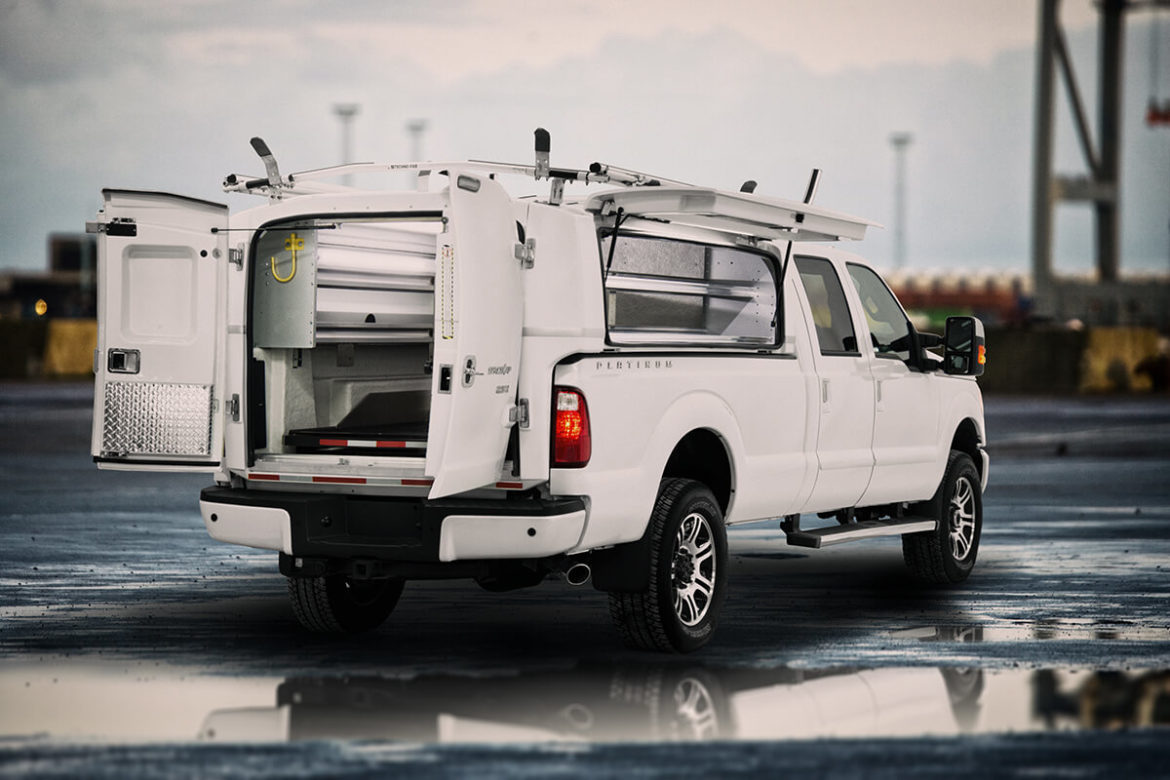
- Incorporate Custom Features: Add shelves, compartments, access doors, and other features tailored to your business operations.

- Impact Resistance: While not as strong as steel in a direct collision, fiberglass is surprisingly resilient. It can absorb impacts and distribute the force, reducing damage and protecting the cargo.
- Thermal Insulation: Fiberglass offers better thermal insulation than metal, which can be beneficial for transporting temperature-sensitive goods.
- Aesthetic Appeal: Fiberglass can be easily painted and molded to create a professional and attractive appearance, enhancing your company's image.
Section 2: Types of Fiberglass Truck Bodies Available
The market offers a variety of fiberglass truck bodies, each designed for specific applications. Here's an overview of the most common types:
- Service Bodies: These are the most common type, designed for tradespeople and service technicians. They feature numerous compartments and storage solutions for tools, equipment, and supplies.
- Utility Bodies: Similar to service bodies, but often larger and more robust, designed for heavier-duty applications like construction and landscaping.
- Refrigerated Bodies: These insulated fiberglass bodies are designed to maintain a consistent temperature for transporting perishable goods like food and pharmaceuticals.
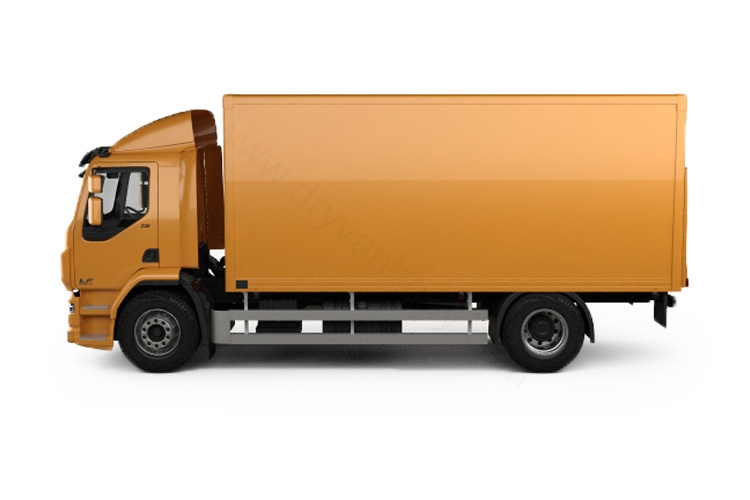
- Dry Freight Bodies: Enclosed bodies designed for transporting non-perishable goods that need protection from the elements.
- Custom Bodies: Many manufacturers offer custom design services, allowing you to create a body that perfectly fits your unique requirements.
Section 3: Important Considerations Before Buying
Purchasing a fiberglass truck body is a significant investment, so careful consideration is crucial. Here are some key factors to keep in mind:
- Application: What type of work will the truck body be used for? This will determine the type of body you need, the required storage capacity, and any special features.
- Truck Chassis: Ensure the fiberglass body is compatible with your truck's chassis. Consider the truck's weight capacity, wheelbase, and mounting points.
- Size and Dimensions: Measure your cargo and determine the optimal size and dimensions of the body. Consider internal dimensions as well as external dimensions for maneuverability.
- Weight Capacity: Verify that the body's weight capacity meets your needs. Overloading the body can lead to damage and safety hazards.
- Construction Quality: Inspect the quality of the fiberglass construction. Look for smooth surfaces, consistent thickness, and strong seams.
- Features and Options: Consider the features you need, such as shelves, compartments, access doors, lighting, and ventilation.
- Warranty: Check the warranty offered by the manufacturer. A good warranty will protect you against defects in materials and workmanship.
- Budget: Determine your budget and compare prices from different manufacturers. Remember that the cheapest option isn't always the best.
- Installation: Factor in the cost of installation. Some manufacturers offer installation services, while others require you to hire a third-party installer.
Section 4: Finding Fiberglass Truck Bodies for Sale
There are several avenues for finding fiberglass truck bodies for sale:
- Direct Manufacturers: Contacting manufacturers directly often provides the best prices and customization options.
- Dealers: Commercial truck dealers often carry fiberglass truck bodies as part of their inventory.
- Online Marketplaces: Websites like eBay, Craigslist, and specialized truck equipment marketplaces can be good sources for used or new bodies.
- Trade Shows: Attending commercial truck trade shows can provide an opportunity to see different bodies in person and speak with manufacturers.
- Local Fabrication Shops: Local fabrication shops may specialize in custom fiberglass work and can build a body to your exact specifications.
Section 5: Tips for a Successful Purchase
- Do Your Research: Before contacting any sellers, thoroughly research your needs and the different options available.
- Get Multiple Quotes: Compare prices from different sellers to ensure you're getting a fair deal.
- Inspect the Body Carefully: If possible, inspect the body in person before making a purchase.
- Ask Questions: Don't hesitate to ask the seller questions about the body's construction, features, and warranty.
- Negotiate: Don't be afraid to negotiate the price. Many sellers are willing to offer discounts.
- Read the Fine Print: Carefully read the sales agreement before signing anything.
Section 6: Potential Challenges and Solutions
While fiberglass truck bodies offer numerous benefits, there are also some potential challenges to be aware of:
- Higher Initial Cost: Fiberglass bodies typically have a higher upfront cost than steel bodies.
- Solution: Consider the long-term cost savings from reduced fuel consumption, lower maintenance, and extended lifespan.
- Repair Complexity: Repairing fiberglass can be more complex than repairing steel, requiring specialized skills and materials.
- Solution: Choose a reputable manufacturer that offers repair services or can recommend qualified repair shops.
- Impact Resistance Limitations: While fiberglass is impact-resistant, it's not as strong as steel in a direct collision.
- Solution: Drive carefully and consider adding additional reinforcement to the body if you anticipate heavy impacts.
- UV Degradation: Prolonged exposure to sunlight can cause fiberglass to fade or become brittle.
- Solution: Apply a UV-resistant coating or park the truck in a shaded area when possible.
Table: Example Price Ranges and Considerations
| Body Type | Estimated Price Range (USD) | Key Considerations |
|---|---|---|
| Service Body | $5,000 - $15,000 | Number of compartments, shelving, material quality, installation costs. |
| Utility Body | $7,000 - $20,000 | Heavy-duty construction, payload capacity, ladder racks, outriggers. |
| Refrigerated Body | $15,000 - $40,000 | Insulation quality, refrigeration unit type, temperature control system, maintenance requirements. |
| Dry Freight Body | $8,000 - $25,000 | Door type (roll-up, swing), interior lining, floor material, ventilation. |
| Custom Body | Varies widely | Complexity of design, materials used, customization features, engineering and fabrication costs. |
Note: Prices are estimates and can vary based on manufacturer, location, and specific features.
Frequently Asked Questions (FAQ)
- Q: How long do fiberglass truck bodies last?
- A: With proper maintenance, a fiberglass truck body can last 15-20 years or even longer.
- Q: Are fiberglass truck bodies easy to repair?
- A: Fiberglass repair requires specialized skills and materials. It's best to hire a qualified repair shop.
- Q: Can I customize a fiberglass truck body?
- A: Yes, fiberglass is easily molded, allowing for a high degree of customization.
- Q: Are fiberglass truck bodies more expensive than steel bodies?
- A: Typically, yes. However, the long-term cost savings can often offset the higher initial cost.
- Q: Where can I find a reliable fiberglass truck body manufacturer?
- A: Research manufacturers online, check industry directories, and ask for recommendations from other fleet managers or truck owners.
Conclusion: Investing in Durability and Efficiency
Fiberglass truck bodies offer a compelling blend of durability, lightweight design, and customization options, making them a valuable investment for businesses of all sizes. By understanding the benefits, types, and considerations outlined in this guide, you can make an informed decision and choose the right fiberglass truck body to meet your specific needs. While the initial cost may be higher than traditional steel bodies, the long-term savings in fuel efficiency, maintenance, and lifespan can significantly improve your bottom line. Remember to do your research, compare prices, and choose a reputable manufacturer to ensure a successful purchase. With the right fiberglass truck body, you can enhance your efficiency, improve your bottom line, and keep your business moving forward.