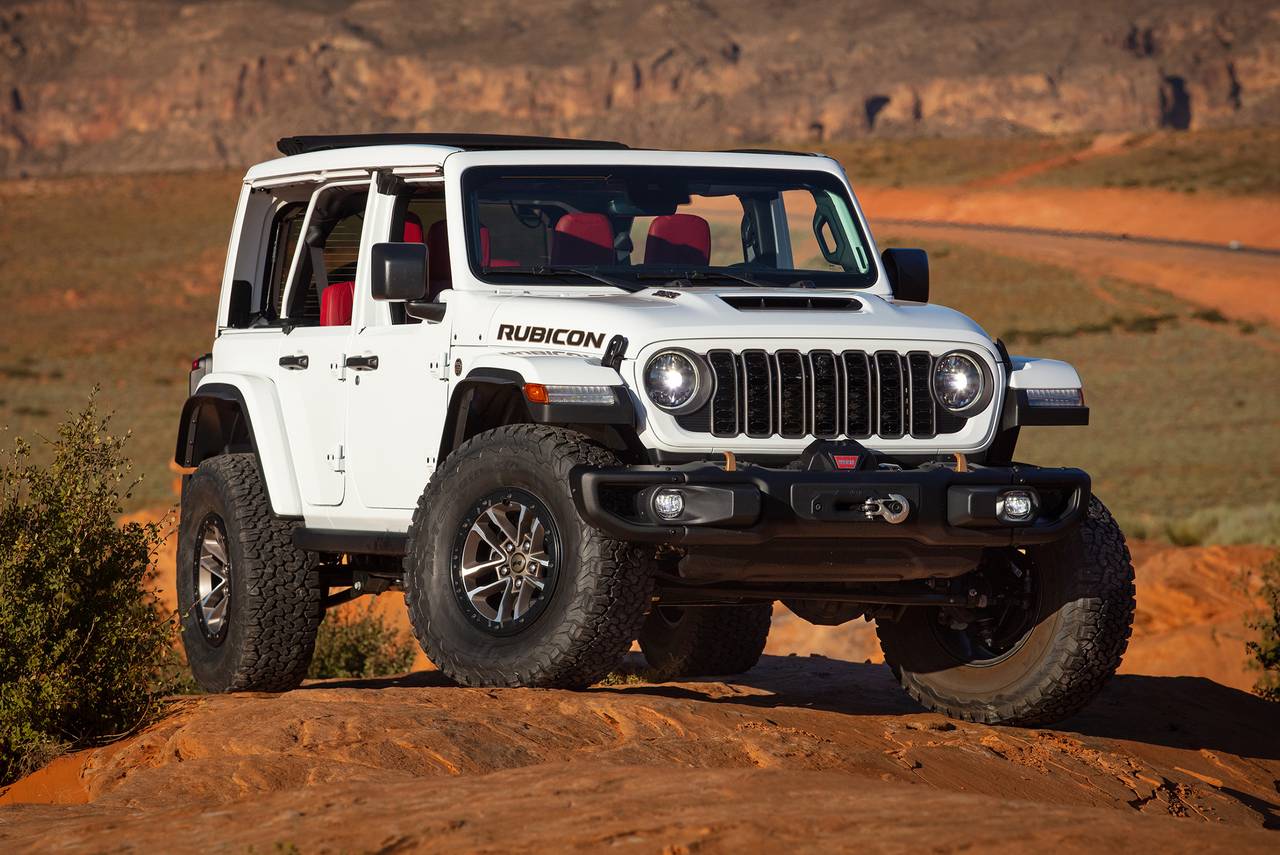
The Jeep Wrangler: a symbol of freedom, adventure, and rugged capability. Its iconic silhouette and off-road prowess have made it a favorite among enthusiasts for decades. But even a vehicle as legendary as the Wrangler can benefit from personalization, and one of the most impactful ways to customize your Jeep is by upgrading its wheels. Aftermarket wheels aren't just about aesthetics; they can drastically improve performance, handling, and overall off-road capabilities. This comprehensive guide will delve into the world of Jeep Wrangler aftermarket wheels, exploring everything you need to know to make an informed decision and elevate your ride to the next level.
Why Upgrade to Aftermarket Wheels? Beyond the Aesthetics
Jeep Wrangler Aftermarket Wheels: A Comprehensive Guide to Elevating Your Ride
While the stock wheels on your Wrangler are perfectly functional, they often lack the aggressive styling and performance enhancements that many Jeep owners crave. Upgrading to aftermarket wheels offers a multitude of benefits, including:
- Enhanced Aesthetics: Transform the look of your Wrangler with a wide variety of styles, finishes, and designs. From classic steel wheels to modern alloy rims, the options are endless.
- Improved Off-Road Performance: Choose wheels with features like beadlocks for extreme off-roading, or wider wheels for increased stability.
- Increased Tire Clearance: Aftermarket wheels often have different offsets and backspacing, allowing you to run larger tires without rubbing.
- Reduced Weight: Certain aftermarket wheels, particularly those made from aluminum alloys, can be lighter than stock wheels, improving fuel efficiency and acceleration.
- Increased Strength and Durability: Some aftermarket wheels are designed to withstand the rigors of off-roading, offering superior strength and resistance to damage.
- Personalization: Express your individual style and make your Wrangler truly unique.

Navigating the Options: Types of Aftermarket Wheels
The world of aftermarket wheels can be overwhelming, but understanding the different types available will help you narrow down your choices.
- Steel Wheels: These are the workhorses of the wheel world. Known for their durability and affordability, steel wheels are a popular choice for off-road enthusiasts who prioritize function over form. They're also easily repairable, making them ideal for tackling challenging terrain.
- Aluminum Alloy Wheels: Offering a balance of strength, weight, and aesthetics, aluminum alloy wheels are a common upgrade. They're lighter than steel wheels, which can improve fuel economy and handling, and come in a wide range of designs and finishes.
- Beadlock Wheels: Designed for extreme off-roading, beadlock wheels feature a locking mechanism that secures the tire bead to the wheel, preventing it from de-beading at low tire pressures. This is crucial for maintaining traction in challenging terrain.
- Simulated Beadlock Wheels: These wheels mimic the appearance of beadlock wheels but lack the actual locking mechanism. They offer a rugged look without the added cost and maintenance of true beadlocks.
- Forged Wheels: The pinnacle of wheel technology, forged wheels are incredibly strong and lightweight. They're manufactured using a forging process that compresses the aluminum, resulting in a denser and more durable wheel. However, they come at a premium price.

Key Considerations Before You Buy: A Checklist
Before you pull the trigger on a new set of wheels, consider these crucial factors:
- Wheel Size (Diameter and Width): Ensure the wheel size is compatible with your Wrangler and the tires you plan to run. Consult your owner's manual or a tire and wheel specialist for recommendations.
- Bolt Pattern: The bolt pattern refers to the number and spacing of the lug holes on the wheel. Your Wrangler has a specific bolt pattern that must match the wheels you choose. (Typically 5x5 for JK/JL models)
- Offset and Backspacing: These measurements determine how far the wheel sits in relation to the hub. Proper offset and backspacing are crucial for avoiding rubbing issues and maintaining proper suspension geometry.
- Load Rating: The load rating indicates the maximum weight each wheel can support. Ensure the wheels you choose have a load rating that meets or exceeds the GVWR (Gross Vehicle Weight Rating) of your Wrangler.
- Finish: Consider the finish of the wheels and how it complements the overall look of your Jeep. Common finishes include black, silver, polished, and painted.
- Budget: Aftermarket wheels can range in price from a few hundred dollars to several thousand dollars per set. Set a budget before you start shopping to avoid overspending.
- Intended Use: Are you primarily driving on the road, or do you plan on tackling challenging off-road trails? Choose wheels that are appropriate for your intended use.
Installation: DIY or Professional?
Installing new wheels is a relatively straightforward process, but it's essential to do it correctly to ensure safety. You'll need basic tools like a lug wrench, jack, and torque wrench.
- DIY Installation: If you're comfortable working on your vehicle, you can install the wheels yourself. Be sure to follow the manufacturer's instructions and torque the lug nuts to the correct specification.
- Professional Installation: If you're unsure about the installation process, it's best to have a professional install the wheels for you. They have the experience and equipment to ensure the job is done correctly.
Tips for Maintaining Your Aftermarket Wheels
Proper maintenance will keep your aftermarket wheels looking their best and ensure they last for years to come.
- Regular Cleaning: Wash your wheels regularly with soap and water to remove dirt, grime, and brake dust.
- Use Wheel Cleaner: For tougher stains, use a wheel cleaner specifically designed for your wheel finish.
- Protect the Finish: Apply a wheel sealant or wax to protect the finish from the elements.
- Inspect Regularly: Check your wheels regularly for damage, such as cracks or dents.
- Torque Lug Nuts: Re-torque your lug nuts after the first 50-100 miles of driving to ensure they're properly tightened.
Potential Challenges and Solutions
- Rubbing Issues: If you install larger tires, you may experience rubbing issues. This can be resolved by installing a lift kit, trimming the fenders, or adjusting the wheel offset.
- TPMS Compatibility: Ensure your aftermarket wheels are compatible with your Wrangler's Tire Pressure Monitoring System (TPMS). You may need to purchase new TPMS sensors or reprogram your existing ones.
- Wheel Balance: After installing new wheels, have them balanced to ensure a smooth ride.
Price Table for Jeep Wrangler Aftermarket Wheels
| Wheel Type | Material | Typical Price Range (per wheel) | Pros | Cons |
|---|---|---|---|---|
| Steel Wheels | Steel | $50 - $150 | Durable, Affordable, Easily Repaired | Heavy, Limited Style Options |
| Alloy Wheels | Aluminum Alloy | $150 - $500 | Lightweight, Wide Variety of Styles, Good Strength | More Expensive than Steel, Can be Damaged More Easily |
| Beadlock Wheels | Steel or Alloy | $300 - $800 | Prevents Tire De-Beading at Low Pressure, Essential for Extreme Off-Roading | Expensive, Requires More Maintenance, Can be Noisy on the Road |
| Simulated Beadlock | Alloy | $200 - $600 | Aggressive Look, Less Expensive than True Beadlocks | Does Not Provide the Functionality of True Beadlocks |
| Forged Wheels | Forged Aluminum | $500 - $1500+ | Extremely Strong, Lightweight, High-End Aesthetics | Very Expensive |
Frequently Asked Questions (FAQ)
-
Q: What is the bolt pattern for my Jeep Wrangler?
- A: Most Jeep Wrangler models (JK/JL) have a 5x5 (5x127mm) bolt pattern. However, it's always best to confirm the bolt pattern for your specific year and model.
-
Q: What size wheels can I fit on my Jeep Wrangler without a lift?
- A: This depends on the year and model of your Wrangler. Generally, you can fit 33-inch tires on a JK/JL Wrangler without a lift, but you may experience some rubbing.
-
Q: What is offset and backspacing?
- A: Offset is the distance from the wheel's mounting surface to its centerline. Backspacing is the distance from the wheel's mounting surface to the inside edge of the wheel. Both affect how the wheel sits in the wheel well and are crucial for avoiding rubbing issues.
-
Q: Do I need to recalibrate my speedometer after installing larger tires?
- A: Yes, installing larger tires will affect your speedometer reading. You'll need to recalibrate your speedometer using a programmer or a visit to a qualified mechanic.
-
Q: Are aftermarket wheels DOT approved?
- A: Most reputable aftermarket wheel manufacturers produce wheels that meet or exceed DOT (Department of Transportation) standards. However, it's always best to check with the manufacturer to ensure their wheels are DOT approved.
Conclusion: Elevate Your Wrangler Experience
Upgrading to aftermarket wheels is one of the most rewarding modifications you can make to your Jeep Wrangler. By carefully considering your needs, budget, and intended use, you can choose wheels that not only enhance the aesthetics of your vehicle but also improve its performance and capabilities. So, take the plunge, explore the vast world of aftermarket wheels, and transform your Wrangler into the ultimate off-road machine. Remember to prioritize safety, research thoroughly, and consult with professionals when needed. Happy Jeeping!