For truckers, mechanics, and DIY enthusiasts alike, the phrase "Junkyard Semi Trucks Near Me" holds a unique allure. It represents a potential goldmine of affordable parts, project vehicles, and even a chance to breathe new life into a discarded workhorse. However, navigating the world of semi-truck junkyards requires knowledge, patience, and a healthy dose of resourcefulness. This guide will equip you with everything you need to know to successfully explore the world of junkyard semi trucks.
Introduction: The Allure of the Semi-Truck Junkyard
Junkyard Semi Trucks Near Me: A Comprehensive Guide to Finding Treasures in Wrecks
The term "Junkyard Semi Trucks Near Me" encompasses a range of establishments, from small, family-owned salvage yards to large, organized auto recycling facilities. Regardless of their size, these yards hold a common treasure: discarded semi-trucks. These trucks, often damaged, outdated, or simply too expensive to repair, become a source of valuable parts and potential projects for those who know where to look.
The appeal of junkyard semi trucks stems from several factors:
- Affordability: Parts and even entire trucks are significantly cheaper than buying new.
- Availability: Junkyards often stock parts for older or less common models that are difficult to find elsewhere.
- Sustainability: Recycling and reusing parts reduces waste and promotes a more sustainable approach to transportation.
- DIY Potential: Junkyards offer opportunities for custom builds, repairs, and restoration projects.
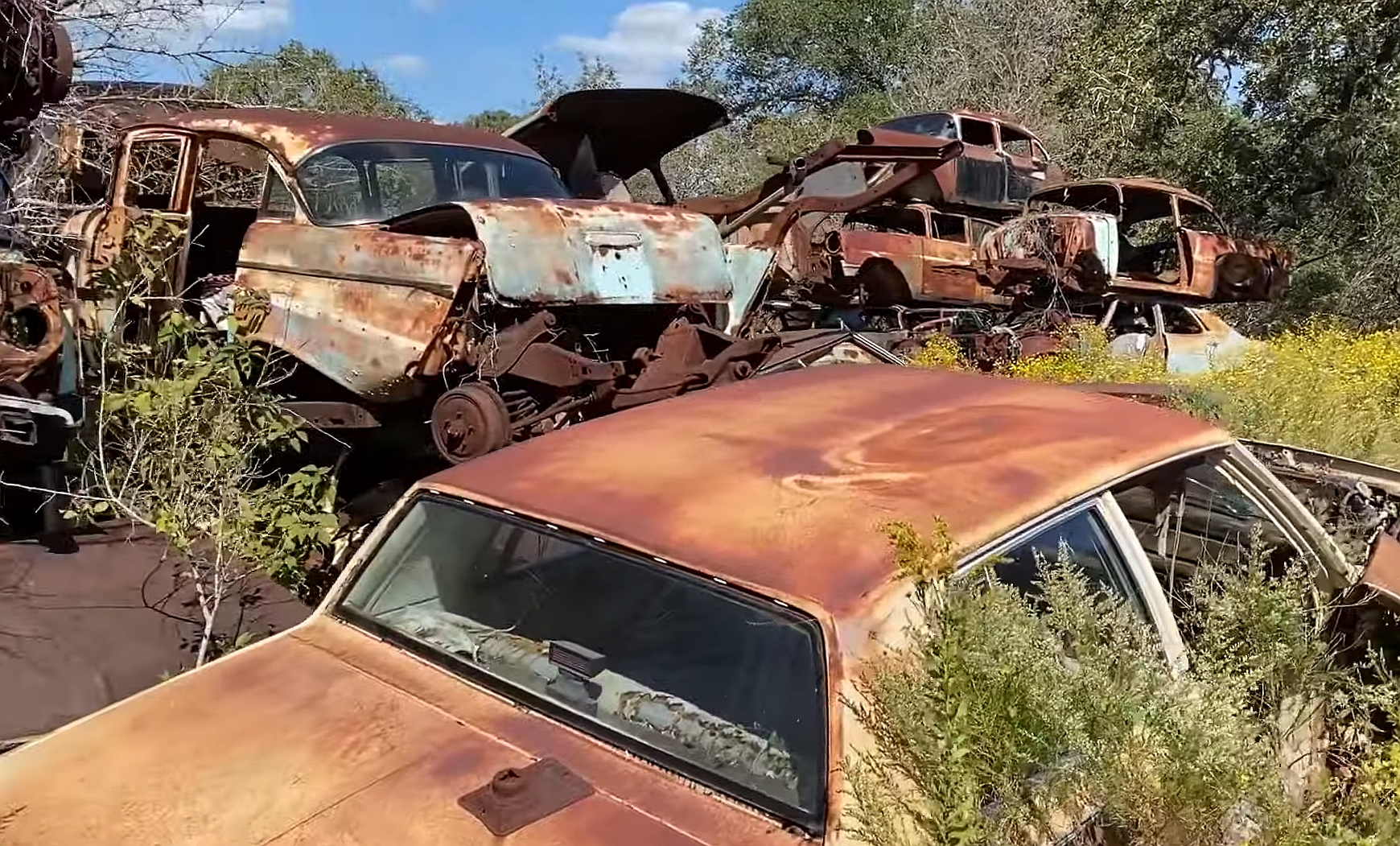
Whether you're a fleet owner looking to save on maintenance costs, a mechanic searching for a hard-to-find component, or a hobbyist dreaming of building a custom rig, understanding the landscape of semi-truck junkyards is crucial.
Section 1: Identifying and Locating Semi-Truck Junkyards
Finding the right junkyard is the first step. Here's how to locate semi-truck junkyards in your vicinity:
- Online Search: Use search engines like Google, Bing, or DuckDuckGo with keywords like "semi-truck junkyards near me," "truck salvage yards," "commercial vehicle recycling," or "big rig parts." Be specific with your location for more accurate results.
- Online Directories: Websites like Yelp, Yellow Pages, and industry-specific directories can list junkyards in your area, often with reviews and contact information.
- Trucking Forums and Online Communities: Connect with other truckers and mechanics in online forums. They can often provide recommendations for reputable junkyards in your region.
- Word-of-Mouth: Ask local mechanics, trucking companies, or repair shops for recommendations. Personal referrals can be invaluable.
- Local Listings: Check local classifieds, newspapers, and community bulletin boards for advertisements from junkyards.
Tips for Evaluating Potential Junkyards:
- Specialization: Does the junkyard specialize in semi-trucks, or is it a general auto salvage yard? Specialization usually means a larger inventory and more knowledgeable staff.
- Inventory: Does the junkyard have a good selection of the specific truck models or parts you're looking for? Call ahead to inquire.
- Organization: Is the junkyard well-organized and easy to navigate? A chaotic yard can make finding what you need difficult.
- Pricing: Compare prices between different junkyards to ensure you're getting a fair deal.
- Reputation: Check online reviews and ask for recommendations to gauge the junkyard's reputation for customer service and quality of parts.
- Policies: Understand the junkyard's policies on returns, warranties, and payment methods.
Section 2: Navigating the Junkyard: A Practical Guide
Once you've located a promising junkyard, it's time to visit and explore. Here are some tips for a successful visit:
- Preparation:
- Research: Know the specific parts or components you're looking for. Having part numbers can be extremely helpful.
- Tools: Bring your own tools, including wrenches, sockets, screwdrivers, pliers, and a hammer. The junkyard usually won't provide them.
- Safety Gear: Wear sturdy work boots, gloves, eye protection, and appropriate clothing. Junkyards can be hazardous environments.
- Transportation: Consider how you'll transport the parts you purchase. Bring a truck, trailer, or arrange for delivery.
- Junkyard Etiquette:
- Check In: Sign in at the office and understand the junkyard's rules and regulations.
- Ask for Assistance: Don't hesitate to ask the staff for help locating specific vehicles or parts.
- Be Respectful: Treat the junkyard staff and other customers with respect.
- Clean Up: Leave the area as you found it. Dispose of any trash or debris properly.
- Inspection:
- Thorough Examination: Carefully inspect the parts you're interested in. Look for cracks, rust, wear, and other signs of damage.
- Testing (If Possible): If possible, test the part before purchasing it. Some junkyards may allow you to start the vehicle or test electrical components.
- Negotiation: Don't be afraid to negotiate the price. Junkyards are often willing to haggle, especially if you're buying multiple items.
- Documentation:
- Receipt: Get a detailed receipt for all purchases.
- Warranty Information: Understand the junkyard's warranty policy.
- Part Numbers: Record the part numbers for future reference.
Section 3: Benefits and Considerations of Using Junkyard Parts
Using junkyard semi-truck parts offers several advantages, but it's essential to be aware of the potential drawbacks.
Benefits:
- Cost Savings: Junkyard parts are significantly cheaper than new parts.
- Availability of Obsolete Parts: Junkyards often stock parts for older or discontinued models.
- Environmental Responsibility: Recycling parts reduces waste and conserves resources.
- Customization Opportunities: Junkyards provide a source of parts for custom builds and modifications.
- Learning Experience: Working with junkyard parts can enhance your mechanical skills.
Considerations:
- Condition: Junkyard parts are used and may have wear and tear.
- Reliability: The reliability of junkyard parts is not guaranteed.
- Warranty: Warranties are typically limited or non-existent.
- Time and Effort: Finding the right parts can take time and effort.
- Safety: Working with used parts requires caution and attention to safety.
Section 4: Types of Parts Commonly Found in Semi-Truck Junkyards
Semi-truck junkyards offer a wide variety of parts, including:
- Engines: Used engines, often requiring rebuilding or repair.
- Transmissions: Manual and automatic transmissions.
- Differentials: Rear differentials and axles.
- Brakes: Brake drums, rotors, calipers, and air brake components.
- Suspension: Leaf springs, air bags, shocks, and suspension components.
- Body Panels: Doors, hoods, fenders, and other body panels.
- Electrical Components: Starters, alternators, batteries, and wiring harnesses.
- Interior Components: Seats, dashboards, and trim.
- Tires and Wheels: Used tires and wheels.
Section 5: Common Challenges and Solutions
Navigating semi-truck junkyards can present several challenges. Here are some common problems and potential solutions:
- Finding Specific Parts:
- Solution: Call ahead to check the junkyard's inventory. Use online search tools to locate parts.
- Determining the Condition of Parts:
- Solution: Thoroughly inspect the parts for damage. Ask the junkyard staff for assistance.
- Negotiating Prices:
- Solution: Research the market value of the parts. Be prepared to walk away if the price is too high.
- Transportation:
- Solution: Bring a truck or trailer. Arrange for delivery.
- Warranty Issues:
- Solution: Understand the junkyard's warranty policy. Ask for a written warranty.
Section 6: Safety Precautions When Working with Junkyard Vehicles
Safety is paramount when working with junkyard vehicles. Here are some essential precautions:
- Wear appropriate safety gear: Work boots, gloves, eye protection, and hearing protection.
- Use proper lifting techniques: Avoid back injuries by lifting heavy objects correctly.
- Be aware of hazardous materials: Handle fluids like oil, fuel, and coolant with care.
- Disconnect the battery: Disconnect the battery before working on electrical components.
- Support the vehicle: Use jack stands to support the vehicle when working underneath.
- Be aware of sharp edges and debris: Watch out for sharp edges, broken glass, and other debris.
Conclusion: Unearthing Value in the Wreckage
The quest to find "Junkyard Semi Trucks Near Me" can be a rewarding experience. It offers a chance to save money, find rare parts, and engage in DIY projects. By understanding the landscape of semi-truck junkyards, following safety precautions, and practicing resourcefulness, you can unlock the hidden value within these discarded giants and potentially breathe new life into a piece of trucking history. Remember to always prioritize safety and thorough inspection when selecting used parts. The rewards, both financial and personal, can be well worth the effort.
Table: Price Guide (Estimates Only, Prices Vary Widely)
| Part | Condition | Estimated Price Range | Notes |
|---|---|---|---|
| Complete Engine | Used, As-Is | $1,000 - $5,000 | Price depends on age, mileage, condition, and brand. May require rebuilding. |
| Transmission | Used, As-Is | $500 - $2,500 | Price depends on type (manual/automatic), condition, and brand. |
| Differential | Used, As-Is | $300 - $1,500 | Price depends on ratio, condition, and brand. |
| Brake Drum/Rotor | Used | $50 - $200 | Price per drum/rotor. Check for wear and cracks. |
| Leaf Spring | Used | $50 - $150 | Price per spring. Check for cracks and damage. |
| Body Panel (Door) | Used | $100 - $500 | Price depends on condition, color, and model. |
| Starter | Used | $50 - $200 | Test before purchase if possible. |
| Alternator | Used | $50 - $200 | Test before purchase if possible. |
| Tire (Used) | Used | $50 - $200 | Check for tread depth, sidewall damage, and age. |
| Complete Semi Truck | Used, As-Is | $2,000 - $15,000+ | Price depends on condition, year, make, model, and extent of damage. Often bought for parts salvage or major restoration projects. |
Frequently Asked Questions (FAQ)
-
Q: Are junkyard parts reliable?
- A: Reliability varies. Thorough inspection is crucial. Look for parts in good condition and understand the junkyard's warranty policy.
-
Q: Do junkyards offer warranties on semi-truck parts?
- A: Some junkyards offer limited warranties, while others sell parts "as-is." Always inquire about warranty terms before purchasing.
-
Q: Can I return a part if it doesn't fit or work?
- A: Return policies vary. Check the junkyard's return policy before purchasing.
-
Q: Is it safe to work in a junkyard?
- A: Junkyards can be hazardous environments. Wear appropriate safety gear, use caution, and follow the junkyard's rules and regulations.
-
Q: How can I find specific parts in a junkyard?
- A: Know the part number, ask the junkyard staff for assistance, and search online databases or forums.
-
Q: Can I negotiate the price of junkyard parts?
- A: Yes, junkyards are often willing to negotiate, especially if you're buying multiple items or paying in cash.
-
Q: What should I bring when visiting a semi-truck junkyard?
- A: Tools, safety gear (work boots, gloves, eye protection), and a method for transporting the parts you purchase.
-
Q: Are there any environmental concerns associated with junkyards?
- A: Junkyards can pose environmental risks if not managed properly. Look for junkyards that follow environmentally sound practices for handling fluids and hazardous materials.
-
Q: Can I buy an entire semi-truck from a junkyard?
- A: Yes, junkyards often sell entire trucks, typically for parts salvage or major restoration projects.