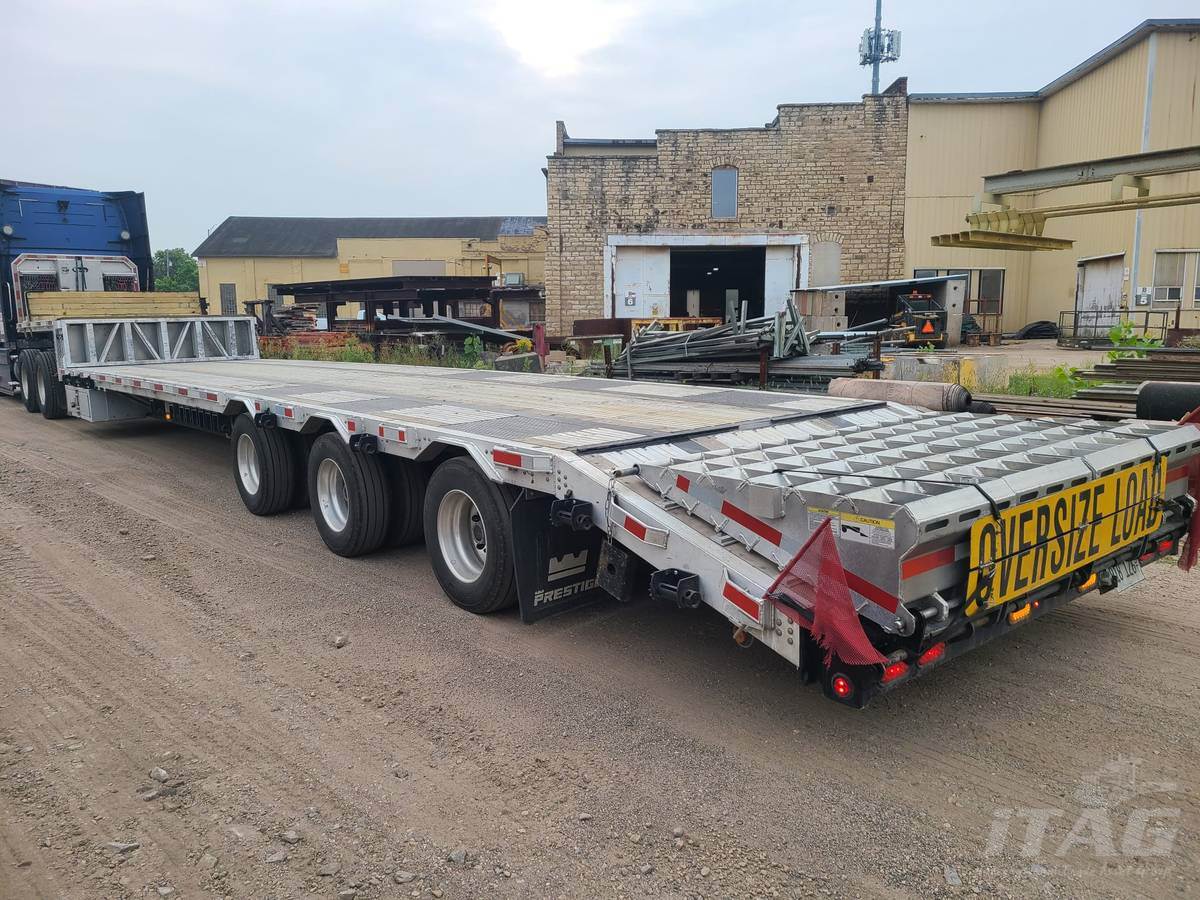
Loading and unloading cargo from step deck trailers can present unique challenges. The lower deck height, while advantageous for transporting taller loads, often creates an uneven transition between the trailer bed and the loading dock or ground. This is where load levelers for step decks come into play. They are essential pieces of equipment designed to bridge this gap, ensuring safe and efficient material handling. In essence, load levelers act as adjustable ramps or platforms, compensating for height differences and providing a smooth, level surface for forklifts, pallet jacks, and other equipment. This guide will delve into the specifics of load levelers for step decks, covering their benefits, types, usage, considerations, and more.
I. Introduction: Bridging the Gap – The Importance of Load Levelers
Load Levelers For Step Deck Trailers: A Comprehensive Guide
Imagine trying to navigate a forklift carrying a heavy load across a significant height difference. The risk of tipping, damaging the cargo, or even injuring personnel is dramatically increased. Load levelers eliminate this risk by creating a seamless transition between the step deck trailer and the loading area. They are not merely accessories; they are critical safety components that improve operational efficiency, reduce the risk of accidents, and protect valuable cargo. Without load levelers, companies often resort to makeshift solutions like wooden ramps or stacking pallets, which are inherently unstable and unsafe. Investing in proper load levelers is an investment in safety, productivity, and long-term cost savings.
II. The Benefits of Using Load Levelers with Step Decks
The advantages of utilizing load levelers with step deck trailers are numerous and far-reaching:
- Enhanced Safety: This is the most crucial benefit. Load levelers provide a stable and level surface, minimizing the risk of forklifts tipping over, loads shifting, and personnel injuries. A level surface ensures safer and more predictable movement of materials.
- Increased Efficiency: By eliminating the struggle of navigating uneven surfaces, load levelers significantly speed up the loading and unloading process. This translates to faster turnaround times, increased productivity, and reduced labor costs.
- Reduced Equipment Wear and Tear: The constant jarring and stress of operating forklifts on uneven surfaces can lead to premature wear and tear on the equipment. Load levelers minimize this stress, extending the lifespan of your forklifts and other material handling equipment.
- Cargo Protection: A smooth transition prevents cargo from shifting, bumping, or being damaged during loading and unloading. This is especially important for fragile or sensitive goods.
- Versatility: Many load levelers are adjustable and can accommodate various height differences between the trailer bed and the loading dock or ground. This makes them suitable for a wide range of loading scenarios.
- Improved Ergonomics: Load levelers reduce the physical strain on workers, making their jobs easier and less tiring. This can lead to increased morale and reduced absenteeism.
- Compliance with Safety Regulations: Using appropriate load levelers helps ensure compliance with Occupational Safety and Health Administration (OSHA) regulations and other safety standards.

III. Types of Load Levelers for Step Deck Trailers

While the core function remains the same, load levelers come in various designs to suit different needs and applications. Here are some common types:
- Steel Plate Load Levelers: These are typically made of heavy-duty steel and are designed to handle substantial weight. They are durable and reliable, making them a popular choice for demanding environments. Steel plate load levelers are generally a cost-effective solution for basic leveling needs.
- Aluminum Plate Load Levelers: Similar to steel plates, but made from aluminum, offering a lighter weight option while still providing adequate strength for many applications. Aluminum load levelers are corrosion-resistant, making them suitable for outdoor use.
- Adjustable Dock Boards: These boards feature adjustable legs or supports that allow you to fine-tune the height to match the trailer bed. They provide a more precise leveling solution and are often preferred for situations where the height difference varies frequently.
- Vehicle Restraint Systems with Leveling Capabilities: Some advanced vehicle restraint systems incorporate leveling features, providing both secure trailer docking and a level loading surface. These systems offer the highest level of safety and efficiency but also come at a higher cost.
- Custom-Built Load Levelers: For unique loading scenarios or specific trailer configurations, custom-built load levelers can be designed and manufactured to meet your exact requirements.
IV. How to Choose the Right Load Leveler
Selecting the appropriate load leveler for your step deck trailer requires careful consideration of several factors:
- Weight Capacity: Determine the maximum weight you will be loading onto the leveler. Choose a leveler with a weight capacity that exceeds your needs by a safe margin.
- Height Difference: Measure the maximum height difference between the trailer bed and the loading dock or ground. Ensure the leveler can accommodate this difference.
- Trailer Configuration: Consider the specific dimensions and features of your step deck trailer, such as the width of the lower deck and the presence of any obstructions.
- Loading Environment: Take into account the conditions of your loading environment, such as weather conditions, available space, and the type of flooring.
- Frequency of Use: If you will be using the load leveler frequently, invest in a more durable and robust model.
- Budget: Load levelers range in price from basic steel plates to sophisticated vehicle restraint systems. Set a budget and choose a leveler that meets your needs without exceeding your financial constraints.
- Safety Features: Look for levelers with safety features such as non-slip surfaces, side guards, and secure locking mechanisms.
- Compliance: Ensure the load leveler meets all relevant safety standards and regulations.
- Ease of Use: Select a load leveler that is easy to set up, adjust, and store.
- Maintenance: Consider the maintenance requirements of the load leveler and choose a model that is easy to maintain and repair.
V. Using Load Levelers Safely: A Step-by-Step Guide
Proper usage is crucial for maximizing the benefits and minimizing the risks associated with load levelers. Here's a step-by-step guide:
- Inspect the Leveler: Before each use, inspect the load leveler for any signs of damage, wear, or malfunction. Do not use a damaged leveler.
- Position the Trailer: Carefully position the step deck trailer so that the lower deck is aligned with the loading dock or ground.
- Secure the Trailer: Engage the trailer brakes and, if applicable, use wheel chocks to prevent the trailer from moving.
- Position the Load Leveler: Carefully position the load leveler between the trailer bed and the loading dock or ground. Ensure it is properly seated and stable.
- Adjust the Height: If using an adjustable dock board, adjust the height to match the trailer bed.
- Test the Leveler: Before loading, test the leveler by walking or driving a forklift across it to ensure it is stable and can support the weight.
- Load/Unload Carefully: Load and unload the trailer carefully, avoiding sudden movements or excessive weight shifts.
- Monitor the Leveler: Continuously monitor the load leveler during loading and unloading to ensure it remains stable and properly positioned.
- Store Properly: When not in use, store the load leveler in a safe and secure location.
VI. Common Challenges and Solutions
While load levelers offer significant benefits, users may encounter certain challenges:
- Challenge: Load leveler is too short to bridge the gap.
- Solution: Use a longer load leveler or consider using a combination of levelers.
- Challenge: Load leveler is unstable.
- Solution: Ensure the leveler is properly seated and supported. Consider using additional supports or shims to stabilize it.
- Challenge: Load leveler is damaged.
- Solution: Replace the damaged leveler immediately. Do not attempt to repair it yourself.
- Challenge: Forklift tires are slipping on the leveler surface.
- Solution: Use a load leveler with a non-slip surface or apply a non-slip coating to the existing surface.
- Challenge: The weight exceeds the load leveler capacity.
- Solution: Use a load leveler with a higher weight capacity or reduce the weight of the load.
VII. Maintenance and Care
Regular maintenance is essential for ensuring the longevity and safety of your load levelers. This includes:
- Regular Inspections: Conduct regular visual inspections for any signs of damage, wear, or corrosion.
- Cleaning: Keep the load leveler clean and free of debris.
- Lubrication: Lubricate moving parts as needed to ensure smooth operation.
- Repairing Damage: Repair any damage promptly.
- Following Manufacturer's Instructions: Always follow the manufacturer's instructions for maintenance and care.
VIII. Price Table for Load Levelers
| Type of Load Leveler | Material | Weight Capacity (lbs) | Dimensions (Approximate) | Price Range (USD) | Features |
|---|---|---|---|---|---|
| Steel Plate Load Leveler | Steel | 10,000 - 20,000 | 36" x 48" - 48" x 72" | $300 - $800 | Durable, cost-effective |
| Aluminum Plate Load Leveler | Aluminum | 5,000 - 15,000 | 36" x 48" - 48" x 72" | $500 - $1,200 | Lightweight, corrosion-resistant |
| Adjustable Dock Board | Steel or Aluminum | 8,000 - 25,000 | 48" x 48" - 72" x 72" | $1,000 - $3,000 | Adjustable height, more precise leveling |
| Vehicle Restraint System with Leveling | Steel | 30,000+ | Varies depending on system | $5,000 - $15,000+ | Secure docking, integrated leveling, advanced safety features |
| Custom-Built Load Leveler | Varies | Varies | Varies | Varies (depends on complexity) | Tailored to specific needs |
Note: Prices are approximate and can vary depending on the manufacturer, supplier, and specific features.
IX. Frequently Asked Questions (FAQ)
-
Q: Are load levelers required for step deck trailers?
- A: While not always legally mandated, using load levelers is highly recommended for safety and efficiency. They are often necessary to comply with OSHA guidelines regarding safe loading and unloading practices.
-
Q: Can I use a regular dock plate for a step deck?
- A: A regular dock plate might work for minor height differences, but it's generally not recommended. Step decks often require more significant leveling, and using an inappropriate dock plate can be unsafe.
-
Q: How do I determine the correct weight capacity for my load leveler?
- A: Calculate the maximum weight you will be loading onto the leveler, including the weight of the forklift, the load, and any personnel. Choose a leveler with a weight capacity that exceeds this total weight by a safe margin (at least 25%).
-
Q: Where can I purchase load levelers for step decks?
- A: Load levelers can be purchased from material handling equipment suppliers, dock equipment distributors, and online retailers.
-
Q: What are the safety regulations related to load levelers?
- A: OSHA has specific regulations regarding dock safety, including the use of dock plates and load levelers. Consult OSHA standards 1910.176(f) and 1910.30(a) for detailed information.
X. Conclusion: Level Up Your Loading Operations
Load levelers are indispensable tools for optimizing the safety and efficiency of loading and unloading operations with step deck trailers. By understanding the different types, choosing the right leveler for your needs, and following safe operating procedures, you can significantly reduce the risk of accidents, improve productivity, and protect your valuable cargo. Investing in high-quality load levelers and prioritizing safety will ultimately lead to a more efficient and profitable operation. Don't underestimate the importance of bridging the gap; level up your loading operations with the right load leveler for your step deck trailer.