Moving heavy loads across challenging terrain is a universal problem, whether you're landscaping a garden, clearing a construction site, or maintaining a farm. Enter the Muck Truck, a powerful and versatile piece of machinery designed to conquer these challenges. Far more than just a powered wheelbarrow, the muck truck is a vital tool for anyone needing to transport materials efficiently and effectively across uneven or difficult surfaces. This comprehensive guide will delve into everything you need to know about muck trucks, from their benefits and various types to practical considerations and potential challenges.
What is a Muck Truck and Why is it Important?
Muck Trucks: Your Comprehensive Guide to Powering Through Tough Terrain
A muck truck is a motorized, wheeled vehicle specifically designed for transporting heavy loads of materials like soil, gravel, concrete, debris, and more across rough or uneven terrain. Think of it as a heavy-duty, powered wheelbarrow on steroids. Its robust construction, powerful engine, and specialized tires allow it to navigate slopes, mud, and obstacles that would render a traditional wheelbarrow useless.
The importance of muck trucks stems from their ability to significantly improve efficiency and reduce manual labor. Imagine trying to move tons of soil by hand across a muddy construction site. Not only would it be incredibly time-consuming and physically demanding, but it would also increase the risk of injury. Muck trucks alleviate these issues by:
- Increasing Productivity: Moving more material in less time translates directly to faster project completion and increased profitability.
- Reducing Physical Strain: Less manual lifting and carrying means less fatigue and a lower risk of back injuries, strained muscles, and other common workplace ailments.
- Improving Site Safety: By minimizing the need for manual handling of heavy loads, muck trucks contribute to a safer working environment.
- Accessing Difficult Areas: Their powerful engines and specialized tires allow them to navigate slopes, mud, and confined spaces that are inaccessible to larger machinery.
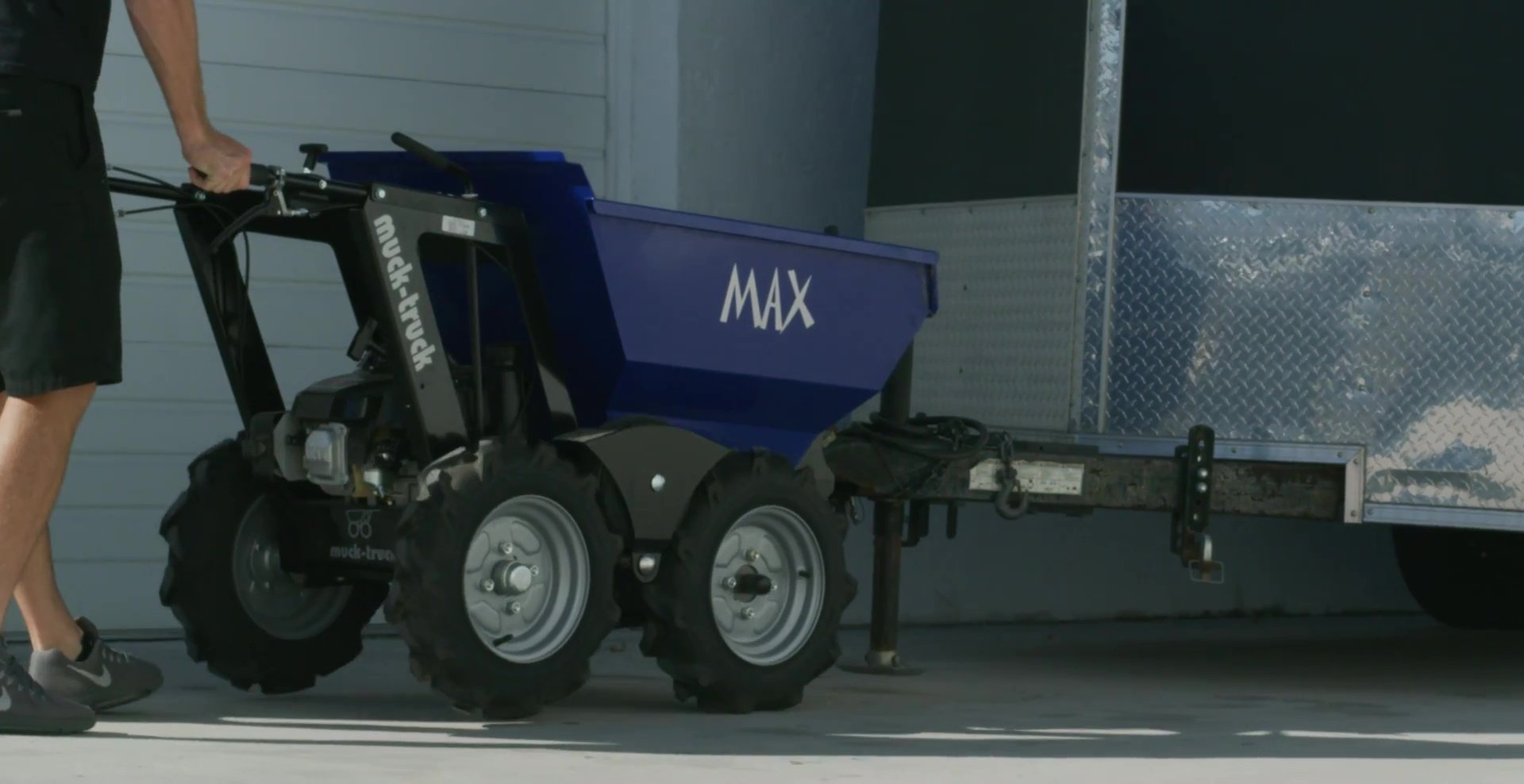
Key Benefits of Using a Muck Truck
The advantages of incorporating a muck truck into your operations are numerous:
- Enhanced Efficiency: Move significantly larger loads than a traditional wheelbarrow in a single trip.
- Reduced Labor Costs: Less manpower required for material transportation translates to lower labor expenses.
- Increased Site Accessibility: Navigate challenging terrains and confined spaces with ease.
- Improved Operator Safety: Minimizes manual lifting and carrying, reducing the risk of injuries.
- Versatility: Capable of handling a wide range of materials, from soil and gravel to concrete and debris.
- Time Savings: Completes tasks much faster compared to manual methods.
- Increased Profitability: Faster project completion, reduced labor costs, and improved efficiency contribute to higher overall profits.
- Environmental Friendliness (for electric models): Zero emissions from electric muck trucks contribute to a cleaner and healthier work environment.
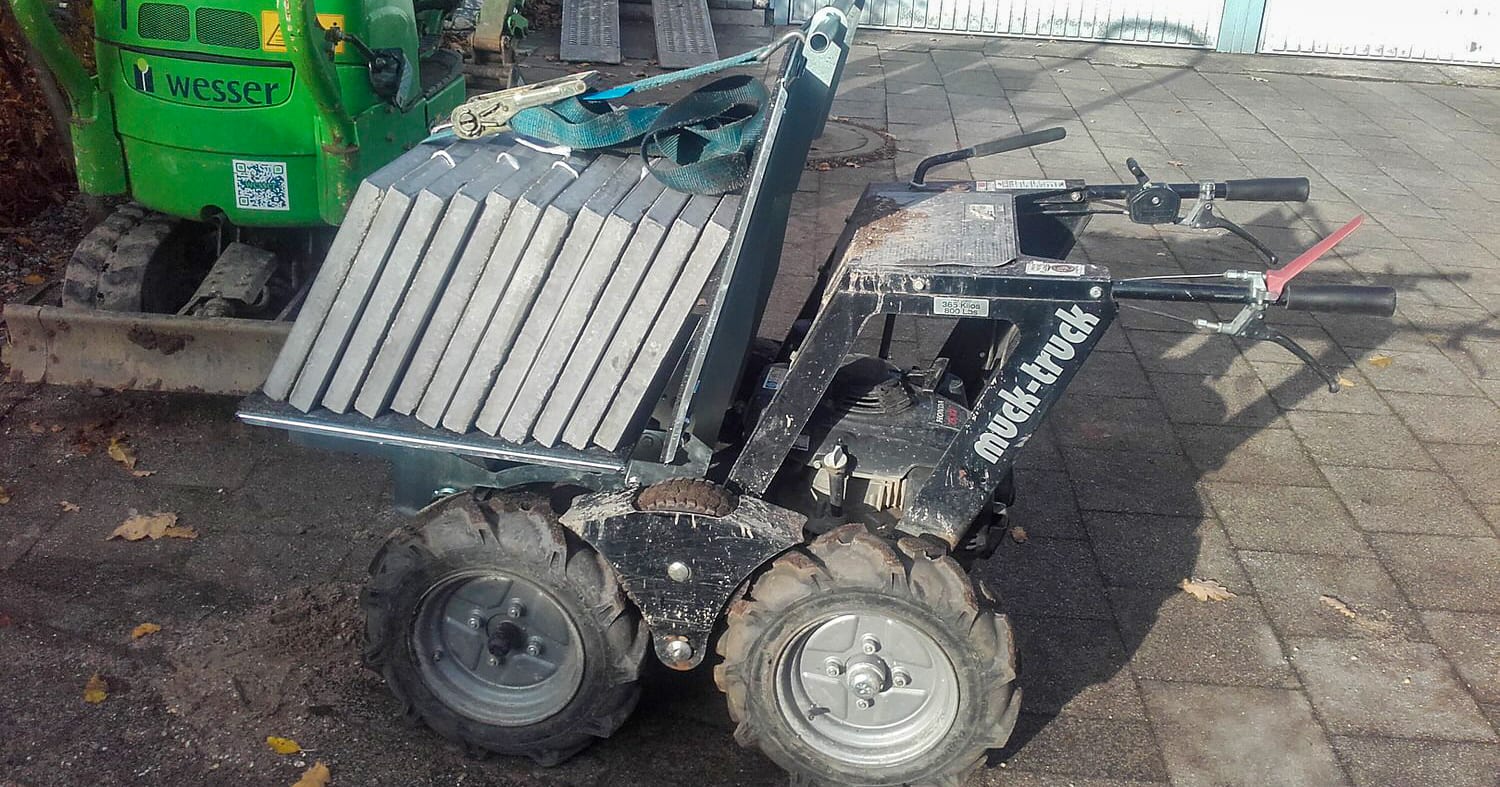

Types of Muck Trucks: Choosing the Right Machine for the Job
Muck trucks come in various configurations, each suited for specific applications. Here's a breakdown of the most common types:
-
Petrol/Gasoline-Powered Muck Trucks: These are the most common type, offering robust power and reliability. They are ideal for heavy-duty tasks and larger sites.
- Pros: Powerful, readily available fuel, long run times.
- Cons: Higher emissions, louder operation, requires regular maintenance (oil changes, spark plug replacement).
-
Electric Muck Trucks: Gaining popularity due to their environmental friendliness and quiet operation, electric muck trucks are perfect for indoor or noise-sensitive environments.
- Pros: Zero emissions, quiet operation, lower running costs.
- Cons: Limited run time (dependent on battery life), longer recharge times, potentially lower power compared to petrol models.
-
Tracked Muck Trucks: These feature tracks instead of wheels, providing superior traction and stability on extremely muddy or uneven terrain. They are often used in landscaping, construction, and agricultural applications.
- Pros: Excellent traction, stability on soft ground, minimal ground disturbance.
- Cons: Slower speed, higher initial cost, more complex maintenance.
-
Wheeled Muck Trucks: The most common type, offering a good balance of maneuverability, power, and affordability. They are suitable for a wide range of tasks.
- Pros: Versatile, good maneuverability, relatively affordable.
- Cons: Less traction than tracked models on extremely soft ground.
How to Operate a Muck Truck Safely and Effectively: A Step-by-Step Guide
Operating a muck truck is relatively straightforward, but safety should always be the top priority. Here's a step-by-step guide:
- Read the Manual: Familiarize yourself with the specific operating instructions for your muck truck model.
- Wear Appropriate Safety Gear: Always wear safety glasses, gloves, and sturdy footwear. Consider hearing protection if using a petrol-powered model.
- Inspect the Muck Truck: Before each use, check the tires (or tracks), fluid levels (oil, fuel), brakes, and controls. Report any issues immediately.
- Start the Engine (or Turn on the Power): Follow the manufacturer's instructions for starting the engine or activating the electric motor.
- Engage the Drive: Most muck trucks have a simple forward/reverse lever or throttle control.
- Load the Material: Load the muck truck evenly to maintain balance and prevent tipping. Do not exceed the maximum load capacity.
- Transport the Material: Drive slowly and cautiously, especially on slopes or uneven terrain. Be aware of your surroundings and avoid obstacles.
- Unload the Material: Engage the tipping mechanism (usually a lever or button) to unload the material.
- Clean the Muck Truck: After each use, clean the muck truck to remove any debris or build-up.
- Perform Regular Maintenance: Follow the manufacturer's recommendations for routine maintenance, such as oil changes, filter replacements, and lubrication.
Important Considerations When Choosing a Muck Truck
Selecting the right muck truck for your needs requires careful consideration of several factors:
- Load Capacity: Determine the maximum weight of the materials you will be transporting.
- Terrain: Consider the type of terrain you will be operating on (e.g., mud, slopes, uneven ground).
- Power Source: Choose between petrol/gasoline or electric power based on your needs and preferences.
- Maneuverability: Consider the turning radius and overall size of the muck truck, especially if you will be operating in confined spaces.
- Durability: Look for a robustly built muck truck with high-quality components.
- Ease of Use: Choose a model that is easy to operate and maintain.
- Budget: Muck trucks range in price, so set a budget before you start shopping.
- Safety Features: Look for models with safety features such as brakes, lights, and warning signals.
- Warranty and Support: Ensure the manufacturer offers a good warranty and reliable customer support.
Potential Challenges and Solutions
While muck trucks are incredibly useful, they can present some challenges:
- Maintenance: Regular maintenance is essential to keep your muck truck running smoothly. Solution: Follow the manufacturer's maintenance schedule and perform routine checks.
- Tipping: Overloading or operating on steep slopes can cause the muck truck to tip. Solution: Always adhere to the maximum load capacity and operate with caution on slopes.
- Traction: On extremely muddy or slippery terrain, the wheels may lose traction. Solution: Consider a tracked muck truck for these conditions or use tire chains.
- Noise (for petrol models): Petrol-powered muck trucks can be noisy, which may be a concern in noise-sensitive environments. Solution: Opt for an electric muck truck or use hearing protection.
- Battery Life (for electric models): Electric muck trucks have limited battery life. Solution: Choose a model with sufficient battery capacity for your needs and have spare batteries on hand.
Price Table: Muck Trucks
| Feature | Petrol Muck Truck (Small) | Petrol Muck Truck (Large) | Electric Muck Truck (Small) | Electric Muck Truck (Large) | Tracked Muck Truck |
|---|---|---|---|---|---|
| Typical Price | $2,000 - $4,000 | $4,000 - $7,000 | $3,000 - $5,000 | $5,000 - $8,000 | $5,000 - $10,000 |
| Load Capacity | 500 - 750 lbs | 750 - 1200 lbs | 500 - 750 lbs | 750 - 1200 lbs | 750 - 1500 lbs |
| Power Source | Petrol Engine | Petrol Engine | Electric Battery | Electric Battery | Petrol or Diesel Engine |
| Run Time/Range | N/A (Fuel Dependent) | N/A (Fuel Dependent) | 4-8 Hours | 6-10 Hours | N/A (Fuel Dependent) |
| Best Use | Small-Medium Sites | Medium-Large Sites | Indoor/Noise Sensitive Sites | Medium-Large Sites, Eco-Friendly | Rough/Uneven Terrain |
| Maintenance Cost | Medium | Medium | Low | Low | High |
Frequently Asked Questions (FAQ)
-
Q: What is the maximum load capacity of a muck truck?
- A: The maximum load capacity varies depending on the model, but typically ranges from 500 to 1500 lbs.
-
Q: Can I use a muck truck indoors?
- A: Yes, electric muck trucks are ideal for indoor use due to their zero emissions and quiet operation.
-
Q: How often should I service my muck truck?
- A: Follow the manufacturer's recommendations for routine maintenance, typically every 50-100 hours of operation.
-
Q: Are muck trucks difficult to operate?
- A: No, muck trucks are relatively easy to operate, but it's essential to read the manual and follow safety guidelines.
-
Q: Where can I buy a muck truck?
- A: Muck trucks can be purchased from equipment dealers, construction supply stores, and online retailers.
Conclusion
Muck trucks are invaluable tools for anyone needing to move heavy materials across challenging terrain. By increasing efficiency, reducing labor costs, and improving site safety, they offer a significant return on investment. Choosing the right muck truck for your specific needs and operating it safely and effectively will ensure that you can power through tough terrain and complete your projects with ease. As technology advances, expect to see even more innovative and efficient muck truck designs emerge, further solidifying their place as essential equipment on construction sites, farms, and landscaping projects around the world.