The 26ft box truck is a workhorse of the transportation industry, a ubiquitous sight on highways and city streets. Its versatility makes it ideal for everything from residential moves to commercial deliveries. However, understanding the height of a 26ft box truck is crucial for safe operation, route planning, and legal compliance. This article provides a comprehensive guide to 26ft box truck height, covering everything you need to know, from average measurements to potential challenges and solutions.
Introduction: Why 26ft Box Truck Height Matters
Navigating the Heights: A Comprehensive Guide to 26ft Box Truck Height
The height of a 26ft box truck isn't just an arbitrary number. It's a critical dimension that impacts various aspects of its operation:
- Route Planning: Knowing the height prevents collisions with low-hanging bridges, overpasses, power lines, and building awnings. Ignoring this aspect can lead to disastrous and costly consequences.
- Legal Compliance: Maximum height regulations exist on highways and in certain jurisdictions. Exceeding these limits can result in hefty fines and potential impoundment of the vehicle.
- Safe Operation: Understanding the truck's height is essential for maneuvering in tight spaces, loading docks, and parking areas. Misjudging the height can lead to accidents and damage to the truck or surrounding structures.
- Loading and Unloading: The internal height of the cargo area dictates the type and size of items that can be transported. Knowing this dimension helps in efficient cargo planning.
- Rental Agreements and Insurance: Accurate height information is often required for rental agreements and insurance policies. Providing incorrect information can lead to complications and invalidate coverage.

Therefore, knowing the precise height of a 26ft box truck is paramount for safe, legal, and efficient operation.
Section 1: Understanding the Standard Height of a 26ft Box Truck
While there isn't a single, universally standardized height for all 26ft box trucks, there's a common range. Typically, the exterior height of a 26ft box truck ranges from 12 to 13.5 feet (144 to 162 inches).
This range can vary slightly depending on the manufacturer, specific model, and any modifications or additions, such as rooftop air conditioning units or satellite antennas. It's always crucial to consult the specific vehicle's documentation or measure it yourself to obtain the most accurate height measurement.
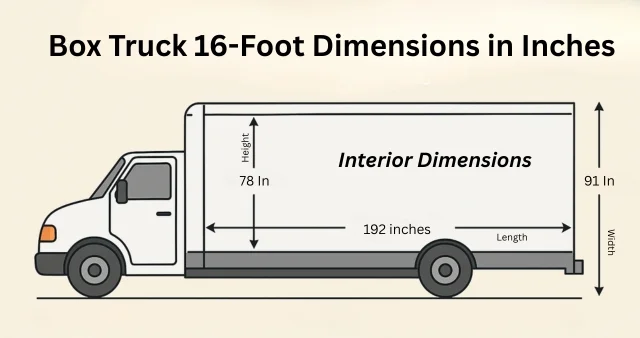
The interior height is equally important, as it determines the vertical space available for cargo. Expect the interior height to be around 8 to 8.5 feet (96 to 102 inches). This space is essential for stacking boxes, transporting furniture, and accommodating taller items.
Section 2: Factors Influencing Box Truck Height
Several factors can influence the actual height of a 26ft box truck:
- Manufacturer and Model: Different manufacturers may have slightly varying designs that impact the overall height. Researching specific models will provide more precise dimensions.
- Suspension System: The type of suspension system (e.g., leaf spring, air ride) can affect the ride height and, consequently, the overall height of the truck.
- Tire Size and Inflation: Larger tires or over-inflated tires can slightly increase the truck's height. Conversely, under-inflated tires can decrease it.
- Load Weight: A heavily loaded truck will compress the suspension, slightly reducing its height. This is a critical consideration when approaching height restrictions.
- Add-ons and Modifications: Rooftop air conditioners, satellite dishes, and other aftermarket additions will increase the overall height. Always factor these additions into your calculations.
- Road Surface: Uneven road surfaces can temporarily affect the truck's height. Be extra cautious when navigating roads with potholes or bumps.
Section 3: Measuring the Height of a 26ft Box Truck Accurately
While manufacturers usually provide height specifications, it's always best to verify the measurement yourself, especially if the truck has been modified or has a questionable history. Here's how to measure accurately:
- Park on a Level Surface: Ensure the truck is parked on a completely flat and level surface. This is crucial for an accurate measurement.
- Use a Long Measuring Tape or Laser Distance Measurer: A long steel measuring tape or a laser distance measurer is necessary for reaching the top of the truck.
- Measure from the Ground to the Highest Point: Measure from the ground to the highest point on the truck, including any antennas, air conditioning units, or other protrusions.
- Measure at Multiple Points: Take measurements at multiple points along the length and width of the truck to ensure consistency.
- Document the Measurement: Record the measurement clearly and accurately. Consider taking a photograph of the measurement for future reference.
- Consider Load Weight: If you plan to operate the truck with a consistent load, measure the height both when empty and when fully loaded to understand how the weight affects the height.
Section 4: Navigating Height Restrictions: Planning Your Route
Successfully navigating height restrictions requires careful route planning. Here are some tips:
- Consult Trucking Route Maps: Utilize trucking route maps specifically designed for commercial vehicles. These maps often highlight low clearances and restricted areas.
- Use GPS Navigation Systems for Trucks: Invest in a GPS navigation system designed for trucks. These systems allow you to input your truck's dimensions (including height) and will route you around potential hazards.
- Pay Attention to Road Signs: Be vigilant and pay close attention to road signs indicating height restrictions. These signs are placed for a reason and should be strictly followed.
- Scout the Route: If possible, scout the route beforehand to identify any potential height hazards.
- When in Doubt, Go Around: If you're unsure about a clearance, it's always better to take a longer route that avoids the potential hazard.
- Communicate with Dispatch: Maintain clear communication with dispatch and inform them of any potential height restrictions encountered along the route.
Section 5: Legal Considerations and Regulations
Understanding legal height restrictions is crucial for avoiding fines and ensuring compliance.
- Federal Regulations: The federal government sets maximum height regulations for interstate highways. These regulations can vary by state.
- State and Local Regulations: State and local governments may have their own height restrictions that differ from federal regulations. It's essential to research the regulations for each jurisdiction you'll be operating in.
- Permits: In some cases, it may be possible to obtain permits for transporting loads that exceed the standard height restrictions. However, these permits often require specific routes and escort vehicles.
- Consequences of Violations: Violating height restrictions can result in significant fines, impoundment of the vehicle, and even damage to infrastructure.
Section 6: Potential Challenges and Solutions
Operating a 26ft box truck comes with challenges related to its height. Here are some common issues and potential solutions:
- Low-Hanging Bridges and Overpasses: Solution: Use trucking route maps and GPS navigation systems to avoid low-clearance areas. Scout the route beforehand if possible.
- Tight Parking Spaces: Solution: Practice maneuvering in tight spaces. Use spotters to guide you when backing up. Avoid parking in areas with low-hanging structures.
- Loading Docks with Low Clearances: Solution: Communicate with the loading dock personnel beforehand to confirm the clearance height. Use ramps or lifts to compensate for height differences.
- Damage to Rooftop Accessories: Solution: Be mindful of the height of any rooftop accessories when navigating low-clearance areas. Consider removing or lowering antennas when not in use.
Section 7: Tips for Safe Operation and Maintenance
- Regularly Inspect Tires: Ensure tires are properly inflated to maintain the correct height and handling.
- Check Suspension Components: Inspect suspension components regularly for wear and tear. Worn suspension can affect the truck's height and stability.
- Keep Accurate Records: Maintain accurate records of the truck's height, weight, and any modifications.
- Train Drivers Thoroughly: Provide drivers with thorough training on safe operation, route planning, and height awareness.
- Use Technology Wisely: Utilize GPS navigation systems, route planning software, and other technologies to enhance safety and efficiency.
Table: 26ft Box Truck Height Information
| Feature | Dimension (Approximate) | Notes |
|---|---|---|
| Exterior Height | 12 - 13.5 feet (144-162 inches) | Varies by manufacturer, model, and add-ons. Always verify. |
| Interior Height | 8 - 8.5 feet (96-102 inches) | Determines maximum cargo height. |
| Legal Maximum Height | Varies by state/federal law | Check regulations for each jurisdiction. |
| Impact of Load Weight | Slight Decrease | Suspension compresses under load, reducing height slightly. |
| Measurement Tool | Long Measuring Tape/Laser | Ensure accurate measurement on a level surface. |
| Key Consideration | Route Planning | Avoid low clearances to prevent accidents and fines. |
Conclusion: The Height of Safety and Efficiency
Understanding and managing the height of a 26ft box truck is fundamental for safe, legal, and efficient operation. By taking the time to accurately measure the truck's height, plan routes carefully, and adhere to legal regulations, you can minimize risks and maximize productivity. Always prioritize safety and never compromise on height awareness. Remember, knowing your height is the first step to a smooth and successful journey.
Frequently Asked Questions (FAQ)
Q: What happens if I hit a low bridge with my 26ft box truck? A: Hitting a low bridge can cause significant damage to the truck, the bridge, and potentially other vehicles. It can also result in serious injuries or fatalities. Furthermore, you will likely face hefty fines and legal repercussions.
Q: Where can I find information about height restrictions in my area? A: You can find height restriction information from state Department of Transportation websites, trucking route maps, GPS navigation systems for trucks, and local government websites.
Q: Can I modify my 26ft box truck to make it shorter? A: Modifying the truck to make it shorter is generally not recommended and may require significant structural alterations. It's usually more practical to plan routes that avoid low-clearance areas.
Q: Are there any technologies that can help me avoid low bridges? A: Yes, GPS navigation systems specifically designed for trucks allow you to input your truck's dimensions, including height, and will route you around potential hazards.
Q: How often should I measure the height of my 26ft box truck? A: You should measure the height of your truck whenever you make any modifications or additions that could affect its overall height. It's also a good practice to periodically verify the height to ensure accuracy.