Moving is a significant undertaking, whether it's relocating a family across state lines or shifting an entire business operation to a new facility. When the volume of belongings or equipment surpasses the capacity of smaller moving options, the need for a substantial truck rental becomes paramount. Penske Truck Rental, a leading name in the industry, offers a range of vehicles to accommodate diverse moving needs, and when we talk about the "Largest Penske Truck Rental," we're referring to their largest available trucks, specifically designed for these extensive moves. This article delves into the specifics of these large-scale rentals, exploring their benefits, practical considerations, potential challenges, and offering a comprehensive guide to navigating this crucial aspect of moving logistics.
What Constitutes a "Largest Penske Truck Rental"?
Navigating the Mammoth: Understanding Large-Scale Penske Truck Rentals
For Penske, the "Largest Truck Rental" generally refers to their 26-foot high-roof truck. These trucks are the workhorses of major relocations, offering maximum space for transporting a substantial amount of belongings or equipment. They are typically equipped with features designed to make the moving process more manageable, such as:
- High Roof: Provides additional vertical space, allowing for taller items and better stacking.
- Wide Loading Ramp: Simplifies the loading and unloading process, especially for heavy or bulky items.
- Automatic Transmission: Makes driving easier and more comfortable, especially for long distances.
- Air Conditioning: Crucial for maintaining a comfortable driving environment, particularly during hot weather.
- Power Steering: Provides easier maneuverability, especially when navigating tight spaces.
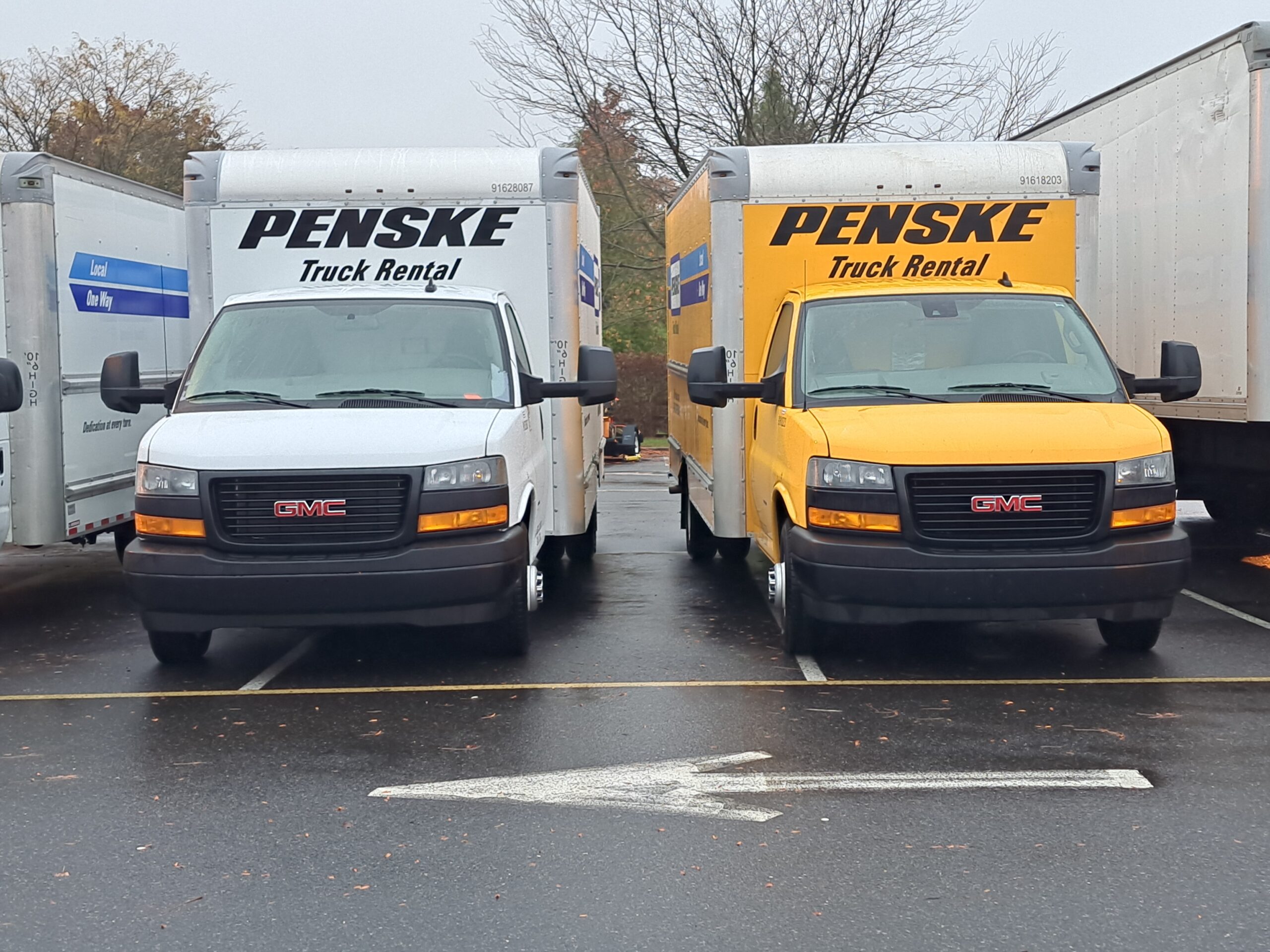
These 26-foot trucks are designed to handle the contents of a large house (3-5 bedrooms) or a significant portion of a business's inventory or equipment.
Benefits of Choosing a Large Penske Truck Rental
Opting for the largest available truck offers several significant advantages, particularly for large-scale moves:
- Reduced Number of Trips: By maximizing the amount that can be transported in a single trip, you minimize the time, fuel costs, and physical exertion associated with multiple smaller moves. This is especially critical for long-distance relocations.
- Lower Overall Cost: While the rental cost of a larger truck might be higher upfront, it can often be more economical than renting multiple smaller trucks or making multiple trips. Consider the cost of fuel, tolls, driver fatigue, and the potential for damage to belongings during multiple handling cycles.
- Increased Efficiency: Streamlining the moving process by consolidating belongings into fewer trips translates to a more efficient and less stressful move. This is particularly important when adhering to tight deadlines or managing complex logistics.
- Reduced Risk of Damage: Minimizing the number of times belongings are loaded, unloaded, and transported reduces the potential for damage. A single, carefully packed load in a large truck is often safer than multiple smaller, less organized loads.
- Time Savings: The time saved by making fewer trips can be significant, allowing you to focus on other crucial aspects of the move, such as setting up your new home or business location.

Practical Considerations Before Renting a Large Penske Truck
Before committing to a large Penske truck rental, it's crucial to consider the following factors:
- Driving Experience: Driving a 26-foot truck requires a different skill set than driving a car. Consider your comfort level and experience with driving larger vehicles. Penske offers helpful driving tips and safety information on their website.
- Parking and Maneuverability: Large trucks require ample space for parking and maneuvering. Ensure you have adequate parking available at both your origin and destination, and be aware of any potential restrictions or challenges related to navigating tight streets or parking lots.
- Loading and Unloading Assistance: Loading and unloading a 26-foot truck is a significant physical undertaking. Consider hiring professional movers or enlisting the help of friends and family. Penske partners with moving companies that can provide loading and unloading assistance.
- Insurance Coverage: Review your insurance coverage to ensure you have adequate protection for the truck and your belongings during the rental period. Penske offers supplemental insurance options that can provide additional coverage.
- Rental Agreement Terms: Carefully read and understand the terms and conditions of the rental agreement, including mileage limitations, return policies, and potential fees.
- Fuel Efficiency: Be mindful of the truck's fuel efficiency, which will be lower than that of a car. Budget accordingly for fuel costs, especially for long-distance moves.
How to Rent a Large Penske Truck: A Step-by-Step Guide
Renting a large Penske truck is a straightforward process:
- Determine Your Needs: Assess the volume of belongings or equipment you need to transport and determine if a 26-foot truck is the appropriate size.
- Get a Quote: Visit the Penske Truck Rental website or call their customer service line to obtain a quote. Provide details such as your pickup and drop-off locations, dates, and any additional services you require.
- Reserve Your Truck: Once you've obtained a quote and are satisfied with the terms, reserve your truck. It's advisable to reserve well in advance, especially during peak moving seasons.
- Confirm Your Reservation: Penske will typically send a confirmation email or call you to confirm your reservation details.
- Pick Up Your Truck: On the scheduled pickup date, visit the designated Penske location with your driver's license and payment method. The Penske representative will inspect the truck with you, explain the operating procedures, and answer any questions you may have.
- Load and Transport Your Belongings: Carefully load your belongings into the truck, ensuring they are properly secured to prevent damage during transit.
- Return the Truck: On the scheduled return date, return the truck to the designated Penske location. The Penske representative will inspect the truck for any damage and finalize the rental agreement.
Potential Challenges and Solutions
While large Penske truck rentals offer numerous benefits, some potential challenges may arise:
- Challenge: Difficulty driving or maneuvering the truck.
- Solution: Practice driving in a large, open area before embarking on your move. Consider enlisting the help of an experienced driver.
- Challenge: Difficulty loading or unloading heavy items.
- Solution: Hire professional movers or use specialized equipment, such as dollies and furniture pads, to protect your belongings and prevent injuries.
- Challenge: Unexpected mechanical issues with the truck.
- Solution: Penske offers 24/7 roadside assistance. Contact them immediately if you experience any mechanical problems.
- Challenge: Finding parking at your destination.
- Solution: Research parking options in advance and obtain any necessary permits or reservations.
Tips for a Successful Large Truck Rental Experience
- Plan Ahead: Start planning your move well in advance to allow ample time for research, booking, and preparation.
- Pack Strategically: Pack your belongings in a way that maximizes space and minimizes the risk of damage.
- Secure Your Load: Use tie-down straps and blankets to secure your belongings inside the truck.
- Drive Safely: Drive defensively and be aware of your surroundings. Allow extra time for braking and maneuvering.
- Document Everything: Take photos of the truck before and after the rental period to document its condition.
Price Table
| Feature | Description | Estimated Cost (USD) | Notes |
|---|---|---|---|
| Daily Rental Rate | Base cost for renting the 26-foot truck per day | $150 - $300+ | Varies based on location, demand, and time of year. Weekends and holidays are typically more expensive. |
| Mileage Fee | Cost per mile driven | $0.50 - $1.00+ | Can be a significant factor for long-distance moves. Some rentals may offer unlimited mileage options for a higher daily rate. |
| Insurance Coverage | Supplemental insurance options (e.g., cargo protection, liability coverage) | $30 - $80+ per day | Highly recommended to protect against potential damages or liabilities. |
| Environmental Fee | A standard fee charged to cover environmental compliance costs | $10 - $20+ | Usually a fixed fee added to the total rental cost. |
| Fuel Costs | Cost of fuel used during the rental period | Varies | Depends on distance traveled and fuel efficiency of the truck. Expect around 8-10 miles per gallon. |
| Tolls | Fees for using toll roads or bridges | Varies | Plan your route to minimize toll costs if possible. |
| Loading/Unloading Help | Cost of hiring professional movers for loading and unloading | $30 - $60+ per hour | Highly recommended for heavy or bulky items. Penske can provide referrals to reputable moving companies. |
| Equipment Rentals (Dollies, Blankets) | Rental cost for moving equipment such as dollies and furniture blankets | $10 - $30+ per item | Helps protect your belongings and makes loading/unloading easier. |
| Late Return Fee | Fee charged for returning the truck after the agreed-upon return time | $50 - $100+ per day | Avoid late fees by planning your move carefully and allowing ample time for travel. |
| Cleaning Fee | Fee charged if the truck is returned excessively dirty | $50 - $100+ | Return the truck in a reasonably clean condition to avoid this fee. |
Note: These prices are estimates and can vary significantly based on location, time of year, and specific rental terms. Contact Penske directly for an accurate quote.
Conclusion: Mastering the Art of the Large-Scale Move
Renting the largest Penske truck can be a game-changer for large-scale moves, offering efficiency, cost-effectiveness, and reduced stress. By carefully considering the practical aspects, planning ahead, and following the tips outlined in this guide, you can navigate the process with confidence and ensure a successful and seamless relocation. The key is to be prepared, informed, and proactive in addressing any potential challenges that may arise. With the right approach, the largest Penske truck rental can be your trusted partner in conquering even the most daunting moving endeavors.
Frequently Asked Questions (FAQ)
Q: What size is the largest Penske truck rental?
A: The largest Penske truck rental is typically the 26-foot high-roof truck.
Q: How much does it cost to rent the largest Penske truck?
A: The cost varies depending on factors such as location, time of year, mileage, and insurance options. Contact Penske for a specific quote. Expect to pay $150-$300+ per day plus mileage.
Q: Do I need a special license to drive a 26-foot Penske truck?
A: In most cases, a standard driver's license is sufficient to drive a 26-foot Penske truck. However, it's always best to check with your local Department of Motor Vehicles (DMV) to confirm.
Q: What is the fuel efficiency of a 26-foot Penske truck?
A: The fuel efficiency is typically around 8-10 miles per gallon.
Q: Does Penske offer roadside assistance?
A: Yes, Penske offers 24/7 roadside assistance for its rental trucks.
Q: Can I tow a car behind a 26-foot Penske truck?
A: Penske offers car carriers that can be rented in conjunction with their trucks. Check with Penske for availability and compatibility.
Q: What happens if I return the truck late?
A: You will likely be charged a late return fee, which can be substantial. Avoid late fees by planning your move carefully and allowing ample time for travel.
Q: What should I do if the truck breaks down?
A: Contact Penske's roadside assistance immediately. They will provide assistance and arrange for repairs.
Q: Can I drop off the truck at a different location than where I picked it up?
A: Yes, Penske offers one-way rentals, allowing you to drop off the truck at a different location. However, this may be subject to availability and additional fees.
Q: How far in advance should I reserve a large Penske truck?
A: It's advisable to reserve your truck well in advance, especially during peak moving seasons. Reserving at least a few weeks ahead of time is recommended.