Introduction: The Workhorse of Recovery and Transport
When vehicles break down, accidents happen, or equipment needs relocation, one specialized tool stands out: the rollback flatbed tow truck. These versatile machines, also known as slide decks or flatbeds, are the backbone of the towing and recovery industry, offering a safer and more efficient way to transport a wide range of vehicles and equipment. If you're looking for a "Rollback Flatbed For Sale," you're entering a market with a lot of options. This guide will provide you with the knowledge you need to make an informed decision, covering everything from different types and key features to pricing, important considerations, and frequently asked questions. Investing in the right rollback flatbed can significantly boost your business, ensuring safe and reliable transportation while maximizing your return on investment.
Rollback Flatbed For Sale: A Comprehensive Guide to Choosing the Right Tow Truck
Section 1: Understanding Rollback Flatbeds: More Than Just a Tow Truck
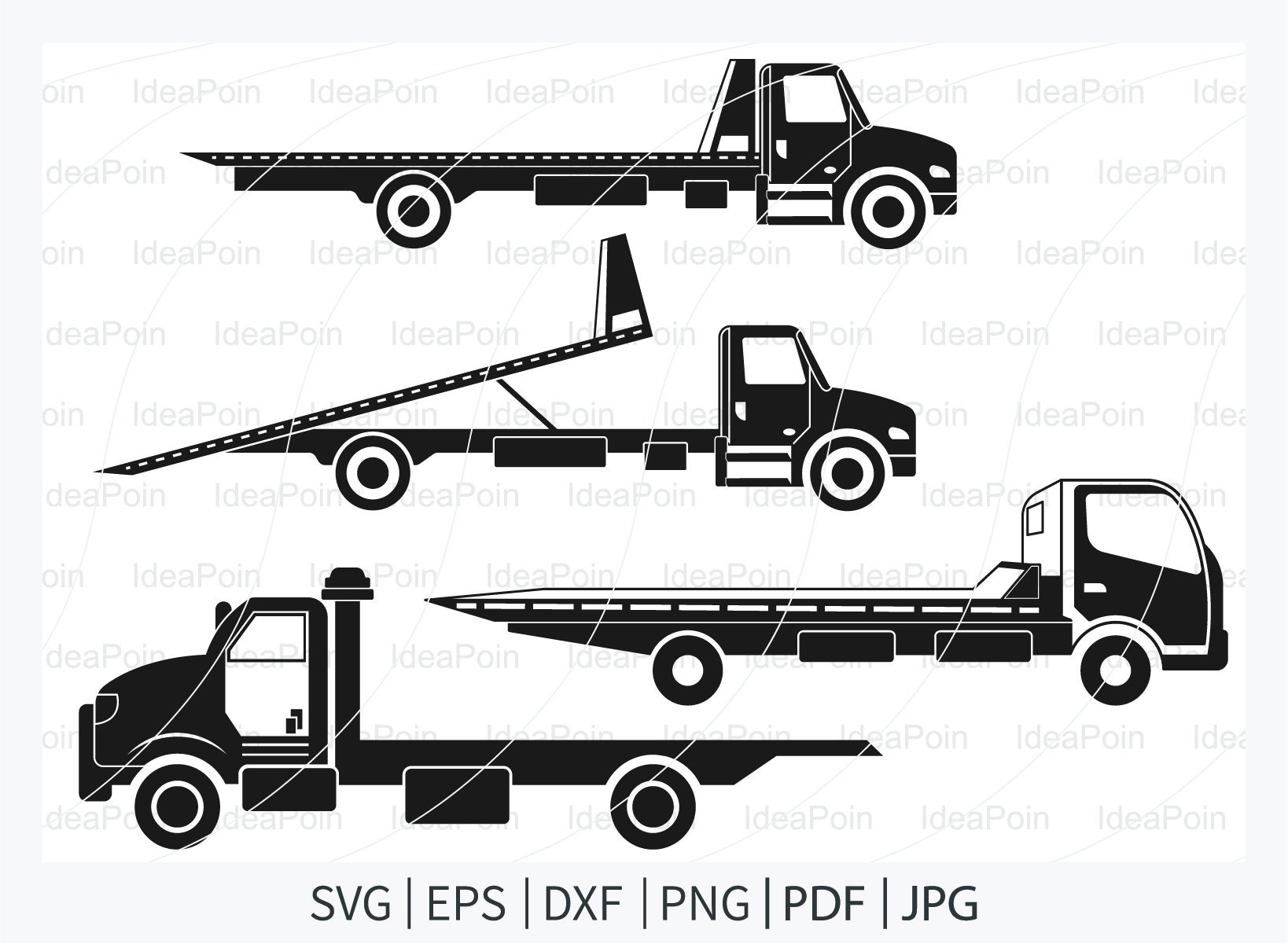
A rollback flatbed tow truck differs significantly from traditional tow trucks. Instead of lifting a vehicle by its wheels, a rollback utilizes a hydraulically operated bed that tilts and slides back to ground level, allowing vehicles to be driven or winched onto the bed. This method offers several advantages:
- Reduced Damage: Eliminates the risk of damage associated with wheel-lift towing, especially for vehicles with low ground clearance, all-wheel drive systems, or damaged suspension.
- Versatility: Can transport a wide variety of vehicles, including cars, trucks, motorcycles, ATVs, construction equipment, and even damaged vehicles that cannot be driven.
- Safety: Provides a more stable and secure platform for transporting vehicles, reducing the risk of shifting or falling during transit.
- Efficiency: Loading and unloading are faster and easier compared to traditional towing methods, saving time and labor costs.

Section 2: Key Features to Consider Before Buying
When browsing "Rollback Flatbed For Sale," it's crucial to assess your specific needs and prioritize the features that are most important for your operations. Here are some key considerations:
- Deck Length and Width: The deck size determines the maximum size and type of vehicle you can transport. Consider the types of vehicles you'll be handling most frequently. Standard lengths range from 19 to 22 feet, while widths typically range from 96 to 102 inches.
- Deck Material: Common materials include steel and aluminum. Steel decks are more durable and can handle heavier loads, while aluminum decks are lighter, offering better fuel efficiency and corrosion resistance.
- Weight Capacity: The Gross Vehicle Weight Rating (GVWR) of the truck and the deck's load capacity are critical factors. Ensure the truck can handle the weight of the deck, the vehicle being transported, and any additional equipment.
- Hydraulic System: The hydraulic system controls the tilting and sliding of the deck. Look for a reliable and well-maintained system with sufficient power and speed. Consider the pump's GPM (gallons per minute) rating.
- Winch Capacity: A powerful winch is essential for loading disabled or non-running vehicles. Choose a winch with a sufficient capacity to handle the heaviest vehicles you'll be transporting, with safety features like automatic brakes.
- Control System: The control system allows the operator to control the deck and winch. Consider the location and ease of use of the controls, as well as any remote control options.
- Lighting and Safety Features: Adequate lighting is essential for safe operation, especially at night. Ensure the truck has sufficient lighting, including work lights, marker lights, and brake lights. Safety features such as wheel chocks, straps, and tie-down points are also crucial.
- Underbody Storage: Provides space for storing tools, straps, and other equipment. Consider the size and accessibility of the storage compartments.

Section 3: Types of Rollback Flatbeds: Finding the Right Fit
Rollback flatbeds are available in various configurations to suit different needs and budgets. Here are some common types:
- Standard Rollback: The most common type, suitable for transporting cars, trucks, and other general-purpose vehicles.
- Heavy-Duty Rollback: Designed for transporting heavier loads, such as construction equipment and large vehicles. Features a stronger deck and hydraulic system.
- Aluminum Rollback: Offers a lighter weight and corrosion resistance, ideal for maximizing fuel efficiency and longevity.
- Low-Profile Rollback: Designed for transporting vehicles with low ground clearance, such as sports cars and luxury vehicles.
- Integrated Rollback: The rollback system is integrated into the truck chassis, offering a lower overall height and improved stability.
Section 4: Buying New vs. Used: Weighing the Pros and Cons
Deciding whether to buy a new or used rollback flatbed is a crucial decision.
- New Rollback Flatbeds:
- Pros: Latest technology, full warranty, customizable options, lower maintenance costs in the short term.
- Cons: Higher initial cost, depreciation.
- Used Rollback Flatbeds:
- Pros: Lower initial cost, immediate availability.
- Cons: Potential for hidden problems, limited warranty (if any), higher maintenance costs, outdated technology.
If you opt for a used rollback, have it thoroughly inspected by a qualified mechanic before making a purchase. Check for signs of wear and tear, rust, and damage to the hydraulic system, deck, and chassis.
Section 5: Where to Find Rollback Flatbeds For Sale
- Truck Dealerships: Offer a wide selection of new and used rollback flatbeds, as well as financing options and warranty coverage.
- Online Marketplaces: Websites like Commercial Truck Trader, eBay Motors, and TruckPaper.com list numerous rollback flatbeds for sale.
- Auction Houses: Auctions can be a good source for finding deals on used rollback flatbeds.
- Private Sellers: Buying directly from a private seller can potentially save money, but it also carries more risk.
Section 6: Negotiating the Price: Getting the Best Deal
Negotiating the price is an essential part of the buying process. Research the market value of similar rollback flatbeds to get a sense of what a fair price is. Be prepared to walk away if the seller is unwilling to negotiate. Consider these tips:
- Do Your Research: Know the market value of the rollback you're interested in.
- Highlight Any Flaws: Point out any defects or issues you find during the inspection.
- Be Polite and Professional: A positive attitude can go a long way.
- Consider Financing Options: Explore different financing options to get the best interest rate.
- Don't Be Afraid to Walk Away: If the deal isn't right, be prepared to walk away.
Section 7: Important Considerations Before Finalizing the Purchase
- Inspection: Thoroughly inspect the rollback flatbed, or have a qualified mechanic do so.
- Title and Registration: Ensure the seller has a clear title to the vehicle and that you can legally register it in your state.
- Insurance: Obtain adequate insurance coverage before operating the rollback flatbed.
- Training: Ensure you and your operators are properly trained on how to operate the rollback safely and efficiently.
- DOT Compliance: Make sure the truck is DOT compliant in your state.
Section 8: Tips for Maintaining Your Rollback Flatbed
Regular maintenance is essential for keeping your rollback flatbed in good working condition and preventing costly repairs.
- Regular Inspections: Conduct regular inspections of the hydraulic system, deck, winch, and other components.
- Lubrication: Lubricate all moving parts regularly.
- Fluid Checks: Check and maintain fluid levels (hydraulic fluid, engine oil, coolant).
- Filter Changes: Change filters regularly (oil filter, air filter, hydraulic filter).
- Tire Maintenance: Maintain proper tire pressure and inspect tires for wear and damage.
- Cleanliness: Keep the rollback flatbed clean and free of debris.
Section 9: Potential Challenges and Solutions
- Hydraulic System Problems: Can be caused by leaks, pump failures, or valve issues. Solution: Regular maintenance and prompt repairs.
- Winch Failures: Can be caused by overloading, improper use, or lack of maintenance. Solution: Proper training and regular inspections.
- Deck Damage: Can be caused by accidents or heavy loads. Solution: Avoid overloading the deck and repair any damage promptly.
- Rust and Corrosion: Can be a problem in areas with harsh weather conditions. Solution: Regular cleaning and application of rust inhibitors.
Section 10: Price Table
| Feature | New Rollback Flatbed (Estimated Price) | Used Rollback Flatbed (Estimated Price) | Notes |
|---|---|---|---|
| Standard Rollback | $80,000 - $120,000 | $40,000 - $80,000 | Prices vary based on chassis, deck material, and features. |
| Heavy-Duty Rollback | $120,000 - $180,000 | $60,000 - $120,000 | Higher capacity winch and stronger deck construction. |
| Aluminum Rollback | $90,000 - $140,000 | $50,000 - $90,000 | Lighter weight, better fuel efficiency, and corrosion resistance. |
| Deck Length (21-22 ft) | +$5,000 - $10,000 | +$3,000 - $7,000 | Longer decks increase price. |
| Winch Capacity (12,000 lbs) | Included in Base Price | Included in Base Price | Higher capacity winches can add to the price. |
| Extended Warranty | +$2,000 - $5,000 | Varies | Available for new trucks; may be limited or unavailable for used trucks. |
| Location (USA Average) | Varies | Varies | Transportation costs can affect the final price. |
Conclusion: Investing in the Right Tool for the Job
Finding the right "Rollback Flatbed For Sale" requires careful consideration of your specific needs, budget, and operational requirements. By understanding the key features, types, and buying process outlined in this guide, you can make an informed decision and invest in a reliable and efficient rollback flatbed that will serve your business well for years to come. Remember to prioritize safety, maintenance, and proper training to maximize the return on your investment. A rollback flatbed is more than just a truck; it's a vital tool that can help you provide essential services to your community and grow your business.
Frequently Asked Questions (FAQ)
-
Q: What is the average lifespan of a rollback flatbed?
- A: With proper maintenance, a rollback flatbed can last for 10-15 years or more.
-
Q: How often should I service my rollback's hydraulic system?
- A: At least every 6 months or as recommended by the manufacturer.
-
Q: What is the best way to secure a vehicle on a rollback flatbed?
- A: Use a combination of wheel straps and tie-down points to secure the vehicle to the deck.
-
Q: Can I use a rollback flatbed to transport oversized loads?
- A: You may need to obtain special permits and follow specific regulations for transporting oversized loads.
-
Q: Is it difficult to operate a rollback flatbed?
- A: Operating a rollback flatbed requires training and practice, but it is not overly difficult once you become familiar with the controls and safety procedures.
-
Q: What is the most important safety feature on a rollback flatbed?
- A: A properly functioning winch and secure tie-down points are critical for ensuring the safety of the vehicle being transported.
-
Q: Should I buy a rollback with an independent suspension?
- A: Independent suspension can provide a smoother ride, especially when transporting sensitive equipment, but it may add to the cost.
-
Q: What kind of license do I need to operate a rollback flatbed?
- A: Depending on the GVWR of the truck and the weight of the load, you may need a Commercial Driver's License (CDL). Check with your local DMV for specific requirements.