Introduction: The Versatile Solution for Vehicle Transport
Need to move a car, truck, or specialized equipment but don't want to risk the wear and tear of driving it long distances? Perhaps your vehicle has broken down, and you need to get it to a repair shop quickly and safely? That's where renting a rollback truck, also known as a flatbed tow truck, comes in. Rollback trucks are incredibly versatile vehicles designed to transport other vehicles without putting them through the rigors of being towed. Instead of dragging a vehicle behind, a rollback truck allows you to load the vehicle onto a flatbed platform, securing it safely for transportation. This guide will provide a comprehensive overview of rollback truck rentals, covering everything from their benefits and usage to important considerations, potential challenges, and frequently asked questions.
Rollback Truck For Rent: Your Comprehensive Guide to Safe and Efficient Vehicle Transport
Section 1: Understanding Rollback Trucks and Their Benefits
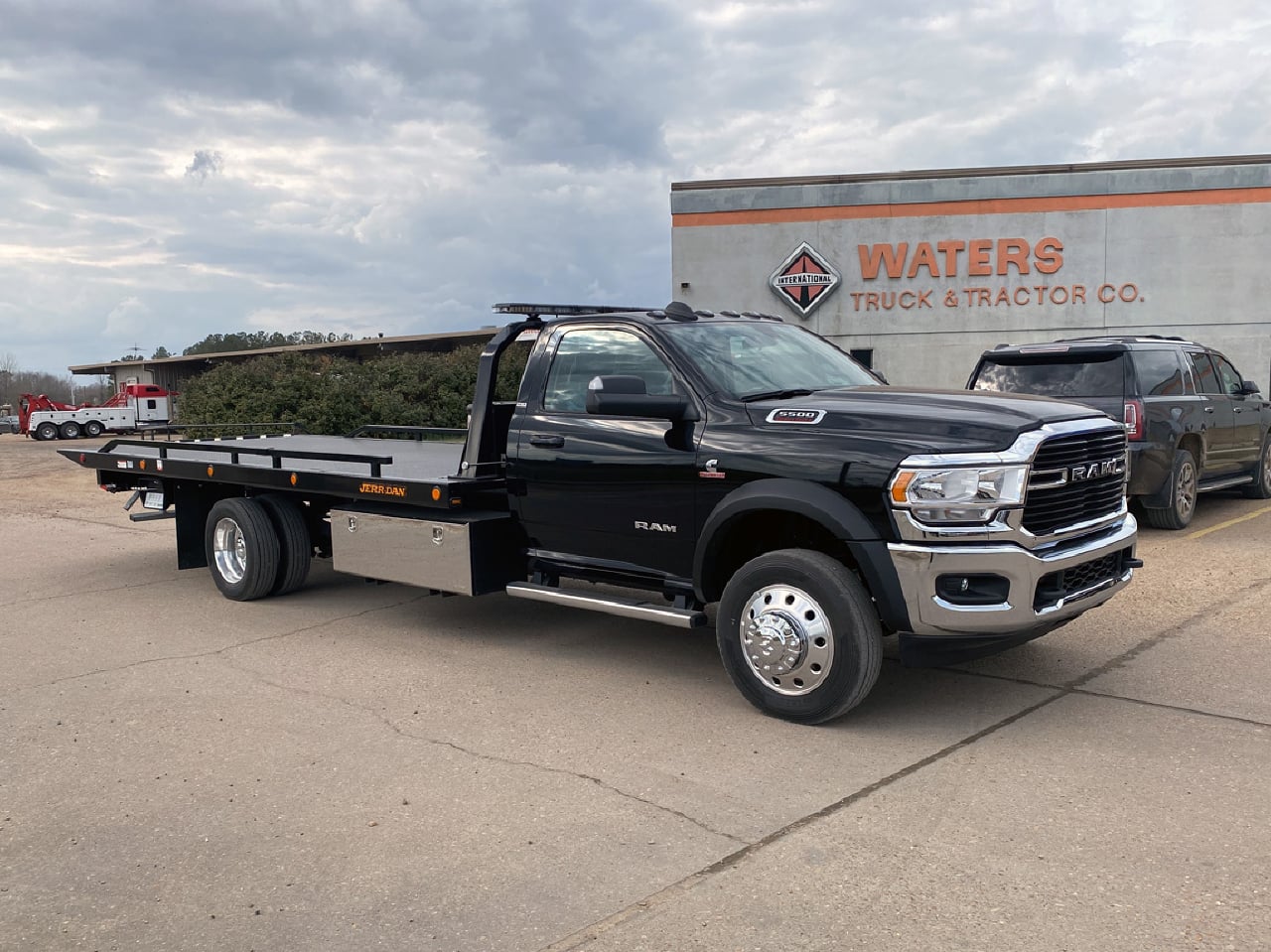
A rollback truck is a specialized type of tow truck featuring a hydraulically operated flatbed that tilts down to ground level, allowing vehicles to be driven or winched onto the platform. Once the vehicle is securely positioned, the bed is raised back to its horizontal position, ready for transport. This design offers several key advantages over traditional tow trucks:
- Reduced Vehicle Wear and Tear: Unlike towing, which can put stress on a vehicle's tires, suspension, and transmission, a rollback truck eliminates ground contact, minimizing wear and tear during transport.
- Safe Transport for Damaged Vehicles: Rollback trucks are ideal for transporting vehicles that are damaged, have flat tires, or are otherwise inoperable. There is no risk of further damage due to towing.
- Versatility: Rollback trucks can transport a wide range of vehicles, including cars, trucks, SUVs, motorcycles, ATVs, and even small construction equipment.
- Ease of Loading and Unloading: The tilting bed makes loading and unloading vehicles relatively straightforward, even for those with limited experience.
- Professional Image: For businesses needing to transport vehicles, using a rollback truck projects a professional image and demonstrates care for the transported goods.
- Bypass Towing Restrictions: In some areas, towing may be restricted or require special permits. Rollback trucks often bypass these restrictions since they are transporting, not towing, the vehicle.

Section 2: When to Rent a Rollback Truck: Common Scenarios
Renting a rollback truck can be the perfect solution in various situations. Here are some common scenarios where it proves invaluable:
- Vehicle Breakdown: When your car breaks down on the side of the road, a rollback truck is the safest way to transport it to a repair shop.
- Moving a Vehicle Long Distance: If you're relocating and don't want to drive your car across the country, a rollback truck can transport it safely and efficiently.
- Transporting Classic or Exotic Cars: Owners of classic or exotic cars often prefer rollback trucks to ensure their vehicles are transported without any risk of damage.
- Auction Purchases: If you've purchased a vehicle at an auction, renting a rollback truck is a convenient way to get it home.
- Equipment Transport: Landscapers, contractors, and other professionals can use rollback trucks to transport small construction equipment, ATVs, or other machinery.
- Repossessions: Financial institutions often use rollback trucks to repossess vehicles.
- Accident Recovery: Rollback trucks are frequently used to recover vehicles involved in accidents.
- Transporting Project Cars: If you are moving a vehicle to a shop for modification or restoration, a rollback truck ensures it arrives safely.

Section 3: How to Rent a Rollback Truck: A Step-by-Step Guide
Renting a rollback truck is usually a straightforward process. Here's a step-by-step guide:
-
Determine Your Needs:
- What type of vehicle are you transporting?
- What is the vehicle's weight and dimensions?
- How far will you be transporting the vehicle?
- Do you have any loading or unloading restrictions?
-
Research Rental Companies:
- Search online for rollback truck rental companies in your area.
- Read reviews and compare prices.
- Check for insurance requirements and any additional fees.
-
Contact Rental Companies:
- Call or visit the rental companies to inquire about availability and pricing.
- Ask about the specific type of rollback truck they offer and its capabilities.
- Clarify the rental terms, including mileage limits, insurance coverage, and return policies.
-
Book Your Rental:
- Once you've chosen a rental company, book your rollback truck in advance, especially if you need it on a specific date.
- Provide the necessary information, such as your driver's license, insurance details, and payment information.
-
Inspect the Truck:
- Before driving away, thoroughly inspect the rollback truck for any existing damage.
- Note any scratches, dents, or mechanical issues on the rental agreement.
- Ensure all safety equipment, such as straps, chains, and lights, are in good working order.
-
Understand the Operation:
- Ask the rental company for a demonstration of how to operate the rollback bed and secure the vehicle.
- Familiarize yourself with the truck's controls and safety features.
-
Load the Vehicle:
- Follow the rental company's instructions for loading the vehicle onto the rollback bed.
- Use the appropriate straps and chains to secure the vehicle tightly.
- Double-check that the vehicle is properly secured before raising the bed.
-
Drive Safely:
- Drive cautiously and follow all traffic laws.
- Be aware of the truck's size and weight, especially when making turns or braking.
- Regularly check the straps and chains to ensure the vehicle remains secure.
-
Unload the Vehicle:
- Carefully unload the vehicle at your destination, following the same safety procedures as when loading.
- Ensure the area is clear of obstacles and that you have enough space to maneuver.
-
Return the Truck:
- Return the rollback truck to the rental company on time and in the same condition it was rented.
- Complete the necessary paperwork and pay any remaining fees.
Section 4: Important Considerations Before Renting
Before you commit to renting a rollback truck, consider these crucial factors:
- Weight Capacity: Ensure the rollback truck's weight capacity is sufficient for the vehicle you're transporting. Exceeding the weight limit can damage the truck and create a safety hazard.
- Bed Length and Width: Verify that the rollback bed is long and wide enough to accommodate the vehicle you're transporting.
- Rental Costs: Understand the total rental cost, including daily or hourly rates, mileage charges, insurance fees, and any additional charges.
- Insurance Coverage: Check your existing auto insurance policy to see if it covers rollback truck rentals. If not, you may need to purchase additional insurance from the rental company.
- Driver's License Requirements: Ensure you have the appropriate driver's license to operate a rollback truck. Some states may require a commercial driver's license (CDL) for larger trucks.
- Experience: Operating a rollback truck requires skill and experience. If you're not comfortable driving a large vehicle or operating the rollback bed, consider hiring a professional driver.
- Loading and Unloading Location: Ensure that the loading and unloading locations are accessible and have enough space to maneuver the rollback truck.
- Weather Conditions: Be aware of the weather conditions before transporting a vehicle. Avoid driving in severe weather, such as heavy rain, snow, or high winds.
- Securing the Vehicle: Properly securing the vehicle to the rollback bed is crucial for safe transport. Use the appropriate straps and chains and follow the rental company's instructions.
Section 5: Types of Rollback Trucks
While the basic principle remains the same, rollback trucks can vary in size and capacity:
- Light-Duty Rollback Trucks: Suitable for transporting cars, small trucks, and motorcycles.
- Medium-Duty Rollback Trucks: Can handle larger trucks, SUVs, and some construction equipment.
- Heavy-Duty Rollback Trucks: Designed for transporting heavy machinery, large vehicles, and equipment.
- Integrated Rollback Trucks: These units are often equipped with wheel lifts to perform traditional towing in addition to rollback capabilities.
Section 6: Tips for a Smooth Rollback Truck Rental Experience
- Plan Ahead: Book your rental in advance, especially during peak seasons.
- Take Photos: Document the condition of the truck before and after your rental to avoid disputes.
- Read the Fine Print: Carefully review the rental agreement before signing.
- Ask Questions: Don't hesitate to ask the rental company any questions you have about the truck or the rental process.
- Drive Defensively: Be extra cautious when driving a rollback truck, especially with a vehicle loaded on the bed.
- Return on Time: Avoid late fees by returning the truck on time.
Section 7: Potential Challenges and Solutions
- Challenge: Difficulty loading or unloading a vehicle.
- Solution: Practice loading and unloading in a safe area before transporting the vehicle. Consider using ramps or a winch to assist with loading.
- Challenge: Vehicle shifting during transport.
- Solution: Regularly check the straps and chains to ensure the vehicle remains secure. Consider using additional tie-downs for added security.
- Challenge: Unexpected breakdowns or mechanical issues.
- Solution: Contact the rental company immediately for assistance. Ensure you have roadside assistance coverage.
- Challenge: Limited driving experience with large vehicles.
- Solution: Practice driving in a safe area before transporting the vehicle. Consider hiring a professional driver if you're not comfortable.
Table: Rollback Truck Rental Pricing and Information
| Feature | Light-Duty Rollback | Medium-Duty Rollback | Heavy-Duty Rollback | Notes |
|---|---|---|---|---|
| Daily Rate | $150 - $250 | $250 - $400 | $400 - $600 | Prices vary based on location, availability, and rental company. |
| Hourly Rate | $30 - $50 | $50 - $80 | $80 - $120 | Typically for short-term rentals. |
| Mileage Fee | $0.50 - $1.00/mile | $0.75 - $1.50/mile | $1.00 - $2.00/mile | Some rentals may include a limited number of free miles. |
| Weight Capacity | Up to 10,000 lbs | Up to 15,000 lbs | Up to 25,000 lbs | Ensure the truck's capacity exceeds the weight of the vehicle you're transporting. |
| Bed Length | 19 - 22 feet | 22 - 26 feet | 26 - 30 feet | Measure your vehicle to ensure it fits on the bed. |
| Insurance | Varies | Varies | Varies | Check if your existing insurance covers rollback truck rentals. Additional insurance may be required. |
| Security Deposit | $200 - $500 | $300 - $750 | $500 - $1000 | Refundable upon return of the truck in good condition. |
| Driver's License | Standard Driver's License | Standard Driver's License | CDL potentially required | Check local regulations regarding license requirements. Larger trucks may require a Commercial Driver's License. |
| Fuel Type | Gasoline/Diesel | Diesel | Diesel | Confirm the fuel type before filling up the truck. |
| Included Equipment | Straps, chains | Straps, chains | Straps, chains | Ensure all necessary equipment is included and in good working order. |
| Additional Fees | Late fees, cleaning fees | Late fees, cleaning fees | Late fees, cleaning fees | Be aware of potential extra charges for returning the truck late or in poor condition. |
Frequently Asked Questions (FAQ)
-
Q: Do I need a special license to drive a rollback truck?
- A: In most cases, a standard driver's license is sufficient for light- and medium-duty rollback trucks. However, heavy-duty trucks may require a commercial driver's license (CDL). Check with your local Department of Motor Vehicles for specific requirements.
-
Q: What type of insurance do I need?
- A: Check with your existing auto insurance provider to see if your policy covers rollback truck rentals. If not, you may need to purchase additional insurance from the rental company.
-
Q: How do I secure the vehicle to the rollback bed?
- A: Use the appropriate straps and chains provided by the rental company. Follow their instructions carefully and ensure the vehicle is tightly secured before raising the bed.
-
Q: What happens if the truck breaks down?
- A: Contact the rental company immediately for assistance. Most rental companies offer roadside assistance coverage.
-
Q: Can I rent a rollback truck for a one-way trip?
- A: Some rental companies offer one-way rentals, but they may be subject to additional fees.
-
Q: What if I damage the truck?
- A: You will be responsible for paying for any damages to the truck. This is why it's important to inspect the truck thoroughly before renting and document any existing damage.
-
Q: How far in advance should I book my rental?
- A: It's best to book your rental as far in advance as possible, especially if you need the truck on a specific date or during peak seasons.
Conclusion: Your Reliable Transportation Solution
Renting a rollback truck offers a safe, efficient, and versatile solution for transporting vehicles and equipment. By understanding the benefits, considerations, and procedures outlined in this guide, you can ensure a smooth and successful rental experience. Whether you're dealing with a breakdown, moving a classic car, or transporting construction equipment, a rollback truck provides a reliable and professional way to get the job done right. Remember to prioritize safety, plan ahead, and choose a reputable rental company to make the most of your rollback truck rental.