The phrase "free cars and trucks" conjures up images of effortlessly acquiring a vehicle, a dream for many struggling with transportation costs or simply yearning for an upgrade. While the concept of a completely free vehicle sounds almost too good to be true, the reality is complex and requires careful navigation. This article aims to demystify the notion of "free cars and trucks," exploring the various avenues, potential benefits, inherent challenges, and ultimately, providing a realistic understanding of what's possible and what to avoid.
Defining the Dream: What Does "Free Car or Truck" Really Mean?
The Elusive Dream: Unveiling the Truth About "Free Cars and Trucks"
Let's be clear: obtaining a brand-new, fully functional car or truck for absolutely nothing is exceptionally rare. When people talk about "free cars," they usually refer to situations where the initial cost is significantly reduced or offset, rather than a completely cost-free transaction. This can include:
- Donated Vehicles: Charities and non-profit organizations sometimes receive vehicle donations and redistribute them to individuals in need.
- Government Assistance Programs: While not directly offering free cars, some government programs provide grants or assistance that can be used to purchase a vehicle.
- Contests and Sweepstakes: Though statistically unlikely, winning a car or truck through a contest or sweepstake is technically a "free" acquisition.
- Employer Perks: In rare instances, a company might provide a company car as part of an employment package, effectively making it "free" for personal use.
- Scams and Misleading Offers: Unfortunately, the allure of a free car attracts scammers. It's crucial to be wary of offers that seem too good to be true.
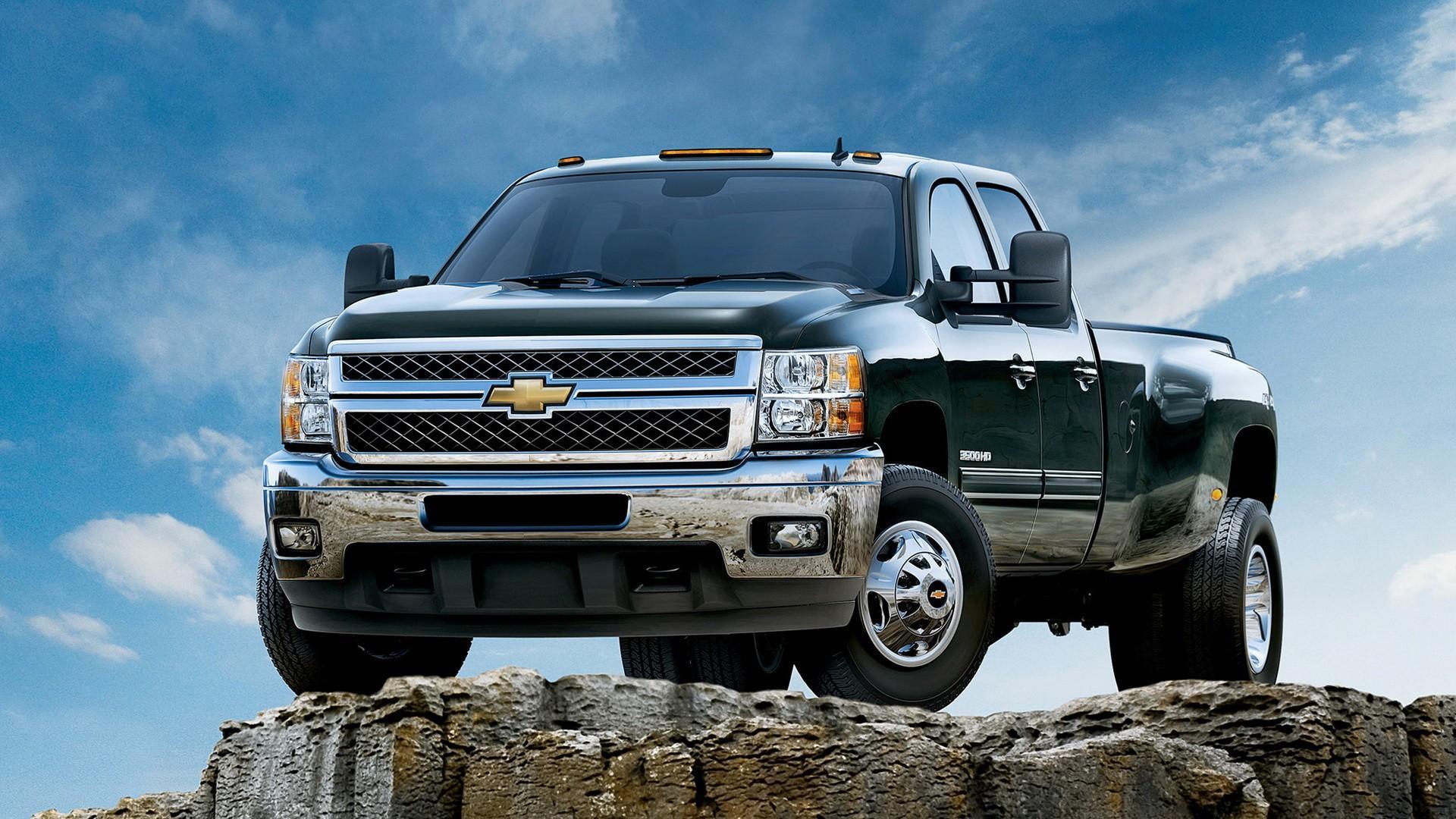
The importance of understanding these nuances is paramount. Chasing a phantom promise of a truly free car can lead to disappointment, wasted time, and even falling victim to fraudulent schemes. Instead, a realistic approach focuses on exploring legitimate avenues for assistance and understanding the associated requirements and limitations.
Section 1: Vehicle Donation Programs: A Lifeline for Those in Need
Vehicle donation programs represent one of the most viable paths to acquiring a vehicle, albeit one often dependent on meeting specific eligibility criteria.
- How They Work: Individuals donate their used vehicles to non-profit organizations. The organization then either sells the vehicle to raise funds for its programs or repairs and donates it directly to a deserving individual or family.
- Benefits:
- Provides a means of transportation for those who cannot afford it.
- Offers a sustainable solution by repurposing existing vehicles.
- Supports the mission of the non-profit organization.

- Eligibility Requirements: These vary depending on the organization but generally include:
- Demonstrable financial hardship.
- Lack of reliable transportation.
- Employment or employment opportunities contingent on having a vehicle.
- Dependence on transportation for medical appointments or childcare.
- Finding Reputable Programs:
- Research local charities and non-profit organizations in your area.
- Check their websites for vehicle donation programs and application processes.
- Verify their 501(c)(3) status with the IRS to ensure they are a legitimate non-profit.
- Read reviews and testimonials to assess their reputation.
- Application Process: Typically involves completing an application form, providing documentation of income, expenses, and need, and potentially undergoing an interview.
- Important Considerations:
- Waiting lists can be long due to high demand.
- The vehicle you receive will likely be used and may require maintenance.
- You will be responsible for registration, insurance, and ongoing operating costs.

Section 2: Government Assistance and Grants: Navigating the Bureaucracy
While the government doesn't directly give away cars, several programs can indirectly assist with vehicle acquisition.
- Temporary Assistance for Needy Families (TANF): Some TANF programs offer transportation assistance, which can be used to purchase a vehicle or pay for repairs. Eligibility and availability vary significantly by state.
- Workforce Development Programs: These programs often provide transportation assistance to help individuals find and maintain employment. This might include gas vouchers, bus passes, or even financial assistance for vehicle purchase or repair.
- Veterans Affairs (VA) Programs: The VA offers various transportation benefits to eligible veterans, including grants for specially adapted vehicles for those with disabilities.
- Other State and Local Programs: Many states and local communities offer programs specifically designed to assist low-income individuals with transportation needs.
- How to Find and Apply:
- Contact your local Department of Social Services or Department of Human Services.
- Inquire about TANF, workforce development, and other relevant programs.
- Check the websites of state and local government agencies.
- Consult with a social worker or case manager who can help you navigate the application process.
- Challenges:
- Eligibility requirements can be strict and complex.
- Funding is often limited, leading to long waiting lists.
- The application process can be bureaucratic and time-consuming.
Section 3: The Dream (and the Danger) of Contests and Sweepstakes
Winning a car or truck through a contest or sweepstakes represents a truly "free" acquisition, but the odds are astronomically low.
- Types of Contests and Sweepstakes: Ranging from national giveaways sponsored by automotive manufacturers to local contests organized by dealerships.
- How to Find Them:
- Online sweepstakes directories.
- Automotive magazines and websites.
- Social media platforms.
- Local dealerships.
- Benefits:
- The potential to win a brand-new vehicle without any upfront cost.
- Drawbacks:
- Extremely low odds of winning.
- Time-consuming to enter multiple contests.
- Potential for scams and fraudulent offers (requiring payment for "taxes" or "shipping").
- Important Considerations:
- Read the official rules carefully.
- Be wary of any contest that requires you to pay a fee or provide excessive personal information.
- Understand the tax implications of winning a vehicle.
- Never fall for scams that promise a guaranteed win in exchange for money.
Section 4: Employer-Provided Vehicles: A Perk for Select Employees
In certain professions and companies, a company car is offered as part of the employment package. This effectively provides a "free" vehicle for personal use, subject to the terms of the employment agreement.
- Common Industries: Sales, management, delivery services, and field service.
- Benefits:
- Eliminates the need to purchase and maintain a personal vehicle.
- Covers fuel and maintenance costs (typically).
- Provides a reliable and professional-looking vehicle for work-related travel.
- Limitations:
- Personal use may be restricted.
- The vehicle remains the property of the employer.
- You lose access to the vehicle upon termination of employment.
- Negotiating for a Company Car:
- Research industry standards for company car benefits.
- Highlight the value of a company car to your role and the company.
- Be prepared to negotiate the terms of the agreement.
Section 5: Spotting and Avoiding Scams: Protecting Yourself from Fraud
The promise of a free car attracts scammers who prey on vulnerable individuals. It's crucial to be vigilant and recognize the red flags.
- Common Scams:
- "Free car" offers requiring payment for taxes, shipping, or processing fees.
- "Government grants" for cars that don't exist.
- Fake vehicle donation programs that steal donated vehicles.
- Online classified ads for "free" cars that are used to collect personal information.
- Red Flags:
- Requests for upfront payment before receiving the vehicle.
- Unsolicited offers of free cars.
- Pressure to act quickly.
- Lack of verifiable contact information for the organization or individual.
- Requests for sensitive personal information, such as your Social Security number or bank account details.
- Protecting Yourself:
- Be skeptical of any offer that seems too good to be true.
- Never pay money upfront for a "free" car.
- Verify the legitimacy of any organization or individual offering a free car.
- Report suspected scams to the Federal Trade Commission (FTC) and your local law enforcement.
Section 6: Tips for Maximizing Your Chances of Getting Assistance
While a completely "free" car is unlikely, you can significantly increase your chances of receiving assistance by following these tips:
- Be Persistent: Don't give up after one rejection. Apply to multiple programs and continue searching for opportunities.
- Be Organized: Keep track of your applications, deadlines, and required documentation.
- Be Honest: Provide accurate and truthful information on your applications.
- Be Proactive: Seek out assistance from social workers, case managers, and community organizations.
- Be Patient: The process of obtaining a vehicle through assistance programs can be lengthy.
- Consider Alternatives: Explore other transportation options, such as public transportation, carpooling, or cycling.
Table Price of Free Cars And Trucks
| Program/Method | Initial Cost | Ongoing Costs | Eligibility | Difficulty | Likelihood |
|---|---|---|---|---|---|
| Vehicle Donation Programs | $0 | Registration, Insurance, Maintenance | Low-income, Need for Transportation | Medium | Medium-Low |
| Government Assistance | $0 | Registration, Insurance, Maintenance | Low-income, Specific Program Requirements | High | Low-Medium |
| Contests/Sweepstakes | $0 | Registration, Insurance, Maintenance | Open to the Public (Varies) | Low | Very Low |
| Employer-Provided Vehicle | $0 | Potentially Fuel/Maintenance (Depends on Agreement) | Employment in Specific Industries | Medium-High | Low-Medium |
| Scams | Potential Loss of Money & Personal Information | N/A | Vulnerable Individuals | Low (If Vigilant) | N/A (Avoid!) |
Frequently Asked Questions (FAQ)
- Q: Is it really possible to get a free car?
- A: While a completely free car is rare, it's possible through vehicle donation programs, contests, or employer-provided vehicles.
- Q: What are the requirements for vehicle donation programs?
- A: Typically, you need to demonstrate financial hardship and a need for transportation.
- Q: Are there government programs that can help me get a car?
- A: Yes, TANF, workforce development programs, and VA programs may offer transportation assistance.
- Q: How can I avoid scams related to free cars?
- A: Be skeptical of offers that seem too good to be true, never pay money upfront, and verify the legitimacy of any organization offering a free car.
- Q: What if I can't get a free car?
- A: Explore alternative transportation options, such as public transportation, carpooling, or cycling. Consider purchasing a used vehicle through affordable financing options.
- Q: Are there any tax implications to receiving a free car?
- A: Yes, winning a car through a contest or sweepstakes is generally considered taxable income. Consult with a tax professional for more information.
Conclusion: The Reality of the Road Ahead
The pursuit of a "free car or truck" is often a journey filled with hope, challenges, and the need for realistic expectations. While a completely cost-free vehicle is rare, various avenues can provide assistance to those in need. By understanding the different programs, eligibility requirements, and potential pitfalls, you can navigate the process effectively and increase your chances of acquiring a vehicle that meets your transportation needs. Remember to prioritize caution, research thoroughly, and never let the allure of a free car cloud your judgment. The road to reliable transportation may not be entirely free, but with persistence and informed decision-making, it is achievable.