For Chevy truck and SUV owners seeking a perfect blend of style, performance, and durability, the world of aftermarket wheels offers a vast landscape of options. Among these, 18-inch, 6-lug Chevy wheels stand out as a popular choice. This article serves as your comprehensive guide to understanding and selecting the right 18-inch, 6-lug wheels for your Chevy, covering everything from compatibility and benefits to choosing the right style and overcoming potential challenges.
Introduction: Why 6-Lug Chevy Wheels Matter
The Ultimate Guide to 6-Lug Chevy Wheels: Elevate Your Ride with 18-Inch Style
The "6-lug" designation refers to the number of bolts used to secure the wheel to the vehicle's hub. Chevy trucks and SUVs, especially those in the 1500 series, often utilize a 6-lug pattern. This configuration provides a robust and reliable connection, crucial for handling the demands of towing, hauling, and off-road adventures.
Switching to aftermarket wheels, particularly 18-inch 6-lug Chevy wheels, allows you to personalize your vehicle's appearance, improve handling, and even enhance braking performance. The 18-inch diameter strikes a balance between aggressive aesthetics and practical considerations, offering a larger wheel size without sacrificing ride comfort or fuel efficiency as drastically as larger sizes might.
Section 1: Compatibility: Ensuring the Right Fit for Your Chevy
The most crucial aspect of selecting 6-lug Chevy wheels is ensuring compatibility with your specific vehicle. Here's what you need to know:
-
Bolt Pattern: The 6-lug Chevy bolt pattern is typically 6x5.5 (6x139.7mm). This means there are six lug holes spaced 5.5 inches (or 139.7mm) apart in a circle. Always verify your vehicle's bolt pattern using your owner's manual or online resources like wheel fitment guides. Incorrect bolt patterns will not fit and can be dangerous.
-
Center Bore: The center bore is the hole in the center of the wheel that fits over the hub of the vehicle. It must be the correct size to ensure proper wheel centering. A center bore that is too small will not fit, while one that is too large may require hub-centric rings to ensure proper alignment.
-
Offset: Offset refers to the distance between the wheel's mounting surface and its centerline. A positive offset means the mounting surface is closer to the outside of the wheel, while a negative offset means it's closer to the inside. The correct offset is critical for proper tire clearance and suspension geometry. Incorrect offset can lead to rubbing against fenders, suspension components, or brake calipers. Consult online resources or wheel specialists to determine the optimal offset for your vehicle and desired look.
-
Vehicle Model and Year: Even within the Chevy 1500 series, slight variations in wheel well size and brake caliper design can affect wheel fitment. Always specify your vehicle's exact year, make, and model when searching for wheels.

Section 2: Benefits of Upgrading to 18-Inch Wheels
Beyond aesthetics, upgrading to 18-inch 6-lug Chevy wheels offers several tangible benefits:
-
Improved Aesthetics: 18-inch wheels offer a more aggressive and modern look compared to smaller stock wheels. They fill the wheel wells more completely, giving your truck or SUV a bolder stance.
-
Enhanced Handling: Larger diameter wheels often allow for wider tires, which can increase grip and improve cornering performance. The stiffer sidewall of a tire mounted on an 18-inch wheel can also reduce body roll and improve steering response.
-
Increased Brake Clearance: Some aftermarket 18-inch wheels are designed to accommodate larger brake calipers, allowing for future brake upgrades. This is especially important if you plan to enhance your vehicle's stopping power.
-
Wider Tire Options: An 18-inch wheel opens up a wider range of tire options, including performance tires, off-road tires, and all-terrain tires. This allows you to tailor your vehicle's performance to your specific needs and driving style.
Section 3: Choosing the Right Style and Finish
Once you've confirmed compatibility, the fun begins: selecting the right style and finish for your 18-inch 6-lug Chevy wheels. Here are some popular options:
-
Wheel Styles:
- Spoke Wheels: Available in a variety of designs, from classic five-spoke to intricate multi-spoke patterns. Spoke wheels offer a sporty and aggressive look.
- Mesh Wheels: Characterized by a network of interconnected spokes, mesh wheels provide a sophisticated and intricate appearance.
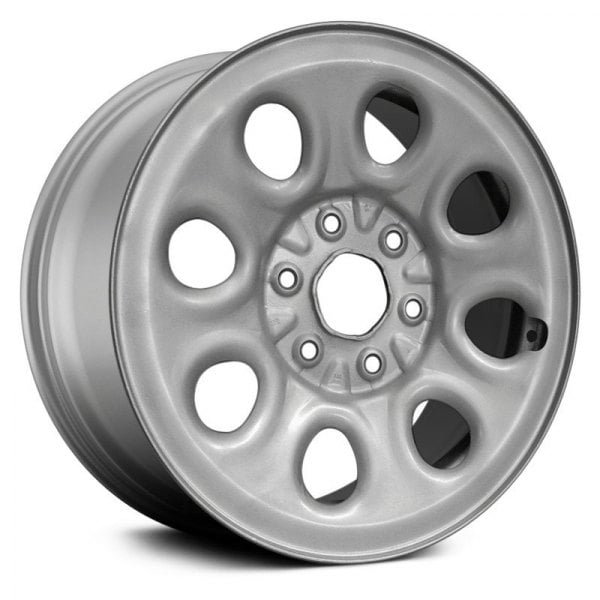
- Solid Wheels: Featuring a solid face with minimal openings, solid wheels offer a rugged and durable look, often preferred for off-road applications.
- Beadlock Wheels: Designed for extreme off-roading, beadlock wheels clamp the tire bead to the wheel, preventing the tire from debeading at low pressures.
-
Wheel Finishes:
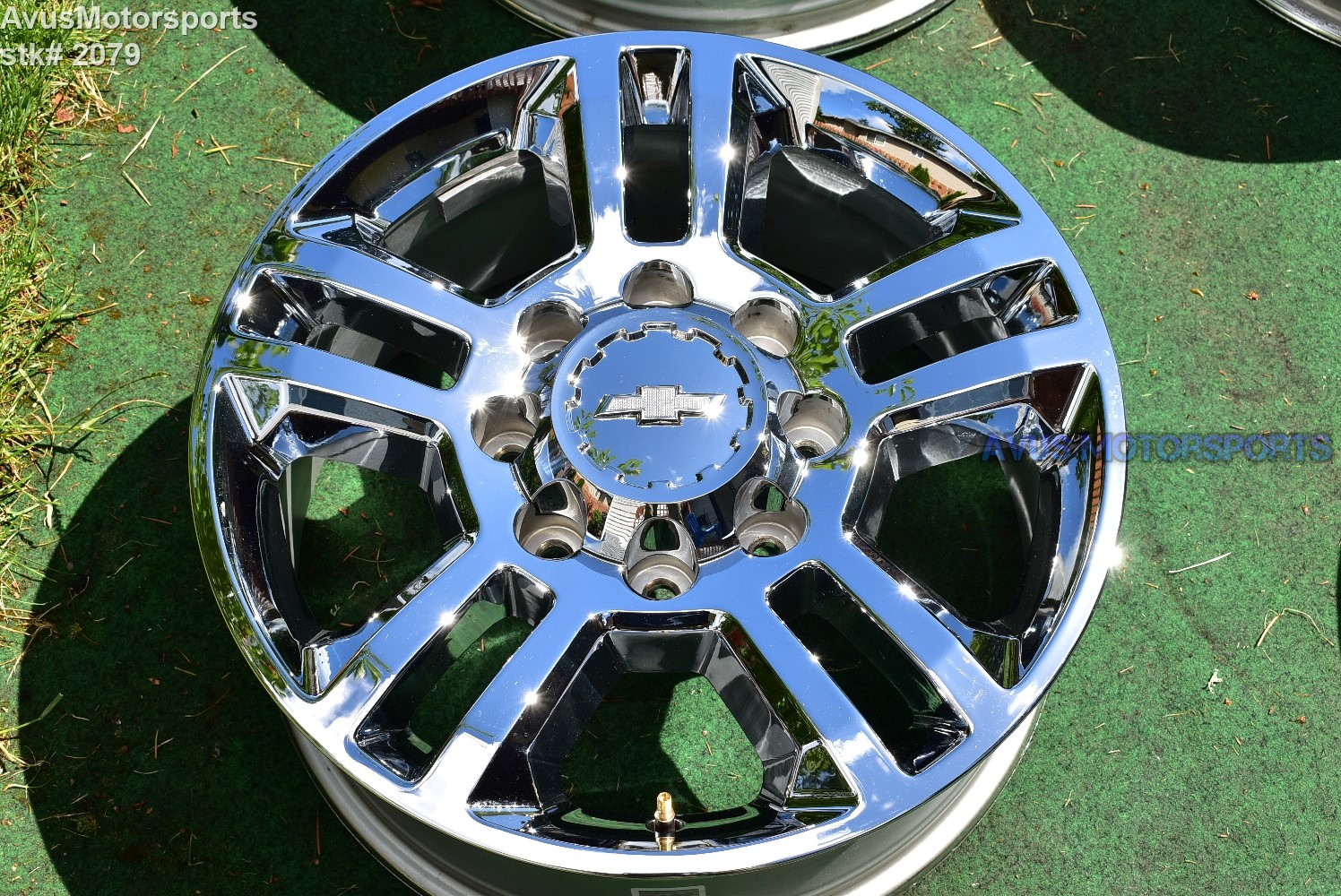
- Chrome: Provides a bright, reflective finish that is both stylish and durable.
- Black (Gloss, Matte, Satin): Offers a sleek and modern look that complements a wide range of vehicle colors.
- Machined: Features a combination of machined surfaces and painted areas, creating a unique and eye-catching appearance.
- Gunmetal/Anthracite: A dark gray finish that is both understated and sophisticated.
- Custom Colors: Many manufacturers offer custom color options, allowing you to create a truly unique set of wheels.
Consider your vehicle's overall aesthetic and intended use when choosing a style and finish. For example, chrome wheels might be a good choice for a street-oriented truck, while black wheels might be better suited for an off-road-focused vehicle.
Section 4: Installation: DIY vs. Professional
Installing 18-inch 6-lug Chevy wheels can be done DIY if you have the necessary tools and experience. However, professional installation is often recommended, especially if you are unfamiliar with the process.
DIY Installation Steps (Simplified):
- Gather Tools: Jack, lug wrench, torque wrench, wheel chocks, gloves, safety glasses.
- Loosen Lug Nuts: Loosen the lug nuts on the wheel you're removing before jacking up the vehicle.
- Jack Up Vehicle: Securely jack up the vehicle and place it on jack stands.
- Remove Wheel: Completely remove the lug nuts and carefully remove the old wheel.
- Install New Wheel: Align the new wheel with the hub and install the lug nuts hand-tight.
- Lower Vehicle: Lower the vehicle to the ground.
- Torque Lug Nuts: Using a torque wrench, tighten the lug nuts to the manufacturer's specified torque (consult your owner's manual or a reliable source). Tighten in a star pattern to ensure even pressure.
- Re-torque: After driving a short distance (50-100 miles), re-torque the lug nuts to ensure they remain properly tightened.
Professional Installation:
Professional installation ensures proper wheel balancing, torqueing of lug nuts, and overall safety. It also provides peace of mind knowing that the job is done correctly. A professional installer can also advise on tire sizing and potential fitment issues.
Section 5: Potential Challenges and Solutions
While upgrading to 18-inch 6-lug Chevy wheels is generally straightforward, some potential challenges may arise:
-
Rubbing: If the wheel offset or tire size is incorrect, the tires may rub against the fenders, suspension components, or brake calipers. Solution: Choose the correct offset and tire size. Consider rolling or trimming the fenders if necessary.
-
TPMS Compatibility: Tire Pressure Monitoring Systems (TPMS) sensors may need to be transferred from the old wheels to the new wheels or replaced with compatible sensors. Solution: Consult a tire professional about TPMS compatibility and programming.
-
Lug Nut Compatibility: The lug nuts from your stock wheels may not be compatible with your new wheels. Solution: Purchase lug nuts specifically designed for your new wheels.
-
Center Bore Issues: As mentioned earlier, an incorrect center bore can cause vibration or wheel imbalance. Solution: Use hub-centric rings to adapt the wheel's center bore to the vehicle's hub.
-
Ride Quality: Larger wheels with lower-profile tires can sometimes result in a harsher ride. Solution: Choose tires with a slightly taller sidewall to improve ride comfort. Consider upgrading your suspension to improve ride quality.
Section 6: Tips for Maintaining Your 18-Inch Wheels
Proper maintenance will keep your 18-inch 6-lug Chevy wheels looking their best and lasting longer:
- Regular Cleaning: Wash your wheels regularly with soap and water to remove dirt, brake dust, and road grime.
- Wheel Cleaner: Use a wheel cleaner specifically designed for your wheel's finish. Avoid harsh chemicals that can damage the finish.
- Waxing/Sealing: Apply a wax or sealant to protect the wheel finish from the elements.
- Inspect Regularly: Check your wheels for any signs of damage, such as cracks, bends, or corrosion.
- Proper Tire Inflation: Maintain proper tire inflation to ensure even tire wear and optimal performance.
Table: Price Guide for 6-Lug Chevy Wheels (18 inch)
| Wheel Brand/Type | Finish | Estimated Price (Per Wheel) | Notes |
|---|---|---|---|
| Method Race Wheels (MR305 NV) | Matte Black | $250 - $350 | Popular off-road choice, durable |
| Fuel Off-Road (D560 Vapor) | Black/Milled | $200 - $300 | Aggressive styling, good for lifted trucks |
| Pro Comp (Series 31) | Gloss Black | $150 - $250 | Budget-friendly, classic look |
| American Racing (AR924 Crossfire) | Satin Black | $180 - $280 | Stylish multi-spoke design |
| Black Rhino (Armory) | Gunblack | $280 - $380 | Heavy-duty, tactical appearance |
| OEM Replica | Chrome | $150 - $200 | Mimics factory wheel design |
Disclaimer: Prices are approximate and may vary depending on the retailer, location, and any ongoing sales.
Conclusion: Elevate Your Chevy with the Right Wheels
Upgrading to 18-inch 6-lug Chevy wheels is a fantastic way to enhance your vehicle's appearance, performance, and overall driving experience. By understanding the importance of compatibility, considering the various styles and finishes available, and taking the necessary steps for proper installation and maintenance, you can transform your Chevy into a true reflection of your personal style and driving needs. With the right wheels, you'll not only turn heads but also enjoy a smoother, more confident ride.
Frequently Asked Questions (FAQ)
-
Q: What is the standard 6-lug Chevy bolt pattern?
- A: The standard 6-lug Chevy bolt pattern is 6x5.5 (6x139.7mm).
-
Q: Can I put 20-inch wheels on my Chevy instead of 18-inch?
- A: Yes, you can, but you'll need to consider tire size and offset to avoid rubbing. Larger wheels may also affect ride quality and fuel economy.
-
Q: What is wheel offset and why is it important?
- A: Wheel offset is the distance between the wheel's mounting surface and its centerline. It's crucial for proper tire clearance, suspension geometry, and preventing rubbing.
-
Q: Do I need to buy new lug nuts when I get new wheels?
- A: Possibly. Your stock lug nuts may not be compatible with aftermarket wheels. Check with the wheel manufacturer or installer to ensure you have the correct lug nuts.
-
Q: How often should I clean my wheels?
- A: Ideally, clean your wheels every time you wash your vehicle, or at least every two weeks, to prevent brake dust and grime from damaging the finish.
-
Q: Where can I find reliable information about wheel fitment?
- A: Use online wheel fitment guides, consult with tire and wheel specialists, or check your vehicle's owner's manual.