The rumble of an 18-wheeler is a familiar sound on highways across the nation, a symbol of commerce and the lifeblood of our economy. But what happens when these behemoths reach the end of their road? They don't simply disappear. Instead, many find their way to a specialized, often overlooked, corner of the automotive industry: the 18 wheeler salvage yard. More than just junkyards, these facilities are treasure troves of valuable parts and materials, offering significant opportunities for truck owners, mechanics, businesses, and even individuals looking for affordable solutions. This guide will delve into the multifaceted world of 18 wheeler salvage yards, exploring their importance, the benefits they offer, how to navigate them successfully, and the challenges you might encounter.
What is an 18 Wheeler Salvage Yard?
The Undiscovered Goldmine: A Comprehensive Guide to 18 Wheeler Salvage Yards
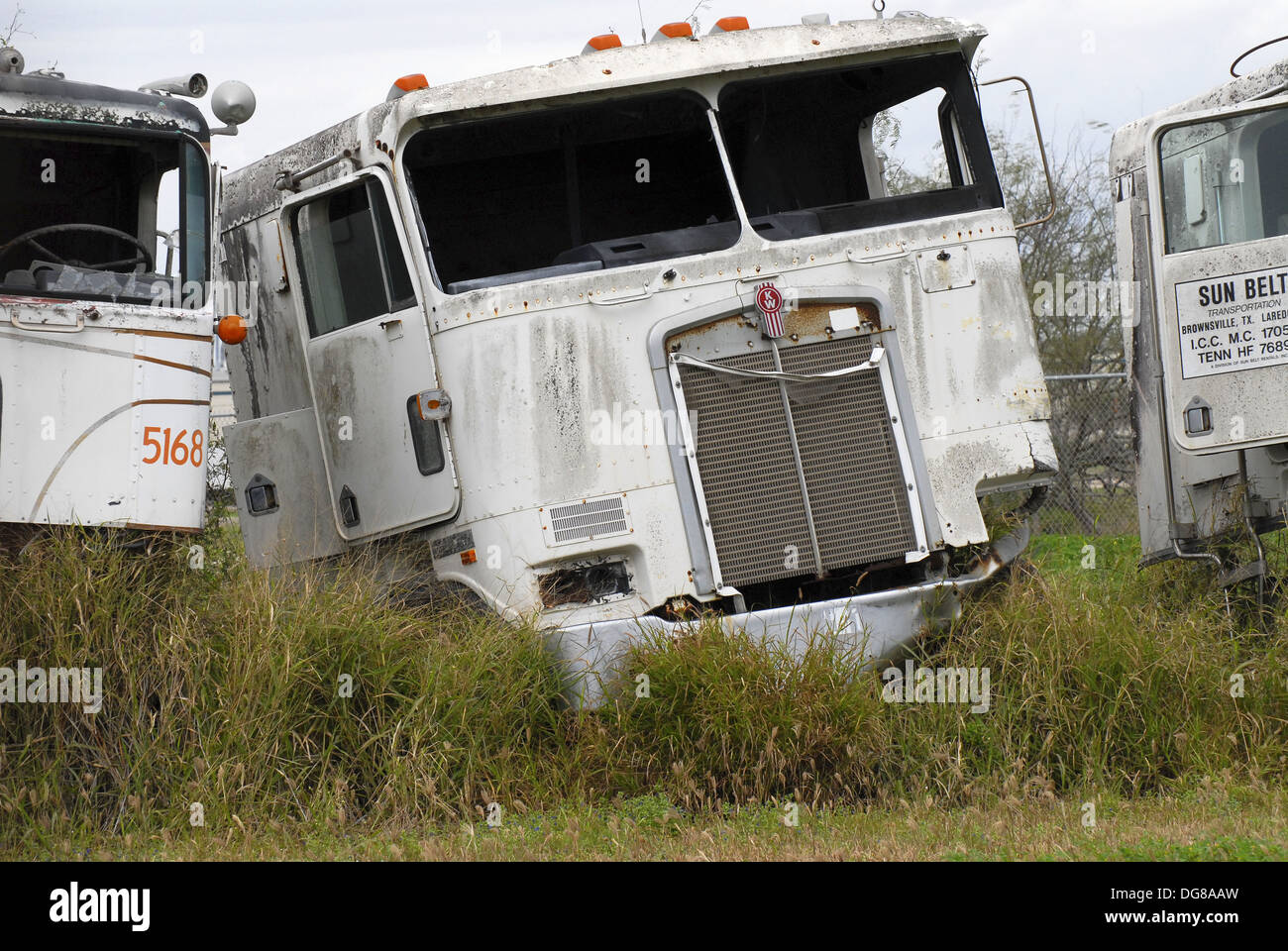
An 18 wheeler salvage yard, also known as a truck junkyard or truck dismantling facility, is a business that acquires wrecked, damaged, or end-of-life semi-trucks (18-wheelers, tractor-trailers). These yards dismantle the trucks, salvaging usable parts and components for resale. Unlike traditional car junkyards, 18 wheeler salvage yards require specialized equipment, knowledge, and space due to the size and complexity of the vehicles they handle. They are an essential part of the trucking industry, providing a cost-effective source of replacement parts, recycling valuable materials, and reducing the environmental impact of discarded trucks.
Why are 18 Wheeler Salvage Yards Important?
The importance of 18 wheeler salvage yards extends far beyond simply providing cheap parts. They play a vital role in:
- Cost Savings: New semi-truck parts can be incredibly expensive. Salvage yards offer a significantly cheaper alternative for truck owners needing to repair or maintain their vehicles.
- Reduced Downtime: Waiting for new parts to be manufactured and shipped can cause significant downtime for trucking companies. Salvage yards often have parts readily available, allowing for quicker repairs and getting trucks back on the road faster.
- Environmental Sustainability: Salvage yards contribute to recycling by recovering and reusing valuable materials from end-of-life trucks, reducing the need for new resource extraction and manufacturing. This minimizes the environmental impact of the trucking industry.
- Availability of Obsolete Parts: For older truck models, finding new replacement parts can be difficult or impossible. Salvage yards often hold a stock of obsolete parts that are no longer in production.
- Supporting Small Businesses: Salvage yards often serve as a vital resource for independent mechanics and smaller trucking companies that may not have the budget for new parts.

Navigating the 18 Wheeler Salvage Yard: A Step-by-Step Guide
Finding the right parts and making the most of your trip to an 18 wheeler salvage yard requires a strategic approach:
-
Identify Your Needs: Before even setting foot in a salvage yard, clearly identify the specific part(s) you need. Know the make, model, and year of your truck, as well as the part number (if possible). The more information you have, the easier it will be to find the right match.
-
Research and Contact Yards: Not all salvage yards are created equal. Some specialize in certain truck makes or types of parts. Use online directories, search engines, and industry contacts to find salvage yards in your area. Call ahead to inquire if they have the part(s) you're looking for and ask about their pricing and policies.
-
Inspect the Part Carefully: Never purchase a part without thoroughly inspecting it first. Look for signs of damage, wear and tear, corrosion, or previous repairs. Ask about the part's history, if available.
-
Test if Possible: If the part is electrical or mechanical, ask if you can test it before purchasing. This might involve connecting it to a power source or using a multimeter to check its functionality.
-
Negotiate the Price: Salvage yard prices are often negotiable. Don't be afraid to haggle, especially if you're buying multiple parts or if the part has some cosmetic damage.
-
Understand the Return Policy: Before making a purchase, clarify the salvage yard's return policy. What are the conditions for returns? How long do you have to return the part? Are there any restocking fees?
-
Bring the Right Tools: If you plan to remove the part yourself, bring the necessary tools, including wrenches, sockets, screwdrivers, and potentially a hammer and chisel. Wear appropriate safety gear, such as gloves and eye protection.
-
Document Everything: Keep records of your purchases, including receipts, part numbers, and any warranties or guarantees.
Key Considerations When Buying from an 18 Wheeler Salvage Yard:
- Part Condition: Understand that parts from salvage yards are used and may have some wear and tear. Manage your expectations and factor this into your decision.
- Warranty: Many salvage yards offer limited warranties on their parts. Inquire about the warranty terms and conditions before purchasing.
- Core Charges: Some parts, such as alternators and starters, may have a "core charge" added to the price. This charge is refunded when you return the old part (the "core") to the salvage yard.
- Safety: Salvage yards can be hazardous environments. Be aware of your surroundings, wear appropriate safety gear, and follow the yard's safety rules.
- Environmental Regulations: Be mindful of environmental regulations regarding the handling and disposal of hazardous materials, such as fluids and batteries.
Types of Parts Commonly Found in 18 Wheeler Salvage Yards:
Salvage yards offer a wide range of parts, including:
- Engines: Complete engines, engine blocks, cylinder heads, and individual engine components.
- Transmissions: Manual and automatic transmissions.
- Differentials: Complete differentials and differential components.
- Axles: Front and rear axles.
- Suspension Parts: Leaf springs, air bags, shocks, and struts.
- Brakes: Brake drums, brake rotors, brake calipers, and brake lines.
- Wheels and Tires: Rims and tires.
- Body Panels: Hoods, fenders, doors, and bumpers.
- Electrical Components: Starters, alternators, batteries, wiring harnesses, and lights.
- Interior Components: Seats, dashboards, and gauges.
- Fuel System Components: Fuel tanks, fuel pumps, and fuel injectors.
- Cooling System Components: Radiators, water pumps, and thermostats.
Tips for Success:
- Build Relationships: Develop relationships with salvage yard owners and employees. They can provide valuable insights and help you find the parts you need.
- Be Patient: Finding the right part at the right price can take time. Be patient and persistent in your search.
- Consider Online Resources: Utilize online marketplaces and forums to search for parts and connect with other truck owners and mechanics.
- Don't Be Afraid to Walk Away: If you're not comfortable with the price, condition, or warranty of a part, don't be afraid to walk away. There are other salvage yards out there.
Potential Challenges and Solutions:
- Finding Specific Parts: Solution: Contact multiple salvage yards and utilize online resources. Be patient and persistent.
- Assessing Part Condition: Solution: Thoroughly inspect the part, ask about its history, and test it if possible. Consider having a mechanic inspect the part before purchasing.
- Negotiating Prices: Solution: Research the market value of the part and be prepared to haggle. Offer a fair price based on the part's condition and availability.
- Transportation of Large Parts: Solution: Arrange for transportation of large parts in advance. Some salvage yards may offer delivery services.
- Dealing with Core Charges: Solution: Understand the core charge policy and return the old part promptly to receive your refund.
Price Table
| Part | Condition | Average Price Range | Notes |
|---|---|---|---|
| Engine (Complete) | Used | $2,000 - $8,000 | Price varies based on mileage, model, and condition. |
| Transmission | Used | $1,000 - $4,000 | Manual or Automatic. Inspection is crucial. |
| Differential | Used | $500 - $2,000 | Check gear ratio and condition of gears. |
| Axle | Used | $300 - $1,500 | Inspect for bends or cracks. |
| Suspension (Leaf Spring) | Used | $100 - $300 | Check for cracks or breaks. |
| Brake Drum | Used | $50 - $150 | Measure thickness to ensure it meets minimum standards. |
| Wheel (Rim) | Used | $75 - $250 | Inspect for dents and cracks. |
| Body Panel (Door) | Used | $200 - $500 | Check for rust and damage. |
| Starter | Used | $100 - $300 | Core charge may apply. |
| Alternator | Used | $150 - $400 | Core charge may apply. |
| Fuel Tank | Used | $200 - $600 | Inspect for leaks and rust. |
| Radiator | Used | $150 - $500 | Pressure test if possible. |
Frequently Asked Questions (FAQ)
-
Q: Are parts from salvage yards reliable?
- A: Reliability depends on the part's condition and how well it was maintained before being salvaged. Thorough inspection is crucial.
-
Q: Can I negotiate prices at a salvage yard?
- A: Yes, prices are often negotiable. Be prepared to haggle and offer a fair price based on the part's condition.
-
Q: What is a core charge?
- A: A core charge is a deposit you pay on certain parts (e.g., starters, alternators) that is refunded when you return the old part to the salvage yard.
-
Q: Do salvage yards offer warranties?
- A: Some salvage yards offer limited warranties on their parts. Inquire about the warranty terms and conditions before purchasing.
-
Q: Is it safe to visit a salvage yard?
- A: Salvage yards can be hazardous environments. Wear appropriate safety gear, be aware of your surroundings, and follow the yard's safety rules.
-
Q: Can I find parts for older truck models at a salvage yard?
- A: Yes, salvage yards often hold a stock of obsolete parts that are no longer in production.
Conclusion:
18 wheeler salvage yards are an invaluable resource for the trucking industry, offering a cost-effective and sustainable solution for obtaining replacement parts. By understanding the benefits, navigating the yards strategically, and being aware of the potential challenges, you can unlock the hidden potential of these often-overlooked facilities. The next time you need a part for your 18-wheeler, consider the salvage yard – you might just find the treasure you're looking for and save a significant amount of money in the process. Remember, one truck's end is another's new beginning, and salvage yards are the bridge between them.