Imagine a scenario: a car spun out on an icy road, blocking a lane of traffic. Or perhaps a vehicle has broken down in a busy intersection, creating a hazard for other drivers. In situations like these, speed and safety are paramount. That's where the tow truck push bumper comes into play. This seemingly simple piece of equipment is a vital tool for tow truck operators, allowing them to quickly and safely relocate vehicles without causing further damage or risk. This comprehensive guide will delve into the world of tow truck push bumpers, exploring their purpose, benefits, types, and everything else you need to know to understand their importance in the towing industry.
What is a Tow Truck Push Bumper?
Tow Truck Push Bumper: Your Comprehensive Guide to Safe and Efficient Vehicle Relocation
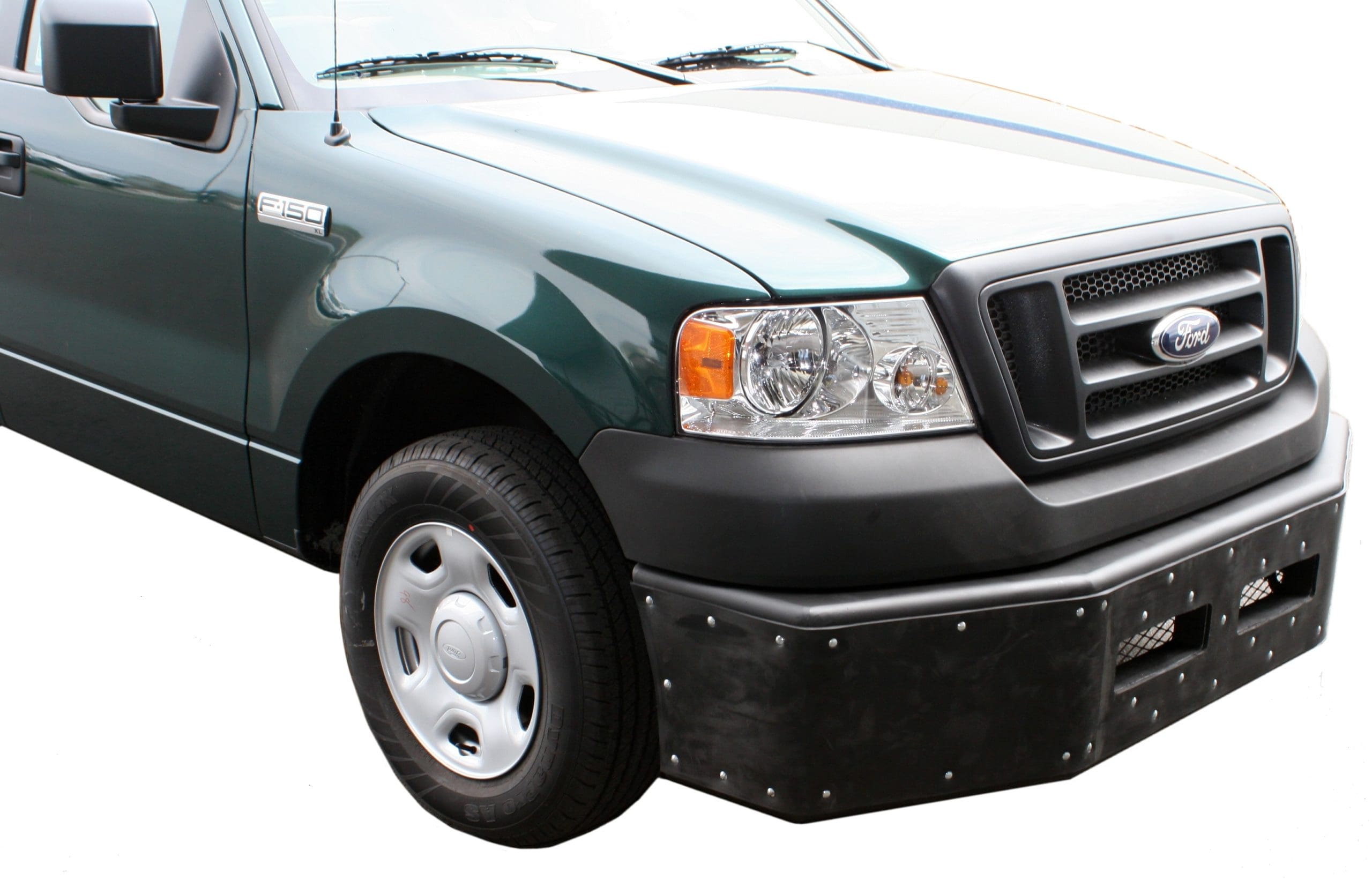
A tow truck push bumper, also known as a "bull bar" or "nudge bar" (though these terms can also refer to different types of front-end protection), is a reinforced steel structure mounted to the front of a tow truck. Its primary function is to allow the tow truck operator to gently and safely push disabled or immobile vehicles out of harm's way or into a more accessible position for towing. Unlike traditional towing methods that require hooking up chains or straps, the push bumper provides a direct, controlled force, minimizing the risk of further damage to the vehicle being moved.
Why are Tow Truck Push Bumpers Important?
The importance of tow truck push bumpers stems from their ability to enhance safety and efficiency in critical situations. Here's a breakdown of their key benefits:
- Enhanced Safety: The primary benefit is improved safety for both the tow truck operator and the public. By quickly moving disabled vehicles from hazardous locations, push bumpers reduce the risk of secondary accidents, especially in high-traffic areas. They also minimize the need for tow truck operators to work in dangerous roadside conditions for extended periods.
- Reduced Vehicle Damage: Traditional towing methods, especially in challenging situations, can sometimes result in scratches, dents, or other damage to the vehicle being towed. Push bumpers allow for a more controlled and gentle relocation, minimizing the potential for further damage.
- Increased Efficiency: In situations where a vehicle only needs to be moved a short distance, a push bumper is significantly faster than setting up a full tow. This speed is crucial in clearing roadways quickly and minimizing traffic congestion.
- Versatility: Push bumpers are not just for emergencies. They can also be used to maneuver vehicles in tight spaces, such as parking garages or accident scenes where maneuvering is difficult.
- Protection for the Tow Truck: The push bumper also provides a layer of protection for the tow truck itself, shielding the front end from minor impacts during maneuvering.

Types of Tow Truck Push Bumpers
While the fundamental purpose remains the same, tow truck push bumpers come in various designs and materials to suit different tow truck models and operational needs. Here are some common types:
- Standard Push Bumpers: These are the most common type, typically made of heavy-duty steel tubing or plate. They provide a solid and reliable pushing surface.
- Adjustable Push Bumpers: These bumpers feature adjustable arms or pads that can be raised or lowered to accommodate vehicles of different heights. This adjustability helps to ensure proper contact and prevent damage.
- Wrap-Around Push Bumpers: These bumpers extend around the front of the tow truck, providing additional protection for the headlights and grille.
- Integrated Winch Mount Push Bumpers: Some push bumpers incorporate a winch mount, allowing the tow truck operator to use a winch for pulling vehicles out of ditches or other difficult situations.
- Rubber-Faced Push Bumpers: These bumpers have a rubber coating on the pushing surface to further minimize the risk of scratching or denting the vehicle being moved.
- Aluminum Push Bumpers: Lighter than steel, aluminum push bumpers offer corrosion resistance and reduce the overall weight of the tow truck. However, they may not be as strong as steel versions.
Choosing the Right Push Bumper: Important Considerations
Selecting the right push bumper for your tow truck is crucial for ensuring safety, efficiency, and long-term reliability. Consider the following factors:
- Tow Truck Model: Ensure the push bumper is compatible with your tow truck's make and model. Check for proper mounting points and clearance.
- Weight Capacity: The push bumper should be rated to handle the weight of the vehicles you typically move.
- Material: Steel is generally the strongest and most durable option, but aluminum may be suitable for lighter-duty applications.
- Adjustability: If you frequently work with vehicles of varying heights, an adjustable push bumper is a valuable investment.
- Protection: Consider the level of protection the bumper provides for the tow truck's front end.
- Certifications: Look for push bumpers that meet relevant safety standards and certifications.
- Ease of Installation: Choose a bumper that is relatively easy to install, or factor in the cost of professional installation.
- Warranty: A good warranty can provide peace of mind and protect your investment.
How to Use a Tow Truck Push Bumper Safely and Effectively
Using a tow truck push bumper effectively requires skill, experience, and a commitment to safety. Here are some tips:
- Assess the Situation: Before attempting to push a vehicle, carefully assess the situation. Identify any potential hazards, such as obstacles, other vehicles, or pedestrians.
- Communicate Clearly: Use hand signals or verbal communication to coordinate with any other personnel involved in the operation.
- Position the Tow Truck Carefully: Position the tow truck so that the push bumper makes direct contact with the vehicle's bumper. Avoid pushing on any other part of the vehicle, such as the headlights, grille, or fenders.
- Apply Gentle Pressure: Start with gentle pressure and gradually increase it as needed. Avoid sudden or jerky movements.
- Maintain Control: Keep the vehicle moving in a straight line and avoid pushing it too far or too fast.
- Monitor the Vehicle: Continuously monitor the vehicle for any signs of damage or instability.
- Be Aware of the Surroundings: Pay close attention to your surroundings and be prepared to stop immediately if necessary.
- Proper Training: All tow truck operators should receive comprehensive training on the proper use of push bumpers.
Potential Challenges and Solutions
While tow truck push bumpers offer numerous benefits, they also present some potential challenges:
- Vehicle Damage: Improper use can still result in vehicle damage. Solution: Use caution, apply gentle pressure, and ensure proper contact with the vehicle's bumper.
- Slippery Surfaces: Pushing vehicles on icy or snowy surfaces can be difficult. Solution: Use chains or other traction devices on the tow truck's tires.
- Limited Maneuverability: Push bumpers are not suitable for all situations. Solution: Use traditional towing methods for complex or challenging recoveries.
- Maintenance: Push bumpers require regular maintenance to ensure they are in good working condition. Solution: Inspect the bumper regularly for damage or wear and tear, and repair or replace any damaged components.
Table Price: Tow Truck Push Bumper
| Feature | Price (USD) | Material | Adjustment | Winch Mount | Vehicle Compatibility |
|---|---|---|---|---|---|
| Basic Push Bumper | $300 - $600 | Steel | No | No | Universal Fit |
| Adjustable Push Bumper | $500 - $800 | Steel | Yes | No | Most Trucks |
| Wrap-Around Push Bumper | $600 - $900 | Steel | No | No | Specific Models |
| Integrated Winch Mount | $800 - $1200 | Steel | No | Yes | Specific Models |
| Rubber-Faced Push Bumper | $400 - $700 | Steel | No | No | Universal Fit |
| Aluminum Push Bumper | $500 - $900 | Aluminum | No | No | Universal Fit |
| Installation | $100 - $300 | N/A | N/A | N/A | N/A |
Frequently Asked Questions (FAQ)
-
Q: Is it legal to use a push bumper to move a disabled vehicle?
A: Yes, in most jurisdictions, it is legal to use a push bumper to move a disabled vehicle, provided it is done safely and in accordance with local laws and regulations. However, it's always best to check with local authorities to confirm specific requirements.
-
Q: Can a push bumper damage my vehicle's bumper?
A: If used improperly, a push bumper can potentially damage a vehicle's bumper. However, using gentle pressure and ensuring proper contact can minimize the risk of damage.
-
Q: How often should I inspect my push bumper?
A: You should inspect your push bumper regularly, at least once a month, for any signs of damage or wear and tear.
-
Q: Can I install a push bumper myself?
A: While it is possible to install a push bumper yourself, it is recommended to have it professionally installed to ensure it is properly mounted and secure.
-
Q: Where can I buy a tow truck push bumper?
A: You can purchase tow truck push bumpers from various sources, including tow truck equipment suppliers, online retailers, and aftermarket automotive parts stores.
Conclusion
The tow truck push bumper is an indispensable tool for modern towing operations. Its ability to quickly and safely relocate vehicles from hazardous situations is paramount for minimizing accidents and traffic congestion. By understanding the different types of push bumpers available, considering the factors that influence your choice, and adhering to safe operating practices, you can maximize the benefits of this valuable piece of equipment. Remember, safety should always be the top priority when using a tow truck push bumper. With proper training and careful execution, you can ensure a safer and more efficient working environment for yourself and the public. The investment in a quality push bumper and the time spent learning to use it correctly is an investment in safety, efficiency, and the overall professionalism of your towing service.