The Jeep Cherokee XJ, particularly those equipped with the legendary 4.0-liter inline-six engine, holds a special place in the hearts of off-road enthusiasts and daily drivers alike. Renowned for its robust reliability and torquey nature, the 4.0 has proven itself a capable workhorse. However, there comes a time when even the most dependable engine could use a little extra oomph. This is where the magic of a turbocharger comes in. Installing a turbo kit on your Jeep Cherokee 4.0 can dramatically enhance its performance, transforming it from a trail-conquering companion to a genuine powerhouse. This comprehensive guide will delve into the world of turbo kits for the Jeep Cherokee 4.0, covering everything from benefits and considerations to installation tips and potential challenges.
Why Turbocharge Your Cherokee 4.0? The Allure of Forced Induction
Unleash the Beast: A Comprehensive Guide to Turbocharging Your Jeep Cherokee 4.0
Before diving into the specifics of turbo kits, let's understand why forced induction is so appealing. The 4.0-liter engine, while robust, can feel somewhat lacking in power, especially when loaded down with gear, larger tires, or climbing steep inclines. A turbocharger addresses this by forcing more air into the engine's cylinders. More air means more fuel can be burned, resulting in a significant increase in horsepower and torque.
Here's a breakdown of the key benefits:
- Increased Horsepower and Torque: The most obvious benefit is the substantial power boost. A properly installed and tuned turbo kit can easily increase horsepower by 50-100%, transforming the driving experience.
- Improved Towing Capacity: The increased torque makes towing trailers and other heavy loads significantly easier.
- Enhanced Off-Road Performance: The extra power is particularly beneficial off-road, allowing you to conquer challenging terrain with greater ease and confidence.
- Improved Fuel Efficiency (Potentially): While often overlooked, a turbocharger can improve fuel efficiency in certain driving conditions. By providing more power at lower RPMs, you may not need to work the engine as hard, leading to fuel savings. However, aggressive driving with the turbo will definitely negate any potential fuel efficiency gains.
- Just Plain Fun! Let's be honest, the sound of a turbo spooling up is intoxicating, and the added performance makes driving your Cherokee an absolute blast.

Exploring Turbo Kit Components: What's Included?
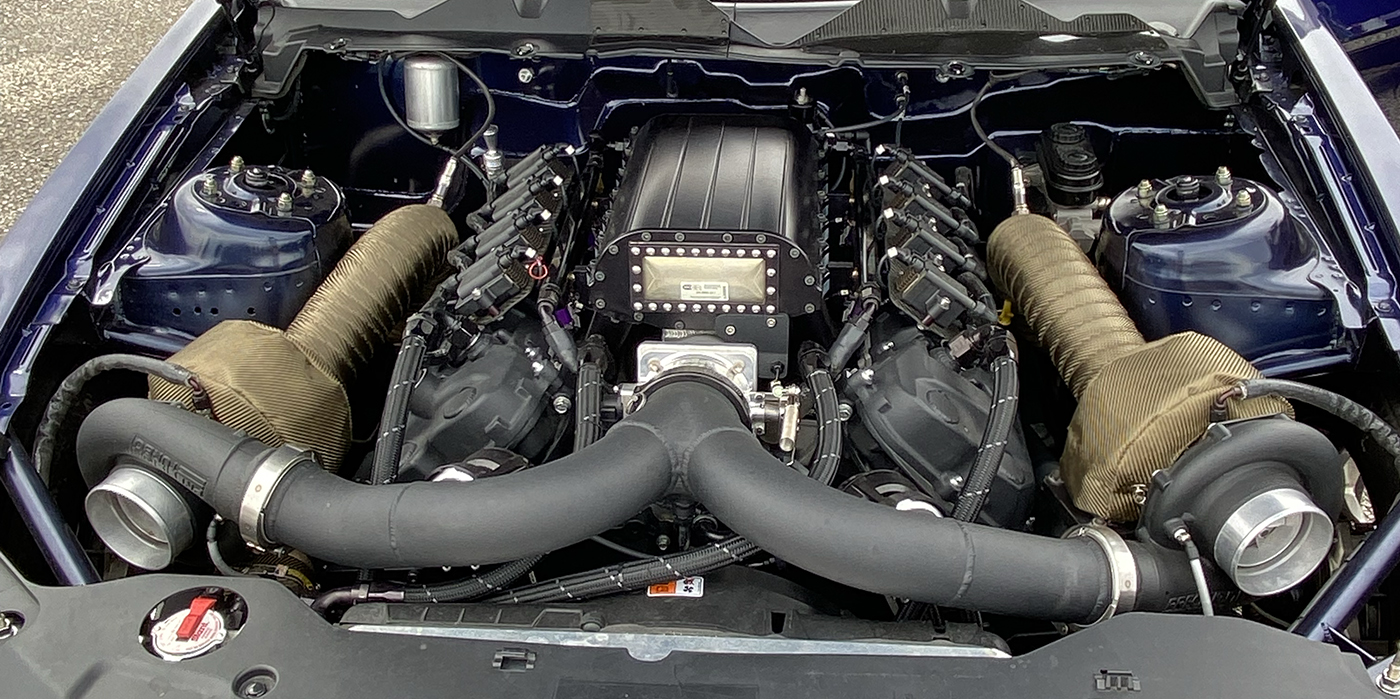
A complete turbo kit for your Jeep Cherokee 4.0 will typically include the following components:
- Turbocharger: The heart of the system. The turbocharger uses exhaust gases to spin a turbine, which in turn compresses intake air.
- Exhaust Manifold: A custom exhaust manifold designed to route exhaust gases to the turbocharger. Some kits may utilize a modified stock manifold, but a dedicated turbo manifold is generally preferred for optimal performance.
- Downpipe: Connects the turbocharger outlet to the exhaust system.
- Intercooler: Cools the compressed air from the turbocharger before it enters the engine. Cooler air is denser and contains more oxygen, resulting in even greater power gains.
- Intercooler Piping: Connects the turbocharger to the intercooler and the intercooler to the throttle body.
- Blow-Off Valve (BOV) or Diverter Valve: Releases excess pressure when the throttle is closed, preventing compressor surge and potential damage to the turbocharger.
- Wastegate: Regulates the amount of exhaust gas that flows through the turbocharger, controlling boost pressure.
- Fuel Injectors: Larger fuel injectors are often required to provide the additional fuel needed to support the increased airflow.
- Fuel Pump: A higher-flowing fuel pump may be necessary to supply the larger injectors with adequate fuel pressure.
- Engine Management System (EMS) / Piggyback Controller: Crucial for tuning the engine to run properly with the turbocharger. This can range from a simple piggyback controller to a fully programmable standalone EMS.
- Boost Gauge: Monitors the amount of boost pressure being generated by the turbocharger.
- Vacuum Lines and Fittings: Necessary for connecting various components of the turbo system.
- Oil Lines and Fittings: Supplies oil to lubricate and cool the turbocharger.
- Hardware (Bolts, Clamps, etc.): All the necessary hardware for installation.

Choosing the Right Turbo Kit: Matching Your Needs and Budget
Selecting the right turbo kit for your Cherokee 4.0 requires careful consideration of your budget, performance goals, and intended use. Here are some key factors to consider:
- Boost Level: How much boost do you want to run? Lower boost levels (5-8 PSI) are generally safer for stock engines and require less extensive modifications. Higher boost levels (10+ PSI) can deliver significantly more power, but require stronger engine internals and more sophisticated tuning.
- Turbocharger Size: Larger turbochargers can produce more power at higher RPMs, but may suffer from turbo lag (a delay in power delivery at lower RPMs). Smaller turbochargers spool up faster, providing better low-end torque, but may not be able to deliver as much peak horsepower.
- Intercooler Type: Air-to-air intercoolers are the most common type and are generally sufficient for most applications. Water-to-air intercoolers offer superior cooling performance, but are more complex and expensive.
- Fuel Management System: The fuel management system is arguably the most critical component of the turbo kit. A properly tuned system is essential for ensuring safe and reliable performance.
- Kit Completeness: Some kits are more complete than others. A complete kit will include everything you need for installation, while others may require you to purchase additional components separately.
- Reputation and Support: Choose a kit from a reputable manufacturer with a good track record and excellent customer support.
Installation: A Step-by-Step Overview (Professional Installation Recommended)
Installing a turbo kit is a complex and time-consuming process that should only be attempted by experienced mechanics. While a detailed step-by-step guide is beyond the scope of this article, here's a general overview of the installation process:
- Preparation: Gather all the necessary tools, parts, and equipment. Disconnect the battery and drain the coolant and oil.
- Exhaust Manifold Removal: Remove the stock exhaust manifold.
- Turbo Manifold Installation: Install the turbo manifold.
- Turbocharger Installation: Install the turbocharger onto the manifold.
- Downpipe Installation: Install the downpipe.
- Intercooler Installation: Install the intercooler and intercooler piping.
- Fuel Injector Installation: Replace the stock fuel injectors with larger injectors.
- Fuel Pump Installation: Replace the stock fuel pump with a higher-flowing pump (if necessary).
- Oil and Water Line Installation: Connect the oil and water lines to the turbocharger.
- Blow-Off Valve/Diverter Valve Installation: Install the blow-off valve or diverter valve.
- Wastegate Installation: Install the wastegate.
- Engine Management System Installation: Install and configure the engine management system.
- Vacuum Line and Boost Gauge Installation: Install all vacuum lines and the boost gauge.
- Final Checks: Double-check all connections and ensure everything is properly tightened.
- Refill Fluids: Refill the coolant and oil.
- Start-Up and Tuning: Start the engine and allow it to warm up. Fine-tune the engine management system to ensure proper operation.
Important Considerations and Potential Challenges
Turbocharging your Cherokee 4.0 is not without its challenges. Here are some important considerations to keep in mind:
- Engine Condition: The engine must be in good condition before installing a turbo kit. A worn-out engine may not be able to handle the increased stress.
- Fuel System Upgrades: Upgrading the fuel injectors and fuel pump is often necessary to provide the additional fuel needed to support the increased airflow.
- Engine Management System: A properly tuned engine management system is crucial for safe and reliable performance.
- Cooling System: The increased power output can generate more heat, so upgrading the cooling system may be necessary.
- Transmission: The stock transmission may not be able to handle the increased torque, so upgrading the transmission or installing a transmission cooler may be necessary.
- Drivetrain: The increased power can also put more stress on the drivetrain, so upgrading the axles and other components may be necessary.
- Tuning: Professional tuning is essential to ensure the engine runs safely and efficiently.
- Cost: Turbo kits can be expensive, and the cost can quickly escalate if you need to upgrade other components.
- Legality: Check local laws and regulations regarding turbocharging.
Table Price
| Component | Estimated Price Range | Notes |
|---|---|---|
| Turbo Kit (Complete) | $2,500 - $6,000+ | Includes turbocharger, manifold, downpipe, intercooler, piping, wastegate, BOV, and necessary hardware. |
| Fuel Injectors (Upgraded) | $200 - $500 | Required for increased fuel demand. |
| Fuel Pump (Upgraded) | $150 - $300 | Ensures adequate fuel supply. |
| Engine Management System (EMS) | $500 - $1,500+ | Piggyback or standalone system for tuning. Crucial for safe operation. |
| Boost Gauge | $50 - $200 | Monitors boost pressure. |
| Installation (Professional) | $1,000 - $3,000+ | Varies depending on complexity and shop rates. Highly recommended for proper installation and tuning. |
| Upgraded Cooling System | $200 - $800 | Radiator, fans, etc., to manage increased heat. |
| Transmission Upgrades | $500 - $2,000+ | Strengthening or replacing the transmission to handle increased torque. |
| Drivetrain Upgrades | $500 - $2,000+ | Axles, driveshafts, etc., to handle increased power. |
| Total Estimated Cost | $5,600 - $18,800+ | This is a very rough estimate. Actual costs can vary significantly depending on the specific components chosen and labor rates. |
Frequently Asked Questions (FAQ)
- Is it worth turbocharging my Jeep Cherokee 4.0? If you're looking for a significant performance boost and are willing to invest the time and money, then yes. However, it's important to weigh the costs and benefits carefully.
- Can I install a turbo kit myself? If you're an experienced mechanic with the necessary tools and knowledge, then yes. However, professional installation is highly recommended.
- What is the ideal boost pressure for a stock 4.0 engine? 5-8 PSI is generally considered safe for a stock engine.
- Will turbocharging my engine decrease its lifespan? If done correctly with proper tuning and maintenance, turbocharging shouldn't significantly decrease engine lifespan. However, running excessive boost or neglecting maintenance can shorten engine life.
- What are the maintenance requirements for a turbocharged engine? Regular oil changes, proper cooling system maintenance, and periodic inspection of the turbocharger are essential.
Conclusion: The Turbocharged Cherokee - A Force to Be Reckoned With
Turbocharging your Jeep Cherokee 4.0 can transform it into a truly impressive machine. The added power and torque can dramatically improve its on-road performance and off-road capabilities. However, it's essential to approach this project with careful planning, realistic expectations, and a willingness to invest the necessary time and money. When done correctly, a turbo kit can unlock the true potential of your Cherokee 4.0, creating a vehicle that is both powerful and fun to drive. But remember, safety and reliability should always be the top priorities. Consulting with experienced mechanics and tuners is crucial for ensuring a successful and enjoyable turbocharging experience. The reward? A Jeep Cherokee that truly unleashes the beast within.