The Jeep 4.0L inline-six engine is legendary. Known for its reliability and torque, it's powered countless Wranglers, Cherokees, and Grand Cherokees across trails and highways for decades. However, even a legend can benefit from a little boost. Enter the turbocharger. Installing a turbo kit on your 4.0L Jeep can dramatically increase horsepower and torque, transforming your off-road machine into a true powerhouse. This comprehensive guide will walk you through everything you need to know about turbo kits for your 4.0L Jeep, from understanding the benefits and components to installation considerations and potential challenges.
Why Turbocharge Your 4.0L Jeep?
Unleash the Beast: A Comprehensive Guide to Turbocharging Your 4.0L Jeep
While the 4.0L is a capable engine, it can feel sluggish, especially with larger tires or when tackling challenging terrain. Turbocharging offers several key advantages:
- Increased Horsepower and Torque: The primary benefit. Expect a significant power increase, often 50% or more, depending on the kit and boost level.
- Improved Off-Road Performance: The added torque helps overcome obstacles and maintain momentum on steep inclines.
- Enhanced On-Road Drivability: Makes merging onto highways and passing easier, transforming the driving experience.
- Potential Fuel Efficiency Gains: While often overlooked, a properly tuned turbo system can improve fuel efficiency at cruising speeds due to increased engine efficiency. This is especially true compared to naturally aspirated engines working harder to maintain the same speed.
- Unleash the Potential: Many believe the 4.0L engine is inherently capable of much more power than its factory output. Turbocharging unlocks this potential.
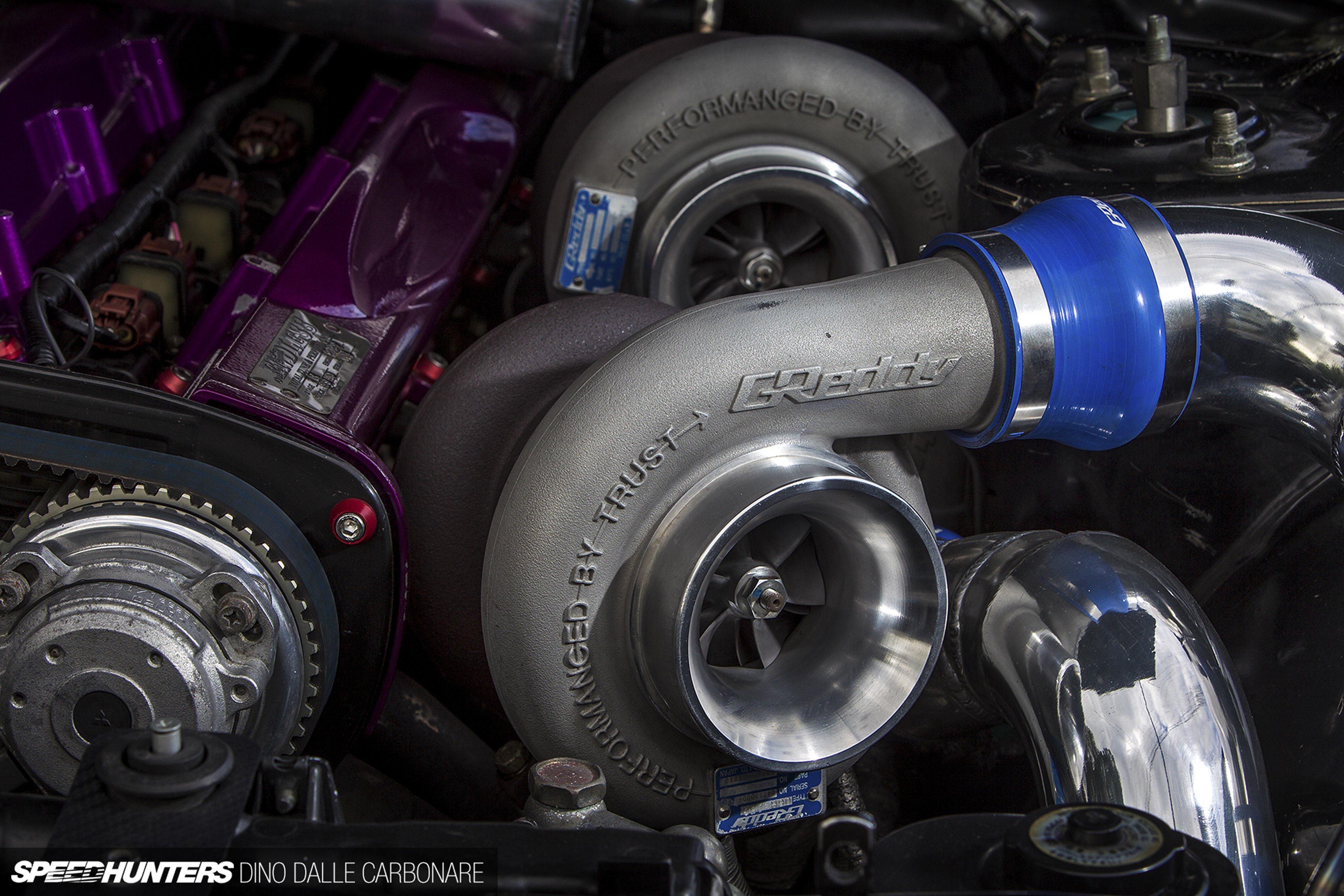
Understanding the Components of a 4.0L Jeep Turbo Kit
A complete turbo kit for your 4.0L Jeep typically includes the following components:
- Turbocharger: The heart of the system, forcing more air into the engine's cylinders.
- Exhaust Manifold (or Header): Replaces the factory exhaust manifold to direct exhaust gases to the turbocharger.
- Downpipe: Connects the turbocharger outlet to the existing exhaust system.
- Intercooler: Cools the compressed air from the turbocharger, increasing its density and improving performance.
- Intercooler Piping: Connects the turbocharger to the intercooler and the intercooler to the throttle body.
- Blow-Off Valve (BOV) or Diverter Valve: Releases excess pressure when the throttle is closed, preventing compressor surge.
- Wastegate: Regulates the amount of exhaust gas bypassing the turbine, controlling boost pressure.
- Fuel Injectors: Larger injectors are often needed to provide the additional fuel required by the increased air volume.
- Fuel Pump: A higher-flowing fuel pump may be necessary to supply the larger injectors.
- Engine Management System (EMS) or Piggyback Controller: Crucial for managing the increased airflow and fuel delivery. This can range from a simple piggyback controller to a full standalone EMS.
- Oil Lines and Fittings: Supplies oil to the turbocharger for lubrication and cooling.
- Coolant Lines and Fittings (if water-cooled turbo): Supplies coolant to the turbocharger for cooling.
- Boost Gauge: Monitors the turbocharger's boost pressure.
- Various Hoses, Clamps, and Hardware: For connecting all the components.
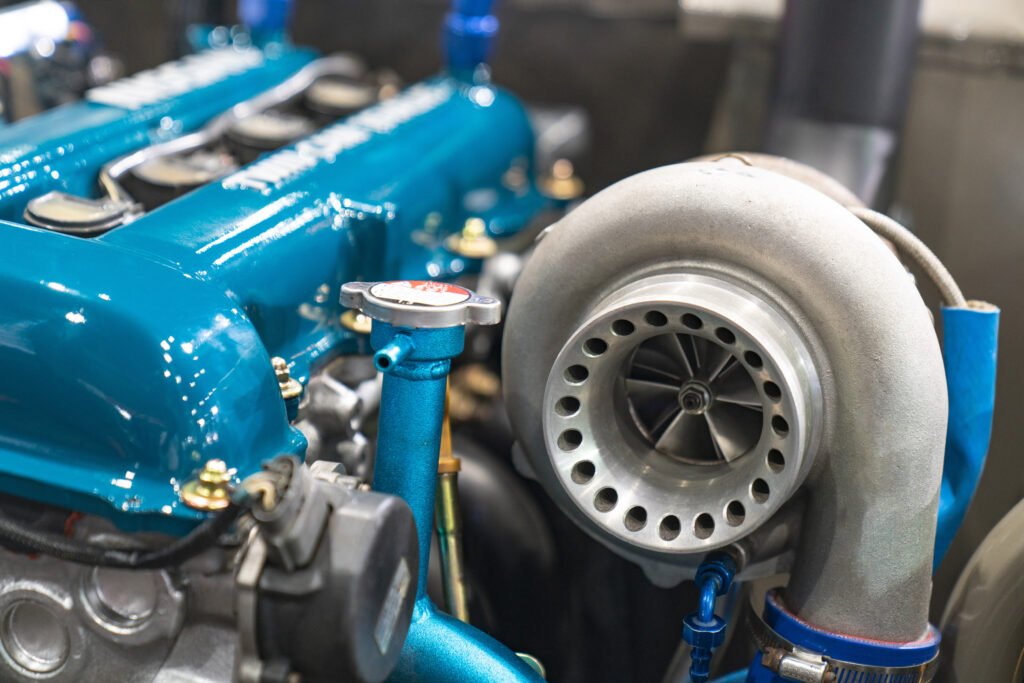
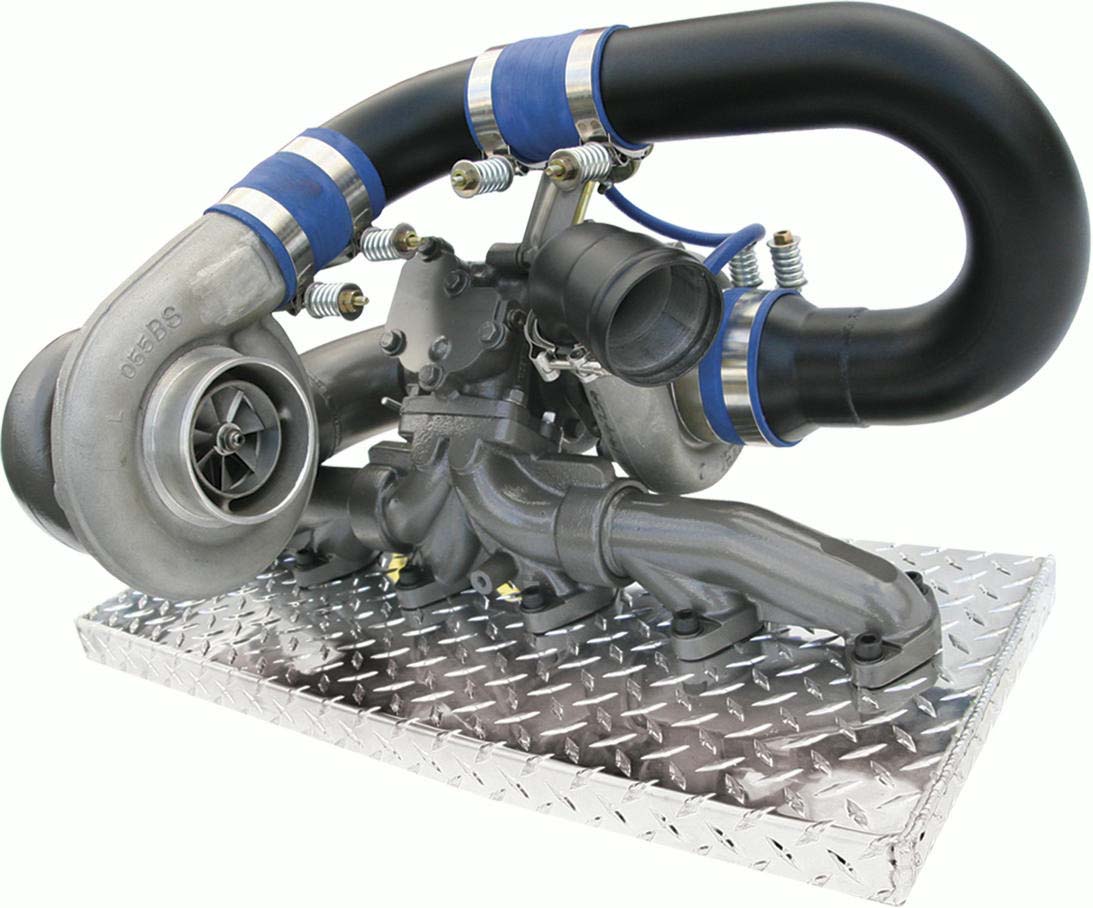
Types of 4.0L Jeep Turbo Kits
Turbo kits for the 4.0L Jeep generally fall into a few categories:
- Complete Kits: These kits include all the necessary components for a relatively straightforward installation. They are generally the easiest option for those new to turbocharging.
- "Hot Side" Kits: These kits include the turbocharger, exhaust manifold, downpipe, and wastegate. You'll need to source the intercooler, piping, fuel system upgrades, and engine management separately. These offer more customization but require more technical knowledge.
- Custom Kits: Involve sourcing all the components individually and fabricating custom parts as needed. This is the most complex and time-consuming option but allows for complete control over the build.
How to Choose the Right Turbo Kit
Selecting the right turbo kit for your 4.0L Jeep depends on your goals, budget, and technical expertise. Consider the following factors:
- Power Goals: How much horsepower and torque are you aiming for?
- Intended Use: Will the Jeep primarily be used for off-roading, daily driving, or both?
- Budget: Turbo kits can range in price from a few thousand dollars to upwards of ten thousand, depending on the quality and complexity.
- Installation Skills: Are you comfortable installing the kit yourself, or will you need professional assistance?
- Engine Management: The EMS is arguably the most important component. Research the options and choose one that is known to work well with the 4.0L engine.
- Kit Reputation: Read reviews and research the manufacturer's reputation.
- Compatibility: Ensure the kit is compatible with your specific Jeep model and year.
Installation Considerations and Tips
Installing a turbo kit on your 4.0L Jeep is a complex undertaking that requires mechanical skills, patience, and attention to detail. Here are some important considerations and tips:
- Research and Planning: Thoroughly research the kit you choose and create a detailed plan before starting.
- Gather the Necessary Tools: Ensure you have all the tools required for the installation, including a good set of wrenches, sockets, a torque wrench, and specialized tools like a fuel pressure gauge.
- Follow the Instructions Carefully: Adhere to the manufacturer's instructions meticulously.
- Proper Tuning is Crucial: Do not skip the tuning process. A poorly tuned turbo system can damage your engine.
- Address Supporting Systems: Ensure your cooling system, fuel system, and drivetrain are up to the task of handling the increased power.
- Consider Professional Installation: If you are not comfortable with the installation process, consider hiring a qualified mechanic.
- Break-In Period: Follow the manufacturer's recommendations for a break-in period after installation.
- Monitor Engine Health: Keep a close eye on engine parameters like oil pressure, coolant temperature, and air/fuel ratio after installation.
Potential Challenges and Solutions
Turbocharging a 4.0L Jeep can present several challenges:
- Engine Management Issues: Getting the engine management system dialed in correctly can be difficult. Solutions include working with a reputable tuner and choosing a well-supported EMS.
- Fuel System Limitations: The stock fuel system may not be able to supply enough fuel for the increased power. Solutions include upgrading the fuel injectors, fuel pump, and fuel lines.
- Cooling System Overload: The added heat from the turbocharger can strain the cooling system. Solutions include upgrading the radiator, installing an oil cooler, and using a higher-flowing water pump.
- Drivetrain Weakness: The increased power can expose weaknesses in the drivetrain. Solutions include upgrading the transmission, transfer case, axles, and driveshafts.
- Fitment Issues: Some turbo kits may require modifications to the vehicle for proper fitment. Solutions include careful planning and fabrication skills.
- Increased Engine Wear: Turbocharging can increase engine wear. Solutions include using high-quality oil, performing regular maintenance, and avoiding excessive boost.
Price Table of Turbo Kit For 4.0 Jeep
| Kit Name/Type | Features/Components | Estimated Price (USD) | Pros | Cons |
|---|---|---|---|---|
| Complete Turbo Kit (Generic) | Turbocharger, Exhaust Manifold, Intercooler, Piping, Fuel Injectors, Fuel Pump, EMS (Piggyback), BOV, Wastegate, Oil Lines, Boost Gauge, Hardware. Designed for easy bolt-on installation. | $3,500 - $6,000 | Easy installation, all-inclusive, good for beginners. | May lack customization, lower performance potential compared to custom builds. |
| "Hot Side" Turbo Kit | Turbocharger, Exhaust Manifold, Downpipe, Wastegate. Requires sourcing intercooler, piping, fuel system, and engine management separately. | $2,000 - $4,000 | More customizable, potential for higher performance with the right supporting components. | Requires more technical knowledge, sourcing additional components can be time-consuming. |
| Custom Turbo Kit | Individually sourced components: Turbocharger (Garrett, Precision, BorgWarner), Intercooler (Various Brands), EMS (Holley, AEM), Fuel System Components (Injector Dynamics, Aeromotive). Requires fabrication and tuning expertise. | $5,000 - $12,000+ | Maximum customization, highest performance potential, tailored to specific needs. | Most expensive, requires significant technical skill and fabrication abilities, time-consuming. |
| CXRacing Complete Kit | Includes: TD05 Turbo, Manifold, Intercooler, Piping, Fuel Injectors, Fuel Pump, Piggyback EMS, BOV, Wastegate, Oil Lines, Boost Gauge. Budget-friendly option. | $2,800 - $4,500 | Affordable, complete kit, decent performance for the price. | May require some modification for perfect fitment, quality may not be as high as premium kits. |
| Boostwerks Engineering Kit | Precision Turbo, Stainless Steel Manifold, Intercooler, Piping, Injectors, Fuel Pump, Standalone EMS (AEM or Holley). High-end kit designed for maximum performance and reliability. | $6,000 - $10,000+ | High-quality components, excellent performance, reliable, designed for high boost levels. | Expensive, requires professional installation and tuning for optimal results. |
| APG Turbo Kit | Includes: APG Turbocharger, Manifold, Intercooler, Piping, Fuel Injectors, Fuel Pump, Piggyback EMS, BOV, Wastegate, Oil Lines, Boost Gauge. Mid-range option offering a balance of performance and price. | $3,200 - $5,000 | Good balance of performance and price, relatively easy to install. | May not be as powerful as high-end kits, piggyback EMS may limit tuning options. |
Note: These prices are estimates and can vary depending on the vendor, specific components included, and current market conditions. Professional installation and tuning costs are not included in these prices.
Frequently Asked Questions (FAQ)
- Will a turbo kit damage my 4.0L engine? Not if installed and tuned correctly. Proper engine management and maintenance are crucial.
- How much horsepower can I expect to gain? Expect a 50-100% increase in horsepower, depending on the kit and boost level.
- Do I need to upgrade my transmission? Depending on the power increase, a transmission upgrade may be necessary.
- What kind of fuel should I use? High-octane fuel is recommended, especially at higher boost levels.
- Can I install a turbo kit myself? If you have the necessary mechanical skills and experience, yes. Otherwise, professional installation is recommended.
- How often will I need to maintain the turbo system? Regular oil changes, filter cleaning, and inspection of hoses and fittings are essential.
Conclusion
Turbocharging your 4.0L Jeep can transform it into a formidable machine, both on and off the road. By understanding the components, installation considerations, and potential challenges, you can make an informed decision and choose the right turbo kit for your needs. Remember that proper planning, installation, and tuning are essential for a successful and reliable turbocharging experience. Unleash the beast within your 4.0L Jeep and experience the thrill of turbocharged power!