The 2000 Jeep Cherokee (XJ) is a legend. Its ruggedness, off-road capability, and simple, reliable design have made it a favorite among enthusiasts for decades. However, its 4.0L inline-six engine, while dependable, can sometimes feel a little underpowered, especially when tackling challenging terrain or carrying extra weight. This is where the allure of a turbocharger comes in. A 2000 Jeep Cherokee turbo kit can transform your XJ, adding significant horsepower and torque, turning it into a truly potent machine. This comprehensive guide will delve into everything you need to know about turbocharging your 2000 Cherokee, from understanding the benefits and considerations to exploring kit options and addressing potential challenges.
Why Turbocharge Your 2000 Jeep Cherokee? The Power of Forced Induction
Unleash the Beast: A Comprehensive Guide to Turbocharging Your 2000 Jeep Cherokee
Turbocharging is a method of forced induction, meaning it forces more air into the engine's cylinders than it could naturally draw in. This increased air allows for more fuel to be burned, resulting in a significant increase in power output. For a 2000 Cherokee, the benefits are numerous:
- Increased Horsepower and Torque: A well-designed turbo kit can add anywhere from 50 to 100+ horsepower and a similar amount of torque, dramatically improving acceleration and overall performance.
- Improved Off-Road Capability: The increased low-end torque is particularly beneficial for off-roading, providing the grunt needed to crawl over obstacles and navigate difficult terrain.
- Enhanced Towing Capacity: More power means more capability to tow trailers, boats, or other equipment.
- Modern Performance Feel: A turbocharger can breathe new life into your aging XJ, giving it a more modern and responsive feel.
- Fun Factor: Let's face it, the sound of a turbocharger spooling up is undeniably cool and adds a significant fun factor to your driving experience.

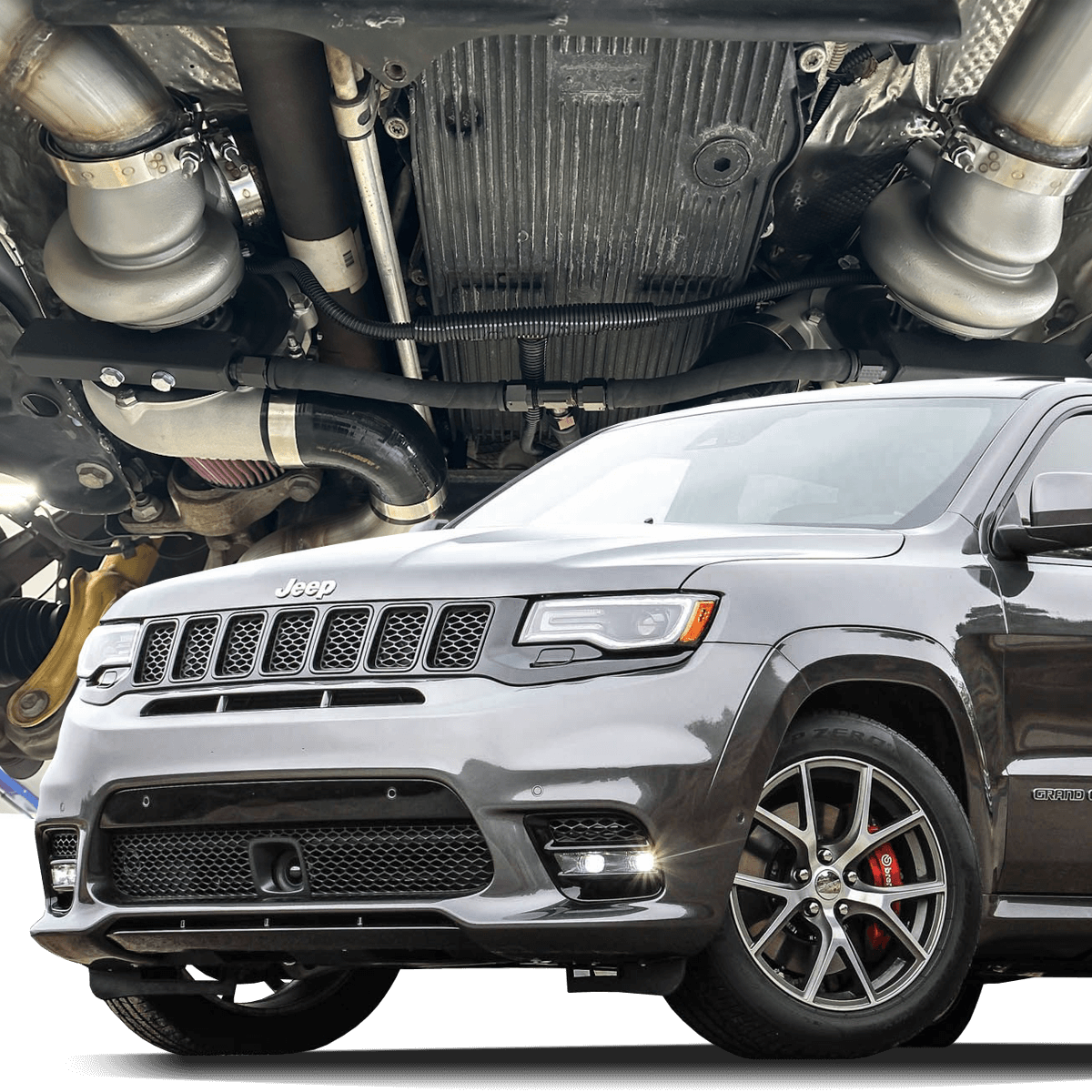
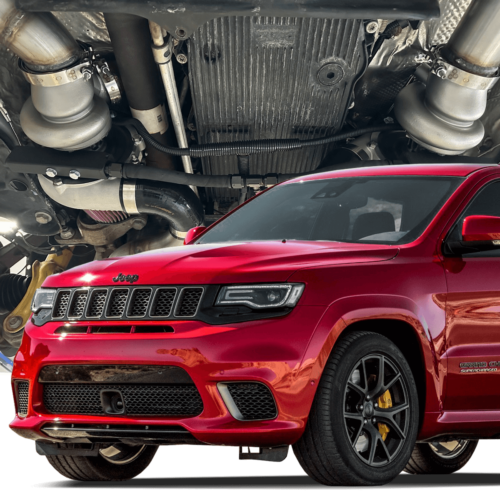
Key Components of a 2000 Jeep Cherokee Turbo Kit
A complete turbo kit typically includes the following essential components:
- Turbocharger: The heart of the system, responsible for compressing and forcing air into the engine. Different turbochargers are available, varying in size, efficiency, and boost potential.
- Exhaust Manifold (Turbo Manifold): Replaces the factory exhaust manifold and is designed to mount the turbocharger. It must be robust enough to withstand the heat and pressure generated by the turbo.
- Downpipe: Connects the turbocharger's exhaust outlet to the rest of the exhaust system. It's crucial for efficiently routing exhaust gases away from the turbo.
- Intercooler: Cools the compressed air from the turbocharger before it enters the engine. Cooler air is denser and contains more oxygen, leading to increased power and reduced risk of detonation.
- Piping (Intercooler Piping): Connects the turbocharger to the intercooler and the intercooler to the throttle body. Usually made of aluminum or stainless steel.
- Blow-Off Valve (BOV) or Bypass Valve: Releases excess pressure when the throttle is closed, preventing compressor surge and potential damage to the turbocharger.
- Wastegate: Regulates the amount of exhaust gas that bypasses the turbine wheel, controlling the boost pressure generated by the turbocharger.
- Fuel Injectors: Larger fuel injectors are often required to supply the additional fuel needed to match the increased airflow.
- Fuel Pump: A higher-flowing fuel pump may be necessary to ensure adequate fuel delivery, especially at higher boost levels.
- Engine Management System (EMS) / Piggyback Controller: Crucial for properly tuning the engine to run with the turbocharger. This can be a standalone EMS or a piggyback controller that modifies the factory ECU's signals.
- Oil Lines and Fittings: Supply oil to lubricate and cool the turbocharger.
- Air Filter: Protects the turbocharger from debris.
- Hardware and Gaskets: All necessary bolts, nuts, gaskets, and other hardware for installation.
Choosing the Right Turbo Kit: Considerations and Options
Selecting the appropriate turbo kit for your 2000 Cherokee requires careful consideration of several factors:
- Budget: Turbo kits range in price from relatively affordable to quite expensive. Determine your budget upfront to narrow down your options.
- Power Goals: How much horsepower and torque are you aiming for? This will influence the size and type of turbocharger you need.
- Intended Use: Will your Cherokee primarily be used for street driving, off-roading, or a combination of both? This will affect the turbocharger's spool-up characteristics and power delivery.
- Ease of Installation: Some kits are designed for easier installation than others. Consider your mechanical skills and whether you plan to install the kit yourself or have a professional do it.
- Kit Completeness: Ensure the kit includes all the necessary components for a complete installation. Some kits may require additional parts, such as a new exhaust system or engine management system.
- Reliability: Research the reliability of different turbocharger brands and kits. Look for kits with high-quality components and positive reviews from other users.
Types of Turbo Kits:
- Complete Kits: These kits include all the necessary components for a full turbo installation. They are typically more expensive but offer a more straightforward installation process.
- Basic Kits: These kits include the essential components, such as the turbocharger, manifold, and downpipe. You may need to source additional parts, such as an intercooler, fuel injectors, and engine management system.
- DIY Kits: Some enthusiasts choose to assemble their own turbo kits by sourcing individual components. This can be a more cost-effective option, but it requires significant technical knowledge and fabrication skills.
Installation Guide: A Step-by-Step Overview (Professional Installation Recommended)
Disclaimer: Installing a turbo kit is a complex and potentially dangerous process. It is highly recommended that you have the kit professionally installed by a qualified mechanic. The following steps are for informational purposes only and should not be used as a substitute for professional guidance.
- Preparation: Gather all the necessary tools, including wrenches, sockets, screwdrivers, pliers, a torque wrench, and safety glasses. Disconnect the battery.
- Remove Existing Components: Remove the factory exhaust manifold, air intake system, and any other components that will interfere with the turbo kit installation.
- Install Turbo Manifold: Install the new turbo manifold, ensuring it is properly aligned and torqued to the manufacturer's specifications.
- Mount Turbocharger: Mount the turbocharger to the manifold, using the provided hardware.
- Install Downpipe: Connect the downpipe to the turbocharger's exhaust outlet.
- Install Intercooler and Piping: Mount the intercooler and connect the piping from the turbocharger to the intercooler and from the intercooler to the throttle body.
- Install Blow-Off Valve (BOV): Install the BOV between the turbocharger and the throttle body.
- Install Wastegate: Connect the wastegate to the turbocharger and the exhaust manifold.
- Install Fuel Injectors and Fuel Pump: Replace the factory fuel injectors with larger injectors and install a higher-flowing fuel pump if necessary.
- Connect Oil Lines: Connect the oil supply and return lines to the turbocharger.
- Install Air Filter: Install the air filter on the turbocharger's inlet.
- Install Engine Management System (EMS): Install the standalone EMS or piggyback controller and connect it to the engine's wiring harness.
- Check for Leaks: Check all connections for leaks before starting the engine.
- Tune the Engine: Have the engine professionally tuned to ensure it is running properly with the turbocharger.
- Test Drive: Take the vehicle for a test drive and monitor the engine's performance.
Important Considerations and Potential Challenges
- Engine Management: Proper engine management is crucial for a successful turbo installation. Without proper tuning, the engine can run lean, leading to detonation and potential engine damage.
- Fuel System: The factory fuel system may not be able to supply enough fuel to support the increased power output of the turbocharger. Upgrading the fuel injectors and fuel pump may be necessary.
- Cooling System: The increased power output of the turbocharger can generate more heat. Upgrading the cooling system, including the radiator and fan, may be necessary.
- Transmission: The factory transmission may not be able to handle the increased torque of the turbocharger. Upgrading the transmission or installing a stronger clutch may be necessary.
- Exhaust System: The factory exhaust system may be restrictive and limit the turbocharger's performance. Upgrading the exhaust system to a larger diameter may be beneficial.
- Boost Creep: Boost creep is a phenomenon where the boost pressure increases uncontrollably at higher RPMs. This can be caused by a poorly designed wastegate or exhaust system.
- Fitment Issues: Some turbo kits may require modifications to the vehicle's chassis or body to ensure proper fitment.
Troubleshooting Common Issues:
- Low Boost: Check for leaks in the intake or exhaust system. Verify the wastegate is functioning correctly.
- Overboosting: Check the wastegate for proper adjustment. Ensure the boost controller (if installed) is functioning correctly.
- Detonation: This indicates a lean condition. Check fuel pressure, fuel injectors, and engine tuning.
- Oil Leaks: Inspect all oil lines and fittings for leaks. Ensure the turbocharger's oil drain is not restricted.
Price Table for 2000 Jeep Cherokee Turbo Kits
| Kit Name/Description | Estimated Price (USD) | Key Features | Notes |
|---|---|---|---|
| CXRacing Turbo Kit (Generic, Budget) | $800 - $1500 | Basic kit, includes turbo, manifold, some piping. | Requires significant modification, may lack quality components, tuning required. |
| Hesco Turbo Kit (Reputable, High Quality) | $3500 - $5000 | Complete kit, includes high-quality turbo, manifold, intercooler, fuel injectors. | Professional installation recommended, EMS included, known for reliability. |
| Boosted Technologies Turbo Kit (Mid-Range) | $2500 - $4000 | Includes turbo, manifold, intercooler, may require fuel system upgrades. | Good balance of performance and price, requires careful tuning. |
| Custom Fabricated Kit (DIY or Professional) | Varies Widely | Completely customized to specific needs and preferences. | Can be expensive and time-consuming, requires expert knowledge and fabrication skills. |
| Used Turbo Kit (Various Brands) | $500 - $2000 | Potential cost savings, but condition and completeness are uncertain. | Thorough inspection required before purchase, may need replacement parts. |
Note: These prices are estimates and can vary depending on the vendor, specific components included, and any ongoing sales or promotions. It's always best to check with the manufacturer or a reputable performance parts retailer for the most up-to-date pricing. Remember to factor in the cost of professional installation and tuning if you are not performing the work yourself.
Frequently Asked Questions (FAQ)
- Will a turbocharger void my warranty? Likely, yes. Installing a turbocharger is a significant modification that can affect the engine's performance and longevity.
- How much boost can I run on a stock engine? Generally, it's best to keep boost levels relatively low (around 6-8 psi) on a stock engine to avoid damaging internal components.
- Do I need to upgrade my brakes? Potentially. The increased power of the turbocharger will require improved stopping power. Consider upgrading your brakes to handle the additional performance.
- Can I install a turbo kit myself? While it's possible, it's highly recommended to have the kit professionally installed due to the complexity and potential risks involved.
- What is the best engine management system for a turbocharger? Standalone EMS systems, such as Megasquirt or Holley EFI, offer the most control and flexibility. However, piggyback controllers can also be effective for less demanding applications.
Conclusion: Embrace the Boost!
Turbocharging your 2000 Jeep Cherokee is a significant undertaking that can dramatically improve its performance and driving experience. By carefully considering your budget, power goals, and intended use, you can choose the right turbo kit and enjoy the exhilarating benefits of forced induction. Remember to prioritize proper engine management, fuel system upgrades, and professional tuning to ensure a reliable and long-lasting turbocharging experience. Unleash the beast within your XJ and experience the thrill of a turbocharged Cherokee!