The Jeep Liberty, produced from 2002 to 2012, holds a special place in the hearts of many off-road enthusiasts. While it might not possess the rock-crawling prowess of a Wrangler straight out of the factory, the Liberty offers a comfortable ride, independent front suspension (IFS), and a capable 4x4 system, making it a fantastic platform for modification. "Jeep Liberty Mods" encompass a wide spectrum of upgrades, from subtle aesthetic enhancements to significant performance improvements, allowing owners to tailor their Liberty to perfectly suit their individual needs and driving style. This article serves as a comprehensive guide, exploring the most popular and effective modifications, providing practical advice, and highlighting important considerations to help you unlock the full potential of your Jeep Liberty.
Why Modify Your Jeep Liberty?
Unleashing the Potential: A Comprehensive Guide to Jeep Liberty Mods
The reasons for modifying a Jeep Liberty are as varied as the owners themselves. Some common motivations include:
- Improved Off-Road Capability: Lift kits, larger tires, and skid plates can transform the Liberty into a more capable off-road machine, allowing it to tackle tougher trails and obstacles.
- Enhanced Appearance: From aftermarket bumpers and roof racks to custom lighting and paint jobs, modifications can dramatically alter the Liberty's aesthetics, giving it a unique and personalized look.
- Increased Performance: Performance upgrades, such as cold air intakes, exhaust systems, and ECU tuning, can improve horsepower, torque, and fuel efficiency.
- Increased Resale Value: While some modifications might not directly translate into increased resale value, well-chosen and professionally installed upgrades can make your Liberty more attractive to potential buyers.
- Personalization and Customization: Ultimately, modifying a Jeep Liberty is about making it your own, creating a vehicle that reflects your personality and meets your specific needs.

Section 1: Lift Kits – Elevating Your Liberty's Capabilities
One of the most popular and impactful modifications for a Jeep Liberty is installing a lift kit. Lift kits raise the vehicle's body, providing increased ground clearance, allowing for larger tires, and improving approach, departure, and breakover angles.
- Types of Lift Kits:
- Budget Boost (Spacer Lift): This is the most affordable option, using spacers placed on top of the factory coil springs. It provides a small lift (usually 2-3 inches) and is relatively easy to install. However, it doesn't improve suspension travel or articulation.
- Coil Spring Lift: This involves replacing the factory coil springs with longer, stiffer springs. It offers improved ride quality and increased suspension travel compared to a budget boost.
- Full Suspension Lift: This is the most comprehensive and expensive option, replacing almost all of the suspension components. It provides the greatest lift (typically 3-6 inches) and significantly improves off-road performance.

- Benefits:
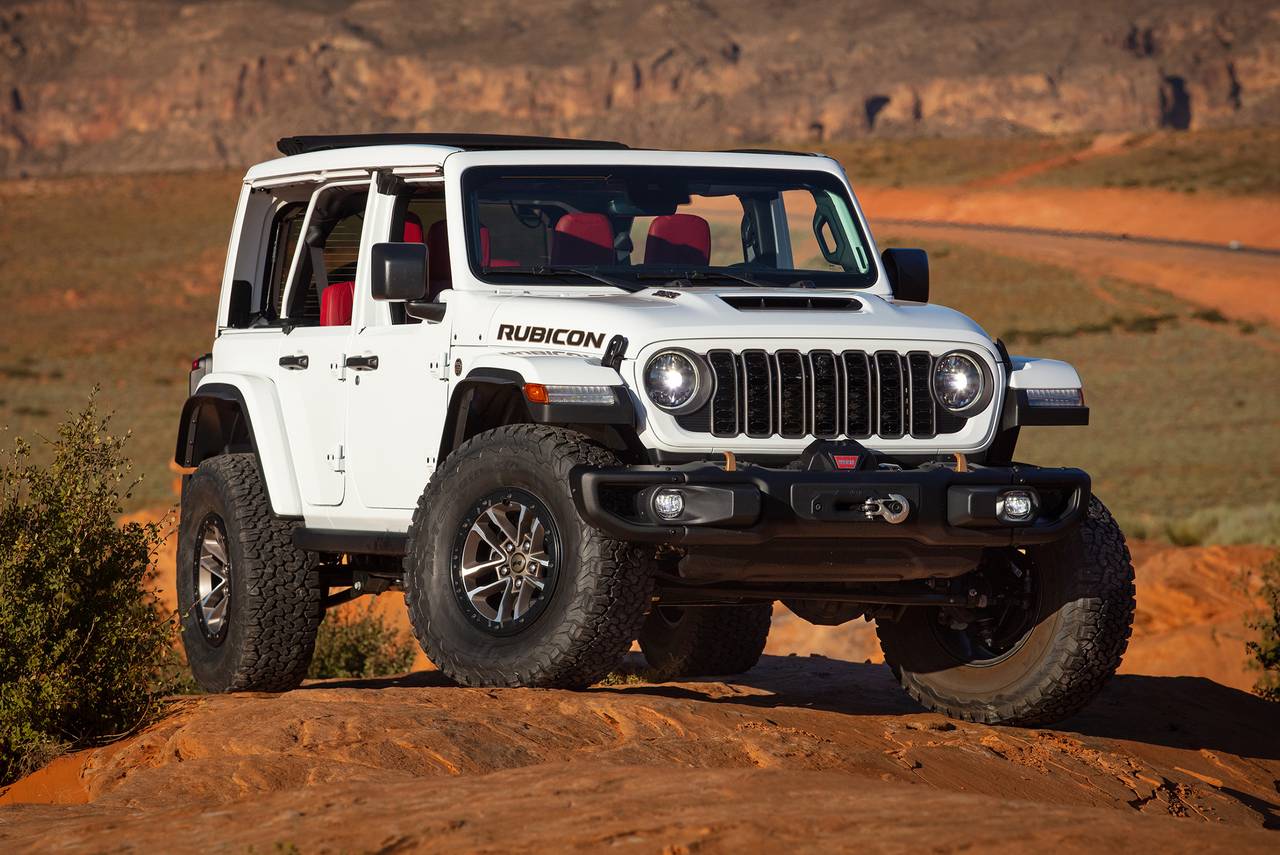
- Increased ground clearance.
- Ability to run larger tires.
- Improved off-road capability.
- Aggressive stance.
- How-To (Overview): Installing a lift kit generally involves removing the wheels, disconnecting the suspension components, installing the new lift components, and reassembling everything. A detailed instruction manual will be included with your lift kit. It's highly recommended to have the installation done by a professional if you lack experience.
- Important Considerations:
- Lift Height: Consider your intended use and tire size when choosing a lift height.
- Kit Quality: Opt for a reputable brand with high-quality components.
- Alignment: After installing a lift kit, it's crucial to get a professional wheel alignment.
- Driveline Vibrations: Lifting the Liberty can sometimes cause driveline vibrations. This can often be corrected by installing a transfer case drop kit or adjustable control arms.
- Potential Challenges:
- Difficulty disconnecting rusted suspension components.
- Incorrect installation can lead to safety issues.
- Driveline vibrations.
Section 2: Tire Upgrades – Gaining Traction and Style
Upgrading the tires is another essential modification for enhancing the Jeep Liberty's off-road performance and appearance.
- Types of Tires:
- All-Terrain (AT) Tires: A good compromise between on-road comfort and off-road traction.
- Mud-Terrain (MT) Tires: Designed for maximum traction in mud, rocks, and other challenging terrain. They tend to be noisier and less comfortable on the road.
- Hybrid Tires: Combine features of both AT and MT tires, offering a balance of performance and comfort.
- Benefits:
- Improved traction in various terrains.
- Enhanced off-road performance.
- Aggressive appearance.
- How-To (Overview): Tire installation is a straightforward process that involves removing the old tires, mounting the new tires on the wheels, and balancing them.
- Important Considerations:
- Tire Size: Ensure the tire size is compatible with your lift kit and wheel wells.
- Tire Load Rating: Choose tires with an appropriate load rating for your vehicle.
- Tire Pressure: Maintain proper tire pressure for optimal performance and fuel efficiency.
- Potential Challenges:
- Rubbing on wheel wells (especially with larger tires).
- Reduced fuel efficiency (especially with MT tires).
- Increased road noise (especially with MT tires).
Section 3: Armor and Protection – Shielding Your Investment
Protecting your Jeep Liberty from damage is crucial, especially if you plan on venturing off-road. Armor and protection modifications provide vital shielding for vulnerable components.
- Types of Armor:
- Skid Plates: Protect the engine, transmission, transfer case, and fuel tank from rocks and debris.
- Rock Sliders: Protect the rocker panels from damage when navigating rocky terrain.
- Bumpers: Aftermarket bumpers offer increased protection and improved approach and departure angles.
- Benefits:
- Protection from damage.
- Increased durability.
- Enhanced off-road capability.
- How-To (Overview): Installation typically involves bolting the armor components to the vehicle's frame.
- Important Considerations:
- Material: Choose armor made from durable materials like steel or aluminum.
- Fitment: Ensure the armor is specifically designed for your Jeep Liberty.
- Weight: Consider the added weight of the armor and its impact on fuel efficiency and handling.
- Potential Challenges:
- Difficulty installing heavy armor components.
- Potential for rust and corrosion.
Section 4: Performance Upgrades – Unleashing More Power
While the Jeep Liberty isn't known for its raw power, several performance upgrades can improve its horsepower, torque, and fuel efficiency.
- Types of Performance Upgrades:
- Cold Air Intake: Improves airflow to the engine, resulting in increased horsepower and torque.
- Exhaust System: Improves exhaust flow, resulting in increased horsepower and torque.
- ECU Tuning: Optimizes the engine's computer settings for improved performance.
- Benefits:
- Increased horsepower and torque.
- Improved fuel efficiency.
- Enhanced throttle response.
- How-To (Overview): Installation typically involves replacing the factory components with aftermarket parts.
- Important Considerations:
- Compatibility: Ensure the performance upgrades are compatible with your Jeep Liberty's engine.
- Emissions: Consider the impact of performance upgrades on emissions regulations.
- Professional Installation: ECU tuning should be performed by a qualified professional.
- Potential Challenges:
- Potential for voiding the factory warranty.
- Incorrect installation can damage the engine.
Section 5: Lighting Upgrades – Seeing and Being Seen
Upgrading the lighting can significantly improve visibility and safety, both on and off-road.
- Types of Lighting Upgrades:
- LED Headlights: Brighter and more energy-efficient than traditional halogen headlights.
- Fog Lights: Improve visibility in foggy or inclement weather.
- Off-Road Lights: Provide additional illumination for off-road driving.
- Benefits:
- Improved visibility.
- Increased safety.
- Enhanced appearance.
- How-To (Overview): Installation typically involves replacing the factory lights with aftermarket lights.
- Important Considerations:
- Brightness: Choose lights that are bright enough for your needs but not so bright that they blind other drivers.
- Beam Pattern: Consider the beam pattern of the lights and how it will affect visibility.
- Legality: Ensure the lights are legal for use in your area.
- Potential Challenges:
- Difficulty wiring aftermarket lights.
- Potential for electrical problems.
Table of Jeep Liberty Mods Prices
| Modification | Description | Estimated Price Range | Installation Cost (if applicable) |
|---|---|---|---|
| Budget Boost Lift Kit | Spacer lift, 2-3 inches | $100 - $300 | $100 - $200 |
| Coil Spring Lift Kit | Replaces coil springs, improved ride | $300 - $800 | $200 - $400 |
| Full Suspension Lift Kit | Replaces entire suspension, significant lift | $800 - $2000+ | $400 - $1000+ |
| All-Terrain Tires | Balanced on/off-road performance | $150 - $300 per tire | $15 - $30 per tire |
| Mud-Terrain Tires | Max traction in mud and rocks | $200 - $450 per tire | $15 - $30 per tire |
| Skid Plates | Protects undercarriage | $100 - $500 per plate | $50 - $150 per plate |
| Rock Sliders | Protects rocker panels | $200 - $600 per pair | $100 - $300 per pair |
| Aftermarket Bumper | Increased protection, improved angles | $300 - $1500+ | $100 - $500 |
| Cold Air Intake | Improves airflow to engine | $100 - $300 | $50 - $100 |
| Exhaust System | Improves exhaust flow | $200 - $800 | $100 - $300 |
| ECU Tuning | Optimizes engine settings | $300 - $800 | Varies |
| LED Headlights | Brighter, more efficient lighting | $50 - $200 per pair | $20 - $50 per pair |
| Fog Lights | Improves visibility in fog | $50 - $200 per pair | $20 - $50 per pair |
| Off-Road Lights | Additional illumination for off-road | $50 - $500+ per light | $20 - $100+ per light |
| Roof Rack | Adds cargo carrying capacity | $200 - $800+ | $50 - $200 |
Note: Prices are approximate and can vary depending on brand, quality, and location. Installation costs can also vary depending on the complexity of the installation and the labor rates in your area.
FAQ – Frequently Asked Questions
-
Q: Will lifting my Liberty affect its on-road handling?
- A: Yes, lifting your Liberty can affect its on-road handling. It can make it feel less stable and more prone to body roll. Choosing a quality lift kit and getting a professional alignment can help mitigate these effects.
-
Q: What's the biggest tire size I can run on my stock Liberty?
- A: Generally, you can fit 235/70R16 tires on a stock Liberty without any rubbing issues.
-
Q: Will modifying my Liberty void my warranty?
- A: Some modifications can void your warranty, especially if they directly cause a failure. It's best to consult with your dealer before making any significant modifications.
-
Q: Where can I find reliable information and resources for Jeep Liberty mods?
- A: Online forums, such as JeepForum.com and LostJeeps.com, are excellent resources for information and advice from other Liberty owners.
-
Q: Is it better to install modifications myself or have them done professionally?
- A: It depends on your skill level and comfort level. Some modifications, like installing a cold air intake or changing headlights, are relatively easy to do yourself. However, more complex modifications, like installing a lift kit or re-gearing, are best left to professionals.
Conclusion
Modifying a Jeep Liberty is a rewarding experience that allows you to personalize your vehicle and enhance its capabilities. Whether you're looking to improve its off-road performance, enhance its appearance, or simply make it your own, the possibilities are endless. By carefully researching your options, choosing high-quality components, and following the advice outlined in this guide, you can transform your Jeep Liberty into the ultimate adventure machine. Remember to prioritize safety, consider the impact of modifications on your vehicle's performance and reliability, and enjoy the process of creating a Jeep that is uniquely yours.